Key Takeaways
A good refresher should bring back shape without making second- or third-day hair feel coated. The right choice depends on moisture needs, density, curl pattern, and how much hold your hair can comfortably carry.
- Fine waves usually need a light mist and a restrained hand.
- Dry curls often respond best to added moisture and gentle scrunching.
- Coils may need section-by-section application rather than an all-over spray.
- Frizz control starts with hydration, not simply adding more product.
- A small amount of water can help reactivate styling product already in the hair.
1. Best overall: Curlsmith Moisture Memory Reactivator
The best curl refresher spray is less about forcing every curl into a new shape and more about helping yesterday’s styling come back to life. Start with hair that is slightly damp, then mist only the areas that look flattened or fuzzy. This keeps the refresh focused and helps preserve volume elsewhere.
Second- and third-day curls rarely need the same amount of product as wash-day hair. Work in light layers, scrunch upward, and give the hair a few minutes to settle before deciding whether it needs more. Light layering matters because too much moisture or styling product can leave curls limp, sticky, or uneven.
A refresher also works best when paired with realistic expectations. It can soften the look of sleep marks and revive some definition, but it cannot always recreate a full wash-day result. For a broader routine, this curl-definition guide offers useful context on cleansing, conditioning, detangling, and product layering.
2. Best for dry, thirsty curls: Moroccanoil Curl Reactivation Mist
Dry curls often show their age first around the ends, hairline, and crown. A moisturizing mist can make those areas easier to reshape, especially when the hair feels rough rather than merely flattened. Apply a little at a time and use your hands to distribute it through the curls instead of soaking the whole head.
The most comfortable refresh is usually a dampening step followed by gentle scrunching. If the hair is very dry, misting your palms first can give you more control than spraying repeatedly from a distance. This approach is especially helpful for mixed-texture hair, where one section may need moisture while another still has plenty of product.
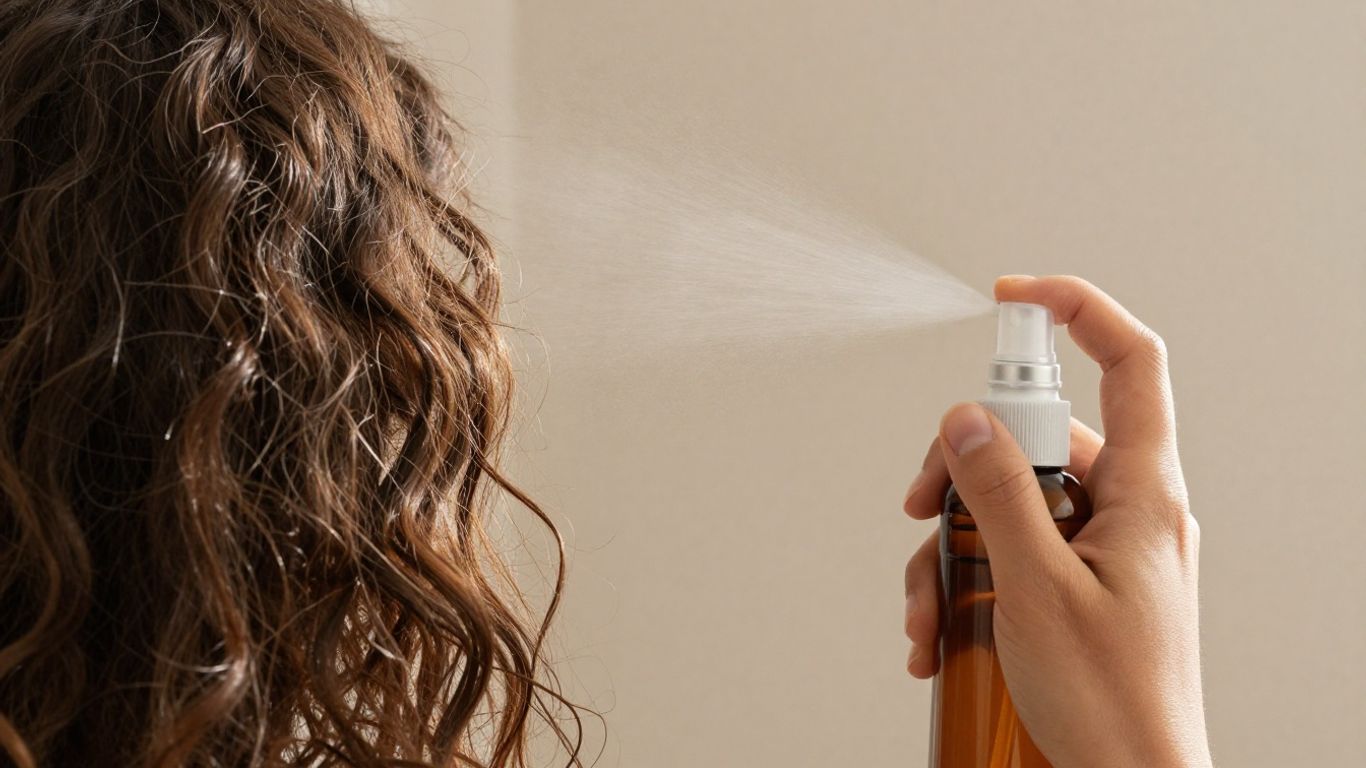
After applying a refresher, leave the curls alone while they dry. Repeated touching can create the very fuzziness you are trying to smooth. If dryness keeps returning quickly, review the full routine, including cleansing and conditioning, rather than treating every refresh as a styling problem.
3. Best for fine curls: Bumble and bumble Curl Reactivator
Fine curls and waves can lose shape easily, but they can also become weighed down just as easily. The goal is a narrow spray pattern, a small amount of product, and enough movement to restore the bend without flattening the roots. Focus first on the mid-lengths and ends, then use whatever remains on your hands near the top.
A useful test is to refresh one side of the head before doing the other. Compare the bounce, softness, and separation after the hair dries. If the refreshed side looks flatter or feels tacky, the formula may be too rich for that day, or you may simply need less of it.
Fine hair benefits from a little patience. Let each light layer dry before adding another, and avoid combining a refresher with several heavy creams at once. Readers with easily weighed-down curls may also find this guide to lightweight leave-in conditioners helpful when planning the rest of their routine.
4. Best for frizz-prone curls: Ouidad Botanical Boost Curl Energizing & Refreshing Spray
Frizz-prone curls need more than surface smoothing. When hair is dehydrated or disturbed by sleep, humidity, or friction, a refresher can help add enough moisture for the curl to regroup. Spray into your hands or directly onto small sections, then smooth and scrunch rather than brushing through the entire head.
The crown and face-framing pieces often need a different approach from the ends. Use less product near the roots if volume matters, and spend more time reshaping the individual curls around the face. A satin bonnet, scarf, or pillowcase at night can reduce how much work the next morning requires.
The best results come from matching the refresh to the cause of the frizz. If the hair is simply misshapen, water and scrunching may be enough; if it feels dry, a conditioning mist may be more useful. This frizz-control routine explains how hydration and styling habits can work together across different curl patterns.
5. Best for coily and tightly textured hair: Pattern Hydration Mist
Coily and tightly textured hair may need to be refreshed in sections so that moisture reaches the hair evenly. Divide the hair into manageable areas, mist lightly, and use your fingers to smooth or reshape each section. There is no need to rush; a controlled process is often kinder than saturating the whole head.
Pay attention to how the hair responds as you work. Some sections may spring back with a few drops of moisture, while others may need more time and gentle manipulation. Avoid pulling through dry tangles, and separate only as much as needed to restore the style.
For longer stretches between wash days, protective nighttime habits can make the refresh more successful. A routine built around gentle detangling, regular conditioning, and careful handling supports the style without asking a spray to do everything. The same principle appears in this practical guide to caring for Type 3C hair.
6. Best lightweight option for wavy hair: Rizos Curls Refresh & Detangle Spray
Wavy hair often needs enough moisture to bend again, but not so much that the pattern loses lift. Begin with a very light mist on the areas that have fallen flat. Scrunch upward with open hands, then let the hair dry without repeatedly rearranging it.
If the waves feel tangled, use your fingers to separate the largest knots before applying more product. Spraying onto the ends first can help you avoid putting too much weight near the roots. A refresher should make the hair feel flexible, not wet for hours or covered in residue.
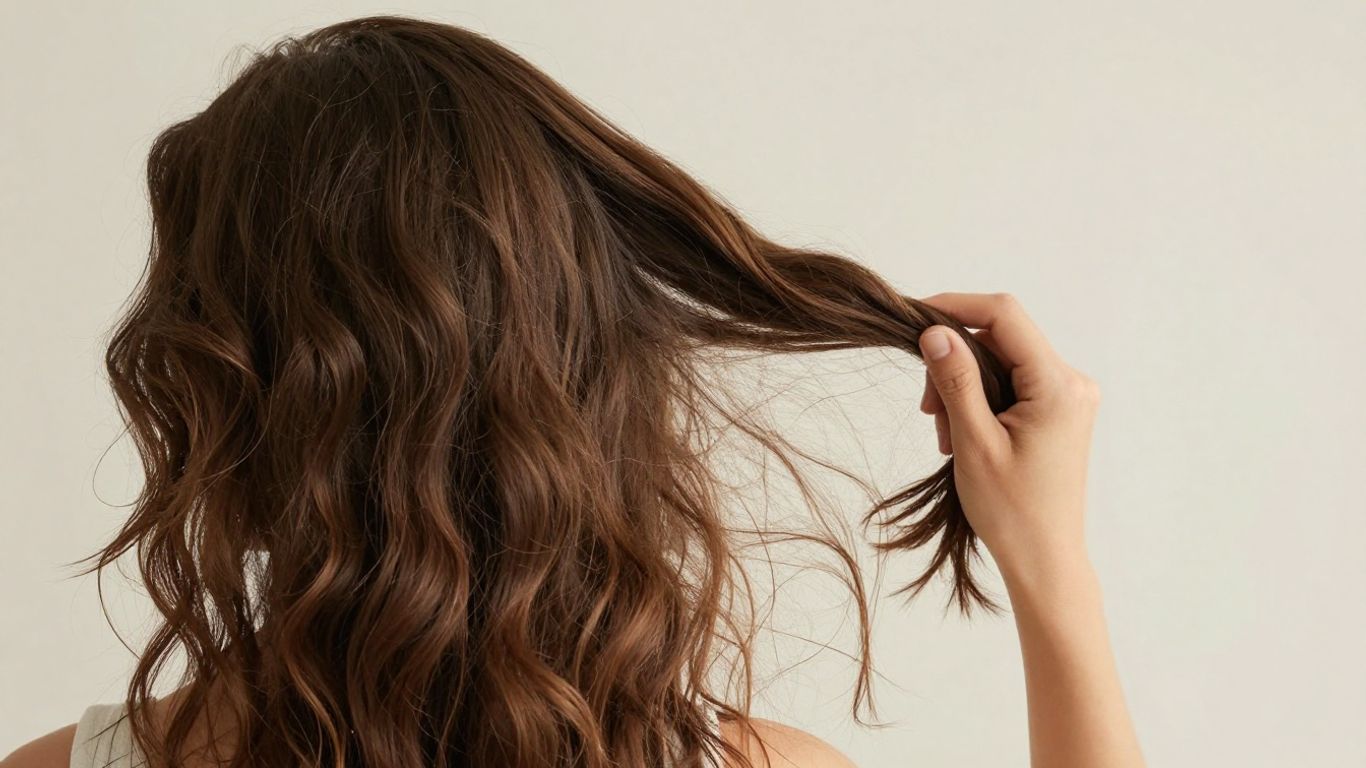
Wavy hair can also benefit from a simple reset between wash days: dampen, reshape, and stop. If you want more lift, consider airflow and drying technique as well as product. This overview of Type 2B waves covers lightweight styling, scrunching, and other ways to encourage definition without sacrificing movement.
7. Best for damaged curls: Briogeo Curl Charisma Rice Amino + Avocado Leave-In Defining Crème
Damaged curls usually need a gentler refresh than hair that is simply flattened after sleep. Start with the least amount of manipulation possible, misting or dampening the hair before smoothing the most fragile areas. Concentrate on reducing friction, especially around breakage-prone ends.
A refresher cannot repair every form of damage, so treat it as one small part of a supportive routine. Detangle carefully, limit unnecessary heat, and avoid repeatedly layering products over hair that already feels stiff or coated. When using a defining cream, begin with a small amount and assess the result after drying.
Heat is another common source of stress for curls. If you diffuse after refreshing, use a gentle setting and avoid holding concentrated heat on one section. This guide to heat protection for mixed curly hair provides a useful place to review sprays, creams, application habits, and thermal styling choices.
8. Best for adding definition without crunch: Innersense Refreshing Hair Mist
A soft refresh is often the best choice when you want definition that still moves. Use a fine mist, scrunch the curls upward, and allow them to dry naturally when possible. The less you disturb the hair while it sets, the less likely it is to develop a stiff or rough finish.
If the original styling product is still present, water may reactivate some of what is already there. That means a refresher does not always need to be applied generously. Test a small area first, especially around the front, where excess product tends to be most visible.
For readers deciding between flexible movement and stronger control, this guide comparing curl gel and mousse can help clarify how different styling textures affect hold, volume, and finish. A refresher belongs in that wider conversation, but it should not replace the styling step that gives your wash-day look its foundation.
9. Best budget-friendly curl refresher: Aunt Jackie’s Curls & Coils Quench! Moisture Intensive Leave-In Conditioner
A budget-friendly refresher should be easy to use repeatedly and forgiving when your technique is not perfect. Start with a small amount, dilute the effect with water if needed, and apply only where the curls need help. This avoids using more product simply because the hair is long or dense.
The following quick sequence keeps the process simple and reduces overapplication:
- Lightly dampen the flattened or dry sections.
- Apply a small amount of refresher through your hands.
- Scrunch, twist, or smooth the curls back into shape.
- Let the hair dry before judging the finish.
This order gives the hair time to respond before you add another layer. If the curls remain dull or rough, consider whether they need deeper conditioning on wash day instead of continuing to spray. A good refresher should stretch a style, not conceal a routine that is no longer meeting the hair’s needs.
10. Best for reviving curls between wash days: As I Am Coconut CoWash Cleansing Conditioner Spray
Between wash days, the most useful refresher is one that fits the way you actually wear your hair. Some mornings call for a few targeted sprays; others call for more water and a full reshaping of several sections. Choose the lighter approach whenever the curls still have good definition underneath the sleep marks.
Use this simple comparison when narrowing down the best curl refresher spray for your hair:
| Hair situation | Refreshing approach | What to watch for |
|---|---|---|
| Flattened curls | Mist and scrunch small sections | Loss of root volume |
| Dry ends | Focus moisture on the lengths | Coating or stiffness |
| Frizz around the crown | Smooth with damp hands | Excess touching |
| Tangled or dense sections | Work slowly in parts | Pulling and breakage |
The table is a starting point, not a rulebook. Your hair’s porosity, density, styling products, climate, and sleep routine all affect the result. If you are also dealing with buildup, this guide to clarifying shampoo for curls can help you decide when a refresh has reached its limit.
A refresher is most successful when it supports a healthy wash-day rhythm. For broader household planning, unrelated practical resources such as refrigerator repair services or California appliance repair belong outside the hair routine, but they can still be useful when you are organizing the everyday care that surrounds it. Likewise, outdoor comfort may call for season-long yard protection, while a bathroom project may involve bathroom remodeling services; neither changes how curls should be refreshed, but both are reminders that small maintenance habits add up.
Conclusion
Reviving second- and third-day curls works best as a gentle adjustment rather than a complete restart: add only the moisture you need, reshape in sections, and give the hair time to settle. With a refresher suited to your texture and a routine that respects its needs, curls, waves, and coils can stay expressive well beyond wash day.
Frequently Asked Questions
How often should I use a curl refresher spray?
Use one whenever your hair needs a small reset, but avoid adding layer after layer without assessing the feel and appearance. If the hair becomes coated, limp, or sticky, it may be time for cleansing rather than another refresh.
Should I wet my hair before using a refresher?
Slightly damp hair is often easier to reshape, though the amount of water depends on your texture and the condition of the style. Start with a light mist or damp hands and add more only if the curls need it.
Can a refresher replace wash day?
No. A refresher can extend a style and improve its appearance between washes, but it does not replace cleansing, conditioning, or occasional buildup management.
How can I refresh curls without creating frizz?
Use gentle hands, work in small sections, and avoid brushing through dry curls. Scrunching or smoothing with damp palms usually creates less disturbance than repeated combing.
What is the best way to refresh fine waves?
Apply a small amount to the mid-lengths and ends first, then allow the waves to dry before adding more. Keeping product away from the roots can help preserve lift.
How do I refresh tightly coiled hair evenly?
Divide the hair into sections and apply moisture gradually, using your fingers to distribute it. Slow, controlled handling helps reduce unnecessary pulling and keeps unevenly dry areas from being missed.
Why do my curls look worse after refreshing?
The product may be too heavy, too much may have been applied, or the hair may need a deeper cleanse or conditioning treatment. Try a smaller amount next time and compare the result on one section before refreshing the entire head.