So, you’ve got curls, but they’re not all the same? Welcome to the club! Mixed curls can be a bit of a puzzle, with some parts tighter than others, or maybe a mix of waves and coils. It can feel like a lot to manage, and finding out how to define mixed curls can seem tricky. But don’t worry, it’s totally doable. This guide is here to break down how to get those curls looking their best, no matter what kind of curl pattern you’re working with.
Key Takeaways
- Understanding your unique curl pattern is the first step to defining mixed curls effectively.
- Using the right products, like hydrating conditioners and curl activators, makes a big difference.
- A gentle, consistent routine focusing on moisture is key for healthy, defined curls.
- Specific styling techniques, such as scrunching and plopping, can help shape your curls.
- Protecting your hair between washes and avoiding common mistakes will keep your curls looking great.
Understanding Your Unique Curl Pattern
Decoding Your Curl Type
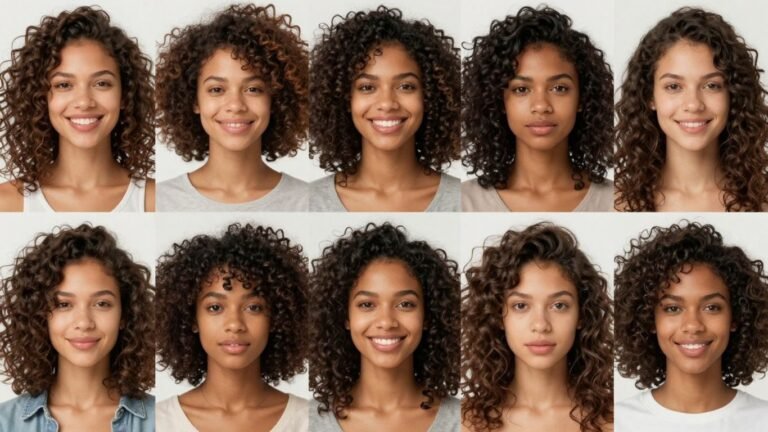
Figuring out what kind of curls you have can feel like a puzzle, right? It’s not always straightforward, but once you get it, caring for your hair becomes so much easier. Most people have a mix of curl types on their head, so you might have waves in one spot and tighter coils in another. The shape of the hair follicle you grow from actually determines how curly your hair is. If the follicle is flatter, you’ll get curlier hair; a rounder follicle means straighter hair. Your curl pattern is also about the shape the hair strand itself makes – does it kink, curve, or spiral? It’s usually best to check your curl pattern when your hair is really wet, straight out of the shower.
There’s a common way to categorize curls, starting with Type 2 for wavy hair, Type 3 for curly hair, and Type 4 for coily hair. Then, each type is broken down into A, B, and C, based on how wide or tight the pattern is. Type A is the widest, and Type C is the tightest. Knowing this helps you pick out the right products and techniques. It’s a good starting point for understanding your hair’s unique needs and finding what works best for you. You can discover your unique curl type and get tips for textured hair care here.
The Science Behind Curly Hair
Ever wonder why curly hair behaves the way it does? It all comes down to the structure of your hair strands. Under a microscope, you’d see that hair is mostly made of a protein called keratin. Straight hair has a round follicle, which lets the keratin distribute evenly, making the hair strong. Curly hair, though, grows from a more oval-shaped follicle. This means the keratin doesn’t spread out the same way. The outer layer of the hair, called the cuticle, can lift more easily because of this unevenness. This makes curly hair more prone to dryness and breakage. It’s why moisture and gentle handling are so important for keeping curls healthy and vibrant. Understanding this science helps explain why certain products and methods work better for curly textures.
Curly hair’s structure makes it naturally more susceptible to dryness and damage. The uneven protein distribution and lifted cuticle mean it loses moisture faster and is more fragile than straight hair. This is why a consistent routine focused on hydration and protection is key to maintaining healthy, defined curls.
Embracing Your Natural Texture
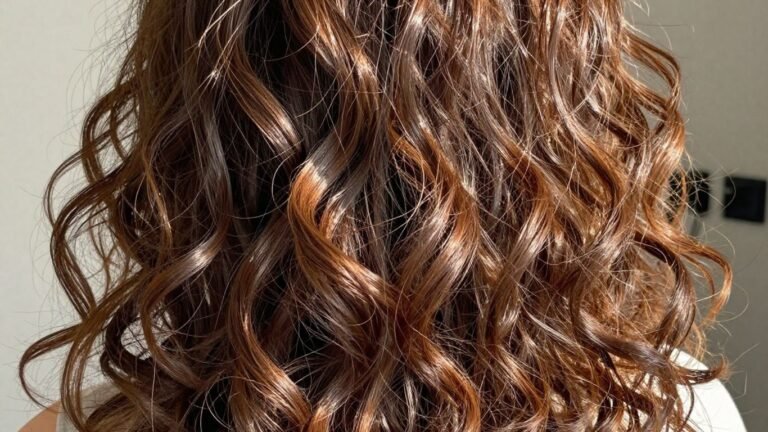
It can take some time to really get to know your curls, and that’s totally okay. Your hair is unique, and that’s its superpower! Instead of fighting it, learning to work with your natural texture is where the magic happens. Mixed curls, especially, can be a beautiful blend of different patterns, giving your hair amazing volume and dimension. Don’t get too caught up in perfect categories; focus on what makes your hair look and feel its best. When you start to understand what your specific curls need – whether it’s more moisture, better definition, or less frizz – you can create a routine that truly celebrates your hair. This journey is all about self-discovery and loving the hair you’re in. Learning about different curl patterns can be a helpful step in this process, and there are detailed ways to understand and care for various curl types here.
Essential Products for Defining Mixed Curls
Mixed curls often don’t fit neatly into one category, so finding the right products can take a bit of trial and error. But with the right line-up, you can get defined, hydrated, and long-lasting curls that actually last past wash day. Here’s a breakdown of what to keep on your bathroom shelf.
Hydrating Conditioners and Co-Washes
Conditioner is probably the MVP for mixed curls. These hair types usually need lots of moisture to fight dryness and make detangling easier. Look out for thick, hydrating conditioners without sulfates, parabens, or silicones, since those can dry out curls even more. If you wash your hair more than once a week or the scalp feels dry, a co-wash can gently clean while keeping the natural oils your curls need.
A good co-wash will leave your curls soft, bouncy, and easier to manage.
- Use a sulfate-free co-wash to cleanse without stripping moisture
- Try a thick rinse-out conditioner, focusing mostly on the ends
- Experiment with leave-ins if your curls tend to dry out between washes
| Product Type | Pros | Cons |
|---|---|---|
| Co-wash | Gentle, moisturizing | May not remove heavy buildup |
| Thick conditioner | Detangles, hydrates deeply | Can be expensive |
| Leave-in conditioner | Ongoing moisture, tames frizz | May weigh down very fine curls |
If your hair feels rough or the curls aren’t forming right after conditioning, you probably need to go thicker or add a leave-in to your routine.
Curl Activators and Enhancing Smoothies
Curl activators and smoothie creams are what give mixed curls a good bounce and definition. They’re especially important for looser curl patterns that can look wavy without extra help. Creamy products work best for curls that frizz up easily.
- Curl activator creams help clump strands and keep the curl shape
- Smoothies add slip and strengthen curl memory
- Layering these after conditioner can tame frizz and boost shine
If you’re searching for something reliable, products like Shea Moisture’s Curl Enhancing Smoothie are cult favorites for a reason. For even more options, check out some of the best curl creams for superior definition, including a few standout brands you might not have tried yet (top curl creams for curls).
Styling Custards and Gels for Hold
Once you’ve got moisture and shape in place, you need something for hold—otherwise those curls can fall flat or get puffy by lunchtime. Lightweight gels and custards are best for mixed textures; they help keep definition without turning curls stiff or flaky.
- Custards are usually gel-like but softer, great for mixed and 3B/3C curls
- Opt for custard when you want hold but also softness
- Gels offer max hold for event days or extra-humid weather
A lot of folks worry about gels feeling sticky or crunchy, but there are plenty of modern formulas that leave curls touchable. Try applying while your hair is still wet, then let your hair air dry or use a diffuser for the best definition possible.
- Choose styling products that are alcohol-free to avoid drying out your hair
- Always start with a small amount and build up as needed
- Don’t forget to scrunch out the crunch once your hair is fully dry!
The right mix of products can be a game-changer. Stick with what feels hydrating and gives you curl shape and movement – not stiffness.
Crafting Your Mixed Curl Care Routine
Building a routine for mixed curls can feel like a puzzle, especially when you’re figuring out what works best for a unique blend of textures. It’s all about finding that sweet spot between hydration, definition, and manageability. Consistency is key here; establishing a rhythm your hair can rely on makes a world of difference. Think of it as a gentle dance between cleansing, conditioning, and styling, tailored specifically to your hair’s needs.
Gentle Cleansing and Conditioning Techniques
When it comes to washing, harsh shampoos can strip away natural oils, leaving curls dry and frizzy. Many people with mixed curls find that co-washing, which is washing with conditioner only, or using a sulfate-free shampoo works wonders. Focus the cleansing product on your scalp, letting the suds run down the lengths of your hair rather than scrubbing the ends directly. This helps maintain moisture. For conditioning, be generous! Apply a rich conditioner from mid-shaft to ends, letting it sit for a few minutes to really soak in. This is a great time to gently detangle.
- Co-washing: Use conditioner to cleanse your hair, especially if it feels dry.
- Sulfate-free shampoos: Opt for gentle cleansers that won’t strip moisture.
- Scalp focus: Concentrate shampoo on your scalp, not the ends.
- Deep conditioning: Apply conditioner generously and let it sit.
Detangling with Care
Detangling mixed curls requires patience. Brushing dry curls can lead to breakage and frizz, so it’s best to tackle this when your hair is wet and coated with conditioner. Use a wide-tooth comb or your fingers, starting from the ends and working your way up towards the roots. This method helps to gently separate knots without causing damage. If you encounter a stubborn tangle, don’t force it; try adding a bit more conditioner or a leave-in product to help it slide through.
Remember, your curls are delicate. Treat them with kindness, and they’ll reward you with bounce and definition. Patience during detangling is a small price to pay for healthy, happy hair.
Moisturizing and Hydration Strategies
Curly hair, especially mixed textures, often craves moisture. After rinsing out your conditioner, gently squeeze out excess water and apply a leave-in conditioner or a curl-defining cream while your hair is still damp. This helps to seal in moisture and prepare your curls for styling. Don’t underestimate the power of water; sometimes, a simple spritz of water mixed with a bit of conditioner can revive curls between wash days. Look for products with ingredients like shea butter, coconut oil, or aloe vera, which are known for their hydrating properties. Learning about your hair’s porosity can also guide your product choices, helping you find what truly quenches your curls’ thirst. For those looking to understand their hair better, exploring the Curly Girl Method can offer valuable insights.
Here’s a quick look at hydration strategies:
- Leave-in conditioner: Apply to damp hair to lock in moisture.
- Curl creams/enhancers: Use to define and hydrate curls.
- Water and conditioner mist: Revive curls between washes.
- Hydrating ingredients: Seek out shea butter, oils, and aloe vera.
- Hair masks: Incorporate weekly for an extra moisture boost.
Styling Techniques for Defined Curls
Okay, so you’ve got your products, you’ve got your routine down, but how do you actually get those curls to look amazing? It’s all about the technique, really. Think of it like baking – the ingredients matter, but how you mix and bake them makes all the difference. For mixed curls, which can have a bit of everything going on, we want to encourage definition without making things stiff or frizzy. It’s a balancing act, for sure.
Applying Products to Wet Hair
This is a big one, and honestly, it took me a while to get it right. Applying your styling products when your hair is soaking wet is a game-changer. Why? Because curly hair needs water. Lots of it. When your hair is wet, the cuticle is open and ready to absorb all that goodness from your curl cream or gel. Plus, water helps distribute the product evenly, which means fewer dry spots and more consistent curl formation. It also helps your curls clump together better, giving you that defined look right from the start. Don’t be afraid to really saturate your hair before you even think about touching a product. It might feel like too much water, but trust me, your curls will thank you. This is where you can really start to shape your curls.
Scrunching and Diffusing Methods
Once the product is in, it’s time to encourage those curls to do their thing. Scrunching is your best friend here. Gently cup sections of your hair in your hands and squeeze upwards towards your scalp. This motion helps to create and enhance the curl pattern. Don’t be too rough, though; we’re coaxing, not attacking! If you’re using a blow dryer, a diffuser attachment is a must. It spreads the air out, so you’re not blasting your curls with direct heat, which can lead to frizz and breakage. Hover the diffuser around your hair or gently cup sections of curls in the diffuser bowl and lift towards your scalp. This helps to dry your hair while maintaining and even boosting your curl definition. It takes some practice, but the results are worth it.
The Art of Hair Plopping
Hair plopping is a technique that sounds a bit funny, but it’s seriously effective for setting your curls. After you’ve applied your products to wet hair, instead of just shaking it out or rubbing it with a towel, you’re going to ‘plop’ it. Lay a t-shirt or a microfiber towel flat on a surface, flip your head over so your curls fall onto the fabric, and then wrap the t-shirt around your head like a turban. Leave it like this for about 15-30 minutes. This helps absorb excess water without disturbing your curl pattern and allows your curls to dry in a more compact, defined shape. It’s a great way to get a head start on drying and definition, especially if you’re short on time or want to minimize heat styling. It really helps to encourage the formation of well-defined curls.
Remember, consistency is key with these techniques. What works perfectly one day might need a slight tweak the next, depending on humidity, how much sleep you got, or even what you ate (kidding… mostly!). Don’t get discouraged if it’s not perfect right away. Keep experimenting and pay attention to what your hair responds to best.
Maintaining Your Mane Between Washes
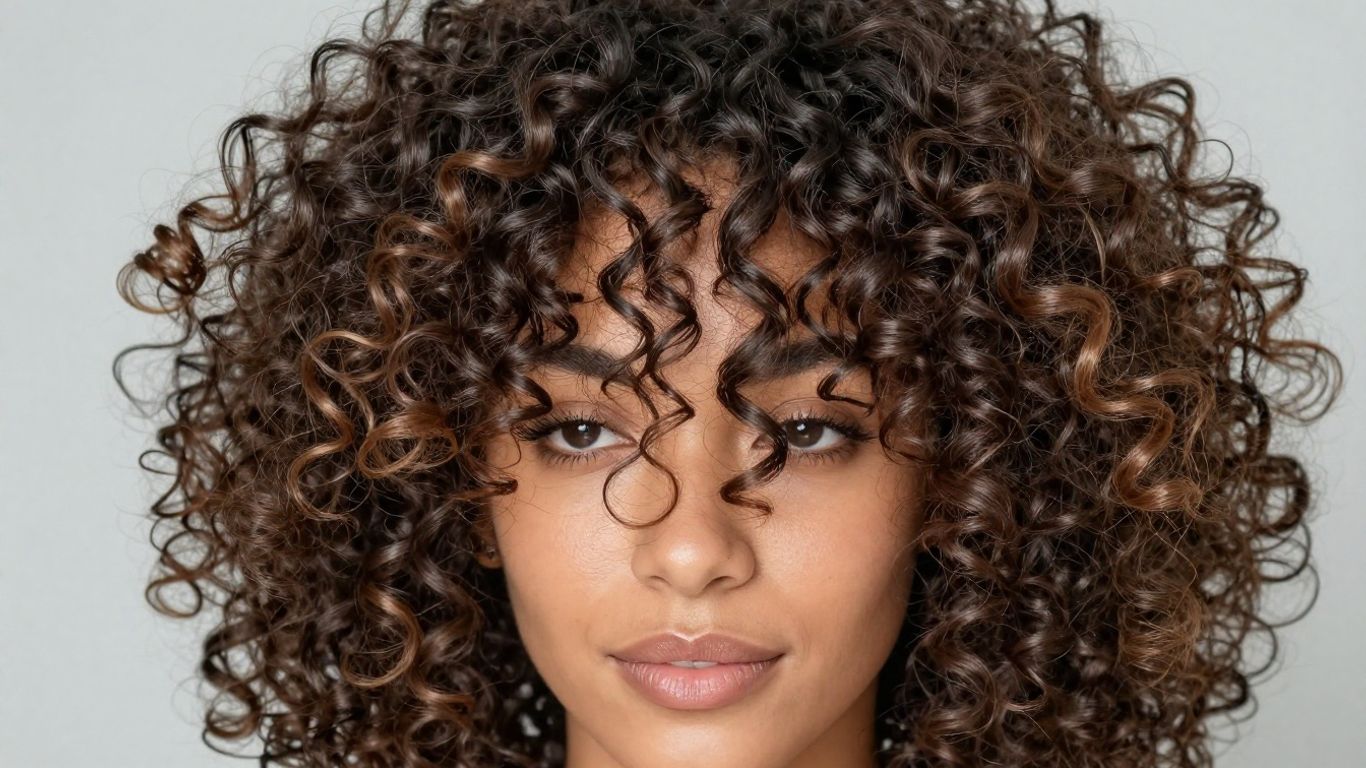
So, your curls are looking pretty great after wash day, but what happens when you’re a few days out and they’re starting to lose their shape or get a little… meh? Don’t worry, we’ve all been there. The good news is, you don’t need to re-wash your hair every single day to keep it looking good. There are some simple tricks to revive your curls and keep them happy between washes.
Refreshing Curls on Non-Wash Days
When your curls need a little pick-me-up, the goal is to add moisture and definition without making them heavy or greasy. A great way to start is by lightly spritzing your hair with water. You don’t want to soak it, just enough to reactivate the product that’s already in there. Then, you can gently scrunch your curls upwards towards your scalp. If they need a bit more help, consider using a curl refresher spray or a tiny amount of leave-in conditioner. For those days when your curls have lost their bounce, applying a bit of curl enhancing gel can really help restore their shape and definition. Just work a small amount through your hands and then scrunch it into your hair.
Protecting Curls Overnight
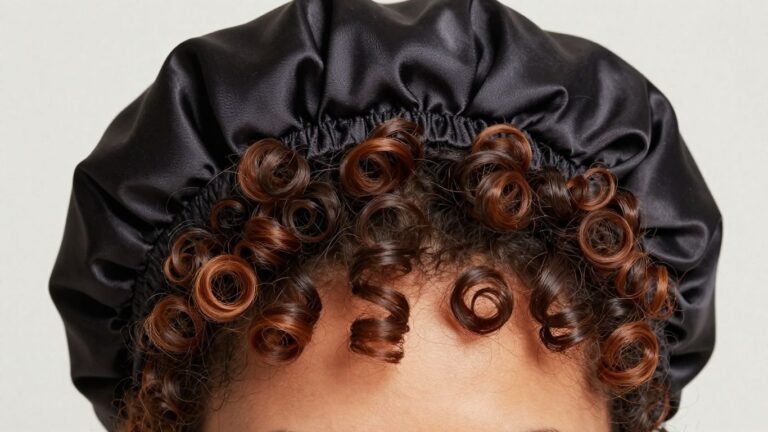
Sleeping can be rough on curls. To keep them from getting flattened or frizzy, try a few things. A satin bonnet or a silk scarf is a game-changer. It creates a smooth surface for your hair to rest on, reducing friction. Another popular method is the "pineapple." This involves gathering your hair loosely on top of your head, like a pineapple, and securing it with a soft scrunchie (avoiding tight elastics that can cause breakage). This keeps your curls from getting crushed against your pillow. Some people also find that sleeping on a satin or silk pillowcase helps.
Combatting Frizz and Humidity
Frizz can be a real challenge, especially when the weather is humid. The key here is moisture and sealing the cuticle. If you notice frizz starting to creep in, a light mist of water followed by a bit of curl cream or a smoothing serum can help. For more stubborn frizz, try applying a small amount of hair oil to the ends of your hair and smoothing it over the frizzy areas. Remember, curly hair naturally has a higher porosity, meaning it can absorb moisture but also lose it easily. Using products that help lock in moisture, like those with shea butter or certain oils, can make a big difference. It’s all about finding that balance to keep your curls looking smooth and defined, no matter the weather.
Keeping your curls looking their best between washes is all about gentle techniques and the right products. Think of it as a little touch-up, not a full overhaul. The less you disturb your curl pattern, the better they’ll behave.
Avoiding Common Curl Care Pitfalls
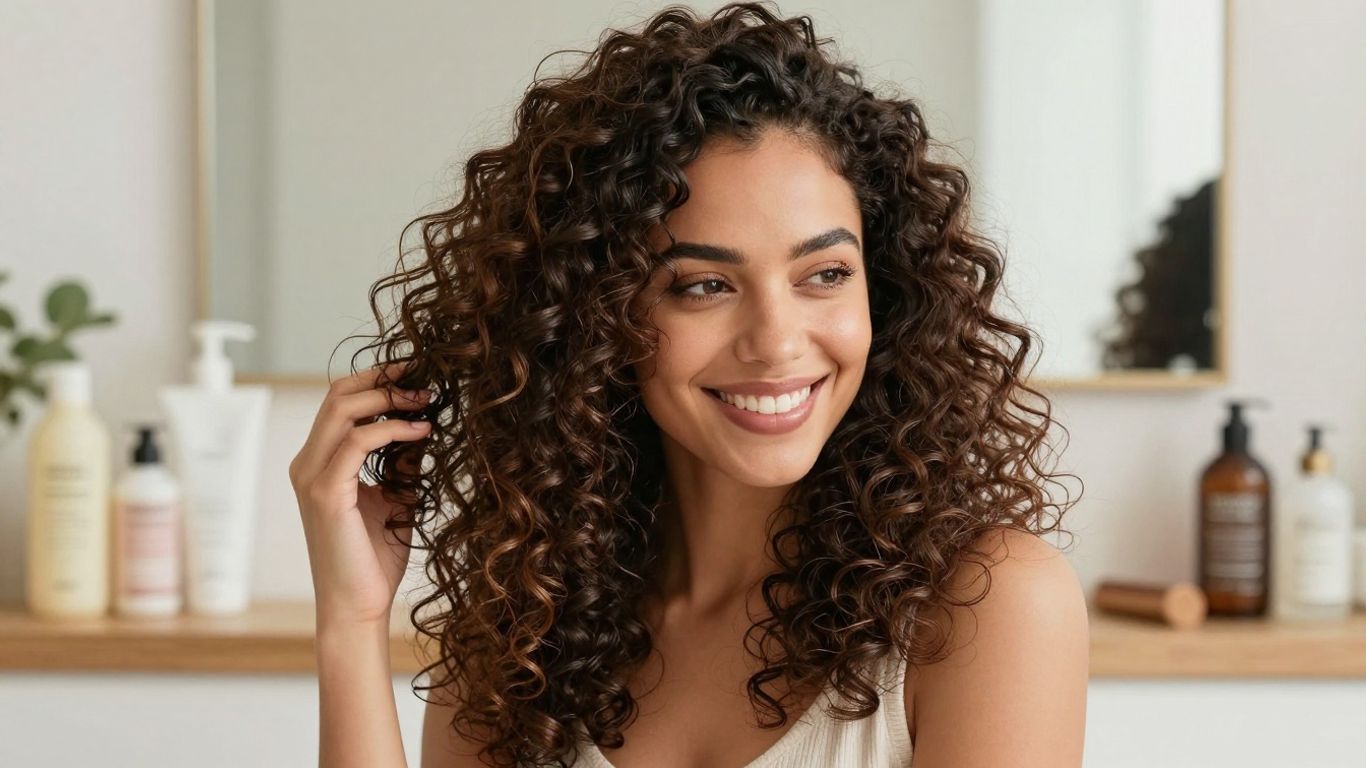
It’s easy to fall into some common traps when you’re trying to get your mixed curls looking their best. Sometimes, the things we think are helping can actually be doing more harm than good. Let’s talk about some of the usual suspects and how to steer clear of them.
Harsh Ingredients to Steer Clear Of
Many standard hair products are loaded with ingredients that can really dry out and damage curly hair. Think sulfates, parabens, and certain alcohols. Sulfates are super strong cleaners that strip away all the natural oils your curls desperately need to stay moisturized. Parabens can sometimes cause irritation, and drying alcohols just make your hair brittle. It’s best to look for products specifically made for curly hair, which tend to be gentler. These often use moisturizing ingredients and avoid the harsh stuff. You can find some great options if you check out products formulated for curly hair.
The Dangers of Over-Washing
Washing your hair too often is a big one. Curly hair, especially mixed textures, has a harder time getting natural oils from the scalp all the way down the hair shaft. So, when you wash frequently, you’re stripping away the little moisture you have. This can lead to dryness, frizz, and a general lack of definition. Most people with curls do much better washing just once or twice a week, or even less. You might be surprised how much healthier your hair looks and feels when you give it a break from the shampoo bottle. Less washing also means less styling, which can save you time and prevent other issues.
Minimizing Heat Styling Damage
Heat is pretty much the enemy of healthy curls. Blow dryers on high heat, curling irons, and flat irons can all cause significant damage, leading to breakage and a loss of your natural curl pattern. If you absolutely have to use heat, always, always, always apply a heat protectant first. Using a diffuser attachment on your blow dryer on a low heat setting can also help disperse the air more evenly and reduce direct heat exposure. Air drying or using techniques like plopping are much better alternatives when you have the time. Remember, protecting your hair from heat is key to maintaining its health and shape.
When you’re trying to define your mixed curls, remember that gentleness is key. Harsh ingredients, too much washing, and excessive heat can all work against your efforts. Focus on nourishing your hair with the right products and techniques, and your curls will thank you for it.
Wrapping It All Up
So, we’ve gone over a lot of stuff about getting your mixed curls to look their best. It’s not always easy, and sometimes it feels like you’re just guessing what your hair needs. But remember, finding what works for your specific curls is the main goal. Keep experimenting with different products and routines, and don’t be afraid to adjust as your hair changes. The most important things are keeping your hair hydrated and handling it gently. You’ve got this!
Frequently Asked Questions
What makes mixed curly hair different?
Mixed curly hair is special because it often has a mix of different curl types all over your head. Some parts might be wavy, while others are tight coils. This means it needs a special routine that works for all those different textures to keep it healthy and defined.
What are the best products for mixed curls?
Look for products that add lots of moisture! Things like hydrating conditioners, co-washes (which clean hair without harsh soap), curl activators, and styling custards or gels work great. These help bring out your natural curl pattern and keep frizz away.
How often should I wash my mixed curly hair?
You don’t need to wash mixed curly hair every day. Washing too much can strip away natural oils, making your hair dry. Try washing only once or twice a week, or even less if your hair feels good. Using a co-wash can help clean your hair gently between regular washes.
How do I detangle my mixed curls?
Always detangle when your hair is wet and has conditioner in it. Use your fingers or a wide-tooth comb, starting from the ends and working your way up to the roots. This helps prevent breakage and keeps your curls from getting messed up.
What is ‘hair plopping’?
Hair plopping is a cool trick to help define your curls without using heat. After putting your styling products on wet hair, you wrap your hair in a t-shirt or microfiber towel for a while. This helps your curls dry in a nice, defined shape.
How can I keep my curls looking good between washes?
To refresh your curls on days you don’t wash, you can lightly mist your hair with water mixed with a little conditioner. Gently scrunch your hair afterward to bring back the curl shape. Also, sleeping on a satin pillowcase or wearing a satin bonnet helps protect your curls from getting frizzy overnight.