Key Takeaways
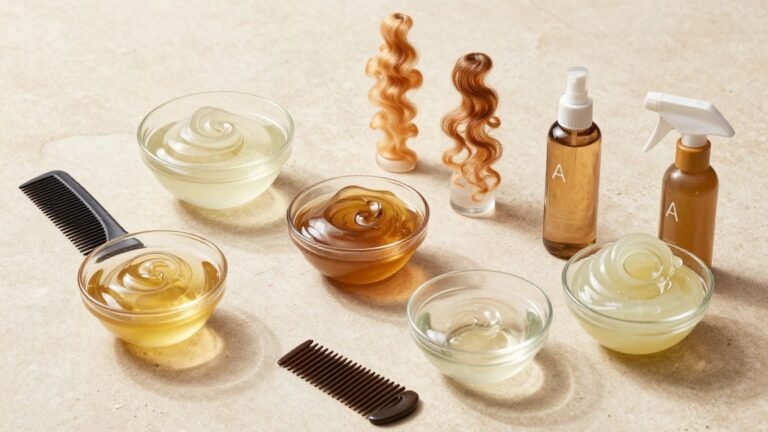
Humidity can soften a curl pattern, swell the hair, and turn careful styling into frizz. The right gel depends on the hold, finish, moisture level, and application method your curls need.
- Strong hold does not have to feel brittle or heavy.
- Apply gel to very wet, evenly distributed hair for smoother results.
- A cast is useful protection, not a sign that the style has failed.
- Fine curls often need lighter layers than dense coils.
- Weather, porosity, and styling technique matter as much as the product.
1. Ouidad Advanced Climate Control Heat & Humidity Gel for the best overall hold
A reliable anti-humidity gel should do more than make curls look defined at first. It should help protect the shape as heat and moisture rise, while leaving enough flexibility for the hair to move naturally. For many type 3 and 4 textures, that balance is the difference between a defined wash day and a style that expands too quickly.
Ouidad Advanced Climate Control Heat & Humidity Gel is described as providing a soft, crunch-free hold, definition, and help protecting curls against frizz. Its documented formula includes flexible styling polymers, wheat and soy proteins, ceramides, and Anti-Frizz Nano Technology with sericin. Those details make it a sensible starting point when you want hold without a visibly hard finish.
Use it on damp hair in sections, distributing the gel from roots through ends before scrunching or shaping. A small amount can be added where the hair loses definition first, since applying too much everywhere may make the finish feel less light. Allow the hair to dry fully before gently softening the cast, and remember that application matters just as much as hold when humidity is high.
2. Curlsmith In-Shower Style Fixer for maximum humidity resistance
Some curls need a firmer set because humid air quickly loosens their pattern. That is especially true when the hair is dense, highly porous, or prone to expanding around the crown and hairline. A strong styling product can help, but it works best when the hair is thoroughly saturated and the product is spread evenly.
Curlsmith In-Shower Style Fixer is a useful option to consider when your priority is maximum humidity resistance. Work it through soaking-wet sections rather than rubbing it over nearly dry hair, then scrunch or coil the curls into place. The wetter application helps reduce uneven patches, which can otherwise dry frizzy even when the gel itself has strong hold.
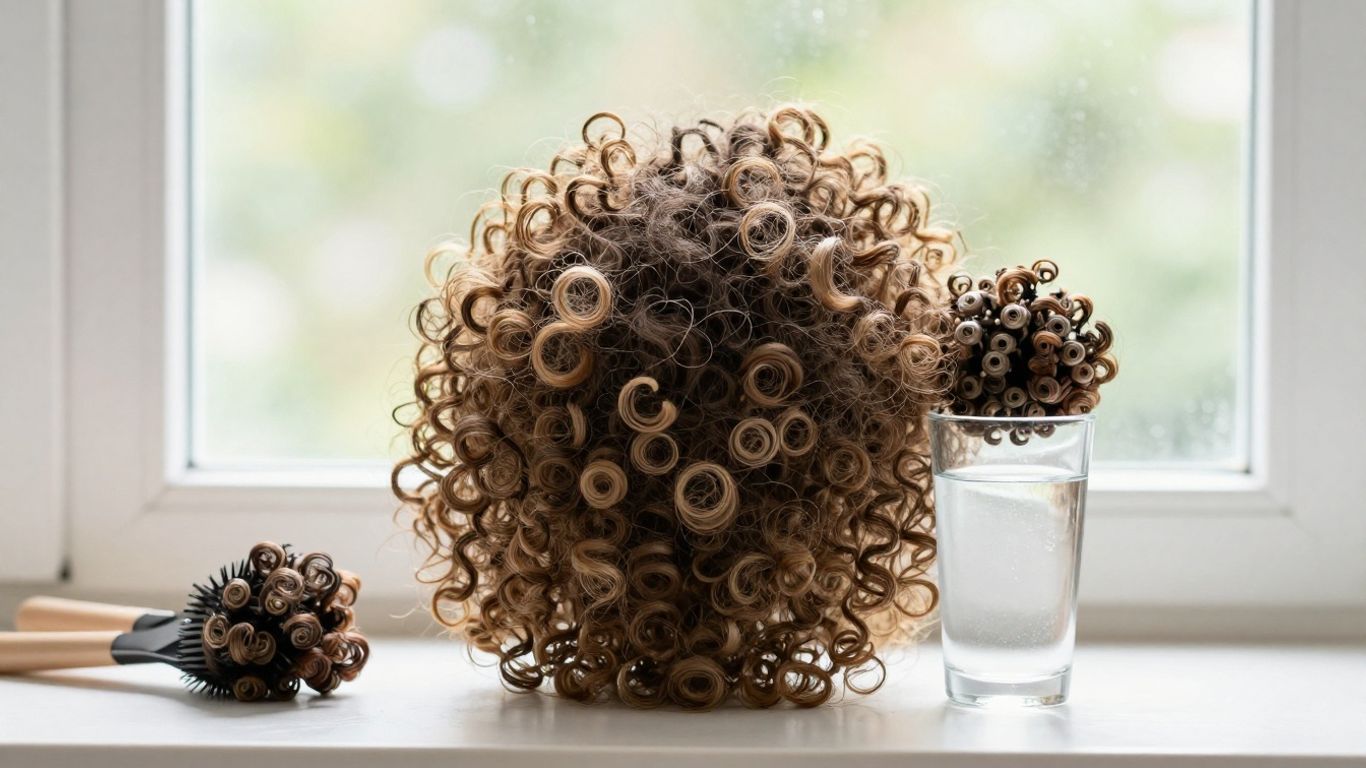
Expect a noticeable cast while the style dries. That firm layer can help keep the curl groups together, especially on a long day outside, but it should be left alone until the hair is completely dry. Once the cast is softened with dry hands, the result should feel more flexible without sacrificing the initial structure.
3. Bouclème Curl Defining Gel for soft, flexible definition
A soft finish suits curls that need shape but do not respond well to heavy layering. If your hair becomes flat, coated, or stiff easily, a flexible gel may be more comfortable than a dense, firm-hold formula. It can also work well when you prefer curls that retain movement instead of setting into a very rigid pattern.
Bouclème Curl Defining Gel fits the softer side of an anti-humidity routine, particularly for people who want definition with a more touchable feel. The brand’s humidity-focused guidance also discusses adjusting routines to weather conditions and its glycerin-free Seal + Shield collection. That makes climate awareness part of the styling decision rather than an afterthought.
Apply a moderate layer over wet curls and encourage clumps with praying-hands smoothing or gentle scrunching. If your hair is fine, begin with less product and add only where the curl pattern needs support. The finished style may not feel as firm as a maximum-hold gel, but the lighter cast can be a better match for soft, springy definition.
4. Jessicurl Spiralicious Styling Gel for long-lasting curl clumps
Long-lasting clumps begin before the gel goes in. Hair that is tangled, unevenly wet, or overloaded with conditioner may separate before the styling product has a chance to set. Detangle carefully, keep the hair wet, and then apply the gel in sections so each curl group receives similar coverage.
Jessicurl Spiralicious Styling Gel belongs on the shortlist for readers seeking durable curl clumps. Rather than chasing a perfectly uniform shape, focus on preserving the natural groups your hair forms when it is wet. That approach is often more useful for mixed curl patterns, where different areas may need different amounts of smoothing and scrunching.
Once the hair is dry, avoid pulling apart clumps too early. Friction from towels, collars, or repeated touching can disturb the set and create surface frizz before the style has finished settling. A satin bonnet or pillowcase can also help reduce overnight disruption when you want the clumps to last into the next day.
5. Innersense I Create Hold for a lightweight, flexible cast
Lightweight hold is useful when your curls need shape but your roots cannot tolerate much weight. Fine strands and looser sections may lose volume under a thick gel, even if the ends look beautifully defined. The goal is a cast that supports the pattern without making the whole style feel covered.
Innersense I Create Hold is suited to a routine built around a lightweight, flexible cast. Apply it with a light hand to wet hair, concentrating on the mid-lengths and ends if your roots flatten easily. Raking can distribute the product quickly, while smoothing each section afterward helps reduce roughness along the outer layer.
Watch how your hair behaves as it dries rather than judging the product while it is still wet. A cast may initially look flatter or firmer than the final result, particularly if the hair is very saturated. After complete drying, gently scrunch upward to restore movement, and use less product next time if the roots remain limp.
6. Kinky-Curly Original Curling Custard for high-definition coils
Coils often need enough slip and support to form clearly without being pulled apart. A custard can be helpful when you want definition through dense hair, but distribution is crucial because missed sections can dry with a noticeably different texture. Work in manageable sections and resist the temptation to rush through the crown.
Kinky-Curly Original Curling Custard is a natural fit for a high-definition coil routine. Smooth it over wet sections, then rake or shingle according to the level of detail your curl pattern needs. For tighter textures, shaping smaller sections may take longer, but it can create a more consistent result and help the product reach the inner layers.
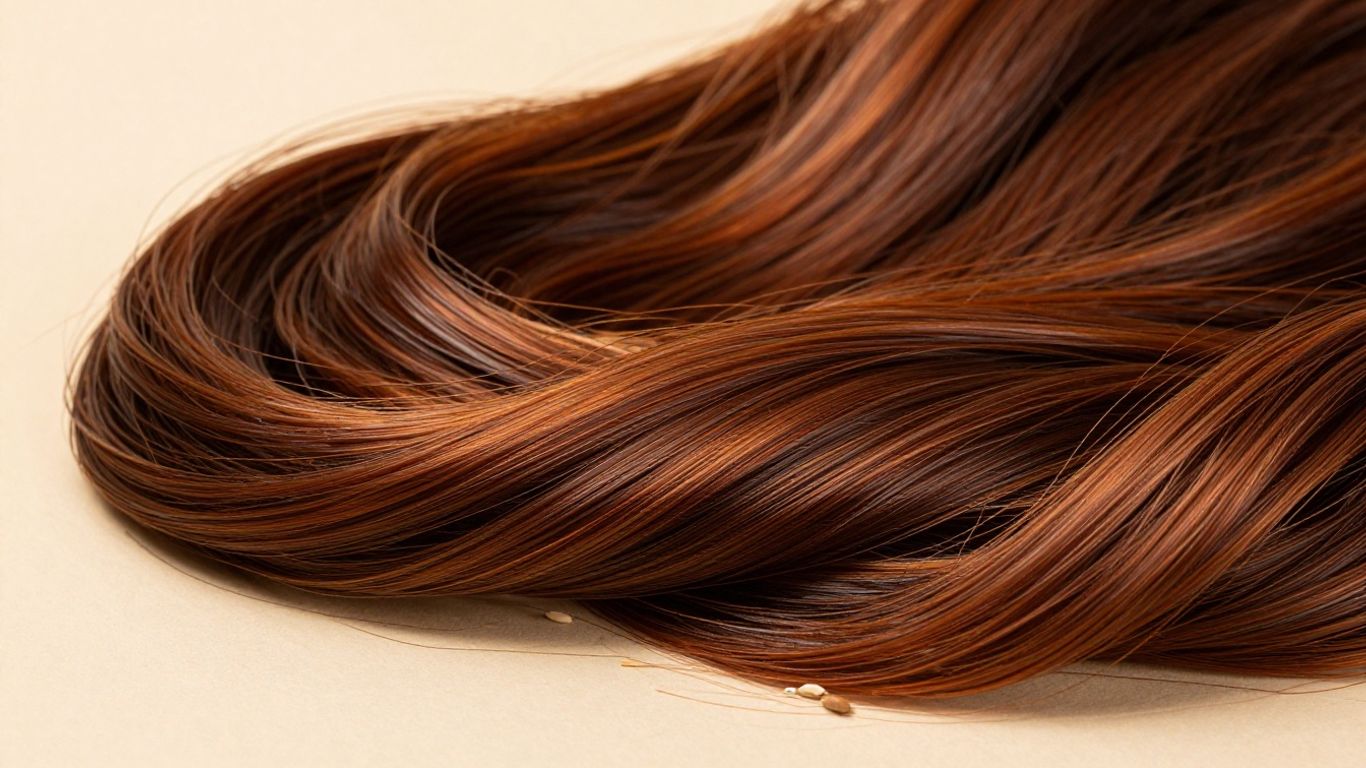
Let the hair dry completely before separating the coils. If the finish feels too firm, soften it gradually rather than brushing through the style, since aggressive manipulation can create fuzz and reduce definition. A small amount of leave-in underneath may help dry hair, but layering should be adjusted carefully so the custard does not become diluted.
7. Uncle Funky’s Daughter Curly Magic for hydration and strong curl support
Hydration and hold are not opposing goals, especially for curls and coils that feel dry before styling begins. Hair that lacks water may look frizzy even when the pattern is healthy, while a product that feels too rich can reduce lift and movement. A balanced routine starts with well-conditioned, evenly wet hair.
Uncle Funky’s Daughter Curly Magic is included in a guide to protein-free products for dry, protein-sensitive curly hair, where it is described as supporting frizz-free definition. That documented positioning makes it worth considering for readers who want curl support while avoiding protein-heavy routines. It is still wise to check the current ingredient list if you know your hair reacts to particular ingredients.
Apply the product in sections and pay attention to how the hair feels during distribution. If the curls are clumping easily, stop adding product rather than chasing extra shine. For dense textures, drying in a stretched or gently lifted arrangement can help the style retain shape without requiring constant touching.
8. Camille Rose Curl Maker for moisturized, touchable curls
Moisturized curls often have a softer appearance and a more pleasant feel, but too much conditioning product can interfere with hold. This is where order and quantity matter. Start with clean, wet hair, use only the leave-in or cream your strands actually need, and then apply the gel over that foundation.
Camille Rose Curl Maker is a reasonable choice for a moisturized, touchable styling approach. It may appeal to people who dislike a dry or overly rigid finish and want the curls to remain soft after the cast is softened. As with any richer styling routine, finer hair may need a smaller amount than dense or highly porous hair.
The following quick comparison can help you choose how to adjust the routine rather than simply adding more product.
| Hair situation | Helpful adjustment | What to watch for |
|---|---|---|
| Fine or easily weighed-down curls | Use a light layer on very wet hair | Flat roots or slow drying |
| Dense coils | Work in smaller sections | Missed inner layers |
| Dry, porous hair | Add moisture before gel | A soft style with little hold |
| High humidity | Allow a full cast to form | Frizz from touching too soon |
After the table, the practical takeaway is simple: match the amount of moisture and gel to the strand, not just the curl pattern. A dense 3B section and a fine 3B section may need completely different quantities. Give the style a full dry-down before deciding whether the formula is truly too firm or too soft.
9. Aunt Jackie’s Don’t Shrink Flaxseed Elongating Curling Gel for stretched definition
Stretched definition is useful when you want curls and coils to look elongated rather than tightly contracted. The technique can preserve visible texture while creating a little more length and easier access to the roots. It is particularly practical for styles where excessive shrinkage makes the hair feel difficult to shape or maintain.
Aunt Jackie’s Don’t Shrink Flaxseed Elongating Curling Gel is designed around that elongating styling idea. Apply it to sections, smoothing downward before gently scrunching or twisting the ends. Avoid pulling so firmly that the natural pattern disappears; the aim is controlled stretch, not a straightened finish.
For a more even result, keep the section sizes fairly consistent and dry the hair in the direction you want it to sit. Pinning or lightly banding selected areas can add stretch, but excessive tension is unnecessary and may make the style uncomfortable. Refresh the ends with a little water rather than layering a large amount of gel over dry hair.
10. Mielle Organics Brazilian Curly Cocktail Curl Mousse for lightweight anti-humidity styling
Mousse can be a better fit than gel when volume and lightness matter most. It usually feels less substantial on the hair, which can help looser curls, fine strands, and layered styles keep their bounce. The trade-off is that lightweight styling may need more careful drying and refreshing than a firm gel cast.
Mielle Organics Brazilian Curly Cocktail Curl Mousse suits a lightweight anti-humidity styling plan. Readers comparing the two formats may find this gel versus mousse guide useful when deciding whether they want stronger structure or a more airy finish. Use mousse on wet, sectioned hair and scrunch upward, giving the roots room to dry without being pressed flat.
If the weather is especially damp, pair the lighter application with low manipulation and a complete dry-down. A diffuser on a gentle setting can help shorten drying time while preserving shape; avoid repeatedly lifting and rearranging curls as they set. For broader humidity planning, this humidity and frizz guide offers another way to think about protective routines beyond choosing a single styler.
There are a few simple habits that make a lightweight product more dependable:
- Apply it evenly instead of concentrating everything on the outer layer.
- Use enough water to help the curls group before styling.
- Dry the roots and lengths fully before touching the hair.
- Refresh with misted water before adding more product.
Those steps keep the mousse from having to compensate for uneven application or excessive handling. If your hair still expands quickly, move toward a stronger cast on the areas that need it most rather than abandoning volume everywhere.
The wider routine matters, too. Readers can explore mixed curl care guidance, while a discussion of dew points and humidity can help explain why the same formula behaves differently from one day to the next. Even practical reading outside hair care can sit alongside a personal care routine: top DBS check questions, mental health affiliations, cookie consent information, pregnancy skincare advice, and text-to-speech alternatives are separate resources, but each reflects the value of clear, accessible guidance.
Conclusion
The best anti humidity gel for curly hair is the one that matches your texture, desired finish, and tolerance for cast or weight. Start with wet, well-prepped hair, use a measured amount, and let the style dry completely before judging it. With a little adjustment for weather and porosity, strong hold can still feel flexible, soft, and genuinely wearable.
Frequently Asked Questions
What makes humidity difficult for curly hair?
Humid air can add moisture to the hair, causing strands to swell and curl groups to separate. The result may be extra volume, fuzz, or a looser-looking pattern, especially when the hair is porous or already dry.
Should anti-humidity gel be applied to wet or dry hair?
Most curl routines work best when gel is applied to wet or very damp hair. Water helps distribute the product, encourages clumping, and can reduce the roughness that appears when gel is dragged across nearly dry strands.
Does a hard cast mean the gel is too strong?
Not necessarily. A cast is the temporary layer formed as the product dries, and it can help protect definition. Once the hair is fully dry, gently scrunching can soften that layer and reveal a more flexible finish.
How much gel should be used on thick curls?
Begin with sections and a moderate amount, then add product only where coverage is missing. Thick hair may need more overall product, but applying a large quantity at once can create buildup and slow drying.
Can fine curls use strong-hold products?
Yes, but fine curls often need less product and more attention to the roots. Apply a light layer, keep heavier products away from the scalp, and assess the finished volume only after the hair is completely dry.
How can curls stay defined overnight?
Allow the style to dry fully, then loosely gather the hair or protect it with a satin bonnet or pillowcase. In the morning, refresh with a little water before adding more styler, since dry layering can make the hair feel coated.
How should a curl routine change in very humid weather?
Use smaller sections, distribute product evenly, avoid touching the hair while it dries, and allow a complete cast to form. You may also prefer a firmer hold or fewer humectant-heavy layers when the air is exceptionally damp.