Key Takeaways
Olive skin can sit between warm, cool, and neutral, so the most flattering bronzer depends on both undertone and finish. These picks cover creams, powders, sticks, liquids, matte textures, and softly luminous formulas.
- Look for balanced warmth rather than strongly orange tones.
- Cream and liquid textures can create a sheer, skinlike effect.
- Powder formulas offer more control over placement and intensity.
- Matte, satin, and luminous finishes create different kinds of dimension.
- Test bronzer in natural light before committing to a full-face application.
1. Best overall: Saie Sun Melt Natural Cream Bronzer
A good everyday bronzer should add believable warmth without making the complexion look heavily powdered. For olive skin, that usually means choosing a shade that does not pull too orange or too gray. A cream texture can be especially forgiving because it is easier to sheer out as you apply it.
Use a small amount first, placing it where sunlight would naturally touch the face: the upper cheekbones, temples, and lightly along the bridge of the nose. A brush with flexible bristles will diffuse the edges, while fingers can press away excess. The goal is a gradual veil of warmth rather than a hard stripe.
This is the kind of formula to consider when you want one dependable option for everyday makeup. Pair it with a softly matched blush, and keep the rest of the base light so the warmth does not become muddy. If you are still learning your undertone, this approachable cream format gives you room to adjust.
2. Best bronzer stick: Rare Beauty Warm Wishes Effortless Bronzer Stick
A bronzer stick is useful when speed matters, but direct application can deposit more product than intended. Olive skin often looks most natural when the first layer is thin, so swipe lightly and build only where you want more depth. A brush or sponge can soften the edges without disturbing the base underneath.
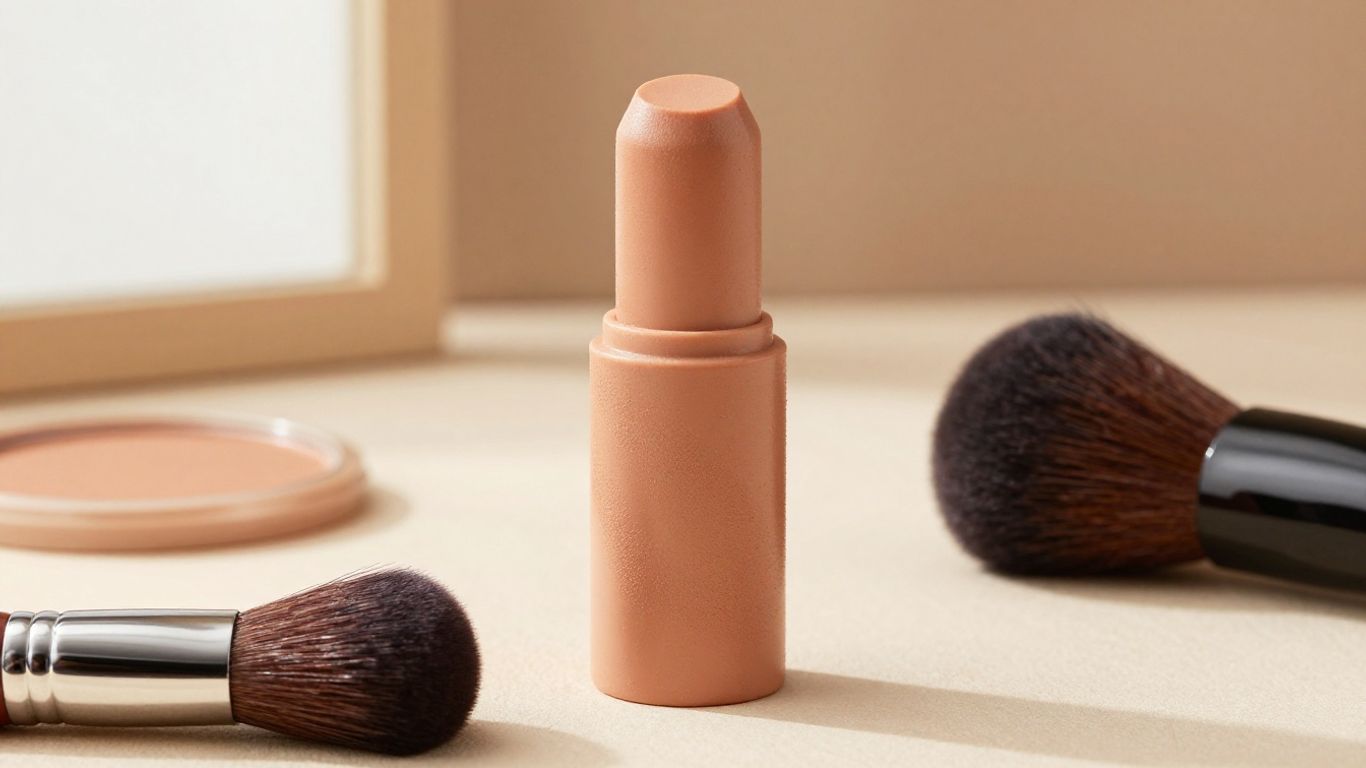
The stick format also makes placement simple: apply near the perimeter of the face, then blend inward rather than dragging color toward the center. This keeps the complexion dimensional and avoids a broad, heavy band across the cheeks. A neutral or slightly muted shade is generally easier to work with than one that is intensely golden.
For a practical routine, use the stick after foundation or on bare skin, depending on how much coverage you prefer. The product can also be kept in a small makeup bag for quick touch-ups, although a mirror and clean blending tool still help keep the finish even.
3. Best powder bronzer: Fenty Beauty Sun Stalk’r Instant Warmth Bronzer
Powder bronzer is a strong choice when you want clear control over intensity. It is easy to pick up a small amount, tap off the excess, and build color in thin layers. That makes the format useful for olive complexions, where too much warmth at once can look orange or muddy.
Before reaching for the powder, finish any cream products and allow them a moment to settle. Then use a medium, fluffy brush to sweep color over the high points of the face. For a more polished result, these application habits help:
- Tap off excess before touching the brush to skin.
- Start at the outer cheek and blend toward the hairline.
- Use a smaller brush around the nose and jaw.
- Check both sides of the face in daylight.
The finish should look like a soft change in depth, not a separate layer sitting on top of the complexion. Powder also works well when you want to reinforce cream bronzer, but keeping both layers sheer prevents the result from becoming dense.
4. Best for a natural finish: Makeup by Mario SoftSculpt Transforming Skin Enhancer
A natural finish is less about being completely bare and more about letting the skin remain visible. A sheer, gel-like cream can help create that effect because it gives you the option to build color without an immediately heavy appearance. This approach suits olive skin particularly well when the aim is everyday warmth rather than obvious contour.
Apply the product with a brush that spreads rather than packs on pigment. Focus first on the temples and upper cheeks, then use whatever remains on the brush across the forehead and chin. The result should connect the face to the neck without creating a sharp border.
This kind of bronzer is also a useful bridge between minimal makeup and a fuller base. It can sit comfortably with a little concealer, cream blush, or a tinted complexion product. For more guidance on matching complexion products, this olive undertone skincare guide offers a helpful reminder that undertone and overall skin needs are separate decisions.
5. Best for a luminous look: Hourglass Ambient Lighting Bronzer
Luminous bronzer can make olive skin look fresh, but the distinction between radiance and visible sparkle matters. A softly reflective finish tends to look more natural than large shimmer particles, especially when applied across the cheeks and forehead. Keep the highlighter placement separate if you want the bronzer to remain subtle.
Use a larger brush and a light hand, concentrating the color where the face naturally rounds outward. If your skin is textured, pressing the product on with a smaller amount can look smoother than repeated sweeping. The complexion should catch light gently when you turn your head.
Luminous bronzer is particularly attractive for evening makeup or whenever the rest of the base is softly dewy. Balance it with a less reflective blush and avoid layering glow everywhere at once. That restraint lets the bronzer provide warmth while the skin still looks like skin.
6. Best shade range: NARS Laguna Bronzing Powder
Shade choice is often the hardest part of shopping for the best bronzer for olive skin. Olive undertones can appear more golden in one light and more muted or green-leaning in another, so a bronzer that looks right online may behave differently in person. Look for depth that is close to your complexion and warmth that can be built gradually.
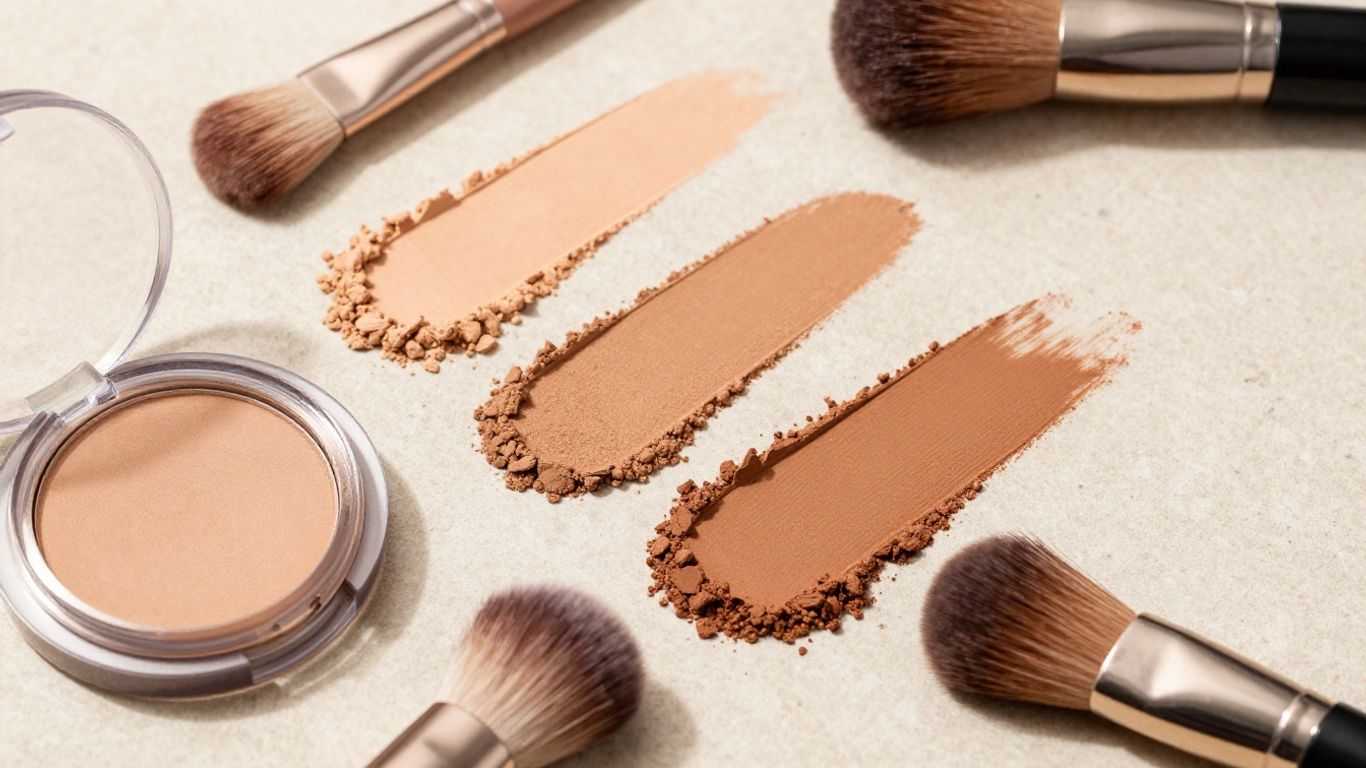
A shade range is most useful when you can compare undertone as well as depth. This quick framework can make the decision less abstract:
| Skin depth | Starting direction | What to watch for |
|---|---|---|
| Light to light-medium | Soft beige, neutral tan | Excessive orange warmth |
| Medium to tan | Muted golden or caramel | Grayness from overly cool tones |
| Deep to rich | Balanced bronze with enough depth | A pale, ashy veil |
Swatch along the cheek or jaw rather than only on the hand, then step near a window. The best match should blend into the surrounding skin while still adding visible warmth. If the shade disappears completely, it may be too close to your base; if it announces itself first, it may need a softer undertone or lighter application.
7. Best matte bronzer: Benefit Hoola Matte Bronzer
Matte bronzer is ideal when you want definition without extra sheen. It can also be helpful for oily or combination skin, though the finish should not be confused with a dry, flat complexion. A thin layer over well-prepped skin usually looks more natural than trying to cover the face in powder.
Apply matte bronzer after setting only the areas that genuinely need it. Use a fluffy brush across the temples and cheekbones, and reserve the smallest amount for the nose. Because matte products show edges more clearly, blend toward clean skin instead of stopping at a visible line.
If the result looks muddy, the issue may be placement or excess product rather than the finish itself. Wipe the brush once on a clean tissue, soften the outer edge, and add a touch of translucent powder only where needed. Matte texture rewards patience and small adjustments.
8. Best luxury pick: Gucci Poudre de Beauté Éclat Soleil Bronzing Powder
A luxury bronzer can be appealing when the compact, texture, and overall ritual matter as much as the color. Still, the same undertone rules apply: olive skin usually benefits from warmth that looks balanced rather than strongly yellow or red. A beautiful package cannot compensate for a shade that clashes with the complexion.
For a refined application, use a soft brush and begin with less product than you think you need. Sweep across the face in a loose three-shape, then blur the edges around the hairline and jaw. Keep the center of the face relatively clear so the warmth reads as dimension.
This category makes sense for someone who enjoys a considered makeup routine and wants a product that feels special to use. It is less about needing a complicated technique and more about choosing a finish that fits your habits. If you prefer quick, low-maintenance makeup, a simpler cream or stick may be the better match.
9. Best cream-to-powder formula: RMS Beauty ReDimension Hydra Bronzer
Cream-to-powder formulas sit between the flexibility of a cream and the set-down feel of a powder. They can be useful when you want a fresh first impression but prefer the finished makeup to feel less mobile. On olive skin, that balance may help create warmth without a thick layer.
Press the product onto the cheek and blend the perimeter with a clean brush. Avoid repeatedly rubbing the same area, especially if you have already applied complexion makeup beneath it. One thin layer can be enough for daytime, while a second pass adds more definition for a fuller look.
The key is to judge the color after it has settled rather than immediately adding more. Cream textures can look understated at first and deepen as they blend with the base. Give the formula a moment, then decide whether the cheeks, temples, or jaw need another small touch.
10. Best liquid bronzer: Drunk Elephant D-Bronzi Anti-Pollution Sunshine Drops
Liquid bronzer gives you several ways to customize warmth. You can mix a small amount into complexion makeup, press it over the cheeks, or sheer it out with moisturizer when you want a lighter effect. The most reliable approach for olive skin is to begin with very little and assess the tone before adding more.
Liquids work best when the base underneath is smooth and lightly set, not coated in excess powder. Use fingers for a sheer wash or a damp sponge for more controlled diffusion. Keep the product away from areas where it may gather, such as dry patches around the nose.
The finish can be adjusted through application rather than forcing one look. Mix it for an all-over hint of warmth, apply it selectively for dimension, or layer it beneath powder when you want extra staying power. For more ideas on wearable bronzing, this guide to cream and liquid bronzers is a useful companion.
Conclusion
The best bronzer for olive skin is the one whose depth, undertone, texture, and finish work together with your routine. Start with a thin layer, check the color in natural light, and build slowly until the warmth looks like part of your complexion rather than makeup placed on top.
Frequently Asked Questions
What undertone should bronzer have for olive skin?
A balanced neutral, muted golden, or softly caramel undertone is often easier to wear than a strongly orange shade. The right choice also depends on your skin depth and whether you want warmth or definition.
How can I stop bronzer from looking orange?
Apply less product, choose a more muted shade, and test it along the cheek or jaw in natural light. A cooler or more neutral option may look more believable than an intensely warm one.
Is cream or powder bronzer better for olive skin?
Neither texture is universally better. Creams and liquids are easy to sheer out, while powders offer precise control and can be useful for layering or setting the look.
Where should bronzer go on the face?
Start around the temples, upper cheekbones, and lightly along the forehead or jaw. Keep the application gradual and blend toward the hairline so there are no obvious edges.
Can olive skin wear matte bronzer?
Yes. Matte bronzer can create natural-looking depth without adding shine, especially when applied in a thin layer and blended thoroughly.
How do I choose a bronzer shade online?
Compare the shade’s depth and undertone with your complexion, and look for swatches in daylight when possible. Reviews and product photos can help, but they should not replace testing the color on your own skin.
Should bronzer match my foundation exactly?
No. Bronzer is meant to add warmth and dimension, so it can be deeper than your foundation. It should still blend naturally with the face, neck, and other complexion products.