So, you want to get that authentic Indian Look? It’s not just about throwing on a colorful outfit; there’s a whole lot more to it. Think rich fabrics, intricate details, and styles that have been around for ages but still look totally fresh. Whether you’re heading to a big event or just want to add some flair to your daily wear, understanding the basics of Indian ethnic fashion is key. We’ll break down the different garments, the materials they’re made from, and how to put it all together so you feel great.
Key Takeaways
- The Indian look is built on traditional garments like sarees, salwar kameez, lehengas for women, and kurtas or sherwanis for men, each with distinct silhouettes.
- Fabrics range from luxurious silks to comfortable cottons, often adorned with detailed embroidery like Zari or mirror work, with regional styles adding unique flair.
- Colors play a big role, with lighter shades for day and richer tones for festivities, while prints can be used strategically to make a statement.
- Accessories are vital, including traditional jewelry, specific footwear like juttis, and charming potli bags to complete the look.
- Modern Indian fashion embraces fusion, blending ethnic pieces with Western wear for contemporary styles, and increasingly focuses on comfort and sustainable fabrics.
Understanding the Core Elements of the Indian Look
So, you want to get that authentic Indian look down, huh? It’s not just about throwing on a colorful outfit; there’s a whole history and structure to it. Think of it like building a house – you need a solid foundation before you start decorating. The core elements are what make Indian ethnic wear so distinct and recognizable, whether it’s for a big wedding or just a casual day out.
The Foundation of Indian Ethnic Wear
At its heart, Indian ethnic wear is about garments that have been part of the culture for ages. For women, the big players are the saree, the salwar kameez, and the lehenga. For men, it’s usually the kurta-pajama, sherwani, or dhoti. These aren’t just clothes; they carry stories and traditions. They often come with bright colors, detailed work, and fabrics that feel special. Understanding these basics is key to picking out what feels right for you and the occasion. It’s about respecting the heritage while still looking good.
Exploring Traditional Silhouettes
When we talk about silhouettes, we’re basically talking about the shape of the garment. India has a bunch of really cool ones that have been around forever. You’ve got the saree, which is this amazing long piece of fabric draped in so many ways. Then there’s the salwar kameez, which is a tunic with pants and usually a scarf. And the lehenga, a skirt with a top and scarf, often seen at weddings. Each shape has its own vibe and works differently depending on the fabric and how it’s worn. It’s fascinating how these shapes have stayed popular for so long, and you can find out more about traditional Indian silhouettes.
Key Garments for Women and Men
Let’s break down some of the main pieces you’ll see:
- For Women:
- For Men:
Choosing the right garment isn’t just about fashion; it’s about understanding the context and the cultural significance tied to each piece. It’s a way to connect with history and express personal style simultaneously.
These garments are the building blocks of the Indian look. Knowing them helps you appreciate the diversity and richness of Indian ethnic wear styles. It’s a journey into a world of beautiful textiles and timeless designs.
Fabrics, Embellishments, and Regional Artistry
The soul of any Indian outfit lies in its fabric, the way it’s decorated, and the story it tells from a specific region. It’s not just about looking good; it’s about wearing a piece of history and artistry.
Popular Indian Fabrics and Their Uses
India has a stunning variety of textiles, each with its own feel and purpose. You’ve got your luxurious silks, like the famous Banarasi and Kanjeevaram, which drape beautifully and are perfect for weddings or special events. Then there are the breathable cottons, such as Chanderi and Kota, which are fantastic for everyday wear, especially in warmer weather. For something a bit more dramatic, velvet makes an appearance in heavier, more formal attire. Lighter options like georgette and chiffon offer a flowy, elegant look, often seen in sarees and lehengas.
Intricate Embroidery and Decorative Techniques
What really makes Indian clothing pop is the incredible detail in its embellishments. Think Zari work, which uses metallic threads to create shimmering patterns, or the vibrant mirror work often found in Gujarati and Rajasthani outfits. Resham (silk thread) embroidery brings colorful, detailed designs to life, while techniques like Kantha from Bengal use simple running stitches to create beautiful narratives. For truly opulent pieces, Zardozi, a heavy metallic embroidery, adds a regal touch. Generally, the more intricate the work, the more formal the garment tends to be.
Celebrating Regional Textile Traditions
India’s textile heritage is incredibly diverse, with each region boasting unique styles. In Gujarat and Rajasthan, you’ll find bright bandhani (tie-dye) and lehengas adorned with mirror work. Bengal is known for its light cottons like Tant and Jamdani, often featuring simple white and red borders for festive occasions. South India is synonymous with the rich Kanjeevaram and Mysore silks, characterized by broad gold borders. And in Punjab and Haryana, Phulkari embroidery, with its floral motifs, is a signature on salwar kameez and dupattas. Understanding these regional specialties helps you choose an outfit that’s not only beautiful but also culturally authentic. It’s amazing how these traditions are kept alive, and you can see this artistry reflected in modern fashion too, like the beautiful Phulkari embroidery.
The choice of fabric and the craftsmanship involved play a crucial role in the design of traditional Indian attire. Different regions are known for their unique textiles and crafts, which influence the designs. These regional crafts, like mirror work from Gujarat or Bandhani tie-dye from Rajasthan, add a touch of local charm and artistry.
When selecting an outfit, consider the climate and the occasion. A heavy silk might be stunning for a winter wedding but uncomfortable for a summer daytime event. Conversely, a light cotton kurta is perfect for daily wear but might not feel special enough for a grand celebration. Balancing comfort with aesthetics is key to truly mastering the Indian look.
Color Palettes and Print Sensibilities
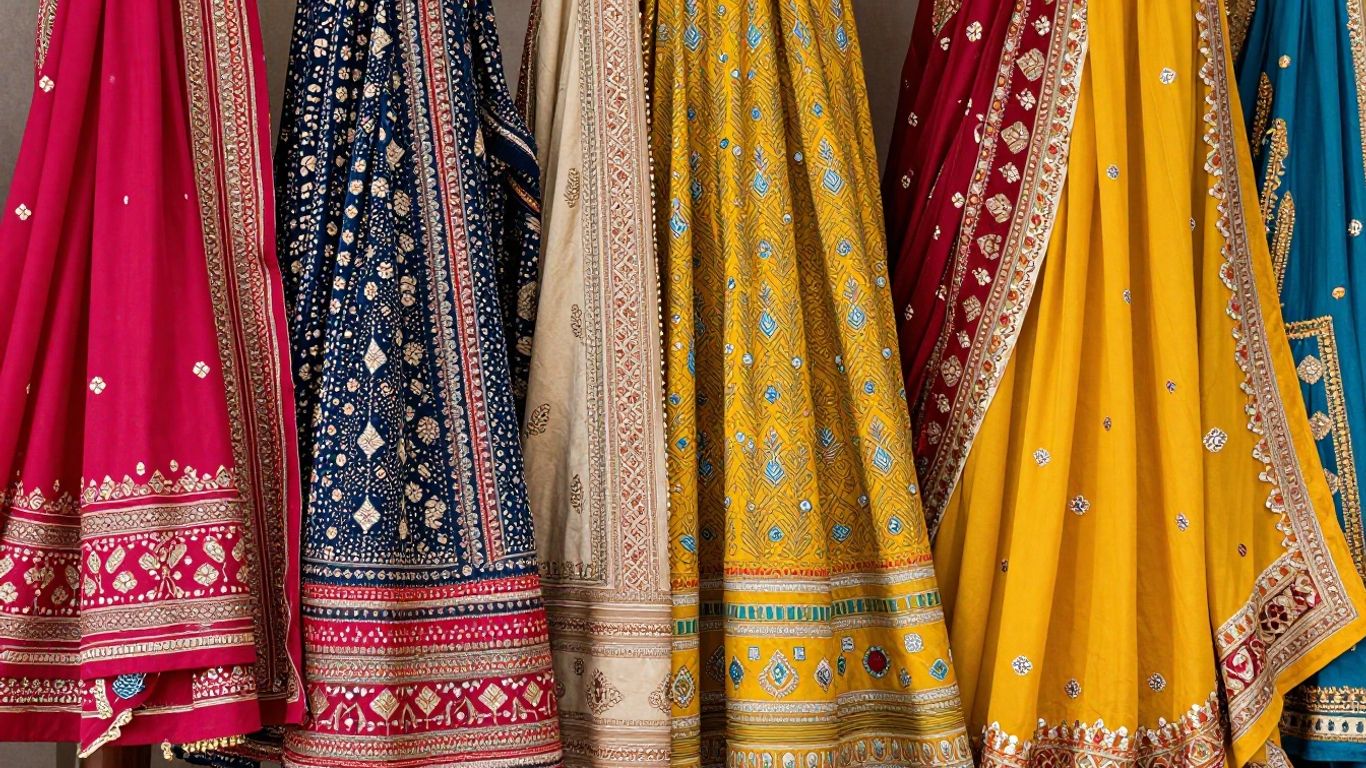
Choosing the right colors and prints is like picking the perfect spices for a dish – it can totally transform the whole experience. It’s not just about looking good; it’s about how the colors make you feel and what they say about the occasion.
Daytime vs. Festive Color Choices
For everyday wear, think lighter, softer shades. Pastels like mint green, dusty rose, or a gentle lemon yellow are great for daytime. They feel airy and are easy on the eyes, perfect for casual outings or running errands. These colors often work well with simpler fabrics and less elaborate designs. You can find some really lovely salwar suit color combinations that lean towards these lighter tones for daily wear.
When it comes to festivals or special events, though, we often reach for richer, more vibrant colors. Jewel tones such as deep emerald, ruby red, sapphire blue, or amethyst purple really pop. These colors have a certain depth and luxury that suits celebratory moods. Think about how a deep maroon or a bright fuchsia can instantly make an outfit feel more festive. It’s all about creating a visual impact that matches the energy of the occasion.
Strategic Use of Prints and Patterns
Prints are another way to add personality. For daily wear, smaller, repeating patterns like paisleys or delicate florals are usually a safe bet. They add interest without being too loud. Think about a simple cotton kurta with a subtle block print – it’s classic and comfortable.
Larger, bolder prints, on the other hand, are fantastic for making a statement. These might be graphic designs, elaborate floral motifs, or even abstract patterns. They work best when they are the main focus of the outfit, perhaps on a lehenga or a special occasion saree. Mixing patterns can be tricky, but if you do it right, it looks amazing. The trick is to have one dominant print and then a more subdued one to go with it. This keeps things interesting without looking chaotic. You can explore some great color pairings for salwar suits that incorporate different print styles.
Harmonizing Color and Print in Ensembles
Putting it all together is where the magic happens. You want your colors and prints to work together, not against each other. If you have a very busy print, it’s often best to pair it with a solid, complementary color. For example, a vibrant floral lehenga might look stunning with a simple, solid-colored blouse and dupatta.
Conversely, if your outfit is a solid, bold color, you can play with a printed dupatta or blouse to add some flair. It’s about balance. Consider the overall mood you want to create. A monochromatic look, where different shades of the same color are used, can be very sophisticated. Or, you might go for a contrasting look, using complementary colors to make each element stand out.
The interplay of color and print is what gives Indian ethnic wear its unique character. It’s a language of its own, speaking of tradition, celebration, and personal style. Understanding how to wield these elements allows you to create looks that are both authentic and uniquely you.
When selecting colors and prints, it’s also helpful to think about the fabric. A rich silk will take colors and prints differently than a light cotton or a flowy georgette. The fabric itself has a texture and sheen that will influence how the color and pattern appear. So, always consider the material when you’re planning your ensemble.
Accessorizing to Enhance Your Indian Look
So, you’ve got the outfit down – maybe a stunning saree or a sharp kurta set. But what really pulls an Indian look together? It’s all about the details, the little things that make a big difference. Think of accessories as the exclamation point on your style statement.
Essential Traditional Jewelry
Jewelry is practically an art form in Indian culture, and it’s where you can really express yourself. For those grander occasions, like weddings or festivals, you can’t go wrong with something like Kundan or Polki sets. They just have this timeless elegance that pairs beautifully with silk sarees or heavy lehengas. If you’re going for a lighter, more casual vibe, or perhaps a modern twist on a traditional outfit, consider oxidized silver pieces or even some delicate gold chains. The key is to match the jewelry’s intensity to your outfit’s. A simple cotton kurta might look best with a single statement earring or a delicate pendant, while a heavily embroidered lehenga can handle a full, ornate set. Don’t be afraid to mix and match, but always keep a sense of balance. You can explore a wide range of handcrafted Indian jewelry online to find pieces that speak to you Tarinika offers a curated collection.
Choosing Authentic Footwear
Footwear might seem minor, but it grounds your entire look. For that truly authentic feel, traditional mojaris or juttis are fantastic. They come in so many colors and designs, often with intricate embroidery or embellishments that can really complement your outfit. They’re surprisingly comfortable too, once you break them in. If you’re aiming for a more formal event and want a bit of height, elegant heels or wedges can work, especially with longer outfits like anarkalis or flowing lehengas. Just make sure they don’t clash with the overall aesthetic. Sometimes, a simple, embellished flat sandal is all you need.
Complementary Handbags and Potlis
When it comes to carrying your essentials, a traditional potli bag or an embellished clutch is the way to go. Potlis, those cute little drawstring bags, are incredibly charming and come in fabrics and designs that perfectly match ethnic wear. They add a touch of whimsy and tradition. For something a bit more structured, an embroidered clutch can be just as effective. The goal here is to pick something that echoes the colors or embellishments of your outfit, creating a cohesive and polished appearance. It’s these thoughtful touches that truly complete the Indian look, showing you’ve paid attention to every detail.
Grooming is also a big part of presenting yourself well. It’s not just about looking good, but feeling good too. Taking care of yourself, from your hair to your skin, adds another layer to your overall presentation and confidence when you step out in your traditional attire. It’s about self-care and cultural expression all rolled into one.
Embracing Modern Fusion in Indian Style
Indian fashion is really having a moment, and a big part of that is how designers and everyday people are mixing traditional Indian pieces with modern styles. It’s not about ditching the old ways, but about giving them a fresh, new life. This fusion approach lets us celebrate our heritage while still looking totally current.
Contemporary Twists on Classic Sarees
The saree, that iconic garment, is getting a serious makeover. Forget the complicated draping of the past; we’re seeing pre-stitched sarees that are super easy to wear. Ruffle drapes add a playful, modern touch, and adding a belt can completely change the look, cinching the waist and giving it a more structured feel. Designers are also playing with fabrics, using lighter materials like organza and georgette alongside traditional silks. This makes the saree feel more accessible and chic for everyday wear or less formal events. Pairing a gorgeous saree with a modern blouse – think halter necks or puff sleeves – is another way to nail this trend. It’s a great way to keep the elegance of the saree but make it feel totally new.
Blending Lehenga Skirts with Western Elements
Lehenga skirts, usually reserved for weddings and big celebrations, are now being styled in ways that are surprisingly versatile. Imagine pairing a heavily embroidered lehenga skirt with a crisp white shirt or a chic blazer. It’s an unexpected combination that totally works, blending the richness of Indian craftsmanship with Western tailoring. This look is perfect for making a statement at a party or even a more formal gathering. It shows how you can take a traditional piece and give it a completely different vibe, making it suitable for a wider range of occasions. You can find some amazing Indian dresses for women that incorporate these fusion ideas.
Everyday Fusion with Kurtas and Trousers
This is where fusion really shines for daily wear. Kurtas have always been comfortable, but now they’re being paired with everything from tailored trousers to stylish culottes. Think of a simple cotton kurta worn with well-fitting cigarette pants, or a longer, flowy tunic over wide-leg palazzo pants. These outfits are comfortable, practical, and effortlessly stylish. They’re perfect for work, running errands, or meeting friends for coffee. The key is to balance the ethnic feel of the kurta with more contemporary bottoms. It’s about creating looks that are easy to wear but still have that distinct Indian flair. This approach to Indian fusion wear is all about making traditional clothing work for a modern lifestyle.
Comfort and Sustainability in Ethnic Fashion
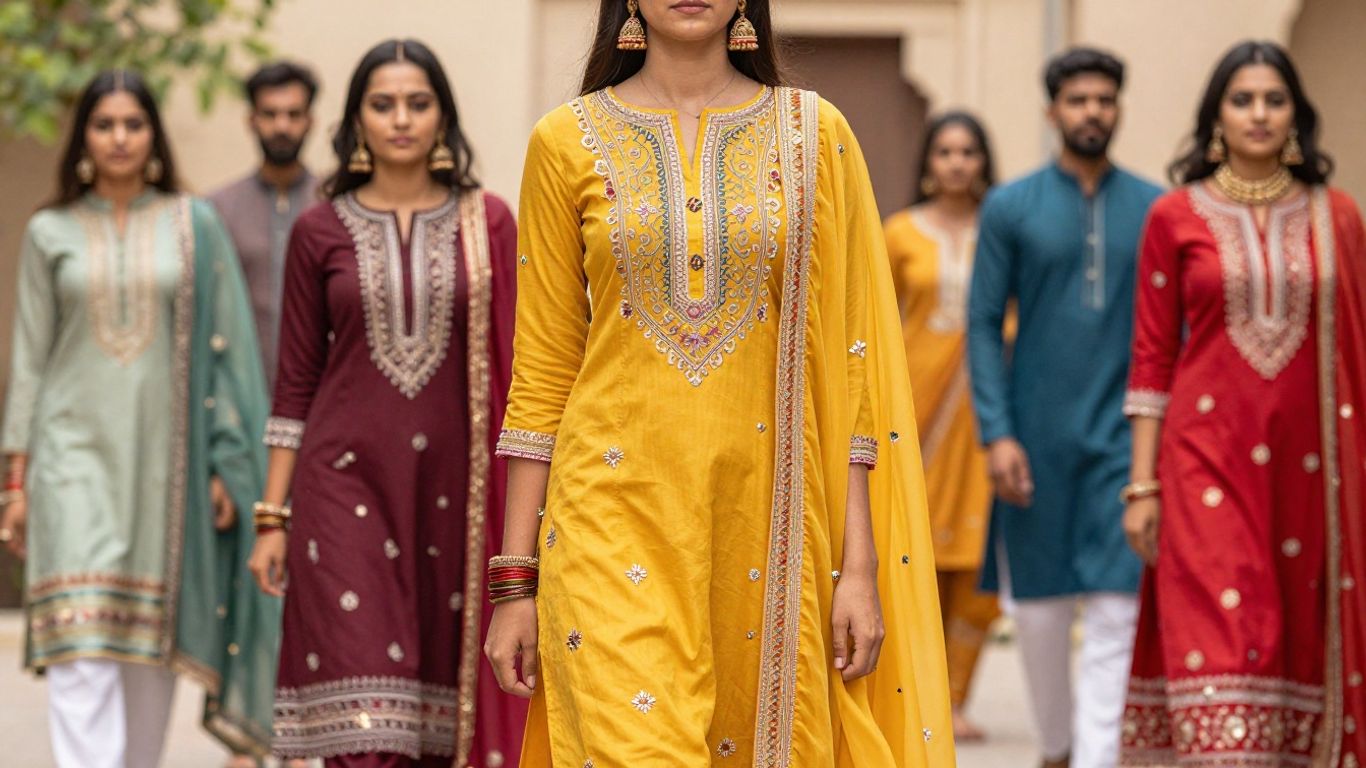
These days, it feels like everyone’s talking about being more mindful about what we wear, and that’s totally true for Indian fashion too. It’s not just about looking good anymore; it’s about feeling good and doing good for the planet. We’re seeing a big shift towards clothes that are comfy enough for everyday wear but also made with the environment in mind. It’s a pretty cool change, honestly.
The Rise of Eco-Friendly Fabrics
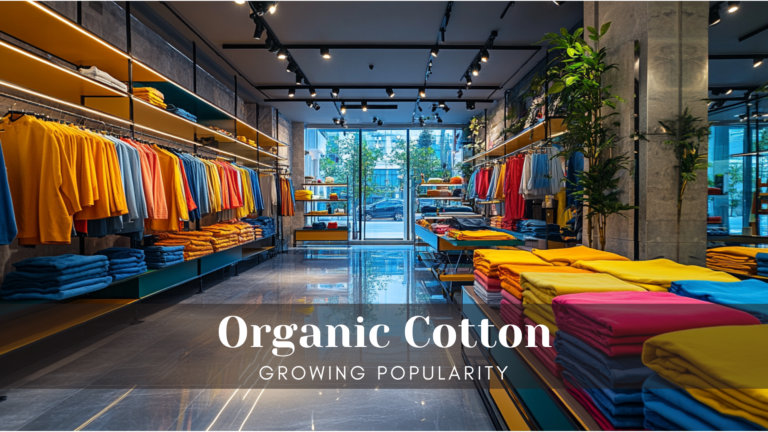
Forget those scratchy synthetics. The real stars now are natural fibers. Think organic cotton, which is super soft and breathable, or linen blends that keep you cool even when it’s warm out. Handloom textiles are also making a huge comeback. These aren’t just fabrics; they’re pieces of art, often made by skilled artisans using traditional methods. Choosing these materials means you’re supporting a more sustainable way of making clothes and often getting a higher quality garment that feels amazing against your skin. You can find some beautiful options for eco-friendly fabrics that are perfect for creating a conscious wardrobe.
Everyday Comfort in Ethnic Silhouettes
Who says ethnic wear has to be complicated? The trend now is all about easy-to-wear pieces that don’t sacrifice style. Loose kurtas, flowy kaftans, and comfortable co-ord sets are everywhere. These are perfect for just about anything – running errands, heading to work, or just lounging at home. They offer a relaxed fit that allows for plenty of movement, which is a big plus. Pairing a simple cotton kurta with some comfortable trousers or even leggings makes for an outfit that’s both chic and practical for daily life.
Caring for Your Heritage Attire
So, you’ve got these beautiful Indian outfits. How do you keep them looking great for years to come? It’s not as hard as you might think. For delicate fabrics like silk or heavily embroidered pieces, professional dry cleaning is usually the way to go. For everyday wear, a gentle hand wash might be enough. It’s also a good idea to store your special garments properly. Think breathable garment bags, not plastic ones, and avoid folding them too tightly for long periods. This simple care can make a big difference in preserving the fabric and the intricate details.
Taking care of your ethnic wear is an investment in its longevity and a nod to the craftsmanship involved. It’s about respecting the garment and the traditions it represents, ensuring it remains a cherished part of your wardrobe for a long time.
Here’s a quick rundown on fabric choices:
- Organic Cotton: Soft, breathable, and kind to the skin.
- Linen Blends: Lightweight and excellent for warmer climates.
- Handloom Textiles: Unique textures and support for artisan communities.
- Recycled Materials: An innovative way to reduce waste and create fashion.
By making conscious choices about fabrics and how we care for our clothes, we can all contribute to a more sustainable fashion future. It’s about looking good, feeling comfortable, and making a positive impact, one outfit at a time. You can explore more about sustainable ethnic fashion and how to incorporate it into your style.
Embrace Your Indian Style
So, we’ve gone through a lot, from understanding the basics of Indian clothing to figuring out how to wear it every day or for special events. It’s clear that Indian fashion is way more than just pretty clothes. It’s about history, culture, and how you want to present yourself. Whether you’re drawn to the classic elegance of a saree, the comfort of a kurta set, or the flair of a lehenga, there’s something for everyone. Don’t be afraid to mix and match, add your own personal touch, and most importantly, wear what makes you feel good. It’s all about celebrating your heritage and your unique style, one outfit at a time.
Frequently Asked Questions
What are the main types of Indian ethnic clothes?
The most popular Indian ethnic clothes include sarees, which are long pieces of fabric draped around the body; salwar kameez, a tunic with pants and a scarf; lehengas, which are skirts with blouses and scarves; and kurtas, which are tunics often worn by both men and women with pants or pajamas. For men, sherwanis are also a formal option.
What fabrics are commonly used in Indian clothing?
You’ll find many fabrics used, like silk for fancy events, cotton for everyday wear and hot weather, georgette and chiffon for flowy outfits, and velvet for very formal or winter clothes. Each fabric gives the outfit a different feel and look.
How do I choose colors and prints for Indian outfits?
For daytime, lighter, soft colors like pastels work well. For parties or special events, richer colors like deep blues, reds, or purples look great. Smaller, repeating prints are good for daily wear, while larger, bolder prints make a statement for special occasions.
What kind of jewelry and accessories go with Indian outfits?
Traditional jewelry like gold sets, Kundan pieces, or oxidized silver items can really complete the look. For footwear, juttis or mojaris (traditional Indian shoes) are authentic choices. Small, decorative drawstring bags called potlis are also a popular accessory.
Can I mix Indian and Western styles?
Absolutely! You can wear a saree with a modern top, or pair a lehenga skirt with a stylish shirt. Kurtas also look great with jeans or trousers for a casual, fusion look. It’s all about blending traditions in a way that feels unique to you.
How can I make sure my Indian outfits are comfortable and last long?
Choose breathable fabrics like cotton or linen for comfort, especially in warm weather. For special outfits, consider professional cleaning. Storing them properly, like in cloth bags away from direct light, helps them last. Using natural fabrics also helps the environment.