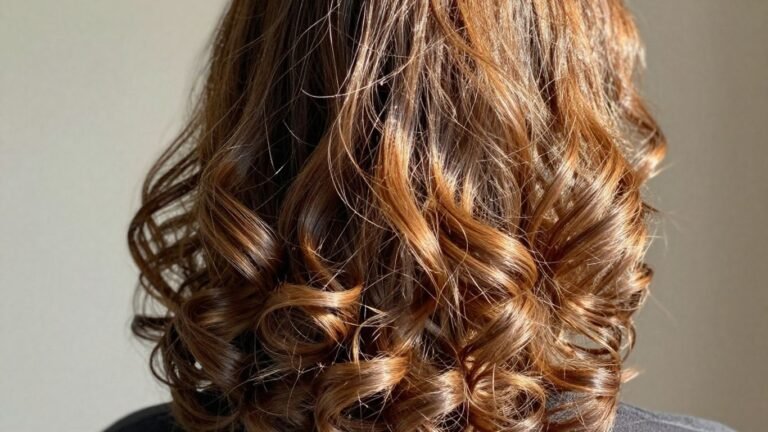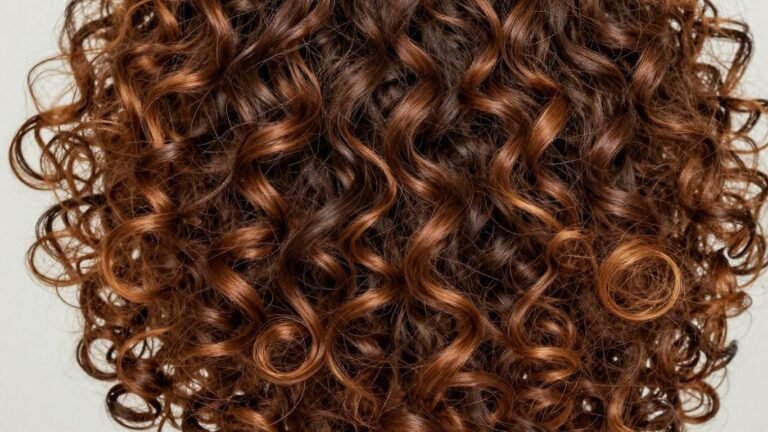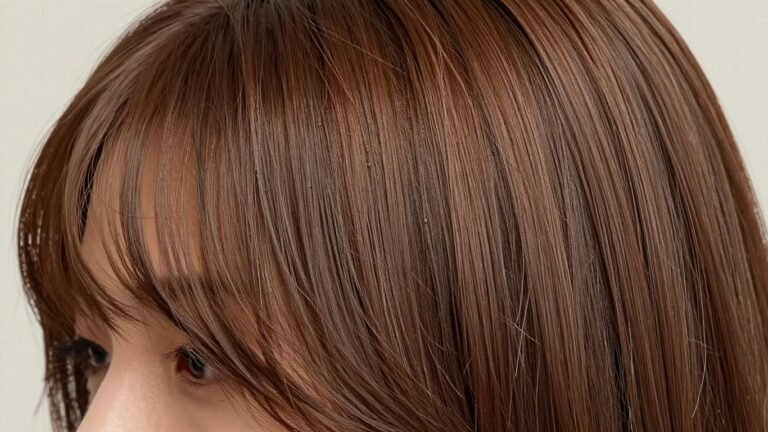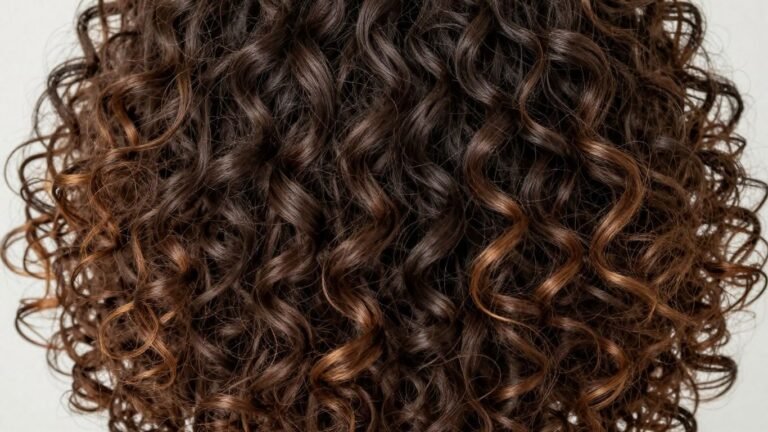
Here are the main points to remember for managing frizzy mixed hair and keeping your curls looking their best.
Key Takeaways
- Understand your hair’s needs, especially moisture, to combat frizz effectively.
- Incorporate nourishing ingredients like avocado, coconut oil, and flaxseed gel into your routine.
- Build a routine using sulfate-free products, leave-in treatments, and gentle drying methods.
- Learn specific styling techniques like ‘praying hands’ and ‘scrunching’ for better curl definition.
- Protect your hair from environmental factors like humidity and wind with the right products and styles.
Understanding Frizzy Mixed Hair Solutions
Dealing with frizzy hair can feel like a constant battle, especially when you have mixed textures or curls that don’t always behave. It’s not just about looks; frizz can be a sign that your hair isn’t getting what it needs. Let’s break down why it happens and what we can do about it.
The Science Behind Frizz
So, what exactly is frizz? Simply put, it’s when the outer layer of your hair, the cuticle, is raised instead of lying flat. This usually happens because the hair is dry and is trying to absorb moisture from the air. When the cuticle is open, strands can swell and tangle, leading to that fuzzy, unmanageable look. Factors like humidity, heat styling, and even how you wash and dry your hair can play a big role in how much frizz you experience. The key to taming frizz is often about keeping your hair hydrated and its cuticle smooth.
Identifying Your Unique Hair Needs
Not all frizz is created equal, and neither is hair. Understanding your specific hair type is the first step to finding solutions that actually work. Is your hair fine and easily weighed down, or is it thick and prone to dryness? Do you have tight coils, loose waves, or a mix? Knowing this helps you pick the right products and techniques. For instance, curly hair is naturally drier because the oils from your scalp have a harder time traveling down the coiled strands. This is why understanding your hair’s porosity – how well it absorbs and holds moisture – is so important. You can do a simple test by dropping a clean strand of hair into a glass of water; if it floats, it’s low porosity, and if it sinks, it’s high porosity. This information can guide you toward the best hair care products for frizzy hair.
The Role of Moisture in Taming Frizz
Moisture is your best friend when it comes to fighting frizz. Dry hair is thirsty hair, and it will grab moisture from wherever it can, usually the humid air around you, which causes it to swell and frizz. Think of it like a sponge: a dry sponge soaks up water quickly, while a damp sponge doesn’t absorb as much. The same applies to your hair. Keeping your hair well-moisturized from the inside out helps to keep the cuticle sealed and smooth. This means using hydrating shampoos and conditioners, and not skipping out on leave-in treatments.
A consistent routine focused on hydration can make a world of difference. It’s not about using more products, but using the right products and techniques that seal moisture in and keep humidity out. This approach helps your hair look and feel smoother, regardless of its texture.
Here’s a quick look at what moisture does:
- Hydrates: Replenishes water lost from the hair shaft.
- Smooths: Helps the hair cuticle lie flat, reducing friction.
- Protects: Creates a barrier against environmental factors like humidity.
- Improves Elasticity: Makes hair less prone to breakage and flyaways.
Nourishing Ingredients for Smoother Curls
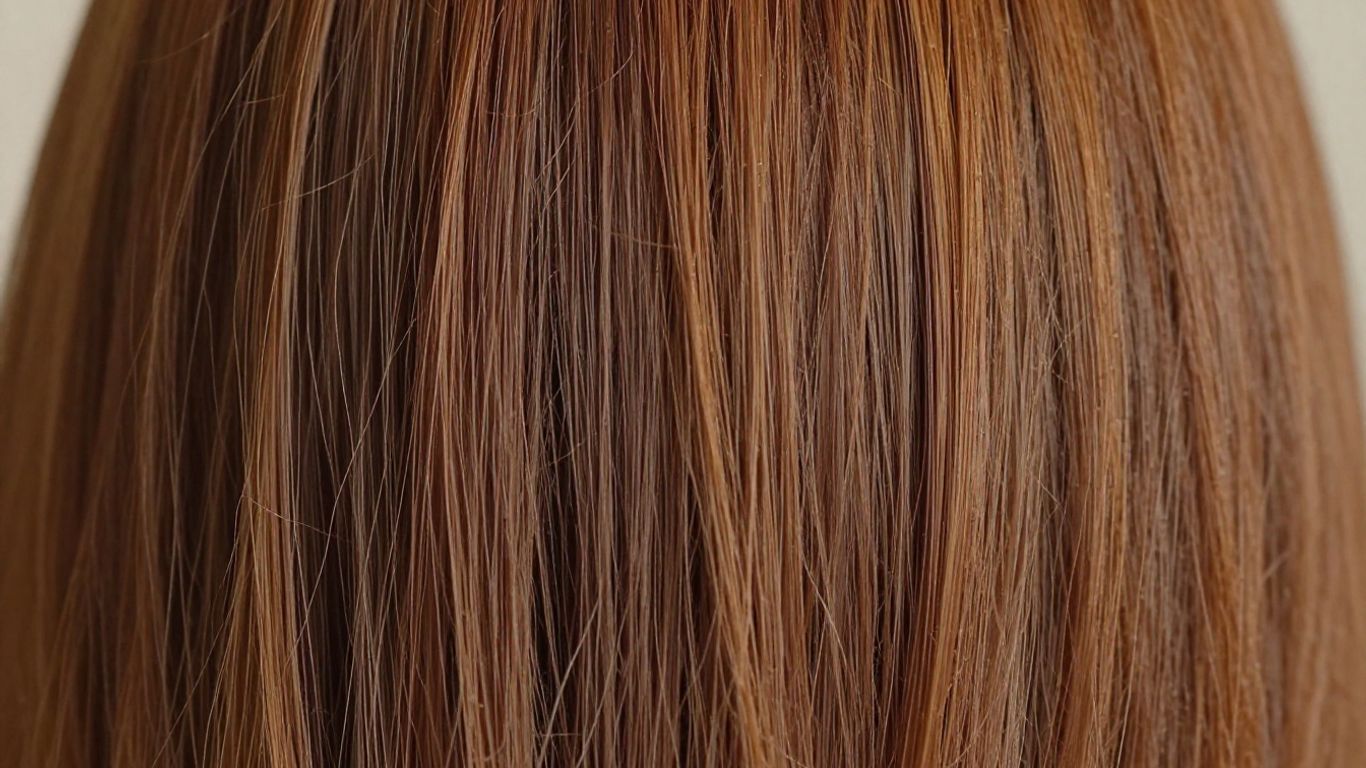
When your mixed hair is feeling a bit wild and frizzy, sometimes the best solution comes straight from nature. We’re talking about ingredients that really know how to hydrate and smooth things out. It’s not just about slapping on any old product; it’s about picking things that actually feed your hair what it needs. Finding the right natural ingredients can make a huge difference in how your curls look and feel.
Avocado and Banana Masks for Deep Hydration
These two fruits are like a spa day for your hair. Avocado is packed with good fats and vitamins that really soak into your hair, making it feel soft and look shiny. Banana, on the other hand, helps smooth down the hair’s outer layer, which is where a lot of that frizz comes from. Mixing them together creates a super hydrating mask.
Here’s a simple way to whip up this mask:
- Mash one ripe avocado and one ripe banana until they’re completely smooth. No lumps allowed!
- Apply this mixture all over your damp hair, making sure to get it from root to tip.
- Let it sit for about 30 to 45 minutes. You can wrap your hair in a shower cap to keep it from dripping.
- Rinse it out really well with water. You might want to follow up with a gentle shampoo and conditioner.
This mask is great for giving your hair a serious moisture boost and taming those flyaways.
The Power of Coconut Oil and Shea Butter
Coconut oil and shea butter are like the dynamic duo of hair moisturizers. Coconut oil is known for its ability to get inside the hair shaft, not just sit on top. This means it can hydrate your hair from the inside out, which is fantastic for reducing dryness and making curls pop. Shea butter is also incredibly moisturizing and helps to lock in all that good hydration, preventing it from escaping.
These ingredients work by coating the hair shaft, smoothing the cuticle, and preventing moisture from escaping. This dual action helps to keep hair hydrated and less prone to frizz, especially in humid conditions.
When you’re looking for products, keep an eye out for ones that list these as primary ingredients. You can also use them on their own. A little bit of melted coconut oil or pure shea butter can go a long way when applied to damp hair, focusing on the ends.
Harnessing Jojoba Oil for Natural Shine
Jojoba oil is pretty special because its structure is very similar to the natural oils our scalp produces. This makes it a fantastic moisturizer that doesn’t leave your hair feeling greasy. It’s great for smoothing down frizz and adding a lovely natural shine. If your hair tends to get weighed down easily, jojoba oil is a good choice. Just a few drops worked through damp hair, especially on the lengths and ends, can make a noticeable difference in smoothness and manageability. It’s a nice way to get that healthy sheen without a heavy feel. You can find some great organic products for curly hair that feature jojoba oil.
Flaxseed Gel for Curl Definition
If you’re looking for something to help your curls hold their shape and stay defined without that crunchy feeling, flaxseed gel is your friend. It’s a natural way to get that hold and definition that many curly folks are after. Making it at home is pretty simple, and it gives your curls a nice, soft finish. It helps to smooth the hair cuticle, which in turn reduces frizz and makes your curls look more polished. It’s a gentle option that works well for defining waves and curls, giving them structure and bounce.
Building Your Frizz-Free Routine
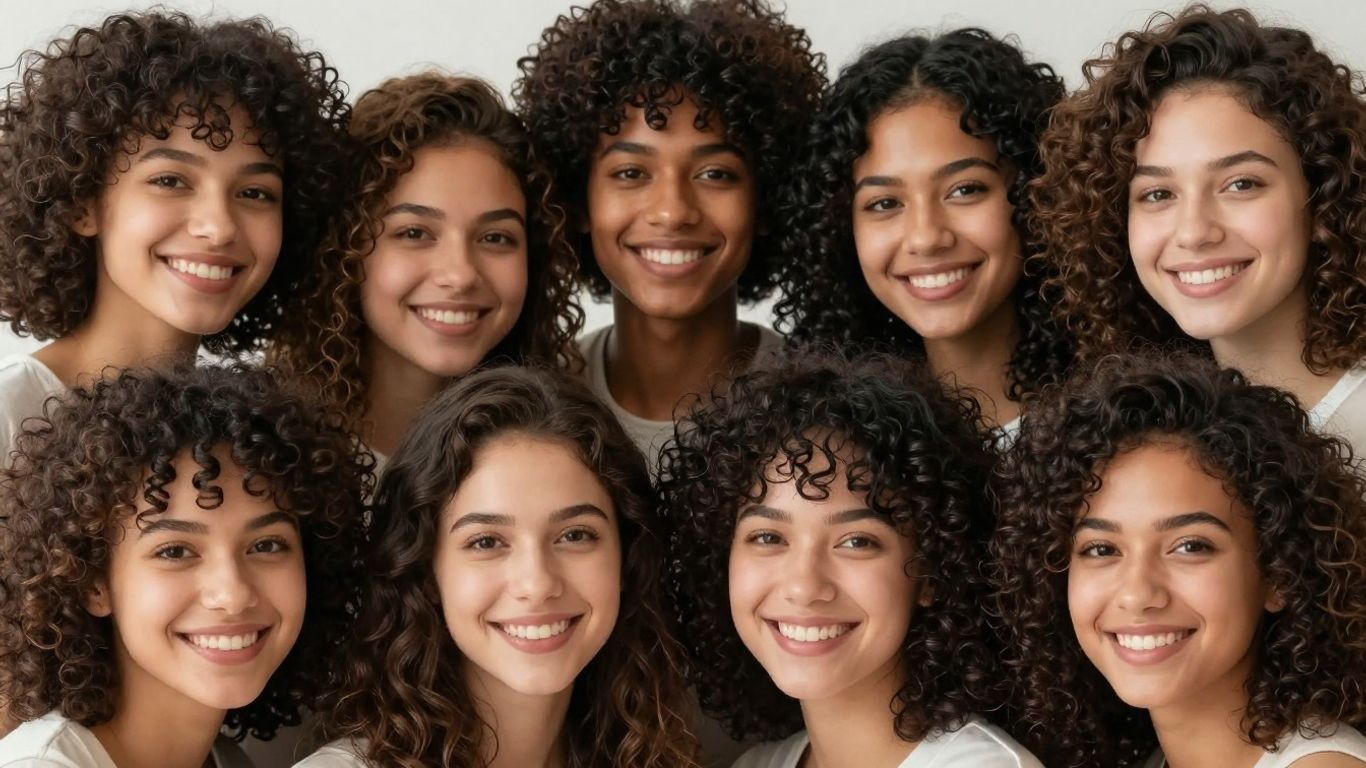
Okay, so you’ve got the ingredients and you understand why your hair does what it does. Now, let’s talk about putting it all together into a routine that actually works. It’s not about having a million products, but about using the right ones in the right order. Think of it like building a good meal – you need the right components, prepared correctly.
Choosing the Right Sulfate-Free Shampoo and Conditioner
First things first: ditch the sulfates. Seriously. These guys are harsh detergents that strip your hair of its natural oils, which, surprise, surprise, leads to more dryness and more frizz. You want to look for shampoos and conditioners that are labeled "sulfate-free." Instead, aim for formulas packed with moisturizing ingredients like glycerin, shea butter, or argan oil. When you wash, focus the shampoo on your scalp and roots – that’s where the oil and dirt build up. Let the suds gently run down the lengths of your hair as you rinse. For conditioner, apply it from the mid-lengths down to the ends. These parts of your hair are older and drier, so they need the most love. Let it sit for a few minutes to really soak in. If you have really dry hair, you can apply a bit to your roots too, but be mindful if your hair tends to get greasy.
The Importance of Leave-In Treatments and Serums
This is where the magic really happens for taming frizz throughout the day. Applying a good leave-in conditioner or a smoothing serum to damp hair creates a protective barrier. It helps lock in moisture and keeps humidity from messing with your style. It’s like giving your hair an extra layer of armor against the elements. This step is a game-changer, especially if you find your hair frizzing up just hours after styling. You can find some great options for curly hair that really make a difference.
Incorporating Hair Oils Effectively
Hair oils are fantastic for adding shine and smoothing down flyaways, but you have to use them right. Too much, and your hair can look greasy. The trick is to use just a few drops. Warm the oil between your palms and then gently smooth it over the mid-lengths and ends of your hair. This is especially helpful for finishing your style or for a quick touch-up when you notice frizz popping up. Jojoba oil is a great natural option because it mimics your hair’s natural sebum.
The Cold Rinse Trick for Sealing Cuticles
This one sounds a bit uncomfortable, but trust me, it works. After you’ve rinsed out your conditioner, do a final rinse with cool or cold water. It doesn’t have to be an ice bath – even just cool water for the last 30 seconds makes a noticeable difference. What this does is help close and seal the hair cuticle. When the cuticle is sealed, it lies flat, which means more shine and less frizz. It’s a simple step that really locks in all the moisture you just worked hard to put into your hair.
Building a routine isn’t about perfection, it’s about consistency. Small, regular steps make a big impact over time. Don’t get discouraged if a product or technique doesn’t work perfectly the first time. Keep experimenting to find what your hair loves.
Styling Techniques for Frizzy Mixed Hair
Okay, so you’ve got the right products, but how you actually use them and handle your hair makes a huge difference. It’s not just about what’s in the bottle, it’s about the moves you make. Let’s talk about getting those curls to behave and those waves to look smooth.
Gentle Drying Methods: Microfiber Towels and Air Drying
First off, ditch that rough bath towel. Seriously. Those things are frizz factories waiting to happen. When you get out of the shower, gently squeeze out excess water with a microfiber towel or even a soft cotton t-shirt. Think of it like pressing, not rubbing. Then, if you have the time, letting your hair air dry is often the best bet. It’s the gentlest way to go, letting your hair do its thing without any extra friction. If you’re in a rush, at least let it get about 50-70% dry before you even think about heat.
The ‘Praying Hands’ and ‘Scrunching’ Techniques
These are two super popular ways to get product into your hair without messing up your curl pattern. For the ‘praying hands’ method, you smooth your product between your palms and then gently glide your hands down sections of your hair, like you’re praying. It helps coat the hair evenly. Then there’s ‘scrunching’. You cup sections of your damp hair in your hands and gently squeeze upwards towards your scalp. This encourages your curls to form and clump together. It’s especially great for wavy and curly hair to get that definition going.
Using Diffusers for Optimal Curl Definition
If you do need to use a blow dryer, a diffuser is your best friend. It’s that attachment with all the little prongs. It helps spread the air out, so you’re not blasting your hair with direct heat. This is key for drying your hair without creating a halo of frizz. Make sure to use it on a low heat and low speed setting. You can gently cup sections of your hair in the diffuser and bring it up towards your scalp, or hover the diffuser around your head. It really helps to set your curls and waves.
Avoiding Brushing Dry Hair
This is a big one, and honestly, it’s a game-changer. Never brush your hair when it’s dry, especially if it’s curly or wavy. When you brush dry hair, you break up all those nice curl clumps and create a ton of static and frizz. It’s like you’re deliberately trying to make things worse! If you need to detangle, do it when your hair is wet and has conditioner in it, using a wide-tooth comb or your fingers. Start from the ends and work your way up. It’s so much gentler and prevents breakage.
When it comes to styling, patience is key. Rushing the process, especially when drying or applying products, can lead to more frizz. Take your time, use gentle techniques, and your hair will thank you for it.
Addressing Specific Hair Textures
Okay, so we’ve talked a lot about frizz in general, but let’s get real: not all hair is the same, right? What works for my friend’s super curly hair might just make my wavy bits look like a sad, undefined mess. It’s all about figuring out what your specific texture needs to behave. Most people actually have a mix of curl patterns on their head, which can be a bit tricky to manage. Identifying your curl type is a good starting point, and it’s usually best done when your hair is soaking wet. The basic categories are Type 1 (straight), Type 2 (wavy), Type 3 (curly), and Type 4 (coily), with A, B, and C sub-classifications based on the width of the pattern. It’s not a perfect system, but it helps a lot.
Strategies for Curly and Wavy Hair
Wavy hair can be a real balancing act. Too much product, and it gets weighed down, looking flat. Not enough, and hello, frizz! The key here is lightweight products. Think water-based leave-ins and light gels or mousses. For wavy hair, you want to encourage those ‘S’ shapes to clump together. Try the ‘scrunching’ technique when your hair is damp, or even the ‘bowl method’ where you flip your wet, conditioned hair into a bowl of water and scrunch. Air drying is often best, but if you must blow dry, use a diffuser on a low setting. Curly hair, especially Type 3, needs moisture and definition. Styling creams can be great for clumping curls together. Remember, applying products to wet hair helps a lot with definition for all curl types.
Taming Flyaways in Straight Hair
Frizz on straight hair usually shows up as those annoying flyaways and static, rather than overall puffiness. The goal here is smoothing. Serums and anti-frizz sprays are your best friends. A boar bristle brush can help distribute your natural oils, which smooths things down. When you blow dry, always point the nozzle downwards, following the hair shaft. Over-washing can actually make straight hair drier and more prone to static, so try to stretch out your washes. Regular trims are also super important to keep those ends from looking rough and frizzy.
Moisture-Rich Solutions for Thick, Coarse Hair
Thick, coarse hair, especially Type 4 textures like 4B and 4C, often needs a serious moisture boost. These hair types have coils that are so tight, natural oils have a hard time traveling down the hair shaft. So, you’ll want to reach for richer, creamier conditioners and leave-in treatments. Don’t shy away from heavier oils like coconut or shea butter; they can really help seal in moisture. When you’re applying products, sectioning your hair is a game-changer. It makes sure every single strand gets the hydration it needs. For long-lasting smoothness, some people even consider treatments like keratin, but always chat with your stylist about that first. Keeping this hair type hydrated is key to managing frizz and maintaining its natural beauty.
Dealing with different textures on the same head can feel like a puzzle. The trick is to layer products, starting with lighter ones on finer or straighter sections and heavier ones on curlier or coarser parts, or to use techniques that encourage different textures to blend.
Protecting Your Hair from Environmental Factors
So, you’ve got your routine down, your products are on point, and your hair is feeling pretty good. But then you step outside, and BAM! Humidity, wind, or even just a really sunny day can undo all your hard work. It’s like your hair has a mind of its own when it comes to the weather, right?
Combating Humidity with Anti-Frizz Sprays
Humidity is probably the biggest frizz culprit for most of us. That moisture in the air just loves to make our hair swell up and get all fuzzy. The trick here is to create a barrier. Anti-frizz sprays and serums are your best friends on these days. They often contain silicones or other polymers that coat the hair shaft, blocking moisture from getting in. Think of it like a raincoat for your hair. You want to apply these to damp hair, making sure to get an even coating from roots to ends. A good quality spray can make a world of difference, keeping your style intact even when the air is thick with moisture. It’s amazing how much better your hair can look when it’s not fighting the atmosphere.
Protective Styling for Windy or Humid Days
Sometimes, no matter how many products you use, the elements are just too much. That’s when styling becomes your secret weapon. On super windy days, or when the humidity is just off the charts, consider putting your hair up. A loose braid, a bun, or even a stylish headscarf can protect your strands from getting tossed around and becoming a tangled mess. This is especially helpful if you’re exercising outdoors. Tying your hair up loosely can minimize sweat contact, and a soft headband can protect your hairline from getting damp and frizzy. It’s a practical way to keep your hair looking neat and prevent damage from harsh conditions. For those really challenging days, you might even want to keep a travel-size serum or some anti-frizz sheets in your bag for quick touch-ups.
The Benefits of Silk or Satin Pillowcases
Okay, this one might seem a little less about the outdoors, but hear me out. Your pillowcase can actually be an environmental factor for your hair overnight! Cotton pillowcases can create friction as you toss and turn, leading to frizz and breakage. Switching to a silk or satin pillowcase is a game-changer. These smooth surfaces allow your hair to glide, reducing that friction significantly. This means waking up with smoother, less tangled hair, which is a fantastic head start to your day. It helps preserve your style, especially if you have curls or waves, and it’s just a little bit of everyday luxury that your hair will thank you for. Plus, it’s a simple change that can have a big impact on your hair’s overall health and appearance, much like protecting your hair from sun damage with natural ingredients.
Maintaining Healthy Hair Between Treatments
So, you’ve got your routine down, and your hair is looking pretty good. But what about between those deep conditioning days or salon visits? Keeping your hair healthy day-to-day is actually a big deal for keeping frizz away for good. It’s not just about the big treatments; it’s the little things you do consistently that make the real difference.
The Necessity of Regular Trims
Think of trims as a reset button for your hair. When you have split ends, they can travel up the hair shaft, causing more damage and making your hair look frizzy and unkempt. Getting a trim every 3-4 months helps get rid of those pesky split ends before they become a bigger problem. If you’re trying to grow your hair out, you might stretch it to 6 months, but don’t skip it entirely. Even a small trim keeps things looking neat and prevents breakage. It’s like pruning a plant; it encourages healthier growth.
DIY Detanglers and Rinses
Sometimes, your hair just needs a little extra love without a full-blown mask session. You can whip up some simple DIY treatments at home. An apple cider vinegar rinse, for example, is fantastic. Mix a couple of tablespoons of ACV with a cup of water. After you shampoo and condition, pour this over your hair, let it sit for a minute or two, then rinse with cool water. It helps smooth down the hair cuticle and adds a nice shine. You can also try a simple leave-in spray made with water and a bit of conditioner for easy detangling after washing.
On-the-Go Frizz Control with Anti-Frizz Sheets
Life happens, and sometimes frizz strikes when you’re out and about. That’s where anti-frizz sheets come in handy. These little lifesavers are perfect for your purse or gym bag. You just gently swipe them over your hair to tame flyaways and smooth down frizz instantly. They’re great for a quick touch-up before a meeting or after a windy walk. It’s a simple way to keep your hair looking polished throughout the day without needing a whole styling kit. You can find some great options for managing frizzy hair online.
Keeping your hair healthy between treatments is all about consistency. Small, regular actions like getting trims, using simple DIY rinses, and having a quick fix like anti-frizz sheets on hand can prevent frizz from taking over and keep your hair looking its best.
Conclusion
Dealing with frizzy mixed hair might seem like a constant battle, but it doesn’t have to be. By understanding what your hair needs, using the right ingredients, and adopting a gentle routine, you can achieve smoother, more manageable curls. Remember, consistency is key. Experiment with these tips, find what works best for your unique hair, and enjoy your beautiful, frizz-free locks!
Frequently Asked Questions
What’s the main reason my hair gets frizzy?
Frizz usually happens when your hair is dry and looking for moisture. The outer layer of your hair, called the cuticle, gets rough and lifts up, letting in humidity. This makes your hair look puffy and messy. Curly hair is naturally more prone to this because the oils from your scalp have a harder time reaching the ends.
Can I use regular shampoo if my hair is frizzy?
It’s best to avoid shampoos with sulfates. Sulfates are strong cleaning agents that can strip your hair of its natural oils. When your hair loses these oils, it gets drier and frizzier. Look for shampoos labeled ‘sulfate-free’ and ‘moisturizing’ instead.
How often should I wash my hair to control frizz?
Washing your hair too often can actually make frizz worse because it removes those helpful natural oils. For most people with frizzy hair, washing 2-3 times a week is plenty. Some people even find that washing less often works better for them. Listen to your hair!
What’s the best way to dry my hair without making it frizzy?
Never rub your hair with a regular towel! That’s a fast track to frizz. Instead, gently squeeze out excess water with a soft microfiber towel or an old cotton t-shirt. If you use a blow dryer, always use the diffuser attachment on a low heat and speed setting. Air drying is also a great option if you have the time.
Are there any natural remedies for frizzy hair?
Yes, absolutely! You can make masks using things like mashed avocado and banana for deep moisture. Coconut oil and shea butter are also great for smoothing and sealing in moisture. Even an apple cider vinegar rinse, diluted with water, can help balance your hair’s pH and make it smoother.
Does sleeping on a silk pillowcase really help with frizz?
It really does! Cotton pillowcases can create friction as you toss and turn at night, which roughs up your hair cuticle and leads to frizz. Silk or satin pillowcases are much smoother, so they cause less friction. This helps keep your hair smoother and preserves your hairstyle overnight.