Okay, so I’ve been looking into the latest numbers for diversity in the beauty world, and wow, things are really changing. It feels like just yesterday brands were only thinking about one type of customer, but now, it’s a whole different story. Consumers are speaking up, and companies are finally listening. We’re seeing more and more focus on making beauty for everyone, no matter their background or skin tone. Plus, technology is stepping in to make things even more personal. Let’s break down what the beauty industry diversity statistics are telling us for 2026 and what it all means.
Key Takeaways
- The beauty industry is really shifting, with consumers demanding more inclusivity. It’s not just a nice-to-have anymore; it’s expected.
- Brands are stepping up their game by offering wider shade ranges and featuring more diverse people in their ads, especially with Gen Z pushing for it.
- Tech like AI and virtual try-ons are making beauty more personal and helping people find what works for them, which also supports diversity.
- Sustainability and ethical practices are becoming just as important as the product itself, with people wanting eco-friendly options and natural ingredients.
- Beauty is blending with wellness, focusing on long-term skin health and self-care, moving beyond just looks to overall well-being.
The Evolving Landscape of Beauty Industry Diversity Statistics
It feels like just yesterday that finding makeup for certain skin tones was a real challenge. Now, looking at the numbers, it’s clear the beauty industry is finally catching up. Consumers are paying attention, and brands are starting to listen. The push for inclusivity isn’t just a trend anymore; it’s becoming the standard. We’re seeing a significant shift in how brands approach representation, moving beyond token gestures to genuine integration.
Shifting Consumer Priorities in Beauty
What people want from beauty products has changed a lot. It’s not just about how a product looks or performs; it’s about what a brand stands for. Consumers are more aware of the world around them and expect brands to reflect that awareness. This means looking at everything from ingredients to how a brand talks about its customers.
- Racial Diversity: 82% of people actively look for racial diversity in beauty ads. This shows a clear demand for seeing themselves represented.
- Ethical Considerations: More people are interested in brands that are mindful of their impact on the planet and society.
- Authenticity: Consumers want brands to be real and honest, not just putting on a show.
The Rise of Inclusivity as a Standard
Inclusivity used to be a nice-to-have, but now it’s a must-have. Brands that don’t embrace diversity risk being left behind. This applies to everything from the models they use in campaigns to the actual products they create. It’s about making sure everyone feels seen and catered to.
The beauty industry is realizing that a wider range of customers means a wider range of needs and preferences. Ignoring significant portions of the population is simply bad business in today’s market.
Data-Driven Insights for 2026
Looking ahead to 2026, the data points to a continued focus on diversity and inclusion. Brands that use statistics to guide their strategies will likely see the most success. This means understanding what consumers are actually looking for and acting on it.
Here’s a quick look at some key figures:
| Metric | Percentage/Value | Source |
|---|---|---|
| Consumers prioritizing racial diversity in ads | 82% | (Scraped Data – General Trend) |
| Gen Z prioritizing diversity & inclusion | 40% | (Scraped Data – General Trend) |
| Consumers preferring diverse/inclusive brands | 47% | (Scraped Data – General Trend) |
| Global Beauty & Personal Care Market (2026) | $677B | Statista (Scraped Data – General Trend) |
This information highlights that diversity is not just a social issue but a significant market driver. Brands that adapt to these changing consumer expectations will find themselves in a stronger position. The future of beauty marketing is inclusive, and the numbers back this up, showing a clear path for brands to follow for 2026 trends.
Inclusive Beauty: A Market Imperative
It’s pretty clear by now that inclusivity isn’t just a nice-to-have in the beauty world; it’s a must-have. Consumers are paying attention, and brands that get this right are seeing real benefits. The market is actively rewarding companies that embrace diversity. We’re talking about a significant shift where inclusivity is becoming the standard, not the exception. This isn’t just about looking good on paper; it’s about connecting with a broader audience and building genuine loyalty. Brands that were slow to adapt are now realizing they’re missing out.
Consumer Demand for Racial Diversity in Advertising
For years, many people felt overlooked by the beauty industry, especially when it came to advertising. It seemed like only a certain look was represented. Thankfully, that’s changing. Consumers are actively seeking out ads that reflect the real world, with a strong preference for seeing racial diversity. In fact, a huge number of people look for this when they’re shopping.
- 82% of consumers actively search for racial diversity in beauty advertisements.
- This focus on representation is driving purchasing decisions.
- Brands that feature diverse models and campaigns are building stronger connections.
Gen Z’s Emphasis on Diversity and Inclusion
Younger generations, particularly Gen Z, are leading the charge. They grew up in a more connected world and have different expectations from the brands they support. For them, diversity and inclusion aren’t just buzzwords; they’re core values. When they’re deciding where to spend their money, these factors often come first.
For Gen Z, a brand’s stance on diversity and inclusion is a major factor in their buying habits. They want to support companies that align with their personal values, and that includes celebrating a wide range of identities and backgrounds.
Expanding Shade Ranges and Product Offerings
This demand for inclusivity has directly impacted product development. Gone are the days of a few basic foundation shades. Brands are now expected to offer extensive shade ranges that cater to every skin tone imaginable. This expansion isn’t limited to complexion products either; it extends to hair care, eye shadow palettes, and more, ensuring everyone can find something that works for them. This move towards more comprehensive product lines has been a game-changer, showing that inclusivity can drive significant growth. In fact, inclusive brands saw much faster growth in 2025, outperforming others by a notable margin.
| Category | Growth Performance (2025) | Notes |
|---|---|---|
| Inclusive Brands | 1.8x faster | Outperformed less inclusive competitors. |
| Less Inclusive Brands | Standard growth | Lagging behind market expectations. |
Technology’s Role in Personalization and Diversity
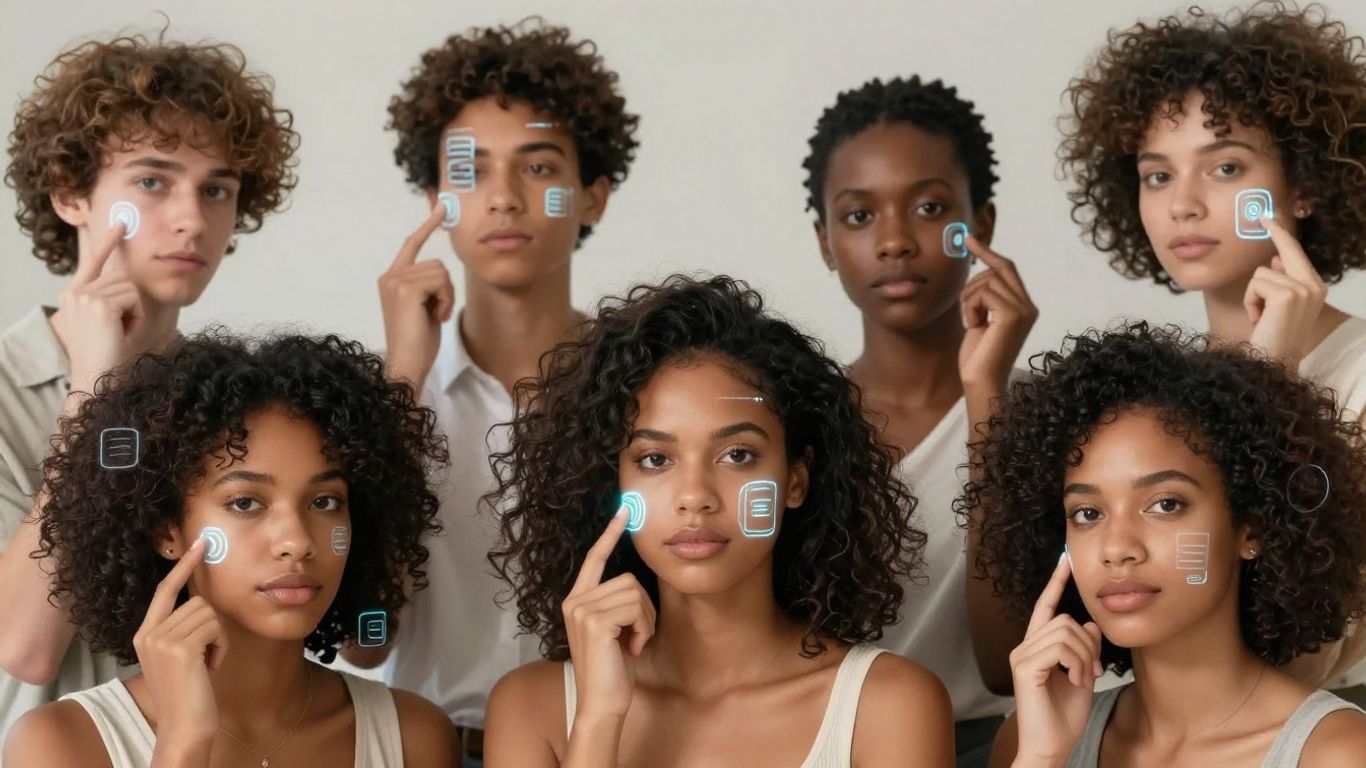
It’s pretty wild how much technology is changing the beauty game, right? We’re not just talking about fancy apps anymore; tech is seriously stepping up to make beauty more personal and, importantly, more inclusive. The days of one-size-fits-all beauty are fading fast.
AI-Powered Personalization and Conversion Rates
Artificial intelligence is no longer just a buzzword; it’s a workhorse for beauty brands. Think about it: AI can look at your past purchases, what you’ve browsed, and even the weather outside to suggest exactly what you need. It’s like having a personal shopper who actually knows you. This isn’t just about a friendly "Hi, [Name]" anymore. AI is driving some serious results. For example, AI-powered personalization in beauty e-commerce can bump up conversion rates by a good 15-18%. That’s a big deal when you’re trying to sell products online. Brands are using AI to create custom routines based on skin type, environmental factors, and lifestyle. It’s way beyond a simple quiz; these systems can factor in pollution levels and seasonal changes to give you the best advice.
- Personalized Recommendations: AI analyzes user data (purchase history, browsing behavior) to suggest relevant products.
- Targeted Marketing: Sending SPF reminders during high UV periods or hydration tips in winter.
- Improved Conversion: Studies show AI personalization can lead to significantly higher sales.
The gap between a generic shopping experience and one that feels tailored to you is growing. Brands that get personalization right are seeing better sales and customers who keep coming back.
Virtual Try-Ons and Enhanced Shopping Experiences
Remember when you had to go to the store to try on lipstick? Those days are pretty much over thanks to augmented reality (AR). Virtual try-on tools let you see how shades and products look on your own face using your phone’s camera. It’s not just a gimmick; these tools can seriously boost purchase confidence. Some reports suggest AR try-ons can improve conversion rates by up to 94%! This technology is a game-changer, especially for complexion products, cutting down on returns and wasted product. It’s also helping to bridge the gap for consumers who can’t easily get to a physical store. You can try on multiple looks, see how different eye shadows or lip colors work together, all before you even click "buy." This makes shopping for makeup online so much easier and more fun.
Data Management and Consumer Trust
All this personalization relies on data, and that’s where things get a bit tricky. Consumers are more aware than ever about how their information is used. Brands need to be upfront and responsible with data. Building trust is key. When people feel their data is safe and used to genuinely improve their experience, they’re more likely to engage. This means clear privacy policies and giving consumers control over their information. It’s a balancing act: using data to create amazing personalized experiences while respecting individual privacy. The future of beauty marketing is definitely tied to how well brands can manage this relationship with their customers. If you’re looking to get ahead in beauty marketing, understanding how to collect and use data responsibly is a big part of the evolving landscape.
Here’s a quick look at how AI is impacting conversion:
| Feature | Impact on Conversion Rate | Source |
|---|---|---|
| AI Personalization | 15-18% increase | McKinsey |
| Virtual Try-Ons (AR) | Up to 94% increase | Shopify Data |
| Personalized Interactions | 71% of consumers expect | Sia Partners |
Sustainability and Ethical Considerations in Beauty
It feels like everywhere you look these days, people are talking about sustainability. The beauty industry is no different, and honestly, it’s about time. Consumers are getting smarter and more aware of the impact their purchases have on the planet. This isn’t just a fleeting trend; it’s a major shift in how we think about beauty products.
The Growth of Sustainable and Eco-Friendly Products
We’re seeing a big move towards products that are kinder to the environment. This means brands are really looking at where their ingredients come from and how their products are made. The global market for sustainable beauty and skincare is growing fast, and it’s easy to see why. People want to feel good about what they’re using, not just for their skin, but for the Earth too. This push means more brands are focusing on things like biodegradable packaging and ethically sourced materials. It’s a complex area, but brands that get it right are definitely winning over consumers.
Consumer Preference for Natural Ingredients
When people talk about sustainable beauty, natural ingredients often come up. A lot of consumers are actively looking for products made with things they recognize, avoiding harsh chemicals. It’s not just about what’s in the product, but also what’s not. This preference for natural components is driving innovation, pushing companies to find cleaner formulations. It’s a win-win: better for us, and often better for the planet.
Innovative Packaging Solutions
Packaging is a huge part of the sustainability conversation. Think about all the plastic bottles and jars we go through. Brands are getting creative here, trying to cut down on waste. We’re seeing more use of recycled materials, glass, and even refillable options. Some companies are even experimenting with packaging that can be composted or dissolved. It’s a challenge, for sure, but the effort is noticeable and appreciated by shoppers who are trying to reduce their own environmental footprint. The industry is slowly but surely moving towards more responsible packaging choices, which is a good sign for the future of eco-friendly beauty products.
The focus on sustainability and ethical practices is no longer a niche concern; it’s becoming a core expectation for consumers. Brands that prioritize transparency in their supply chains, minimize their environmental impact, and offer products that align with these values are building stronger connections with their audience. This ethical consideration extends beyond just the product itself, encompassing fair labor practices and responsible sourcing of raw materials, which is key for cosmetic manufacturers looking to attract environmentally conscious buyers.
The Convergence of Beauty and Wellness
It feels like everywhere you look these days, beauty and wellness are starting to blend together. It’s not just about looking good anymore; it’s about feeling good too, and brands are really picking up on that. Think about it – your skin is part of your overall health, right? So it makes sense that products are starting to focus on that connection.
Skin Health as a Component of Overall Well-being
This shift means we’re seeing more products that do more than just cover up or temporarily fix things. They’re designed to support your skin’s long-term health, which ties directly into how you feel day-to-day. People are paying more attention to things like stress levels and sleep quality, realizing these impact their skin. It’s a move away from just quick fixes and more towards a lifestyle approach. This is why ingredients like magnesium, collagen, and probiotics are popping up everywhere. They’re not just buzzwords; they’re seen as ways to build better habits for both your skin and your general well-being. It’s about treating your skin as a reflection of your internal state, not just an external canvas. This holistic view is changing how we think about beauty routines, making them more about self-care and preventative health. The industry is starting to recognize that quantifiable wellness advantages are becoming a major selling point.
Wellness-Infused Formulations and Technologies
Brands are getting creative with how they combine beauty and wellness. You’ll find products that aren’t just about a nice scent or a smooth finish. They’re formulated with ingredients that have actual health benefits, like adaptogens or antioxidants that help your body cope with stress. It’s not just about what’s in the bottle, either. We’re seeing new technologies and treatments that blend beauty practices with wellness rituals. Think about how red-light therapy is being integrated into skincare devices, or how certain spa treatments now focus on relaxation and recovery as much as on cosmetic results. This integration means that a beauty routine can actually contribute to your overall sense of calm and vitality. It’s about creating products and experiences that feel good to use and provide tangible benefits beyond the surface. The idea is that beauty products should be "good" in performance and sensory appeal, offering a unified experience.
The Inside-Out Approach to Beauty
This whole trend really emphasizes looking at beauty from the inside out. It’s not just about what you put on your skin, but also what you put into your body and how you manage your overall health. This includes things like supplements specifically designed for skin health, or even just focusing on a balanced diet and good sleep, knowing it will show up in your complexion. It’s a more comprehensive way to approach beauty, where taking care of yourself holistically is seen as the most effective beauty strategy. This approach is gaining traction because people want results that last and contribute to their long-term health, not just temporary fixes. It’s a noticeable shift in how consumers are choosing to invest in their appearance and well-being.
The beauty industry is moving beyond just looking good to feeling good, integrating wellness practices and ingredients that support overall health. This means products are becoming more functional, focusing on long-term vitality and self-care rather than just surface-level aesthetics. Consumers are seeking routines that contribute to their well-being, making the connection between internal health and external appearance stronger than ever.
Skin Longevity and Science-Backed Beauty
Forget chasing fleeting trends; the beauty industry is really leaning into the long game now. We’re talking about skin longevity, which is basically a fancy way of saying we’re focusing on keeping skin healthy and functional for the long haul, not just fixing what looks wrong today. It’s a big shift from just ‘anti-aging’ to a more proactive approach. People are looking for products that build up skin’s resilience and help it repair itself over time.
Focus on Long-Term Skin Health and Function
This whole longevity movement means brands are rethinking what their products actually do. Instead of just covering up fine lines or dark spots, the goal is to support the skin’s natural processes. Think about it like maintaining a house – you want to reinforce the foundation and structure so it lasts for decades, not just slap on a new coat of paint. This involves ingredients that help the skin barrier stay strong and ingredients that encourage cell renewal. It’s about investing in your skin’s future.
The Rise of Cellular Repair and Advanced Actives
So, what’s actually in these products? We’re seeing a lot more focus on things like peptides, which are like the building blocks for proteins in your skin, and other advanced actives that can help cells repair themselves. These aren’t just buzzwords; they’re backed by science. The idea is to work at a deeper level, promoting cellular health and regeneration. It’s a move towards more sophisticated formulations that really get to the root of skin health. Some experts even see this trend extending into treatments that support cellular health and overall vitality.
Bridging Clinical Science with Daily Routines
What’s really interesting is how this science is making its way into our everyday routines. It’s not just for dermatologists’ offices anymore. Brands are creating products that are effective enough to be considered ‘clinical’ but are also easy to use at home. This means you can get the benefits of cutting-edge science without needing a complex, multi-step process. It’s about making advanced skincare accessible.
The shift towards skin longevity signifies a maturing consumer who is investing in preventative care and long-term well-being. This audience is looking for efficacy and transparency, valuing brands that can demonstrate a scientific basis for their claims and a commitment to supporting skin health over time.
Here’s a quick look at what’s driving this trend:
- Preventative Care: Moving beyond correction to actively protecting skin from future damage.
- Cellular Support: Ingredients that aid in skin cell repair and regeneration.
- Barrier Strength: Formulations designed to fortify and maintain a healthy skin barrier.
- Science-Backed Ingredients: A preference for actives with proven efficacy, like peptides and next-generation retinoids.
This focus on longevity is also changing how we think about aging itself. Brands like Nikol Beauty are challenging the idea that aging is something to fight against, instead promoting the idea of embracing natural changes and celebrating maturity. It’s a more positive and realistic outlook on beauty and aging. Mature women are increasingly seeking out products that support their skin’s health and vitality throughout their lives.
The Future of Beauty Marketing and Consumer Engagement
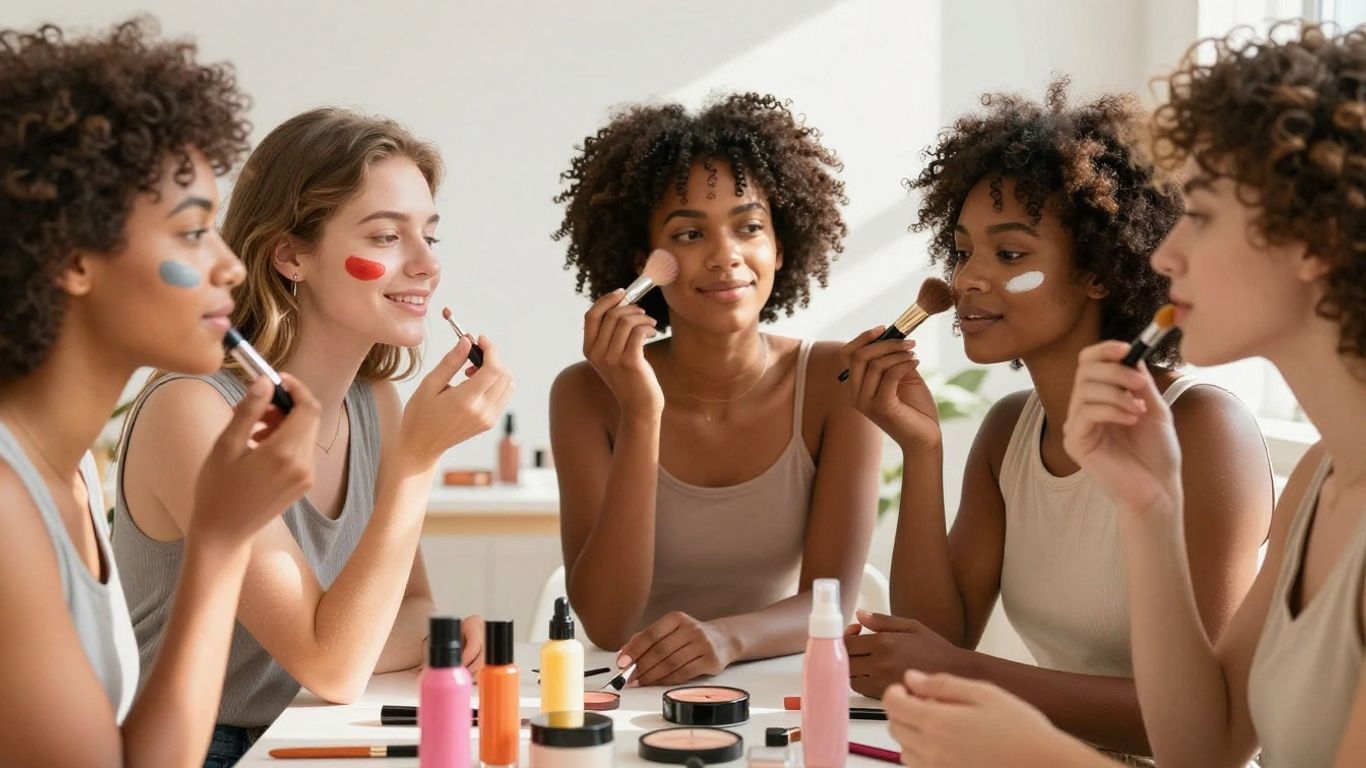
Okay, so marketing in the beauty world is getting pretty interesting, right? It’s not just about slapping a pretty face on a billboard anymore. Things have really changed, and brands are having to get way more creative to actually connect with people.
Social Media as a Shopping Hub
Remember when social media was just for sharing vacation pics and what you had for lunch? Well, that’s ancient history. Now, platforms like TikTok and Instagram are basically virtual malls. You see something you like, maybe a new lipstick or a serum, and BAM – you can buy it right there without even leaving the app. It’s wild how fast this happened. For 2026, brands are pouring a lot of energy into making these social shopping experiences super smooth. It’s all about making it easy for people to go from scrolling to clicking ‘add to cart’ in seconds. This is especially true for beauty, where visual appeal is everything. We’re seeing a lot more live shopping events and shoppable posts, making it feel like you’re browsing a store, but from your couch.
The Impact of Influencer Marketing
Influencers are still a big deal, but the game has changed. It used to be all about who had the most followers. Now, it’s more about who has the trust of their followers. People are getting smarter and can spot a fake endorsement a mile away. What’s really working are creators who are actual experts – like dermatologists sharing skincare tips or makeup artists showing advanced techniques. Consumers are looking for real advice, not just someone telling them to buy something because they got paid. This shift means brands need to partner with people who genuinely know their stuff and have a real connection with their audience. It’s less about a quick shout-out and more about building relationships. For example, campaigns that team up skincare influencers with dermatologists are seeing way better engagement rates than those that don’t. It’s a trust thing, and that’s gold in beauty marketing right now.
Expressive and Personalized Brand Storytelling
Beyond just selling products, brands are really trying to tell a story that people can connect with. It’s not enough to just say ‘our product is good.’ Brands are digging into what makes them unique and sharing that in ways that feel authentic. This means showing the people behind the brand, talking about their values, and being really open. Think about how many brands are now highlighting their commitment to diversity and inclusion – that’s part of their story. Or how they’re talking about sustainability and where their ingredients come from. It’s about making people feel like they’re part of something bigger than just a transaction. And with all the data available, brands can actually tailor these stories to different groups of people, making the message feel more personal. It’s about making beauty feel less like a one-size-fits-all thing and more like a conversation.
The beauty industry is moving past just selling products. It’s about building communities, sharing authentic stories, and making consumers feel seen and heard. This human-centered approach is what’s really driving connection and loyalty in 2026.
Here’s a quick look at how consumer priorities have shifted:
- Racial Diversity in Ads: 82% of people actively look for this.
- Gen Z Values: Around 40% of Gen Z consumers put diversity and inclusion at the top of their list when choosing brands.
- Trust in Experts: While only 2% trust influencers, 81% trust dermatologists for advice. This highlights the need for credible voices in marketing. 81% trust dermatologists.
It’s clear that brands that embrace these changes and communicate them genuinely are the ones that will win over consumers in the coming years. It’s a whole new ballgame, and honestly, it’s pretty exciting to watch.
Wrapping It Up: What’s Next for Beauty?
So, looking at everything, it’s pretty clear the beauty world isn’t just about looking good anymore. It’s really shifted towards feeling good, taking care of ourselves, and being mindful of the planet. We’re seeing brands get smarter with tech, like AI helping pick out the right products, and virtual try-ons becoming normal. Plus, everyone’s paying more attention to what’s actually in the products and how they’re made. It feels like the industry is finally catching up with what most people actually want: products that work, are made responsibly, and make everyone feel included. It’s going to be interesting to see how these trends keep shaping what we buy and how brands connect with us in the coming years.
Frequently Asked Questions
Why is diversity so important in beauty now?
Brands are realizing that everyone wants to feel seen and included. Many people felt left out before because beauty products didn’t have enough options for different skin colors or hair types. Now, companies are making more products for everyone, and customers like that a lot.
How is technology changing the beauty world?
Technology like AI helps create products just for you. Apps let you try on makeup virtually before you buy it, making shopping easier and more fun. It’s like having a personal beauty helper right on your phone!
What does ‘skin longevity’ mean in beauty?
It means focusing on keeping your skin healthy for a long time, not just fixing problems right away. Think of it like taking care of your skin for the future. This includes using products with good ingredients and thinking about your overall health, like eating well and managing stress.
Are eco-friendly products a big deal in beauty?
Yes, definitely! People are more aware of how their choices affect the planet. They prefer brands that use natural stuff, less plastic, and packaging that can be used again. It’s about looking good while being kind to the Earth.
How are social media and influencers changing beauty shopping?
Social media is now a place where people discover and buy beauty products. Influencers share their favorite items, and platforms like TikTok Shop make it super easy to click and buy. It’s a fast way to see what’s popular and try new things.
What’s the connection between beauty and wellness?
Beauty isn’t just about how you look on the outside anymore. It’s also about feeling good and taking care of yourself. Products are being made with ingredients that help your skin and make you feel more relaxed and healthy overall. It’s a more holistic way to think about beauty.