Ready to bring your curls back to life? Here are the main things to remember about clarifying your curly hair.
Key Takeaways
- Clarifying means giving your curls a deep clean to remove product buildup, minerals, and grime that weigh them down.
- Choose a gentle clarifying shampoo, ideally one that doesn’t strip too much moisture, especially if your hair is dry.
- Always follow a clarifying wash with a good conditioner or deep conditioner to put moisture back into your hair.
- Clarify about once a month, or more often if you use lots of products or notice your curls looking flat and dull.
- Avoid common mistakes like clarifying too often or skipping the conditioning step after washing.
Understanding Clarifying Shampoo for Curly Hair
What Does Clarifying Curly Hair Mean?
So, what exactly are we talking about when we say "clarifying" curly hair? It’s basically a deep clean. Think of it like giving your hair a fresh start. Over time, all sorts of things can build up on your curls: leftover styling products like gels and creams, minerals from hard water, even just the natural oils your scalp produces. This gunk can weigh your hair down, making your curls look dull and feel limp. Clarifying shampoo is designed to cut through all that residue and gunk, leaving your hair feeling lighter and cleaner. It’s a way to remove what your regular shampoo might leave behind, helping your curls get back to their bouncy, defined selves. It’s a reset button for your hair and scalp.
Why Your Curls Need Clarifying
Curly hair, with all its beautiful twists and turns, can be a magnet for buildup. Products that help define your curls can, ironically, be the culprits that weigh them down over time. Hard water, common in many areas, deposits minerals that coat the hair shaft, making curls feel rough and look lifeless. Even environmental factors like dust and pollution can contribute to this coating. When this happens, your curls might lose their natural spring, appear frizzy even when styled, or feel coated even right after washing. This buildup prevents your hair from absorbing moisture and styling products effectively. It can also lead to an itchy scalp. Clarifying helps to remove these stubborn residues, allowing your hair to breathe and your products to actually work the way they’re supposed to. It’s a way to get your curls back to their best state, making them more manageable and vibrant. If your curls suddenly feel off, it’s usually buildup, and clarifying is the solution. You can find some great options for gentle clarifying shampoos.
The Benefits of a Clarifying Reset
Giving your curls a clarifying treatment offers a bunch of good things. First off, it brings back that bounce and volume that might have gone missing. When your hair is free of heavy buildup, your natural curl pattern can really shine through, leading to better definition. It also makes your hair more receptive to the products you use afterward. Think of it like cleaning a window – suddenly, everything looks clearer and brighter. This means your conditioners can penetrate better, and your styling products can do their job more effectively, giving you that desired curl definition. Plus, a clean scalp is a happy scalp, which is key for healthy hair growth. It’s a way to tackle issues like dullness, limpness, and that coated feeling, giving your curls a renewed sense of life and energy. A good clarifying wash can really make a difference in how your hair looks and feels, setting the stage for a successful wash day.
Clarifying is not about stripping your hair completely, but rather about removing the excess that prevents your curls from performing at their best. It’s a targeted deep clean that supports overall hair health and manageability.
Choosing the Right Clarifying Shampoo
Okay, so you’ve decided to give your curls a good reset. That’s awesome! But before you grab just any bottle off the shelf, let’s talk about picking the right clarifying shampoo. Not all clarifying shampoos are created equal, and for us curly folks, that’s super important. We want to get rid of the gunk without stripping our hair dry, you know?
Key Ingredients to Look For
When you’re scanning those labels, keep an eye out for a few things. Surfactants are the cleaning agents. Some are harsher than others. Look for ingredients like Sodium Lauryl Sulfate (SLS) or Sodium Laureth Sulfate (SLES) if you’re really trying to cut through heavy buildup, but be prepared to follow up with extra moisture. For a gentler approach, ingredients like Cocamidopropyl Betaine or Decyl Glucoside are often found in milder formulas. Also, some clarifying shampoos have chelating agents. These are like little magnets that grab onto minerals from hard water or chlorine. Ingredients like EDTA (Disodium EDTA, Tetrasodium EDTA) or Citric Acid are good examples of these. They help tackle buildup that regular surfactants might miss.
Gentle Formulas for Curly Hair
This is where it gets a bit tricky. Clarifying shampoos, by nature, are meant to be strong cleansers. However, curly hair tends to be drier and more fragile than other hair types. So, we need to find that sweet spot. Look for clarifying shampoos that are labeled as sulfate-free or specifically mention being gentle for color-treated or curly hair. These often use milder cleansing agents and might include moisturizing ingredients like glycerin or aloe vera to help offset the drying effect. It’s a balancing act, for sure. You can find some great options reviewed for different hair types that might give you a starting point.
Understanding Chelating Properties
Chelating agents are a bit of a secret weapon for clarifying. They work by binding to metal ions, like those found in hard water or swimming pools. Think of them as little helpers that pull out stubborn mineral deposits that can make your curls feel rough, look dull, and prevent products from working properly. If you live in a hard water area or swim often, a shampoo with good chelating properties can make a huge difference. It’s not just about removing product buildup; it’s about getting rid of all the stuff that weighs your curls down. Some shampoos might list specific chelating ingredients, while others might use natural acids like citric acid to achieve a similar effect. It’s worth checking out what makes a shampoo effective for buildup removal.
When choosing a clarifying shampoo, always consider your hair’s current condition. If your curls are already feeling dry or brittle, opt for a formula with added moisturizing ingredients or be extra diligent with your post-clarifying conditioning routine. It’s better to be a little too gentle than too harsh when you’re starting out.
The Clarifying Wash Day Blueprint
Okay, so you’ve decided it’s time for a reset. That’s great! But how do you actually do a clarifying wash day without turning your beautiful curls into a dry, frizzy mess? It’s all about having a plan, and honestly, it’s not as complicated as it sounds. Think of it as a spa day for your scalp and strands.
Preparing Your Curls for Cleansing
Before you even reach for that clarifying shampoo, make sure your hair is thoroughly wet. Seriously, soak it. The wetter the hair, the easier it is to spread the product around and the less friction you’ll create. This is super important because clarifying shampoos can sometimes feel a bit more stripping, and we want to minimize any potential dryness right from the start. If you’re dealing with a lot of product buildup, this initial wetting helps to loosen some of that gunk before you even start scrubbing.
Applying Clarifying Shampoo Effectively
When it comes to applying the shampoo, focus on your scalp first. Gently massage it in with your fingertips – no harsh scrubbing with nails, please! Let the suds run down the lengths of your hair; they’ll do enough cleaning there without you having to aggressively work the product through. If you feel like you’ve got a serious buildup situation, it’s totally okay to shampoo twice. The first pass breaks down the residue, and the second actually cleans. For those with color-treated or dry hair, be extra gentle on the ends and let the rinse water do most of the work down there.
The Importance of Rinsing Thoroughly
This step is non-negotiable. You absolutely have to rinse, rinse, and then rinse some more. Leftover shampoo or conditioner residue can actually mimic buildup, making your hair feel weird and heavy all over again. Make sure all the suds are gone, and your hair feels squeaky clean from root to tip. This thorough rinse is what sets the stage for your hair to actually absorb all the good stuff you’re about to put back in. It’s like cleaning a canvas before you paint – you need a clean surface for the best results. If you’re looking for a good starting point for your wash day routine, check out this guide for initial steps.
After clarifying, your hair is like a clean slate. It’s ready to soak up all the moisture and goodness you give it next. Don’t skip the conditioning steps, or you’ll undo all your hard work.
Replenishing Moisture Post-Clarification
Okay, so you’ve just given your curls a good scrub with clarifying shampoo. They feel clean, maybe a little stripped, and definitely ready for some TLC. This is where the magic happens to bring them back to life. Skipping this step is like running a marathon and then forgetting to drink water – you won’t feel good afterwards.
The Crucial Role of Conditioner
Think of conditioner as your curls’ best friend after a clarifying wash. Clarifying shampoo, by its nature, opens up the hair cuticle to get rid of all that gunk. While that’s great for a clean slate, it also means your hair is more porous and can lose moisture easily. That’s where conditioner swoops in. It helps to smooth down that cuticle, making your hair feel softer and look shinier. It’s also the first line of defense against dryness and tangles that can pop up after clarifying. For a good starting point, check out some options for moisturizing conditioners.
Deep Conditioning for Maximum Hydration
While a regular conditioner is good, a deep conditioner is like a spa treatment for your curls after clarifying. These are usually richer and packed with more hydrating ingredients. Leaving one on for at least 5-10 minutes (or even longer if your hair seems to love it) can make a huge difference. This is also the perfect time to gently detangle your hair with a wide-tooth comb or your fingers. If you’re worried about using too much product, mixing a bit of your regular conditioner into the deep conditioner can help it spread further.
Balancing Moisture and Strength
After clarifying, your curls need a balance of moisture and strength. If you only focus on moisture, your curls might feel too soft and lose their shape. If you go too heavy on strength (like protein), they can feel rough and brittle. It’s all about finding that sweet spot.
Here’s a simple way to think about it:
- If your curl cream feels super moisturizing: Pair it with a styling gel that offers more structure.
- If your stylers feel very strengthening: Make sure your conditioner or deep conditioner is focused on adding moisture.
- Listen to your hair: If it feels mushy or overly stretchy, it might need more strength. If it feels rough and snaps easily, it likely needs more moisture and gentler handling.
Remember, clarifying is a reset. The steps that follow are about rebuilding and nourishing your curls so they feel their best. Don’t rush this part; your curls will thank you for the extra attention.
Styling After Clarifying Your Curls
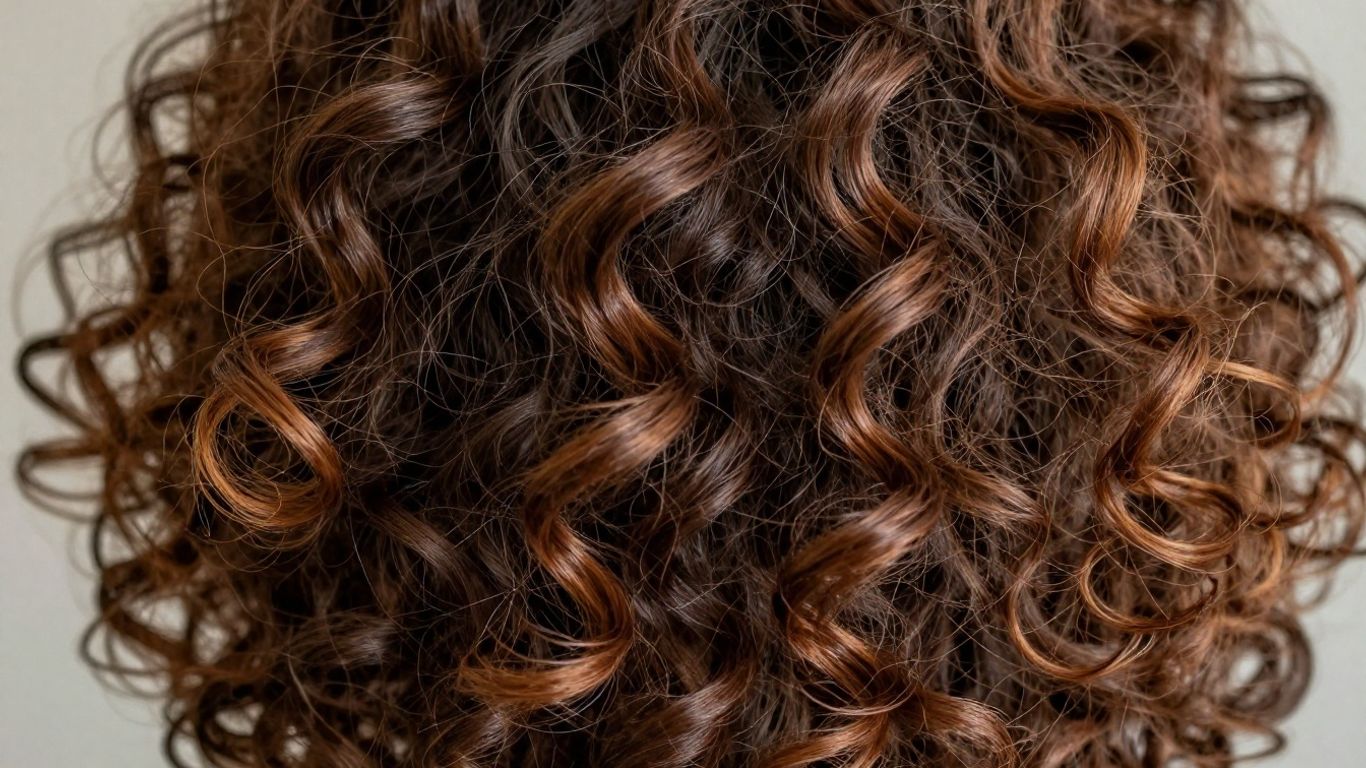
Okay, so you’ve done the big reset with your clarifying shampoo. Your curls are clean, maybe a little stripped, and definitely ready to soak up some goodness. Now comes the fun part: styling! This is where you get to bring back that bounce and definition. Think of it as giving your curls a fresh start with all the right moves.
Applying Leave-In and Curl Creams
After you’ve rinsed out your conditioner (and hopefully done a deep condition!), it’s time for your styling products. Apply these when your hair is still pretty wet. Seriously, the wetter the better – it really helps cut down on frizz later on. A leave-in conditioner is a good idea here, especially if your hair feels thirsty after the clarifying wash. Then, layer on your curl cream. This is your main definition helper, making those curls clump together nicely and setting them up for success. It’s like giving your curls a little hug after their deep clean.
Techniques for Enhanced Definition
When you’re applying your products, try sectioning your hair. Even just two or four sections can make a big difference. Use the "praying hands" method to smooth the product down each section, coating every strand. Then, scrunch! This is what encourages your curls to form their natural pattern. You want to hear that satisfying "squish" sound – if you’re not hearing it, your hair might need a bit more water. If you’re aiming for bigger, bouncier results, you can try a brush styling technique after your curl cream but before any gel. It sounds a bit wild, but it can really help lift the roots and give you that extra volume.
Avoiding Common Styling Mistakes
One of the biggest slip-ups after clarifying is styling on hair that’s only damp, not wet. This is a fast track to frizz town. Keep that spray bottle handy to re-wet sections if they start to dry out before you’re done. Another thing to watch out for is not rinsing your conditioner thoroughly. Leftover product can make your hair feel weird and defeat the purpose of the clarifying wash. And remember, after all that styling, you’ll likely have a cast from your gel. Don’t panic! Once your hair is completely dry, gently scrunch your hair upwards with a little bit of oil or serum to break that cast. This step is key for soft, touchable curls. If you’re looking for tips on how to manage your routine, check out this guide on billing and revenue management.
After clarifying, your curls are like a blank canvas. They’re clean and ready to absorb moisture and styling products. This is the perfect time to focus on techniques that encourage definition and hydration. Don’t rush the process; give your curls the attention they deserve to bounce back stronger and more vibrant than before.
How Often to Clarify Curly Hair
Figuring out the right rhythm for clarifying your curls can feel like a guessing game sometimes. It’s not a daily or even weekly thing, but more of a periodic reset. The general consensus for most curly folks is about once a month. This gives your hair a chance to get rid of any lingering product buildup or mineral deposits without stripping away too much of its natural goodness. Think of it as a spa day for your scalp and strands.
Signs Your Curls Need a Reset
Sometimes, your hair just tells you when it’s had enough. You might notice your curls aren’t clumping like they used to, or maybe your styling products are just sitting on top of your hair instead of sinking in. It can feel heavy, look dull, or just generally lack that signature bounce. Itchiness or a feeling of residue on your scalp, even after washing, are also big clues. If your hair suddenly feels… off, and you haven’t changed your routine, a clarifying wash is probably in order.
Establishing a Sustainable Schedule
For many, a monthly clarifying wash works wonders. This means dedicating one wash day a month to the process. You’d use your clarifying shampoo, followed by a really good moisturizing conditioner or deep conditioner, and then style as usual. If you’re a heavy product user, work out a lot, or live in an area with hard water, you might find yourself needing to clarify more often, perhaps every two weeks. It’s all about paying attention to your hair’s unique signals. A good starting point is to track how your hair feels and looks over a month and adjust from there. You can even use a detoxifying shampoo occasionally if you feel buildup is a constant battle.
Adjusting Frequency Based on Hair Needs
Your curl type and lifestyle play a huge role. Tighter coils, for instance, tend to be drier and might need less frequent clarifying to avoid stripping them. Looser waves might tolerate it a bit more often. If you’re constantly experimenting with new styling gels or mousses, or if your job involves being outdoors a lot, you’ll likely need to clarify more frequently than someone who uses minimal products and stays indoors. It’s a balance – you want clean hair, but you also want happy, hydrated curls. Don’t be afraid to experiment a little to find what feels best for your specific hair situation. Remember, consistency is key, but so is flexibility.
Clarifying is a powerful tool for resetting your curls, but it’s not a magic bullet for all hair woes. It’s best used when you notice actual buildup or dullness, rather than on a strict, unthinking schedule. Overdoing it can lead to dryness and frizz, which is the opposite of what we want for healthy curls.
Common Clarifying Mistakes to Avoid
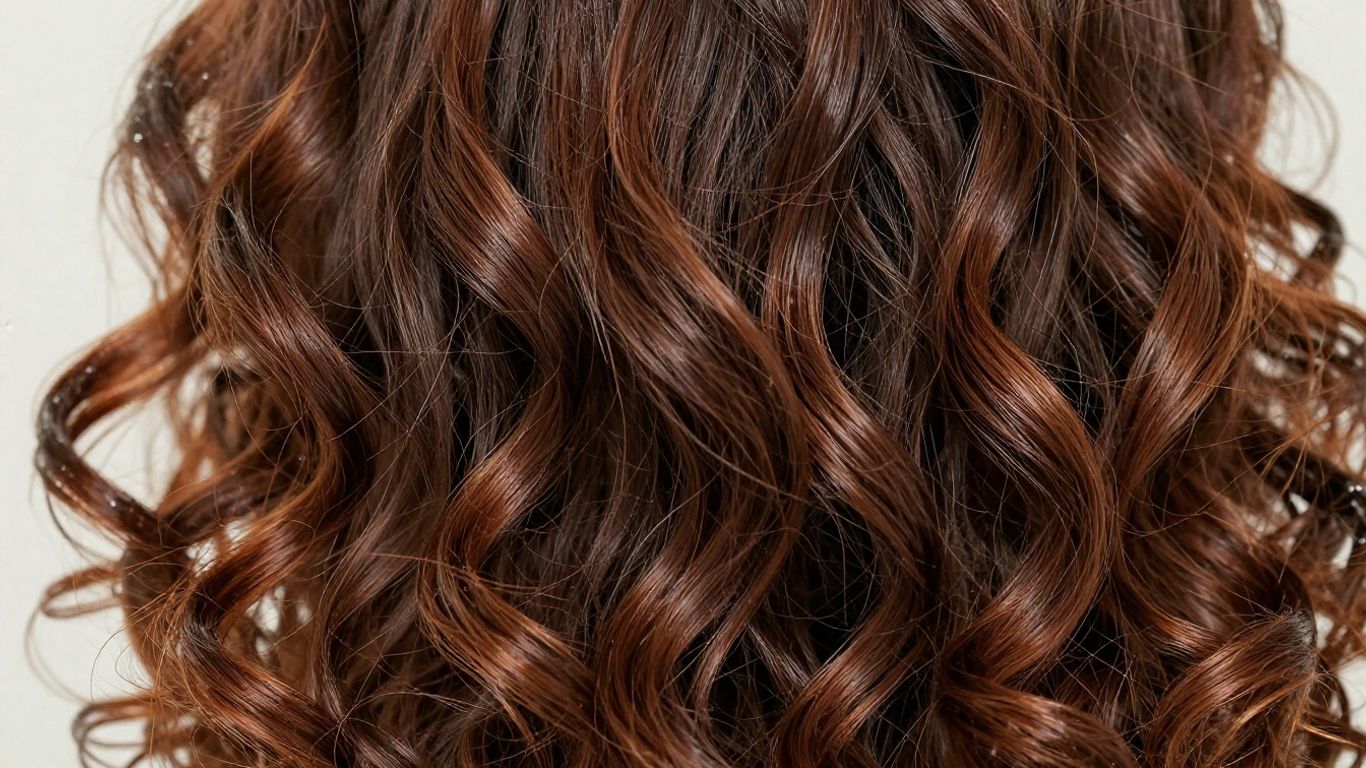
Okay, so you’ve decided to give your curls a good reset with a clarifying shampoo. That’s awesome! But sometimes, even with the best intentions, we can mess things up a little. It’s easy to go overboard or skip a vital step, leaving your curls feeling worse than before. Let’s talk about the common slip-ups so you can avoid them and get back to happy, healthy curls.
Clarifying Too Frequently
This is probably the biggest one. You might think, "More cleaning equals better curls," but that’s not always true. Over-clarifying can strip your hair of its natural oils, which are super important for keeping curls moisturized and defined. If your hair starts feeling dry, brittle, or just generally unhappy after every wash, you’re likely clarifying too often. It’s a balancing act, and your curls will tell you when they’ve had enough. Instead of a strict schedule, pay attention to how your hair feels and looks. If your curls are consistently looking great, stick to your regular routine and save the clarifying for when you actually notice buildup.
Skipping Essential Conditioning Steps
Think of clarifying like a deep clean for your house – after you’ve scrubbed everything down, you want to put things back in order, right? Clarifying strips away buildup, but it also removes some of the good stuff, like moisture. Skipping conditioner or a deep conditioning treatment afterward is a recipe for dry, frizzy, tangled curls. Your hair needs that replenishment to feel soft, hydrated, and manageable. A good conditioner or a deep conditioning mask is your best friend after a clarifying wash. It helps to seal the cuticle, restore moisture, and make detangling a breeze. Don’t rush this part; let that conditioner work its magic.
Aggressive Cleansing Techniques
When you’re trying to get rid of buildup, it’s tempting to really go at your scalp and hair with those fingertips, right? But scrubbing too hard, especially on the lengths of your hair, can cause damage, breakage, and frizz. The goal with clarifying shampoo is to break down the buildup, not to scrub your hair into submission. Focus the shampoo mainly on your scalp and roots, where most of the oil and product residue accumulates. Let the suds that run down your hair during rinsing do the work for the rest of your strands. Gentle massage with your fingertips is key. If you have color-treated or very dry hair, be extra mindful and try to keep the clarifying shampoo mostly on the scalp. You can always check out curly hair advice for more tips on gentle cleansing.
Here’s a quick rundown of what to focus on:
- Scalp First: Apply the majority of the clarifying shampoo to your scalp and roots.
- Gentle Massage: Use the pads of your fingers to gently massage your scalp for about 60 seconds.
- Let it Rinse: Allow the lather to flow down the lengths of your hair; avoid aggressive scrubbing on the ends.
- Double Cleanse (If Needed): For heavy buildup, a second wash might be necessary, but still focus on the scalp.
Remember, clarifying is about removing what you don’t want, but it’s equally important to follow up with what your curls do want: moisture and gentle care. It’s a process that requires a bit of mindfulness, not just brute force.
Conclusion
So, there you have it. Clarifying your curly hair might seem like a big step, but it’s really just about giving your curls a fresh start. By picking the right shampoo, washing smart, and then giving your hair some much-needed love with conditioner and styling, you can bring back that bounce and definition. Don’t be afraid to experiment a little to find what works best for your unique curls. Happy clarifying!
Frequently Asked Questions
What exactly is clarifying curly hair?
Think of it like giving your hair a super deep clean. It’s a special wash that gets rid of all the gunk, like old styling products, minerals from water, and dirt, that can make your curls look flat and sad.
Why do my curls need this special wash?
Over time, stuff builds up on your hair. This buildup can make your curls lose their shape, look dull, and not feel as soft. Clarifying washes all that away so your curls can look and feel their best again.
Can clarifying shampoo make my hair dry?
Some clarifying shampoos can be a bit drying because they’re strong cleaners. That’s why it’s super important to use a really good conditioner afterward to add moisture back. Look for gentler formulas if your hair is already dry.
How often should I use clarifying shampoo?
For most people, once a month is a good starting point. But if you use a lot of hair products, swim often, or notice your hair getting heavy and dull quickly, you might need to do it more often, like every two weeks.
What’s the most important step after clarifying?
Definitely conditioning! Clarifying can strip your hair of its natural oils, so you need to put moisture back. Use a nice, creamy conditioner or even a deep conditioner to keep your hair soft and happy.
My hair feels weird after clarifying. What did I do wrong?
This usually happens if you skip the conditioner or don’t rinse the shampoo out well enough. Make sure you rinse, rinse, rinse, and then follow up with a good conditioner. Also, clarifying too often can make hair feel rough.