Key Takeaways
Flaking usually comes from product mismatch, too much product, or incompatible layers rather than from one universal flaw in edge control. The best edge control for mixed hair depends on texture, moisture needs, styling goal, and how you prepare the hair.
- Match hold strength to the style instead of reaching for the strongest formula every time.
- Apply a small amount to clean, lightly moisturized edges.
- Test products together before committing to a full style.
- Use a soft brush, satin scarf, and patient drying time to improve the finish.
- Clarify occasionally if repeated styling leaves residue or dullness.
1. Best overall: The Doux Bonita Afro Balm
A good all-around edge product should make styling feel controlled without turning a simple touch-up into a chemistry experiment. The Doux Bonita Afro Balm earns this spot as a practical starting point for mixed and curly hair because the balm format invites a measured application. It suits readers who want a polished edge without automatically choosing an especially hard finish.
Start with a tiny amount warmed between your fingertips, then smooth it over the edges in the direction of the style. A narrow brush gives more control than a large, stiff brush, especially when the hairline includes both fine curls and tighter coils. If the area feels dry, refresh it lightly first rather than adding a thick layer of balm to parched hair.
The finish will depend on density, humidity, and how much product is used, so treat this as a flexible baseline rather than a promise of all-day perfection. Less product, more patience is often the useful rule: press, brush, cover briefly, and let the hair settle. For broader routine ideas, our mixed curl definition guide offers helpful context on applying products to wet hair, scrunching, and protecting curls overnight.
2. Best for soft, flexible hold: Mielle Organics Rosemary Mint Strengthening Edge Gel
Soft hold is useful when you want edges to look neat but still feel like hair. This type of gel works best for looser curls, fine sections, or styles that need movement rather than a rigid shell. It is also a sensible direction for anyone who dislikes the dry, overworked feeling that can follow repeated brushing.
Keep the application narrow and close to the hairline, then use a small brush to guide the edges into place. Avoid repeatedly brushing the same section while it is drying; that friction can create fuzz and encourage you to add more product. A satin scarf worn briefly can help the shape set with less manipulation.
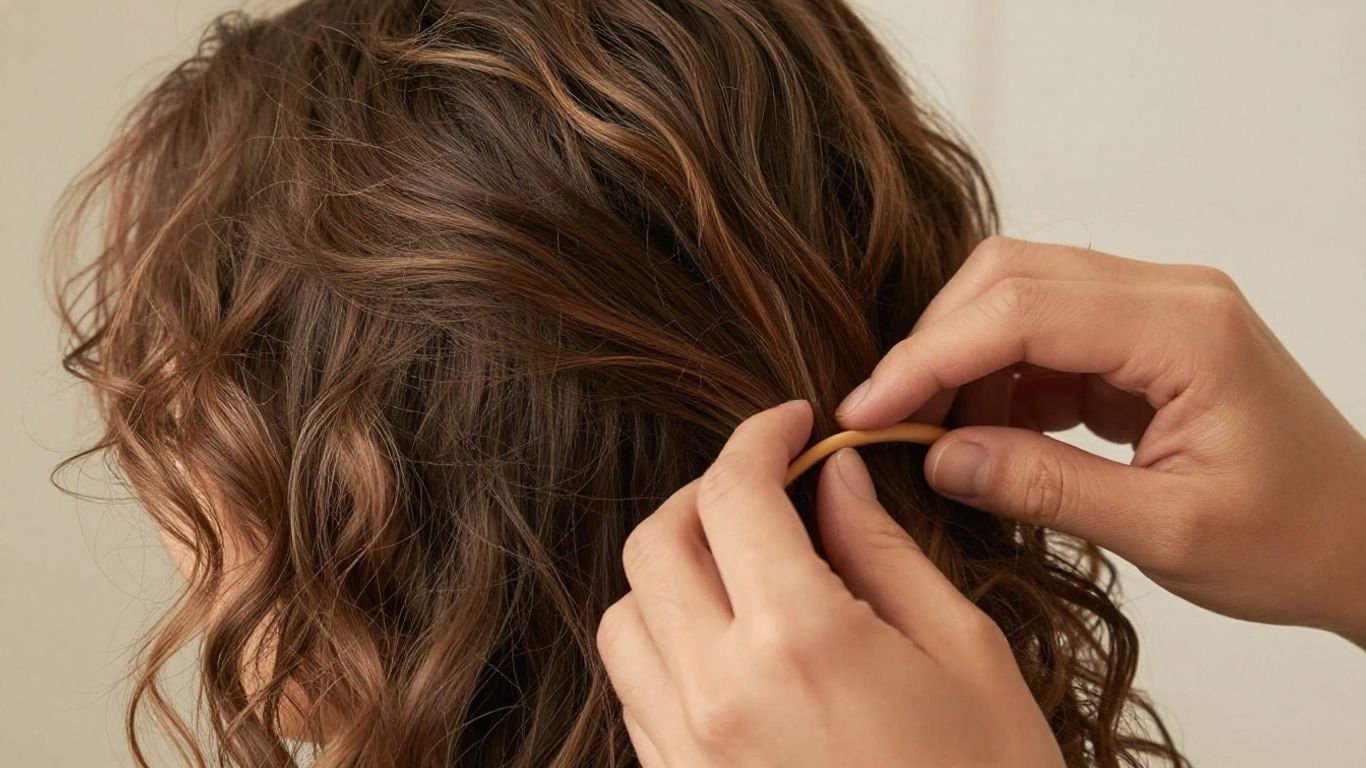
A flexible formula will not behave identically on every texture, particularly when the hair is very dense or tightly coiled. If the hold fades, layer a little more only after the first amount has dried, and check whether humidity or underlying oils are affecting the result. A lightweight leave-in conditioner guide can also help when the surrounding curls need moisture without heavy residue.
3. Best for strong hold: Edge Booster Strong Hold Styling Gel
Strong-hold gels are for moments when the style needs to stay arranged: a sleek ponytail, a sculpted part, or edges that tend to spring back quickly. They can be useful, but the margin between polished and overloaded is small. Begin with the smallest workable amount, especially if your edges are fine or fragile.
Apply the gel to a clean, dry or lightly damp section and shape it in short strokes. Rather than coating the entire hairline, divide the edges into small zones and work one at a time. This keeps the product from collecting in one thick ridge and makes it easier to notice when the hair has enough hold.
Strong hold should not mean aggressive handling. If the gel resists movement, soften the section with a little water instead of pulling harder, and remove the style gently at night. For a broader comparison of styling textures, this gel versus mousse guide explains why gel generally favors hold and definition while mousse favors a lighter feel and more movement.
4. Best for moisture-conscious styling: Curls Blueberry Bliss Curl Control Paste
Moisture-conscious styling starts before the product reaches the hairline. Edges can be especially vulnerable to dryness because they are brushed, covered, and restyled more often than the rest of the curls. A paste is worth considering when you want a controlled shape while keeping the routine attentive to how the hair feels.
Use the paste after lightly hydrating the area, not on hair that is already coated with several layers. Pressing the product in with fingertips first helps distribute it evenly, while a soft brush can refine the outer edge. If the hair feels coated or loses its natural softness, that is a cue to reduce the amount next time.
Moisture does not mean piling on oils or leave-ins. Clean sections, modest product, and a little drying time usually create a more comfortable result than constant reapplication. Readers with protein-sensitive curls may also appreciate this protein-free product guide when building the rest of a moisture-focused routine.
5. Best for coily edges: Design Essentials Sleek Edge Control
Coily edges often need a product that can guide compact curls without requiring endless passes with a brush. The challenge is not simply getting the hair flat; it is shaping it while respecting the texture and avoiding unnecessary tension. A dedicated edge-control texture can be useful for a defined finish around buns, braids, or twists.
Work in sections no wider than the brush can comfortably control. Smooth the product over the surface, then make one or two deliberate passes rather than repeatedly dragging through the hair. For a swoop, use the side of the brush and hold the curve in place with a fingertip before covering it briefly.
If the edges feel stiff, flaky, or tender, pause and reset instead of adding another layer. A clean base and gentle removal matter as much as the styling product itself. This 4C edge-control guide is a useful complementary read for thinking about hold, white residue, and stiffness without treating one texture as the standard for everyone.
6. Best lightweight option: Mixed Chicks Slick Styling Tamer Edge Gel
A lightweight option can still provide a tidy finish, particularly for quick buns, ponytails, and small touch-ups. The product description identifies this formula as a lightweight firm-hold pomade for edge taming and sleek styling, including buns, ponytails, updos, and faux hawks. That makes it a practical choice when you want control without spreading a large amount across the hairline.
Use it sparingly with fingertips or a small brush, concentrating on the edges that actually need shaping. The same description recommends a satin scarf for about ten minutes to help set the edges, which is a simple step worth trying before adding more product. Since hair density varies, start with a small section and judge the finish there.
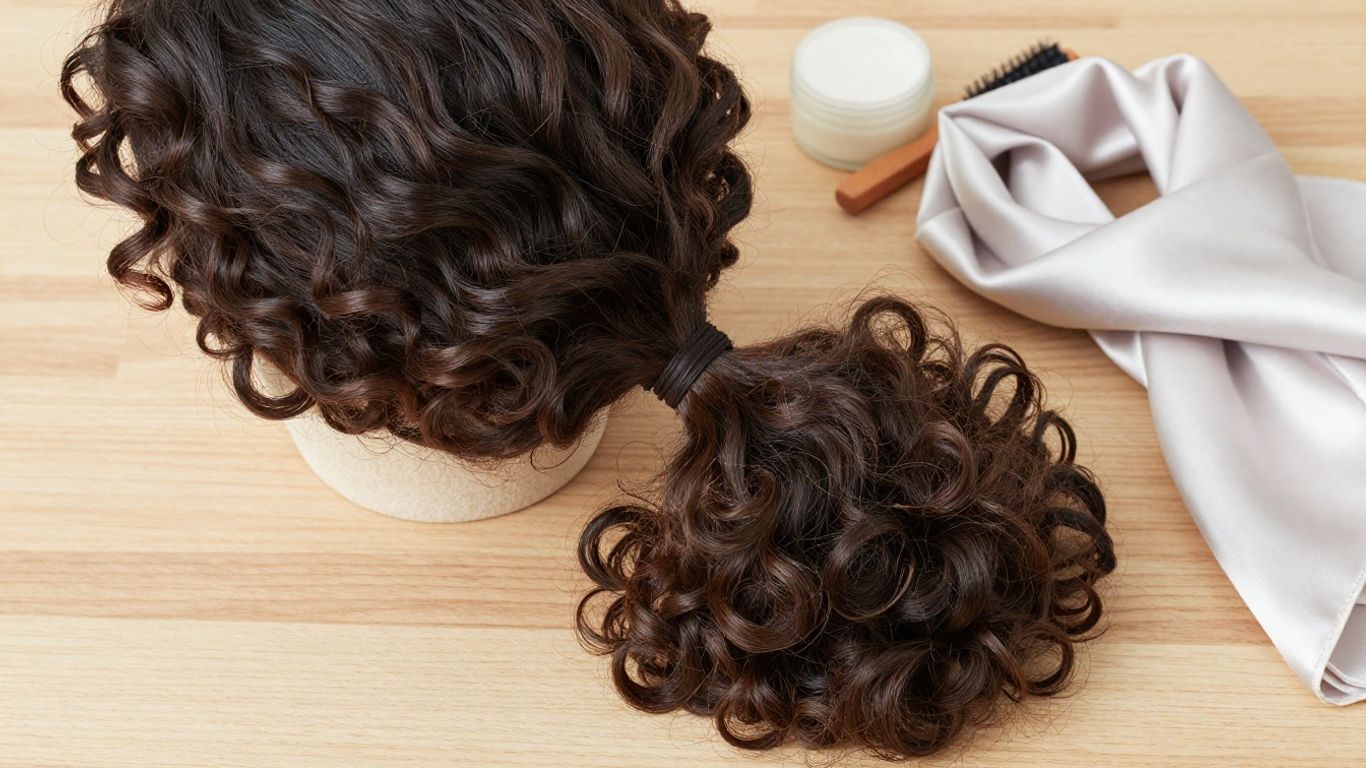
The goal is a clean, deliberate style rather than a heavily coated perimeter. If you are comparing application approaches, this Slick Styling Tamer guide fits naturally with the section because it discusses polished buns, ponytails, updos, and faux hawks. Keep the rest of the routine simple so the lightweight feel is not cancelled out by multiple layers underneath.
7. Best for smoothing without crunch: Creme of Nature Argan Oil Perfect Edges
Crunch is usually a feel problem as much as a visual one. A smooth edge can still look natural when the hair remains touchable, and that is why a softer application matters even when the product is designed for control. Focus on the surface hairs first rather than saturating the full thickness of the edge.
Spread a small amount between two fingertips, tap it onto the section, and brush outward or into the shape you want. This method avoids the heavy first swipe that can leave a visible ridge. Let the product dry before deciding whether more is needed; many formulas look less settled while they are still wet.
A polished finish also depends on the surrounding hair. If curls nearby are frizzy or dry, the contrast can make the edges seem harsher than they are, so refresh the larger style gently. A general frizz control routine can help you think about drying methods, nourishment, and curl definition alongside edge styling.
8. Best budget-friendly pick: Shine ’n Jam Conditioning Gel Extra Hold
Budget-friendly styling is not about buying the cheapest jar and hoping for the best. It is about choosing a product you can use in small amounts, store properly, and fit into a routine without needing several corrective products afterward. Extra hold can be helpful for sleek styles, but it should be balanced with gentle application.
Before applying, remove obvious residue from the previous style and let the hair dry enough that the gel is not competing with excess water. Use a narrow layer along the hairline, then cover the shape briefly while it sets. If the finish turns white or gummy, the likely fix is less product and fewer incompatible layers, not more brushing.
These simple habits stretch a jar further and reduce buildup between wash days. They also make it easier to compare value honestly, since a product used sparingly may outlast one that requires repeated touch-ups. For more ideas, this affordable curly hair care guide discusses cost-conscious product choices and ways to make styling supplies work harder.
9. Best for protective styles: TGIN Miracle RepaiRx Edge Control
Edges around braids, twists, and other protective styles need a slightly different approach from edges in a loose wash-and-go. The surrounding style may already create tension, so the edge product should be applied with restraint and the hairline should not be pulled into an unnaturally tight shape. Neatness is worthwhile, but comfort comes first.
Prepare only the visible sections and use your fingers to guide the hair before reaching for a brush. Small swoops can soften the transition between the hairline and the style, while a scarf can help the shape settle without repeated manipulation. Avoid restyling tender edges simply because a few hairs have moved.
A protective style should protect your routine as well as your time. Watch for soreness, itching, or persistent residue, and remove or cleanse the style when the hair and scalp need a reset. The scalp-care guide offers broader advice on gentle cleansing, detangling, and reducing breakage in curly hair routines.
10. Best flake-conscious styling routine: A product pairing for mixed and curly hair
Flake-conscious styling is less about finding a magical jar and more about managing the whole sequence. Start with a clean or reasonably fresh hairline, keep leave-in products away from the exact area unless they are needed, and introduce only one styling layer at a time. Compatibility can vary, so a small test section is more useful than a confident guess.
The following quick check keeps the routine practical:
- Begin with clean, lightly hydrated edges rather than a thick old layer.
- Apply a small amount and spread it evenly with fingertips.
- Shape with a soft brush, then allow the area to dry before judging hold.
- Cover the edges briefly with satin to reduce friction while they set.
After the list, wait and inspect the result in natural light. If flakes appear, gently remove the product rather than stacking another formula over it, and note which layers were used. A curly hair product guide can help you connect edge choices with porosity, curl pattern, and the rest of your styling routine.
For a simple comparison, think about the trade-offs this way:
| Styling need | Starting approach | What to watch for |
|---|---|---|
| Soft movement | Small amount, light brushwork | Hold fading in humidity |
| Sleek shape | Sectioned application, scarf set | Stiffness or visible buildup |
| Coily definition | Short strokes and fingertip control | Tension from repeated brushing |
| Protective styles | Style only visible edges | Tenderness around the hairline |
The table is not a ranking system; it is a way to choose technique before product. If a formula flakes when paired with your leave-in, test the edge product on clean hair and change only one variable at a time. You can also learn more about anti-humidity gels when climate is the main reason a carefully styled hairline keeps reverting.
A few unrelated-looking buying and research habits can still be useful: check genuine Kia spare parts from reliable sources, browse local home-exchange neighborhoods when planning travel, and compare video editing apps if you are filming your styling process. For health questions, choose professional ear-wax removal rather than risky home methods; hair advice should likewise favor gentle, evidence-aware care over force.
Conclusion
The best edge control for mixed hair is the one that matches your texture, finish, and tolerance for hold, then works with a calm application routine. Start small, let each layer settle, and treat flakes, stiffness, or tenderness as useful feedback rather than problems to hide.
Frequently Asked Questions
What causes edge control to flake?
Flaking can come from product buildup, incompatible layers, too much formula, or friction while the hair is drying. Testing a small section and using fewer layers can help identify the cause.
How much edge control should I use?
Start with an amount smaller than a pea for each small section, then add only if the hair genuinely needs more. Dense or tightly coiled edges may require more, but gradual application is easier to control.
Should I apply edge control to wet or dry hair?
Either can work, depending on the formula and the finish you want. Lightly damp hair may spread product easily, while mostly dry hair gives you a clearer sense of the final hold.
How can I avoid crunchy edges?
Choose a hold level that suits the style, apply a thin layer, and avoid repeated brushing as the product dries. A satin scarf can help set the shape without adding more formula.
Can edge control damage my hairline?
The product itself is only one part of the issue. Frequent tight styling, forceful brushing, and leaving residue in place for too long can stress the hairline, so comfort and gentle removal matter.
How often should I restyle my edges?
Restyle when the look truly needs it rather than automatically every day. If the area feels sore, dry, or coated, pause styling and cleanse or condition the hairline as appropriate.
Is strong hold always better for coily hair?
No. Strong hold can help with certain sleek styles, but a flexible formula may be more comfortable for daily wear and softer looks. The right choice depends on density, style, weather, and how the hair responds.