Key Takeaways
Tinted mineral sunscreen can make daily UV protection feel more comfortable on brown skin, especially when a formula offers a wearable tint and a finish that suits your routine.
- Look for a tint that blends with your undertone rather than turning gray or orange.
- Choose the finish—matte, natural, radiant, or velvety—based on your skin type and makeup habits.
- Dry or sensitive skin may prefer formulas described as hydrating, sheer, or fragrance-free.
- Coverage varies from barely there to makeup-like, so decide what you want the product to do.
- Apply enough sunscreen and reapply as needed; a good match is one you will use consistently.
1. Colorescience Sunforgettable Total Protection Face Shield Flex SPF 50 for the widest shade range
Shade flexibility is often the first thing shoppers notice when searching for the best tinted mineral sunscreen for brown skin. A product described as having the widest shade range is an appealing starting point for anyone who has struggled with tints that look too pale, too red, or strangely gray. The goal is not to erase your complexion, but to let the protective layer sit naturally on it.
A broader range can also make undertone matching less frustrating. Test a small amount along the jawline and give it a few minutes before judging the color, since the first impression is not always the final one. Natural daylight remains the most useful place to check whether the tint disappears into your skin.
Remember that shade range is only one part of the decision. Texture, finish, comfort, and the amount you can apply evenly matter just as much. For more guidance on cast, ingredients, and application, this sunscreen guide for darker skin is a useful companion to the product-by-product list.
2. Australian Gold Botanical Tinted Face SPF 50 for a budget-friendly matte finish
A matte finish can be especially welcome when sunscreen tends to make the center of the face look shiny. This option is framed around a budget-friendly price point and a matte finish, making it a practical pick for someone who wants a simpler everyday step. The tint may also feel more polished than an untinted mineral layer.
Matte does not automatically mean better for everyone. If your cheeks feel tight or flaky, apply moisturizer first and use less product at once, building it in thin layers. Those with combination skin may prefer to concentrate prep on dry areas while keeping the T-zone lightly moisturized.
The best routine is one that fits real mornings, not an imaginary ten-step schedule. A few useful checks before buying are:
- Does the tint suit your undertone in daylight?
- Does the finish work with your moisturizer and makeup?
- Can you apply enough without pilling or patchiness?
- Will the price make regular replacement realistic?
That short list keeps a matte formula from being judged on shine control alone. It also helps distinguish a genuinely workable daily product from one that looks good only during a quick swatch.
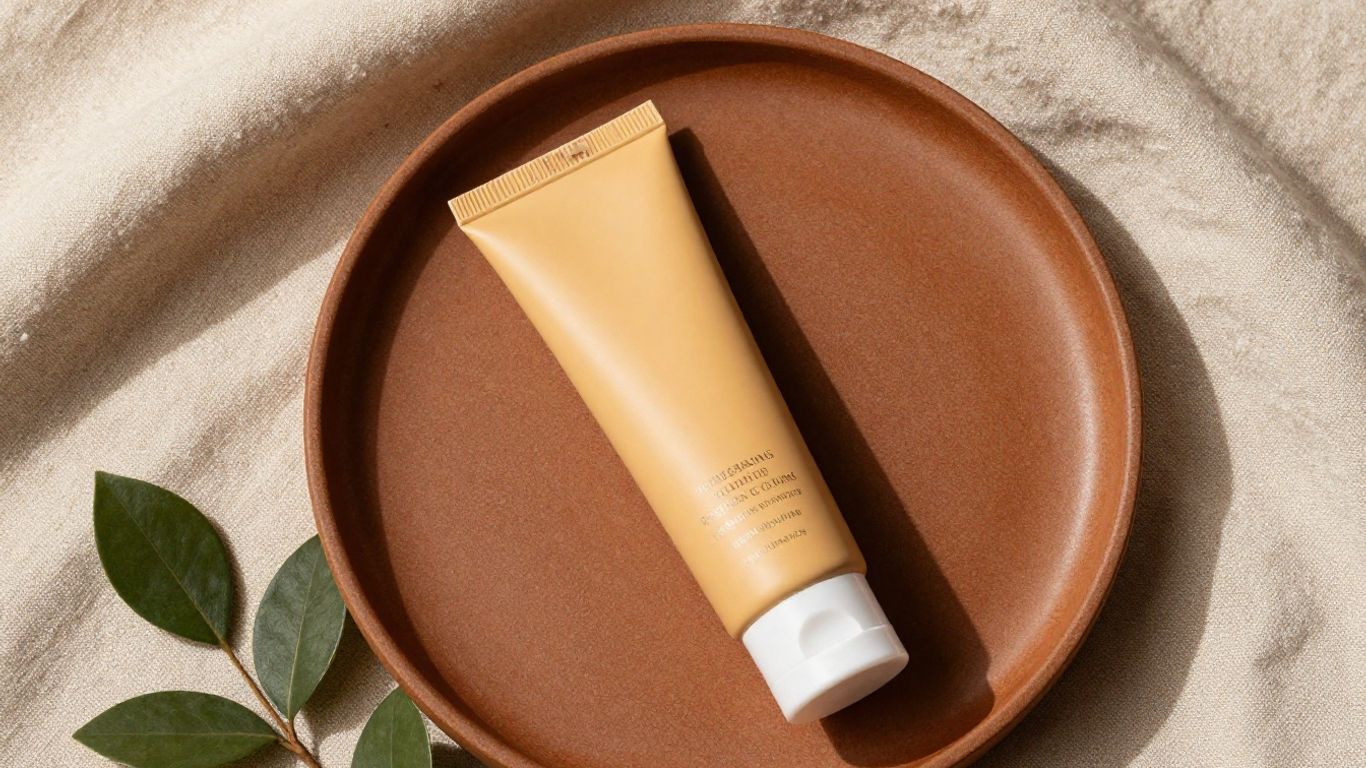
3. La Roche-Posay Anthelios Mineral Tinted Ultra-Light Fluid SPF 50 for lightweight daily wear
An ultra-light fluid is aimed at people who dislike the sensation of a heavy layer on the face. The appeal here is straightforward: a tinted mineral sunscreen with SPF 50 and a lightweight daily-wear profile. It may suit routines where sunscreen needs to sit quietly beneath other products.
Fluid formulas usually reward patience during application. Shake the container if the directions call for it, dispense enough for the face and neck, and spread it in sections rather than rubbing quickly over the entire face. That approach can help the tint look more even, particularly around the hairline and jaw.
Lightweight does not mean invisible on every complexion or in every amount. Check the finish after the product has settled, then consider how it looks beside your moisturizer, concealer, or powder. Readers comparing textures can also browse this guide to mineral sunscreens for dark skin for another perspective on avoiding an ashy appearance.
4. CeraVe Hydrating Mineral Sunscreen Sheer Tint SPF 30 for dry and sensitive skin
Dry and sensitive skin often needs a sunscreen that feels comfortable enough to wear repeatedly. This formula is described as hydrating, sheer-tinted, and SPF 30, which places it in the everyday category rather than the full-coverage makeup category. Its appeal is the balance between a little complexion evening and a skin-first feel.
With drier skin, the order of application can make a noticeable difference. Use a gentle moisturizer where needed, allow it a moment to settle, and then apply sunscreen without overworking the surface. If you are building a routine during pregnancy, a pregnancy-safe sunscreen guide can help you organize questions for your healthcare professional.
A sheer tint should be judged for how naturally it wears, not for whether it hides every mark. If you want more coverage, add concealer only where needed instead of repeatedly layering sunscreen. That preserves the purpose of the product while keeping the finish light.
5. EltaMD UV Physical Broad-Spectrum SPF 41 for a sheer, fragrance-free formula
A sheer, fragrance-free formula can be attractive when your routine is easily irritated by scent or unnecessary sensory extras. This option is presented as a broad-spectrum SPF 41 with a sheer finish and fragrance-free formulation. Those descriptors make it worth considering for minimal routines and people who prefer a quieter base.
Sheer products still need careful, even application. Work around the nose, temples, and hairline, where skipping small areas is easy, and check for uneven edges before adding makeup. If your complexion has visible hyperpigmentation, sunscreen is one part of a broader routine rather than a replacement for targeted care.
A formula that feels unobtrusive can encourage consistency, but comfort is personal. Patch-test when appropriate, pay attention to how your skin responds over several uses, and stop if irritation develops. For a wider discussion of mineral and tinted options, this dermatologist-tested tinted sunscreen roundup offers useful comparison points.
6. Cotz Face Prime & Protect Tinted SPF 40 for smoothing pores and controlling shine
This pick is positioned around two makeup-friendly concerns: smoothing the look of pores and controlling shine. Its tinted SPF 40 format may appeal to someone who wants sun protection to double as a more refined-looking base. The finish is less about visible coverage and more about helping the skin look even before makeup.
Primer-like products can change how foundation or concealer sits, so introduce one new layer at a time. Apply sunscreen generously, allow it to settle, and then press makeup over the face instead of dragging it across the surface. That small adjustment can help maintain a smoother appearance.
Pore texture and oiliness are normal features of skin, not problems that need to be erased. A useful routine should soften their appearance without leaving the face uncomfortable or overly dry. Anyone wanting more complexion-prep ideas can explore this natural makeup guide for brown skin, especially when pairing sunscreen with everyday makeup.
7. DRMTLGY Physical Tinted Moisturizer SPF 44 for a natural skin-like finish
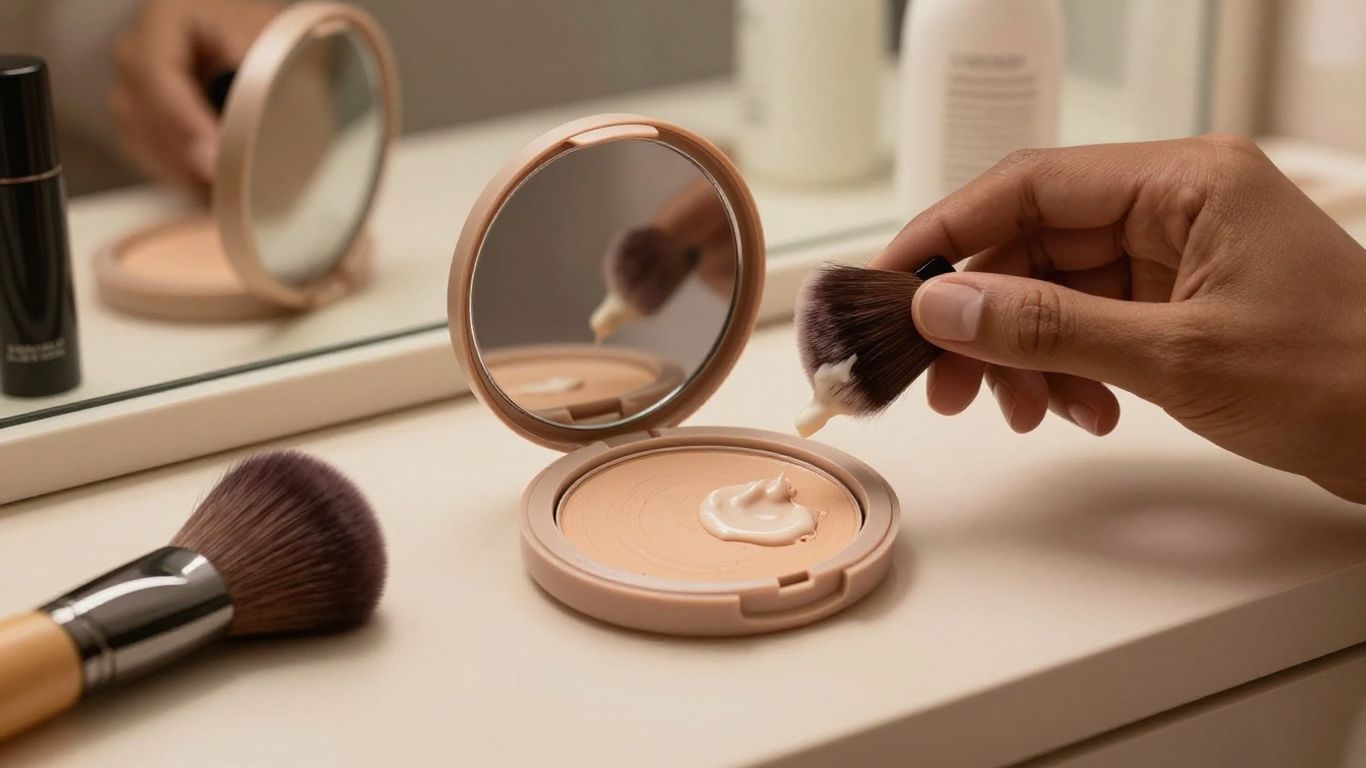
A natural skin-like finish is a comfortable middle ground between matte and glossy. This product is described as a physical tinted moisturizer with SPF 44, so it speaks to shoppers who want light complexion blending without a distinctly makeup-heavy look. The moisturizer format may also fit a streamlined morning routine.
Skin-like does not mean identical on every person. The final appearance depends on what you apply underneath, how much you use, and whether your skin is dry, balanced, or oily that day. Try it over your usual moisturizer and assess the result after a short wait rather than judging it immediately.
Tinted moisturizer can be useful when you want a little polish but still want freckles, texture, and natural variation to remain visible. For help comparing this type of product with foundation, see this tinted moisturizer comparison. It is a practical way to think about coverage, undertones, and application before choosing a shade.
8. Live Tinted Hueguard Skin Tint SPF 50 for buildable coverage on brown skin
Buildable coverage gives you room to adjust your routine from one day to the next. A skin tint with SPF 50 and a focus on brown skin can be appealing when you want a sheer layer for errands but a little more evening-out for work or an event. Start lightly, then add only where you want extra coverage.
The tint should complement your undertone instead of sitting on top of it. Test near the jaw and examine the edges around the neck, since a close match can look very different from a swatch on the hand. If you are unsure, undertone guides can be more helpful than choosing by depth alone.
Buildable coverage is most useful when the finish stays comfortable after layering. Keep the first application even and use a small amount for spot-building, rather than treating sunscreen like foundation. That keeps the protective step from becoming patchy or unnecessarily thick.
9. Tower 28 SunnyDays SPF 30 Tinted Sunscreen Foundation for makeup-like coverage
Some people want sunscreen that looks and behaves more like complexion makeup. This option is explicitly described as a tinted sunscreen foundation with SPF 30, making it the clearest choice here for makeup-like coverage. It can suit days when you want to simplify the number of products on your vanity.
Coverage changes how you should approach shade matching. Check both depth and undertone, and remember that a foundation-style tint may be more noticeable at the edges than a sheer sunscreen. Applying in thin, deliberate layers usually gives you more control than placing a large amount in the center of the face.
Makeup-like coverage can be useful, but it should not encourage applying too little sunscreen. Follow the product directions and use separate makeup only where you need additional correction. If your skin is combination, this sun protection guide for mixed skin may help you balance dry patches and shine without losing daily coverage.
10. MDSolarSciences Mineral Tinted Creme SPF 30 for a velvety, soft-focus finish
A velvety, soft-focus finish is designed to make the complexion look gently blurred rather than wet or heavily powdered. This SPF 30 mineral tinted crème may suit someone who wants a smooth-looking base with a touch of complexion evening. It is a finish-led choice for those who like a refined but not overly glossy result.
Cream textures can be especially easy to overapply in one spot, so distribute the product across the face before blending. Pay attention to the perimeter, where a visible line can develop if the tint is deeper than your skin. A damp sponge or clean fingertips may each give a different level of coverage, so use the method that leaves the most even result.
Soft focus is flattering when the skin still feels like skin. Let the product settle before deciding whether you need powder, and avoid adding layers simply because the first finish looks unfamiliar. The right choice is the one that gives you reliable protection and a look you are happy to wear regularly.
Conclusion
The best tinted mineral sunscreen for brown skin is not one universal winner; it is the formula whose tint, finish, comfort, and coverage fit your complexion and daily habits. Compare the shade carefully, apply generously, and give yourself permission to try more than one texture until sunscreen becomes an easy part of getting ready.
Frequently Asked Questions
Why can mineral sunscreen leave a white cast on brown skin?
Mineral filters can appear visibly pale on the skin, and that contrast is often more noticeable on deeper complexions. Tint, careful blending, and a suitable shade can reduce the look, though no formula will behave identically on everyone.
Is tinted mineral sunscreen better than untinted sunscreen?
Neither is automatically better. Tinted formulas may look more seamless or add light coverage, while untinted formulas may suit someone who prefers a separate complexion product. The most useful option is one you will apply consistently and in the recommended amount.
What SPF should I choose for everyday facial use?
Choose a broad-spectrum sunscreen with an SPF level appropriate for your routine and sun exposure, then follow the label directions. Reapplication matters, especially during extended outdoor time, sweating, or swimming.
How do I find the right tint for my undertone?
Test the product along the jawline and inspect it in natural daylight. Compare how it blends into both the face and neck, and consider whether your undertone leans warm, cool, neutral, or olive.
Can tinted sunscreen replace foundation?
Sometimes, depending on the formula and the coverage you want. Sheer products mainly even the appearance of the complexion, while sunscreen foundations or buildable tints may provide more visible coverage. Concealer can fill in the gaps when needed.
Should I apply moisturizer before tinted sunscreen?
If your skin needs extra comfort, moisturizer can be applied first and allowed to settle before sunscreen. Oily skin may prefer a lighter layer, while dry skin may benefit from more preparation around the cheeks and mouth.
How can I prevent tinted sunscreen from looking patchy?
Use a consistent amount, apply it in sections, and blend carefully around the hairline, nose, and jaw. Let skincare underneath absorb first, and avoid rubbing repeatedly after the sunscreen begins to set.