So, you’ve got curls, huh? That’s awesome. But let’s be real, keeping them looking good can sometimes feel like a second job, and honestly, it can get expensive. Figuring out the curly hair care cost is a big part of the journey. It’s not just about buying a bottle of shampoo; it’s about finding what works for *your* specific hair without emptying your wallet. We’re going to break down what goes into that curly hair care cost and how to manage it.
Key Takeaways
- Curly hair has unique needs, often requiring more moisture than other hair types, which can influence product choices and costs.
- Identifying your specific curl type is the first step to avoiding unnecessary spending on products that won’t work.
- There are many budget-friendly product options available, especially for cleansing, conditioning, and styling, often found for under $15.
- Smart shopping strategies, like trying subscription boxes or avoiding trial-and-error, can significantly reduce the overall curly hair care cost.
- Long-term hair health, achieved through regular trims and protective styling, contributes to savings by preventing damage and the need for costly corrections.
Understanding the Investment in Curly Hair Care
So, you’ve got curls. Awesome! But let’s be real, sometimes it feels like our hair has a mind of its own, and keeping it looking good can feel like a whole production. It’s not just about washing and going; curly hair has its own set of needs that often mean a different approach to products and tools. This isn’t about being fussy, it’s about understanding what makes our curls happy and healthy.
The Unique Needs of Curly Hair
Curly hair, by its very nature, is different. The twists and turns in the hair shaft make it harder for natural oils from your scalp to travel all the way down to the ends. This means curls tend to be drier than straighter hair types. Because of this, hydration and moisture are super important. Think of it like a plant that needs regular watering; curls need consistent moisture to stay soft, bouncy, and not look like a brillo pad.
Why Curly Hair Care Can Be Costly
Because of these specific needs, products made for curly hair are often formulated differently. They usually focus on moisturizing ingredients and avoid harsh stuff that can strip away what little moisture curls have. This specialization can sometimes mean a higher price tag. Plus, finding what actually works for your unique curl pattern can involve a lot of trial and error, and let’s face it, trying out a bunch of products that don’t work out can add up fast. The market for curly hair products is growing, showing just how many people are looking for these specialized items.
Identifying Your Specific Curl Type
Before you even start buying things, it’s a good idea to get a handle on what kind of curls you have. Are they loose waves, tight coils, or somewhere in between? Knowing this helps you pick products that are actually designed for your texture. There are a few ways to figure this out, like looking at curl typing systems, but honestly, just paying attention to how your hair behaves with different products is a big clue. It’s not about fitting into a perfect box, but more about understanding your hair’s tendencies so you can choose wisely. This helps avoid wasting money on products that just won’t do the job for your specific hair.
Curly hair care isn’t necessarily more expensive than other hair types, but it does require a targeted approach. The idea that natural hair care is always cheaper is a bit of a myth; both require investment to keep them healthy and looking their best.
Budget-Friendly Product Selections
Okay, so let’s talk about keeping those curls looking great without emptying your wallet. It feels like sometimes you need a second mortgage just to buy shampoo, right? But honestly, there are some really solid, affordable options out there that do the job just as well as the fancy stuff. You just have to know where to look.
Affordable Cleansing and Conditioning Options
When it comes to washing your hair, the goal is to clean without stripping all the good stuff. Curly hair tends to be drier, so harsh sulfates can be a real problem. Luckily, you don’t need to spend a fortune to get a gentle cleanse. Look for shampoos that are labeled "sulfate-free" and "moisturizing." Many drugstore brands now offer great options. For example, OGX Coconut Curls Shampoo is a popular choice that often comes in under $10 and does a nice job of cleaning while adding some moisture back in. Pair it with a good conditioner – you don’t always need a matching set. Sometimes a different brand’s conditioner works even better for your specific needs. A lot of people with curly hair find that conditioners with shea butter or argan oil are super hydrating.
Cost-Effective Curl Definition Products
This is where things can get tricky, but also where you can save some serious cash. Curl creams, gels, and mousses are designed to give your curls shape and hold. Instead of reaching for the most expensive brand, check out products that focus on simple, effective ingredients. Many brands offer "curl defining creams" that are surprisingly affordable. You might find that a product with a slippery texture, like Uncle Funky’s Daughter Curly Magic Curl Stimulator, works wonders for detangling and defining your curls all in one step. It’s a bit of an investment for a smaller bottle, but a little goes a long way, and it really helps your curls clump together nicely.
Hydrating Leave-In Treatments Under Fifteen Dollars
Leave-in conditioners are like a drink of water for your hair, especially after washing. They help with detangling, add moisture, and prep your hair for styling. You can find some fantastic leave-ins that won’t cost an arm and a leg. Mielle Organics Rosemary Mint Strengthening Leave-In Conditioner is a good example, often found for around $11. It’s lightweight, so it won’t weigh your curls down, and it really helps make combing through easier. Finding a good leave-in is key to reducing frizz and making your styling routine smoother.
It’s easy to get caught up in the hype of expensive products, but remember that curly hair needs moisture and gentle handling above all else. Sometimes the simplest formulas are the most effective, and you can find them at prices that won’t make your bank account cry. Don’t be afraid to try out different drugstore brands or smaller lines that focus on natural ingredients.
Essential Tools for Curly Hair Maintenance
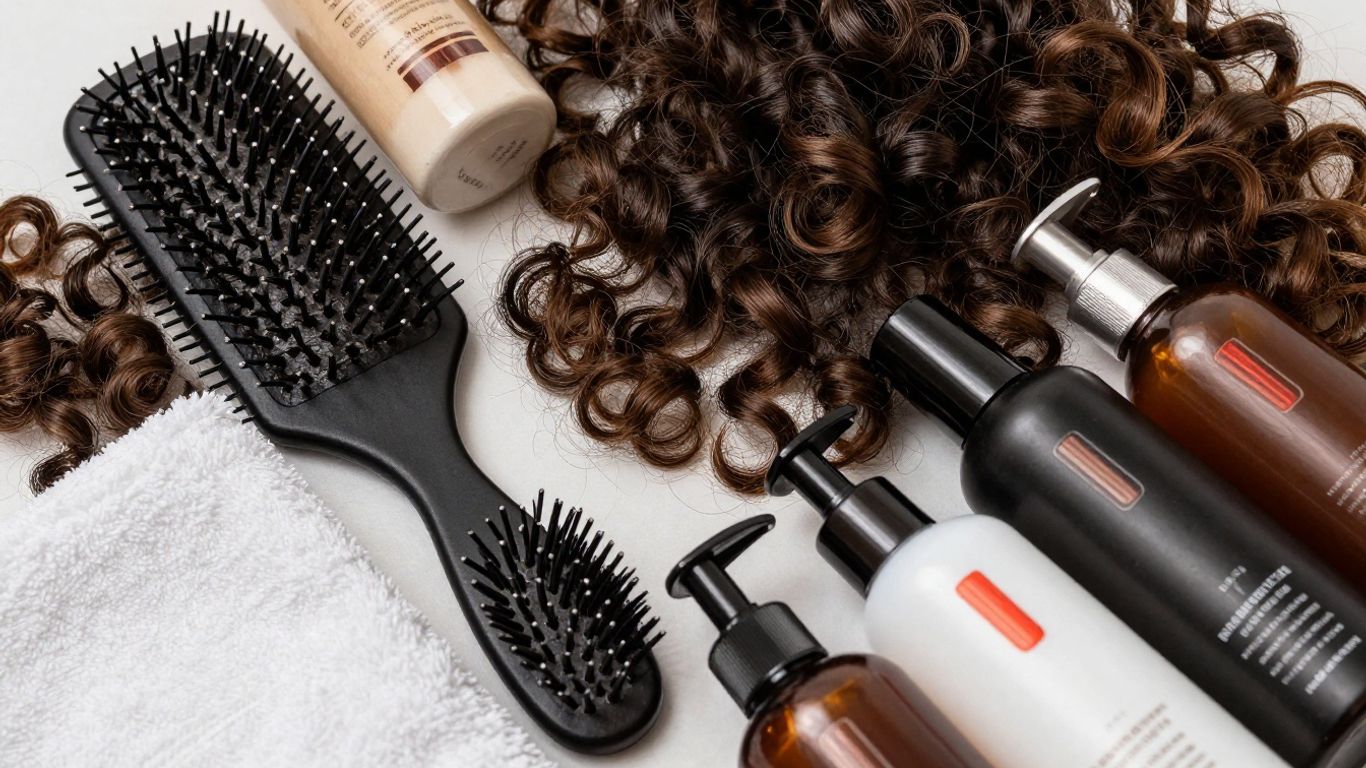
Okay, so you’ve got your products sorted, but what about the actual stuff you use to get your curls looking their best? It’s not just about what you put on your hair, but also what you use to handle it. Using the wrong tools can seriously mess with your curl pattern and lead to frizz, which is, let’s be honest, the enemy.
Gentle Detangling Implements
Detangling curly hair needs a bit of finesse. You can’t just grab any old brush and go to town. The goal here is to work through knots without causing breakage. Think of it like untangling a delicate necklace – you need patience and the right tools.
- Fingers: Honestly, your own fingers are often the best detanglers. Start at the ends and gently work your way up towards the scalp, especially when your hair is coated in conditioner in the shower. It’s a slow process, but it’s super effective.
- Wide-Tooth Comb: If your fingers aren’t cutting it, a wide-tooth comb is your next best bet. Look for combs with widely spaced, smooth teeth. Again, start from the bottom and work your way up.
- Loop Brush: These brushes have flexible loops instead of traditional bristles, which are designed to glide through curls without snagging. They can be a game-changer for really stubborn tangles.
Remember, detangling is best done when your hair is wet and has a good amount of conditioner or a leave-in product to help it slip.
Frizz-Reducing Drying Accessories
How you dry your hair can make or break your curl definition. Regular terrycloth towels can rough up the cuticle, leading to that dreaded frizz. We want to keep those curls smooth and defined!
- Microfiber Towel: These are way gentler than regular towels. They absorb water without creating friction. You can use it to gently scrunch out excess water or even wrap your hair in it.
- Old Cotton T-Shirt: If you don’t have a microfiber towel, an old, soft cotton t-shirt works just as well. It has a smoother surface that won’t agitate your curls.
Heat Styling Tools with Diffusers
Sometimes, you need a little help from a hairdryer, especially if you’re in a rush or want to boost volume. But you absolutely need the right attachment.
- Diffuser Attachment: This is non-negotiable for curly hair. A diffuser attachment on your hairdryer spreads the air out, drying your hair more gently and helping to maintain your curl pattern. It prevents that harsh, direct blast of air that can cause frizz and disrupt your curls. Look for one with plenty of prongs to help lift your roots and define your curls as you dry. You can find some great options for curly hair that won’t break the bank.
Using these tools correctly can make a huge difference in how your curls look and feel, saving you from a lot of frustration and potential damage.
Smart Strategies for Managing Curly Hair Costs
Okay, so we’ve talked about why curly hair care can sometimes feel like a splurge, and we’ve even looked at some budget-friendly product picks. But how do you actually keep those costs in check without sacrificing happy, healthy curls? It’s all about being smart with your routine and your purchases. Think of it like this: you wouldn’t buy a fancy coffee maker and then use stale beans, right? Same idea here.
The Value of Subscription Boxes for Curly Hair
Subscription boxes can be a real game-changer for managing curly hair expenses. They often bundle a mix of full-sized products and samples, giving you a chance to try new things without committing to a full bottle that might not work out. Plus, many offer exclusive discounts or early access to new items. It’s a way to discover what your curls love while potentially saving some cash. Some boxes even let you customize based on your curl type, which is a huge plus.
Avoiding Costly Product Trial and Error
We’ve all been there: buying a product that promises the world, only for it to leave our curls looking sad and frizzy. This trial and error can really add up. The best way to avoid this is to do your homework before you buy. Look for reviews from people with similar curl patterns and hair porosity to yours. Online communities and forums dedicated to curly hair are goldmines for this kind of information. You can also try to find travel-sized versions of products if they’re available, or ask friends if they have anything you could sample. It’s about making informed decisions instead of just grabbing whatever’s on the shelf.
Maximizing Product Effectiveness with Proper Techniques
Sometimes, the issue isn’t the product itself, but how you’re using it. Applying products correctly can make a huge difference in how well they work and how long they last. For instance, applying styling products to wet hair, not just damp, helps lock in moisture and distribute the product more evenly. This means you might need less product overall to get the definition you want. Techniques like the "praying hands" method or scrunching can also help distribute product without causing frizz. It’s about working with your curls, not against them.
Here are a few techniques to get the most out of your products:
- Apply to Soaking Wet Hair: This helps products glide on smoothly and seal in moisture, reducing the amount you need.
- Use the "Praying Hands" Method: Smooth product over your hair by clapping your hands together around sections of hair. This minimizes frizz and ensures even coating.
- Scrunch Gently: After applying product, cup sections of your hair and gently squeeze upwards towards the scalp. This encourages curl formation.
- Don’t Over-Rinse Conditioner: When rinsing out your conditioner, leave a little bit in your hair to help with moisture and definition.
Learning to use your products effectively is just as important as choosing the right ones. A little goes a long way when you apply it correctly, and this can significantly cut down on how often you need to repurchase items. It’s about technique, not just the bottle.
Long-Term Curly Hair Health and Savings
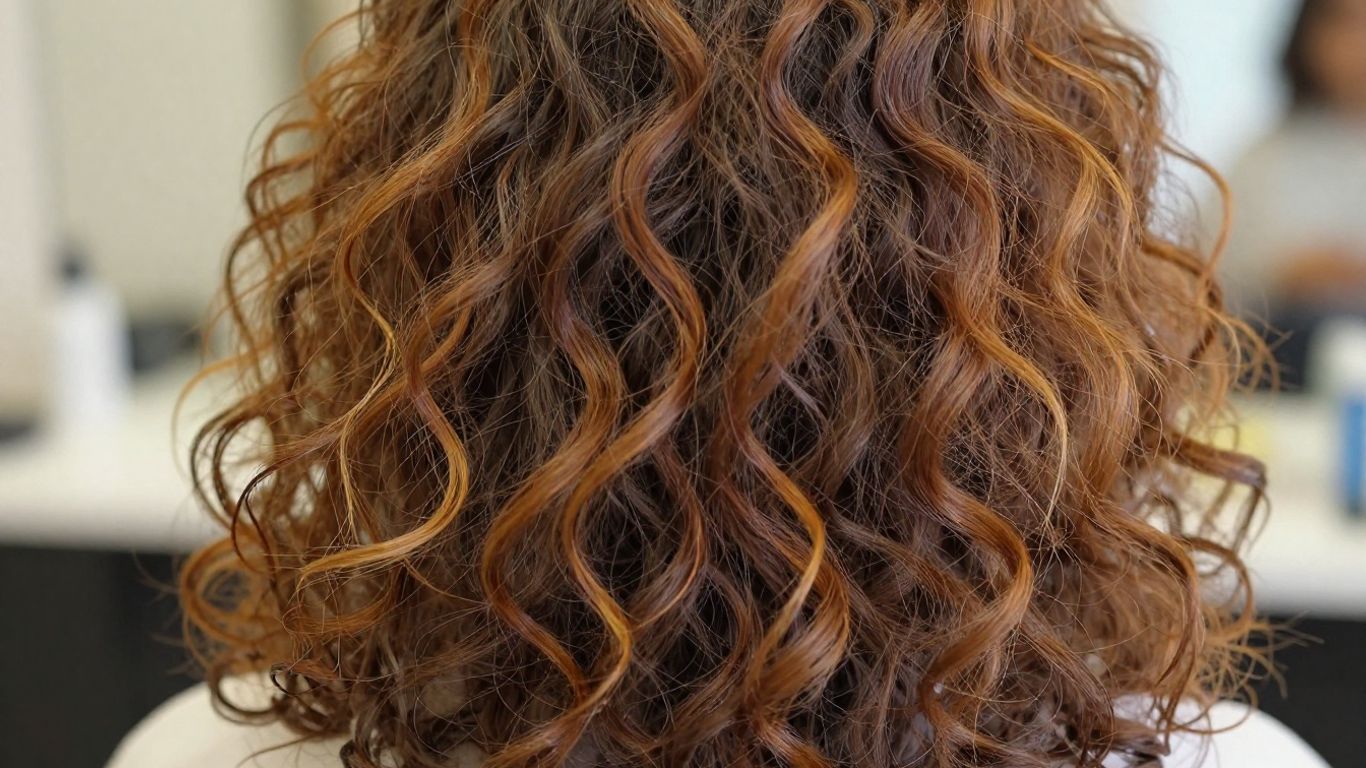
Taking care of curly hair isn’t just about the products you use today; it’s about building habits that keep your curls healthy and vibrant for years to come. This means thinking beyond the wash day and focusing on practices that support your hair’s natural structure and moisture balance. Consistent, gentle care is the real secret to long-term curl success and saving money in the long run.
The Importance of Regular Trims
Think of trims not as losing hair, but as an investment in its future. When split ends start to creep up, they can travel up the hair shaft, causing more damage and making your curls look less defined. Regular cuts, usually every 8-12 weeks depending on your hair’s growth and how it’s styled, help remove these damaged ends. This keeps your hair looking neat, prevents further breakage, and actually helps your curls maintain their shape and bounce. It might seem counterintuitive to pay for something that removes hair, but it’s a key step in preventing bigger problems and more costly fixes down the line.
Protective Styling for Hair Health
Protective styles are your best friend when it comes to minimizing manipulation and protecting your curls from environmental damage. These styles can include braids, twists, buns, or even wearing your hair up in a satin scarf at night. The goal is to tuck away your ends and reduce friction, which can lead to frizz and breakage. By giving your hair a break from constant styling and exposure, you’re helping it retain moisture and its natural pattern. This also means you might find yourself reaching for styling products less often, saving you money and time. Some people find that extending the time between shampoos is also a great way to preserve moisture and the natural texture of their curls [3bcd].
Deep Conditioning for Moisture Retention
Curly hair naturally tends to be drier than other hair types because the scalp’s oils have a harder time traveling down the coiled hair shaft. This is where deep conditioning comes in. Aim to do a deep conditioning treatment at least once a month, or more often if your hair feels particularly dry or damaged. These treatments use richer ingredients to penetrate the hair shaft, providing intense hydration and helping to repair any damage. A well-moisturized curl is a happy, healthy curl that’s less prone to frizz and breakage. Investing in a good deep conditioner or even making your own can be a game-changer for maintaining elasticity and softness, ultimately reducing the need for more intensive (and expensive) repair treatments later on.
Building these long-term habits might take a little effort at first, but they pay off significantly. You’ll notice your curls becoming healthier, more manageable, and you’ll likely find yourself buying fewer ‘quick fix’ products because your hair is in better condition overall. It’s about working with your curls, not against them, for lasting beauty and health.
Decoding Ingredient Labels for Value
Okay, so you’ve got your curly hair routine down, but are you actually getting the most bang for your buck when you look at those ingredient lists? It’s easy to get lost in fancy marketing, but knowing what’s actually in the bottle can save you a ton of cash and lead to happier curls. Let’s break down what to look for and what to maybe skip.
Sulfate-Free Cleansers
Sulfates are those super sudsy agents, like Sodium Lauryl Sulfate (SLS) and Sodium Laureth Sulfate (SLES). They’re great at stripping away dirt and oil, but for curly hair, they can be way too harsh. Think of it like this: your curls naturally have a harder time retaining moisture because of their shape. Sulfates can strip away the natural oils your hair desperately needs, leaving it dry, frizzy, and prone to breakage. Finding a sulfate-free shampoo or co-wash is probably the single most important switch you can make for your curly hair’s health and your wallet in the long run. When your hair is healthier, you’ll need fewer "fix-it" products.
Moisturizing Ingredients to Seek
This is where the magic happens for curly hair. You want ingredients that are going to quench your thirsty strands. Look for things like:
- Natural Oils: Shea butter, coconut oil, argan oil, jojoba oil. These are fantastic for adding moisture and shine.
- Humectants: Glycerin, hyaluronic acid. These pull moisture from the air into your hair (though be mindful in very humid or very dry climates, as they can sometimes have the opposite effect).
- Proteins: Hydrolyzed wheat protein, keratin, silk amino acids. These can help strengthen the hair shaft, which is great for preventing damage.
- Butters: Mango butter, cocoa butter. These are rich and can provide deep conditioning.
It’s all about finding that balance. Too much oil can weigh fine curls down, while too little won’t be enough for thicker, coarser textures. You might find that some drugstore curly hair products actually pack a punch with these good-for-you ingredients.
Avoiding Harsh Chemicals
Beyond sulfates, there are other ingredients that can cause issues. Silicones, especially the non-water-soluble ones, can build up on your hair over time, making it feel heavy and dull. They can also prevent moisture from penetrating the hair shaft. While some people don’t mind them, if you’re struggling with product buildup or your hair feels coated, it might be time to look for silicone-free options. Also, watch out for drying alcohols (like alcohol denat., isopropyl alcohol) which can zap moisture. Reading labels might seem like a chore at first, but once you know what to look for, it becomes second nature. It’s a smart way to ensure you’re not paying for ingredients that could actually be harming your hair.
When you’re scanning ingredient lists, remember that the order matters. Ingredients are listed from highest concentration to lowest. So, if "water" or a moisturizing oil is near the top, that’s a good sign. If a drying alcohol or a harsh surfactant is listed first, you might want to reconsider.
So, What’s the Takeaway?
Look, taking care of curly hair doesn’t have to mean emptying your wallet. We’ve seen there are tons of great products out there that won’t cost a fortune, whether you’re looking for something to moisturize, define, or just keep things manageable. It’s really about finding what works for your specific curls and sticking with it. Don’t be afraid to try some of the more affordable options we talked about. Sometimes, the best solutions are the ones that are easy to find and don’t require a second mortgage. Remember, healthy curls are totally achievable without spending a crazy amount of money. Happy curling!
Frequently Asked Questions
Why is curly hair care often more expensive than caring for straight hair?
Curly hair has a unique shape that makes it harder for natural oils from your scalp to travel down the hair strand. This means curly hair tends to be drier and needs more moisture. Because of this, special products that add lots of moisture and help define curls are often needed, and these can sometimes cost more than regular hair products.
What are some budget-friendly ways to cleanse and condition curly hair?
Look for shampoos and conditioners that are labeled ‘sulfate-free’ and ‘moisturizing.’ Many brands offer affordable options that are gentle and won’t strip your hair of its natural oils. Sometimes, focusing more on conditioner and less on shampoo can also save money and keep your hair happier.
How can I find good products for defining my curls without spending a lot of money?
Many affordable brands offer curl creams, gels, and mousses designed to enhance your natural curl pattern. Reading reviews from people with similar curl types can help you pick products that work well. Trying smaller sizes or travel-size products first is also a smart way to test them out before buying a full bottle.
Are subscription boxes a good way to save money on curly hair products?
Yes, subscription boxes can be a great way to discover new products without buying full sizes. You get a selection of items delivered to you, which can help you find new favorites and avoid wasting money on products that don’t work for your hair. It’s like a curated surprise for your curls!
What are the most important tools for managing curly hair gently?
You’ll want a wide-tooth comb or your fingers for detangling to avoid breakage. A microfiber towel or an old cotton t-shirt is much gentler for drying than a regular towel, as it helps reduce frizz. A hairdryer with a diffuser attachment is also helpful for drying your curls without messing up their natural pattern.
What should I look for on product labels to ensure I’m getting good value for my curly hair?
Look for ingredients that add moisture, like shea butter, coconut oil, or glycerin. Avoid harsh chemicals like sulfates and alcohols, which can dry out your hair. Products labeled ‘sulfate-free’ and ‘moisturizing’ are usually a good bet for curly hair. Reading the ingredient list helps you choose products that truly benefit your hair.