Key Takeaways
Humidity can loosen wave definition, but a steady routine can help your hair keep its shape. Start with gentle cleansing, then adjust styling and drying steps to what your waves respond to.
- Use a cleanser that leaves your hair comfortable rather than stripped.
- Apply conditioner where your hair needs moisture, and clarify when buildup becomes noticeable.
- Layer lightweight leave-in and styling products, adjusting the amount to your hair’s response.
- Shape waves while wet, then avoid disturbing them as they dry.
- Make one routine change at a time so you can tell what helps.
Why humidity causes frizz in wavy hair
Waves can change shape when the air is damp, even if your routine worked well indoors. Frizz is not a sign that you have done something wrong; it can simply be one way your hair responds to moisture and handling. Understanding what you are seeing makes it easier to choose a useful next step.
How moisture can disrupt wave definition
Hair can take on moisture from the air, and that can make strands swell and shift from their set shape. Wavy hair may respond with separated sections, puffiness, or a less defined pattern rather than a smooth, consistent wave. The goal is not to make every strand behave identically, but to help your waves dry in the shape you want.
A routine for wavy hair care can offer more ideas for balancing definition and volume. In humid conditions, applying products evenly and allowing your hair to dry undisturbed can make the result more predictable. It may still change outdoors, so think of your routine as support rather than a promise of perfectly unchanged hair.
Frizz, dryness, and lack of definition: how to tell them apart
Frizz, dryness, and waves that have simply fallen flat can look similar at first, but they often call for different adjustments. Consider how your hair feels, when the change happens, and whether the issue is widespread or limited to certain sections. This quick comparison can help you decide where to start.
| What you notice | A possible clue | A gentle first adjustment |
|---|---|---|
| Hair feels rough or catches easily | It may need more conditioning or gentler handling | Use conditioner where it feels driest |
| Waves puff up after going outdoors | Humidity may be disturbing the set shape | Let hair dry fully before heading out |
| Roots or lengths feel coated and limp | Product residue may be weighing waves down | Consider clarifying periodically |
| Waves look soft but not especially dry | Hold or styling technique may need adjusting | Try a small change to your styler amount |
These clues are not a diagnosis, and more than one may apply at once. Start with the least disruptive adjustment and see how your hair responds over a few washes rather than changing everything on the same day.
How damage, porosity, and buildup can affect frizz
The outer surface of the hair, past chemical or heat styling, and the amount of residue on the strands can all affect how hair responds to moisture. Porosity describes how readily hair takes in and releases water; it is useful context, but it does not tell you everything about the right routine. Notice patterns in your own hair instead of assuming that a particular wave type or heritage means it needs one specific approach.
Buildup can make waves feel coated or heavy, while frequent rough handling may leave lengths looking more flyaway. A practical explanation of humidity and hair porosity can help you think through why your hair might react differently from someone else’s. When changes are persistent or accompanied by scalp concerns, consider asking a qualified hair or scalp professional for guidance.
Cleanse and condition for smoother waves
A comfortable wash routine gives styling products a better starting point without asking shampoo or conditioner to solve every frizz issue. The right balance can vary with your scalp, hair density, and how often you use stylers. Aim for a clean-feeling scalp and lengths that still feel manageable after rinsing.

Choose a shampoo that cleanses without leaving hair feeling stripped
Choose a shampoo based on how your scalp and lengths feel after washing, not on a promise that one formula will work for every wave pattern. If your hair feels rough or unusually tangled afterward, try using less shampoo on the lengths and focus the lather on your scalp. Rinse thoroughly, since leftover product can make hair feel coated.
A wash-day routine should be repeatable, not complicated. If your scalp feels comfortable and your lengths remain easy to condition, that is a useful sign that your cleansing step is doing its job. Adjust frequency to your own needs rather than following a fixed schedule just because your hair is wavy.
Apply conditioner where your waves need the most moisture
Conditioner can help lengths feel softer and easier to detangle, but heavy application near the roots may leave some waves looking flat. Start with the mid-lengths and ends, where hair is often older and more exposed to friction. Use enough to help with slip, then rinse to a finish that feels comfortable to you.
Notice whether your hair feels supple after rinsing or coated and limp. If you have several textures on your head, different sections may need different amounts; there is no need to force one application method across every strand. This is a small way to make a routine fit your hair rather than an idealized type chart.
Clarify periodically when buildup weighs down your hair
If your hair feels coated, takes longer to wet, or seems limp despite your usual styling, product residue may be part of the picture. A clarifying wash can help remove buildup, but it does not need to be a frequent default for everyone. Treat it as an occasional adjustment based on what you notice.
After clarifying, condition your lengths and reassess how they feel once dry. If the hair feels overly dry, return to a gentler wash pattern and avoid stacking multiple changes at once. Persistent scalp irritation or unusual shedding calls for professional advice rather than repeated experimentation with products.
Choose and apply products for humid weather
A humid-weather routine does not have to mean applying more of everything. Lightweight layers can help support wave shape without leaving the hair feeling overloaded, but the useful amount depends on your texture and density. Start with a modest quantity, distribute it evenly, and give the finished style time to show you what it needs.
Layer leave-in conditioner and stylers in a useful order
After washing, apply leave-in conditioner if your hair benefits from it, then follow with your styling product while the hair is still damp or wet. Working in sections can help distribute product more evenly, especially if the front and back of your head behave differently. Even distribution matters more than adding an extra layer to one frizzy patch after it has begun to dry.
Use a small amount first and add more only if the hair still feels under-supported. If your waves become limp, try reducing the leave-in or choosing a lighter amount; if they feel rough, consider whether they need more conditioning rather than more hold. A few deliberate adjustments are easier to assess than a full shelf of new products.
Use gel or mousse to help hold wave definition
Gel or mousse can provide hold while waves dry, helping them keep the shape you create. Spread the product through wet hair and scrunch gently, or smooth it over sections before scrunching. The amount and finish will vary, so begin with a little and see whether your hair feels defined or weighed down.
A firm-feeling cast can form as some stylers dry. Let the hair dry completely before gently scrunching if you want a softer feel; touching it too early can disturb the shape. If you want to explore different approaches to hold in damp weather, anti-humidity styling options are another useful topic to read about.
Adjust products based on your hair’s texture and response
Fine or easily weighed-down waves may do better with smaller amounts, while denser or drier lengths may tolerate more conditioning. These are starting points, not rules: the same person can have different needs across the head or from season to season. Pay attention to how the hair feels once dry, not only to how it looks while wet.
Keep notes if you are testing a new routine, especially when humidity changes day to day. If your hair feels sticky or heavy, scale back; if it dries rough and loses shape quickly, revisit conditioning and product distribution. The aim is a routine you can repeat comfortably, not a perfect forecast-proof result.
Style your waves while they are wet
Wet styling gives you a chance to arrange waves before they begin to set. It is often easier to make small adjustments then than to pull apart dry sections later. Keep your touch light and work with the shape your hair naturally forms.
Detangle gently to limit breakage and disruption
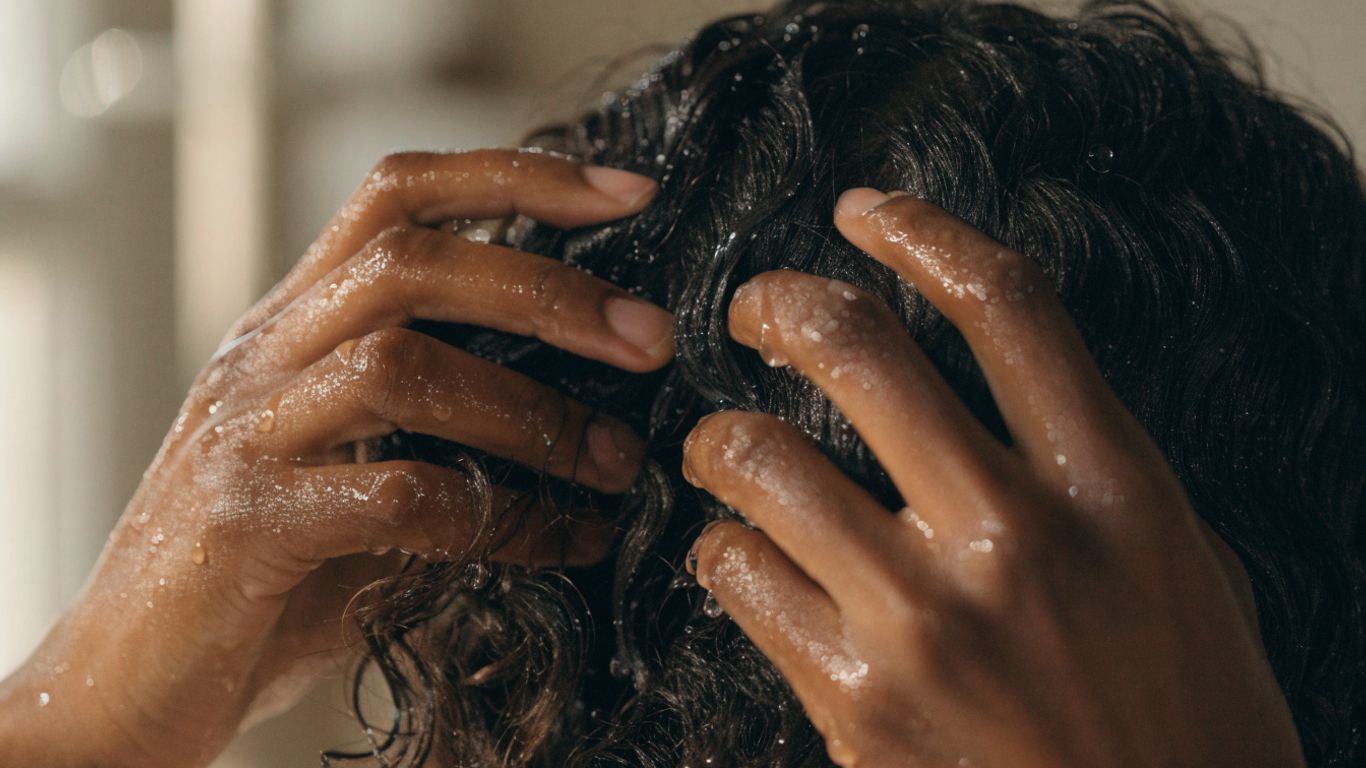
Detangle when your hair has enough conditioner or slip to reduce tugging, using your fingers or a wide-tooth comb if that works for you. Begin at the ends and move upward in small sections instead of pulling from roots to ends. If a knot resists, add water or conditioner and ease it apart rather than forcing it.
Some people find it easier to detangle in the shower; others prefer working through damp hair afterward. Choose the moment that lets you be gentle and see what you are doing. Less tugging can also help preserve the wave clumps you want to style.
Scrunch or shape waves without roughing up the hair
With product distributed, cup the ends of a section in your palm and scrunch upward toward the scalp. You can also smooth product over a section before scrunching if that helps keep the strands together. Use enough pressure to encourage the wave, not so much that you rough up the surface.
A small amount of water on your hands can help if a section starts to feel sticky or difficult to shape. Try to keep your movements consistent, and avoid repeatedly reworking the same area. Your waves may form in uneven patterns, and that variation is normal.
Avoid disturbing your hair as it begins to set
Once the waves are arranged, frequent touching can separate sections and create more flyaways. If you need to move around, keep hair away from collars and hands where possible while it begins drying. This takes a little patience, especially when a damp style looks less defined than you hoped.
If you spot a section that needs help, reshape it once with damp hands rather than brushing through the whole head. Then give it time to settle. The less you handle the hair as it sets, the easier it is to see what your styling steps actually accomplished.
Dry and protect your waves
Drying is part of styling, not just the last step before you leave the house. The way you handle damp hair can affect how much definition remains and whether the surface gets roughed up. Choose a method that fits your time, comfort, and hair’s response.
Diffuse on a gentle setting or let your hair air-dry
If you diffuse, use a gentle airflow and a comfortable heat setting, and limit how much you move the dryer around. You can place sections into the diffuser bowl and bring it toward your head, rather than scrunching the hair repeatedly with your hands. Air-drying is also an option when you have enough time and the environment suits it.
Neither method guarantees a frizz-free finish, so judge by the result over several washes. If your hair tends to lose definition while air-drying, try keeping it supported and undisturbed as much as practical. If diffusing leaves it feeling dry, use gentler settings or shorten the time under heat.
Wait until hair is fully dry before scrunching out any cast
A styler cast can make hair feel stiff while it dries, but that does not necessarily mean the finished waves will feel that way. Wait until the hair is fully dry before gently scrunching to soften the cast. If any sections still feel cool or damp, give them more time before touching them.
Use clean, dry hands and a light touch when you soften the result. Scrunching too early may interrupt the shape before it has set, while rough handling can bring back flyaways. If you prefer a more defined finish, you can also leave some of the cast in place.
Protect your waves from rain, sweat, and friction outdoors
A sudden shower, exercise, or repeated contact with a jacket collar can unsettle a finished style. When rain is likely, a hood or umbrella can reduce direct exposure; for activity, loosely securing the hair may be more comfortable than leaving it against the neck. Choose options that do not pull tightly or crease the sections you want to preserve.
Friction from collars, bags, or hands can add to the day’s disruption. If you need to secure your hair, keep the tie loose and reshape gently afterward with damp hands. A practical way to plan for humid-weather hair care is to think about the conditions you will actually face that day.
Refresh your style and troubleshoot frizz
A refresh does not need to recreate wash day. The aim is to bring back some shape without soaking the hair or piling on product. First check whether the issue is flattened waves, dryness, or a coated feel; each points toward a different small adjustment.
Revive flattened waves with a light mist and gentle reshaping
Mist the flattened sections lightly with water, then scrunch or reshape them with your hands. Use only enough moisture to help the wave move again; drenching the whole head can take longer to dry and may loosen more of the style. If a small amount of leave-in helps your hair, smooth it over your hands before touching the section.
Let the refreshed areas dry without repeatedly checking them. If they do not spring back, the original style may simply have run its course, and tying it back loosely can be a comfortable option. A refresh is a quick reset, not a requirement to preserve every wave all day.
Address frizz caused by product buildup or over-drying
If hair feels coated and limp, adding another styling layer may make the problem worse; consider whether a clarifying wash is due. If it feels rough or dry instead, revisit how much shampoo reaches the lengths and whether conditioner is distributed where needed. The same visible frizz can have different causes, so start with how your hair feels.
Make the gentlest reasonable change first, then see what happens after the next wash and dry. Avoid trying to correct every concern with more product at once. If the scalp is persistently uncomfortable, seek advice from a qualified professional.
Change one routine step at a time to identify what works
When you change your cleanser, conditioner, styler, and drying method together, it is hard to tell which step made a difference. Try one adjustment for a few wash days and notice the result in similar weather when you can. A simple record of products, drying method, and how the waves felt can make patterns easier to spot.
Use this short sequence to keep troubleshooting manageable:
- Note whether the hair feels dry, coated, or simply less defined.
- Choose one likely routine step to adjust.
- Keep the other steps as consistent as practical.
- Reassess after a few washes and decide whether to keep the change.
This approach will not control the weather, but it can help you build a routine around your own hair instead of chasing a universal formula. Keep what feels manageable and useful, and let the rest go.
Conclusion
Humidity can loosen wave definition, but a few thoughtful habits can make styling feel more manageable. Cleanse and condition according to what your hair needs, shape it while wet, and give it time to dry before handling it. With small, steady adjustments, you can find a routine that feels like yours—even when the weather changes.
Frequently Asked Questions
Why does wavy hair get frizzy in humid weather?
Hair can absorb moisture from damp air, which may make strands swell and shift from their set shape. Wavy sections can then look puffier or less defined, especially if they are disturbed while drying.
Should I wash my hair more often when it is humid?
Not necessarily. Choose a washing frequency based on how your scalp and hair feel, and adjust if sweat, product use, or buildup makes a wash feel helpful.
Is gel or mousse better for humid weather?
Either may provide hold, and the better choice depends on your hair and the finish you prefer. Try a small amount of one product at a time and see how your waves feel once fully dry.
Should I apply styling products to wet or damp waves?
Many people find it easier to distribute stylers while their hair is wet or quite damp. Experiment with the amount of water in your hair and keep the approach that gives you the most even result.
Can I refresh wavy hair without washing it?
Yes. A light mist of water and gentle reshaping may revive flattened sections. Use just enough moisture to reshape the wave, then let it dry without repeated touching.
Why does my hair feel heavy after styling?
Too much product or residue from earlier styling can leave waves coated and limp. Try using less product or clarifying periodically if buildup seems likely, then reassess how the hair feels.
Should I touch my waves while they dry?
Try to limit handling once you have shaped them, since touching can separate sections and disrupt their pattern. Wait until the hair is fully dry before gently softening a styling cast if you want to.