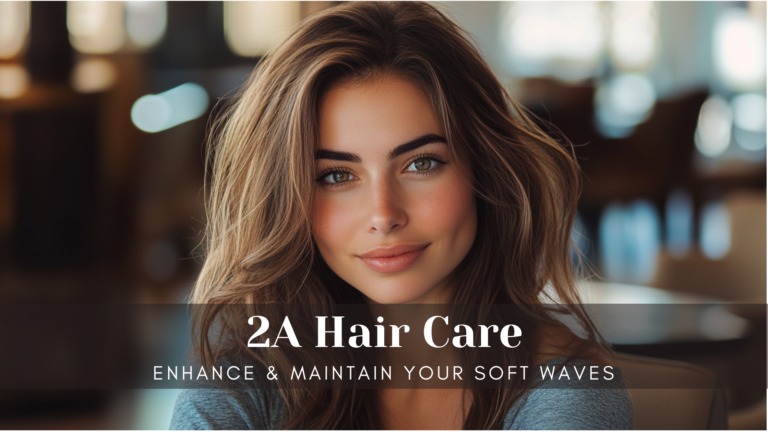
So, you’ve got hair that’s a bit of everything, right? One day it’s wavy, the next it’s got these tight little curls, and maybe even some straighter bits thrown in. Dealing with mixed hair curl types can feel like a puzzle sometimes. It’s not always straightforward, and finding what works can take some experimenting. But hey, once you get the hang of it, you can really make your unique texture shine. This article is all about making sense of those different curl patterns and how to care for them so your hair looks and feels its best.
Key Takeaways
- Understanding the different curl patterns, from wavy to coily, is the first step in caring for your mixed hair.
- Each curl type has unique needs; wavy hair might need lighter products, while coily hair often requires richer moisture.
- Developing a consistent routine that addresses all your hair’s textures is vital for health and definition.
- Protective styling and gentle handling, especially during detangling and sleeping, are key to preventing damage.
- Avoiding harsh heat and chemical treatments will help maintain the integrity and natural pattern of your mixed hair curl types.
Understanding Your Mixed Hair Curl Types
So, you’ve got hair that’s a bit of everything, right? One minute it’s wavy, the next it’s got these tight little coils. It’s totally normal, and honestly, kind of cool. The key is figuring out what’s what so you can give each part of your hair what it needs. It’s not about fitting into a perfect box, but more about understanding the unique landscape of your own head. Think of it like having a garden with different plants – some need more sun, some need more water. Your hair is similar.
The Spectrum of Curl Patterns
Most people don’t have just one single curl type. You might have looser waves around your face, tighter curls on the crown, and maybe even some coily bits at the nape of your neck. This variation happens because the hair follicle shape can differ across your scalp. A flatter, more oval follicle tends to produce curlier hair, while a rounder one results in straighter strands. This means you could have a mix of wavy, curly, and coily textures all at once. It’s a whole spectrum, and knowing where your hair falls helps a ton. We often see hair categorized using a system that goes from Type 1 (straight) to Type 4 (coily), with letters A, B, and C to describe the tightness or width of the pattern. So, you might be a 2A in some spots and a 3C in others.
Why Identifying Your Curl Type Matters
Knowing your curl types isn’t about vanity; it’s about practical care. When you understand your hair’s texture, you can choose the right products and techniques. For instance, wavy hair might get weighed down easily and need lighter products, while coily hair often craves richer moisture. If your hair is drier, you might need to wash it less often. If it gets oily quickly, more frequent cleansing might be better. It helps you avoid common mistakes, like using a heavy cream on fine waves or a light leave-in on very coarse coils. It’s all about tailoring your routine to what your hair actually needs to look and feel its best. Getting a handle on your curl pattern makes a big difference.
Common Curl Challenges
With mixed hair, you’re likely to run into a few common issues. Frizz is a big one, especially where different curl types meet or where hair is naturally drier. You might also struggle with dryness in some areas and oiliness in others, making it hard to find products that work for your whole head. Definition can be tricky too; getting those waves to wave and coils to coil without looking messy requires a bit of know-how. Sometimes, you might notice breakage or a lack of bounce, which often points to a need for more moisture or gentler handling. It’s a learning curve, for sure, but once you start to understand these challenges, you can begin to address them effectively.
Dealing with mixed curl types means you’re not just caring for one kind of hair, but several. This requires a more thoughtful approach to product selection and styling methods. What works for one section might not work for another, so flexibility is key.
Here’s a quick look at how different types generally behave:
- Wavy Hair (Type 2): Sebum travels down easily, so it can be prone to oiliness and feeling weighed down. Often needs lighter products.
- Curly Hair (Type 3): Spirals make it harder for sebum to reach the ends, leading to dryness, frizz, and potential breakage. Needs good moisture.
- Coily Hair (Type 4): Very tight patterns mean sebum has a tough time traveling down the hair shaft. This hair is often the driest and most fragile, requiring heavy hydration and protective measures. You can find more details on the curl type system if you’re curious.
Caring for Wavy Hair Strands
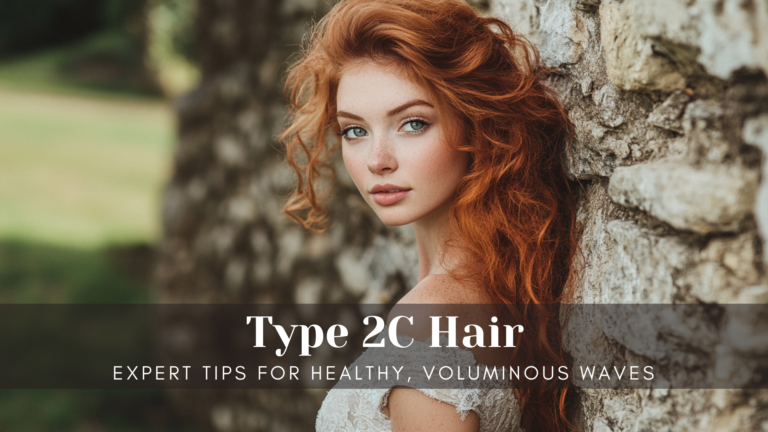
Wavy hair, often categorized as Type 2, sits somewhere between straight and curly. It has a gentle ‘S’ shape, but it can vary a lot from person to person. Some waves are loose and barely there, while others are more defined and prone to frizz. The trick with wavy hair is to encourage its natural pattern without weighing it down or making it frizzy.
Characteristics of Wavy Hair
Wavy hair tends to be a bit more prone to frizz than straight hair, especially in humid weather. It can also lose its shape easily throughout the day if not styled properly. Depending on the specific wave pattern (like 2A, 2B, or 2C), the hair might be fine and easily flattened, or thicker and more prone to tangles. The key is finding products and techniques that support the wave without making it look greasy or limp.
Product Recommendations for Waves
When choosing products, think lightweight. Heavy creams can make waves fall flat. Look for:
- Lightweight Mousse or Curl Cream: These help define waves and add a bit of hold. You can find great options designed to enhance wave definition.
- Texturizing Sprays: These can give your waves a bit of grit and hold, making them look more tousled and beachy.
- Leave-in Conditioners: A light, hydrating leave-in can help combat dryness and frizz without adding too much weight.
- Sulfate-Free Shampoos: These are gentler and won’t strip your hair of its natural oils, which is important for maintaining wave health.
Styling Tips for Definition
Getting your waves to pop can be a bit of an art. Here are a few things that usually help:
- Apply Products to Wet Hair: For best results, apply your styling products like mousse or cream to soaking wet hair. This helps the product distribute evenly and activates the wave pattern. Try applying an air-dry gel or cream right after washing.
- Scrunching: Gently scrunch your hair upwards towards the scalp after applying product. This encourages the ‘S’ shape.
- Diffusing: If you use a blow dryer, a diffuser attachment is your best friend. It helps dry your hair without disturbing the wave pattern too much, reducing frizz and adding volume. Use a low heat and low speed setting.
Wavy hair often needs a balance of moisture and hold. Too much moisture can make it heavy, while too little can lead to frizz. Experimenting with different product types and application methods is key to finding what works best for your specific wave pattern.
Nourishing Curly Hair Textures
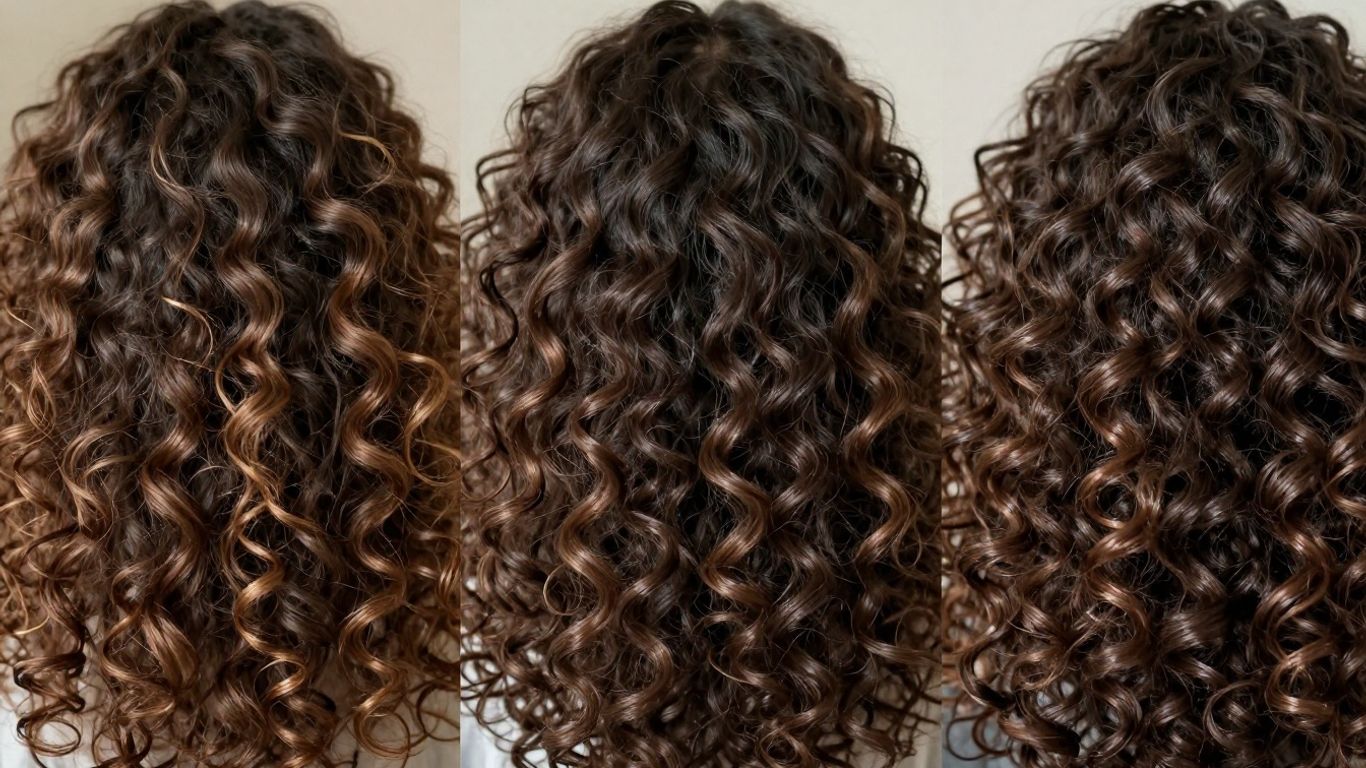
Curly hair, especially the tighter curl patterns like 3B, 3C, 4A, 4B, and 4C, has a unique way of needing moisture. Because of the twists and turns in the hair shaft, natural oils produced by your scalp have a harder time traveling all the way down to the ends. This means curly textures are often drier than straighter hair types. Giving your curls the right kind of hydration is super important for keeping them healthy and defined.
Understanding Curly Hair Needs
Curly hair needs a lot of love, and that starts with understanding what it craves. It’s not just about slapping on any old conditioner; it’s about using products that actively work to bring moisture into the hair strand and keep it there. Think of it like watering a plant – you want the water to reach the roots, not just sit on the surface. For curlier hair types, this often means looking for ingredients that are known for their hydrating properties.
Moisture and Hydration Strategies
So, how do we get that much-needed moisture into our curls? It’s a multi-step process, really. First, when you wash your hair, try to use sulfate-free shampoos and moisturizing conditioners. Sulfates can strip your hair of its natural oils, which is the last thing you want when your hair is already prone to dryness. After washing, applying a leave-in conditioner or a curl cream while your hair is still damp can make a huge difference. This helps to seal in moisture right from the start. For those with very dry or coily hair, you might find that layering products, like a cream followed by a light oil or gel, works best to create a barrier that keeps moisture locked in. Don’t be afraid to experiment with different product combinations to see what your hair likes best.
Here are some ways to boost hydration:
- Deep Condition Regularly: Aim for a deep conditioning treatment at least once a week. Look for masks with ingredients like shea butter, coconut oil, or argan oil.
- Use Leave-In Conditioners: Apply a leave-in conditioner after every wash to provide ongoing moisture.
- Seal the Deal: After applying your leave-in, use a curl cream or gel to help seal the moisture into your hair shaft.
- Hydrating Sprays: Keep a spray bottle of water or a curl refresher handy for daily spritzes, especially on dry days.
Managing Frizz and Dryness
Frizz is often a sign that your hair is looking for more moisture. When hair is dry, the outer layer, the cuticle, tends to lift up, letting humidity in and causing that fluffy look. So, tackling dryness is the first step to managing frizz. Gentle handling is also key. Avoid rough towel drying; instead, gently squeeze out excess water with a microfiber towel or an old t-shirt. When detangling, always do it on damp or wet hair with a wide-tooth comb or your fingers, starting from the ends and working your way up to the roots. This minimizes breakage and helps keep your curl pattern intact.
Curly hair needs consistent moisture and gentle handling to thrive. Skipping steps in your routine or using harsh products can quickly lead to dryness and frizz, making your curls look dull and feel rough. Patience and the right approach are your best friends here.
For 3A hair, hydration is particularly important. Using moisturizing products and leave-in conditioners regularly can help maintain those bouncy coils. At night, try the ‘pineapple’ method – gathering your hair into a loose high ponytail – to preserve curl shape and definition. This simple step can save you a lot of styling time in the morning.
Maintaining Coily Hair Patterns
Coily hair is more than just another curl type—it’s a whole world of its own. Each coil is tight and springy, which gives it a lot of shrinkage and makes it super unique. But these coils also come with their own care needs, especially when it comes to keeping them hydrated and healthy over time.
The Unique Nature of Coily Hair
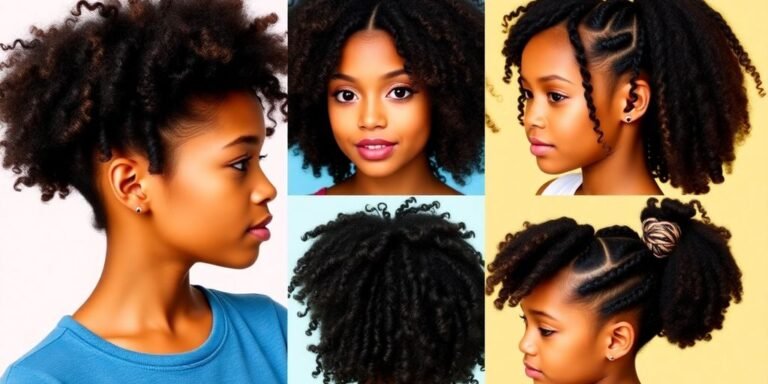
- Coily strands are tightly wound—think zig-zags, small corkscrews, or sharp bends.
- The close pattern makes it hard for your scalp’s oils to move down each strand, leading to drier lengths.
- This dryness means coily hair usually needs more moisture, heavier creams, and less frequent washing than straighter textures.
- Coily hair can also be more fragile, so anything that tugs or pulls too much might lead to breakage or damage.
If you have coily hair, it sometimes feels like no two wash days are ever the same. Some weeks, the coils look bouncy and shiny, while other times, they’re dry or tangled, even when you’re doing everything “right.” That’s totally normal!
Heavy-Duty Hydration and Ingredients
- Look for rich ingredients like shea butter or coconut oil that coat strands and lock in moisture.
- Leave-in conditioners and deep treatments are not just “nice-to-haves”—they’re musts.
- Opt for creams over gels for everyday hydration, since gels can sometimes leave coily hair stiff or flaky.
- Try oil treatments between washes or before shampooing to keep coils protected and soft.
- Minimize manipulation: the less you pull and tug, the better your coils will respond.
| Ingredient | Benefit | How to Use |
|---|---|---|
| Shea Butter | Softens, hydrates | As a leave-in or sealant |
| Coconut Oil | Locks in moisture | Pre-shampoo, daily use |
| Aloe Vera | Soothes, moisturizes | In conditioners, sprays |
For more tips on maximizing hydration while minimizing stress, check out how regular deep conditioning can help maintain strong, bouncy coils.
Washing Frequency for Coily Hair
- Coils don’t need to be washed often. Over-washing quickly strips needed oils, leaving hair brittle.
- Washing every 7–10 days is common; adjust for your lifestyle and scalp.
- Clarifying once a month is helpful, especially if you use a lot of creams or oils—too much buildup can block moisture and weigh down coils.
- Use sulfate-free cleansers to avoid harsh stripping.
- Always follow up cleansing with a rich conditioner or mask.
Key reminders for coily hair care:
- Focus on deep moisture and really listen to what your coils need week-to-week.
- Keep wash days gentle to avoid breakage—detangle only when wet and with lots of slip.
- Protect styles and minimize manipulation between washes for best growth and retention.
Sticking to this routine can help your coily hair thrive—less breakage, more definition, and happier coils overall.
Establishing a Routine for Mixed Hair
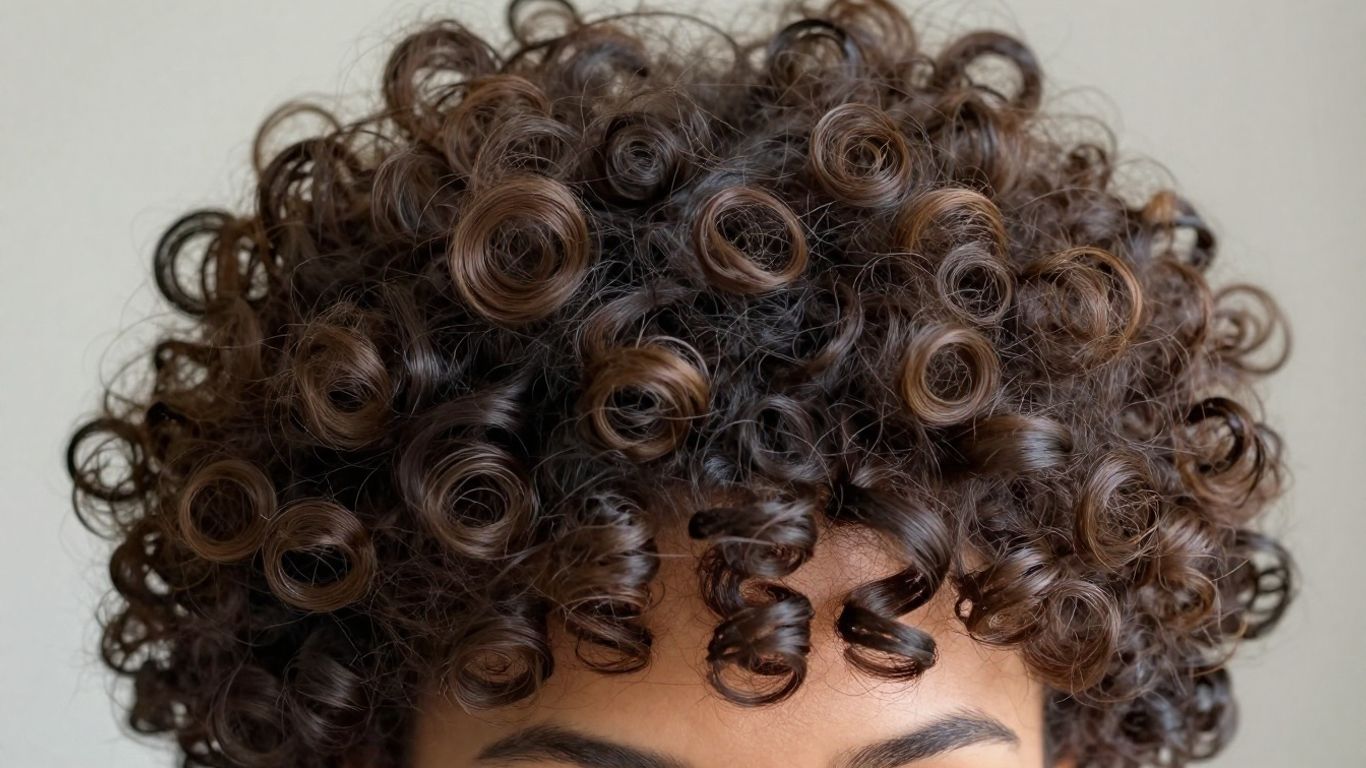
Figuring out a routine for mixed hair is honestly trickier than most people realize, especially if you have a blend of curl types in one head. What works for one section can leave another looking pretty wild. Below, I’ll break down some real-world tips on building a routine that actually works for a mix of waves, curls, and coils.
Tailoring Routines to Multiple Curl Types
Every patch of mixed hair can behave like its own ecosystem. For example, you might have looser waves at the back, with tight spirals right around your face. Here’s how you can organize your routine so each curl type gets along:
- Section your hair by curl type before applying products — this way, you can use heavier creams where you need extra moisture and lighter gels on the looser pieces.
- Adjust the amount of product based on what each section soaks up (for example, waves often need less product, while coils might crave more moisturizer).
- Don’t stress if it takes a while; it’s totally normal to tweak your routine each week as you figure out what each curl likes best.
Mixed hair routines are all about trial and error. What worked last wash day might need a little switch-up the next time, and that’s perfectly fine.
Cleansing and Conditioning Strategies
Washing mixed hair is a bit of a balancing act. Too much washing can lead to dryness, but too little means a greasy scalp and dull curls. On average, once or twice a week is a sweet spot, but here are the key steps:
- Pre-poo or oil treatment before you shampoo—this helps loosen tangles and keeps delicate curls from breaking.
- Use a gentle sulfate-free shampoo for the scalp, followed by a rinse.
- Work a rich conditioner through mid-lengths to ends, separating strands with your fingers or a wide-tooth comb.
- Try co-washing occasionally—using conditioner as a cleanser—which works wonders for many with curlier textures. (Some routines, like the Curly Girl Method, recommend skipping harsh detergents altogether.)
| Curl Area | Product Type | Frequency |
|---|---|---|
| Scalp | Gentle shampoo | 1x/week |
| Lengths/ends | Creamy conditioner | 1-2x/week |
| All | Leave-in | After washes |
Detangling Techniques for Mixed Hair
Anyone who’s battled through a head of mixed curls knows detangling isn’t for the faint of heart. Here’s how to make it easier:
- Tackle tangles only when hair is soaked with conditioner (trust me, dry detangling is a nightmare).
- Use a wide-tooth comb or your fingers. If your hair is especially prone to knots, detangle in small sections and don’t rush.
- Start at the ends and work up to the roots—never the other way around.
If your hair needs a touch-up between full wash days, a quick spritz of water or leave-in is usually enough to wake up curls without causing breakage.
Building a routine for mixed hair takes patience. The good news? Once you master the basics and learn what each curl pattern needs, the process gets much easier and your hair looks and feels a whole lot healthier.
Styling and Protecting Your Curls
Figuring out how to style and protect your mixed hair can feel like a puzzle, but once you get the hang of it, it’s pretty rewarding. The key is to work with what you’ve got, not against it. This means choosing products that actually do what they say they will and using techniques that bring out your natural texture without causing a fuss.
Choosing the Right Styling Products
When you have different curl types going on, product selection is super important. You don’t want something too heavy that weighs down your waves, or too light that doesn’t do anything for your coils. It’s often about layering. Start with a good leave-in conditioner, especially on the drier sections. Then, you might use a curl cream or a gel to help define and hold your pattern. Experimentation is your best friend here. What works for one curl type might not work for another, so you might need a couple of different products in your arsenal. For instance, a lighter mousse might be great for your waves, while a richer cream could be better for your tighter coils.
Here’s a quick rundown of product types and what they generally do:
- Leave-in Conditioner: Adds moisture and helps with detangling. Great for all curl types, but especially beneficial for drier sections.
- Curl Cream: Helps define curls, adds moisture, and reduces frizz. Good for waves and looser curls.
- Gel: Provides hold and definition. Can be used on all curl types, but might need to be applied to very wet hair for looser patterns.
- Mousse: Offers volume and light hold. Often works well for waves and finer textures.
Protective Styles for Mixed Hair
Protective styles are a lifesaver, especially when you want to give your hair a break or prevent damage. These styles tuck away your ends and minimize manipulation. Think braids, twists, or even a loose bun. The goal is to reduce friction and tangling. For mixed hair, you might find that certain styles work better for specific curl patterns. For example, flat twists might be perfect for your coily sections, while loose braids could work for your waves. It’s all about finding that balance.
Protecting your curls overnight is just as important as your daytime styling. Cotton pillowcases can soak up moisture and cause frizz. Consider using a satin or silk bonnet, or even a silk scarf, to keep your curls smooth and hydrated while you sleep. Pineappling your hair – gathering it into a loose, high ponytail on top of your head – is another simple yet effective method.
Nighttime Care for Curl Preservation
Don’t underestimate the power of good nighttime care. Your curls go through a lot during the day, and sleeping on them can cause them to lose their shape and get frizzy. Using a satin or silk pillowcase is a good start, as it reduces friction. Even better is a satin or silk bonnet or scarf. This keeps your hair contained and protected. If bonnets aren’t your thing, try ‘pineappling’ your hair – gathering it into a very loose, high ponytail on top of your head. This helps preserve your curl pattern overnight without causing too much tension. For those with mixed textures, you might find that different methods work best for different sections of your hair. Some people even use a combination of techniques, like a silk scarf around the edges and a bonnet for the rest. It’s about finding what keeps your unique curls happy and intact until morning. Protecting your curls overnight with a satin or silk bonnet, or by pineappling your hair into a loose high puff, can really make a difference in how they look the next day. Braids, twists, or plaits can also help reduce tangling and preserve your curl pattern [f6ec].
Avoiding Damage to Your Curls
The Impact of Heat Styling
Look, we all love a good blowout or a sleek straighten now and then, but for those of us with mixed curl types, heat styling can be a real enemy. Curly hair, in general, is more fragile than straight hair. Those bends and twists in your strands make them more prone to dryness and breakage. When you blast them with high heat from blow dryers, flat irons, or curling wands, you’re essentially zapping out all the moisture and weakening the hair structure. This can lead to curls losing their bounce, becoming limp, and feeling brittle. If you’re trying to get your natural curl pattern back or just keep it healthy, cutting back on heat is a big step. It might take some getting used to, but your hair will thank you.
Understanding Chemical Treatments
Chemical treatments like relaxers, perms, keratin treatments, and even bleaching can seriously mess with your hair’s natural structure. These processes alter the hair shaft, and while they might give you a temporary desired look, the damage can be long-lasting. For curly hair, which already needs extra care, these treatments can lead to significant dryness, breakage, and a loss of curl definition. The only way to truly get back to your natural texture after these treatments is to grow them out and trim away the damaged parts. It’s a slow process, but it’s the safest way to restore your hair’s health.
Gentle Handling Practices
How you handle your hair day-to-day makes a huge difference. Rough detangling, especially when hair is dry, can cause a lot of breakage. Always try to detangle when your hair is wet and coated with conditioner or a detangling spray. Use a wide-tooth comb or your fingers, starting from the ends and working your way up. Also, be mindful of how you dry your hair. Instead of vigorously rubbing with a regular towel, which creates frizz and can snag strands, gently squeeze out excess water with a microfiber towel or an old cotton t-shirt. Protecting your curls overnight is also key. Sleeping on a silk or satin pillowcase, or wearing a silk bonnet or scarf, reduces friction and prevents tangles and frizz.
Here are some simple habits to adopt:
- Detangle gently: Always use a conditioner or detangling spray on wet hair and work from ends to roots.
- Pat, don’t rub: Use a microfiber towel or t-shirt to absorb excess water.
- Sleep soundly: Opt for a silk pillowcase or bonnet to minimize friction.
- Avoid harsh ingredients: Steer clear of shampoos with sulfates and conditioners with drying alcohols.
Taking care of mixed hair textures means being extra mindful of what you put on and how you treat your strands. Gentle handling and avoiding harsh treatments are not just about preserving your current style, but about maintaining the long-term health and integrity of your unique curl patterns. It’s a marathon, not a sprint, and patience goes a long way.
Wrapping It Up
So, taking care of hair with different curl types might seem like a lot at first, but it’s really about paying attention to what your hair needs. You’ve learned that different waves, curls, and coils have their own quirks, from how dry they get to what products work best. It’s not about finding one magic solution, but more about figuring out a routine that makes your unique hair happy and healthy. Don’t get discouraged if it takes some time; experimenting is part of the fun. With a little patience and the right approach, you’ll be rocking your natural texture with confidence in no time.
Frequently Asked Questions
What exactly is mixed hair?
Mixed hair means having more than one type of curl pattern on your head. For example, you might have some wavy sections, some curly parts, and maybe even some coily bits all mixed together. It’s super common and just means your hair has a lot of personality!
Why is it helpful to know my curl type?
Knowing your curl type helps you figure out what your hair needs. For instance, some curls get oily easily and need lighter products, while others are super dry and need richer, heavier stuff. It helps you pick the right products and styling tricks to make your hair look and feel its best.
What are the main types of curls?
Generally, hair is put into categories: Type 1 is straight, Type 2 is wavy, Type 3 is curly, and Type 4 is coily. Within these, there are letters (A, B, C) that describe how wide or tight the pattern is. So, 2A is a loose wave, while 4C is a very tight coil.
Why does curly hair get dry so easily?
Curly hair has twists and turns, which makes it hard for the natural oils from your scalp to travel all the way down the hair strand. Straight hair lets these oils slide down easily, but curls trap them. This means curly hair often needs extra help to stay moisturized.
What are some common problems with mixed or curly hair?
Common issues include dryness, frizz, tangles, and breakage. Because curly hair can be drier, it’s more fragile. Frizz happens because the hair cuticle doesn’t lie flat. Tangles are also more likely due to the zig-zag shape of the strands.
What’s the best way to detangle mixed hair?
Always detangle when your hair is damp and has conditioner or a leave-in product in it. Use your fingers, a wide-tooth comb, or a special detangling brush. Start from the ends and gently work your way up to the roots to avoid causing breakage.