Here are the main points to remember for keeping your mixed hair smooth and frizz-free when humidity strikes. These tips will help you manage your hair better, even on the dampest days.
Key Takeaways
- Start your routine in the shower with hydrating shampoos and conditioners to prep your hair.
- Use anti-frizz serums, leave-in conditioners, and natural oils to create a barrier against moisture.
- Opt for protective hairstyles like braids and buns to keep hair contained and reduce frizz.
- Always use heat protectants before styling and try gentle drying methods.
- Minimize friction overnight with silk accessories and consider overnight treatments for extra protection.
Understanding How Humidity Affects Mixed Hair
The Science Behind Frizz in Humid Conditions
So, you step outside, and within minutes, your carefully styled hair decides to go rogue, turning into a fluffy halo. What gives? It all comes down to how your hair interacts with moisture in the air. Mixed hair, with its unique blend of textures, can be particularly sensitive to humidity. When the air is thick with moisture, your hair tries to soak it all up like a sponge. This causes the hair shaft to swell, and the outer layer, called the cuticle, lifts up. Think of it like a shingled roof where the shingles are all ruffled – that’s your hair cuticle when it’s absorbing too much water. This swelling and lifting is what creates that fuzzy, frizzy look we all dread. The more porous your hair, the more it’s going to drink up that humidity.
Why Moisture is the Enemy of Smooth Hair
Essentially, when your hair absorbs excess moisture from the humid air, it disrupts the natural hydrogen bonds within the hair’s protein structure. These bonds are what help your hair maintain its shape. When they get messed with by water molecules, your hair loses its intended form and can become more textured, curlier, or just plain frizzy. It’s like trying to build something with wet LEGOs – they just don’t stick together the way they should. For those with straighter or finer strands within mixed hair, this moisture can actually weigh the hair down, making it look flat and lifeless instead of poofy. It’s a different kind of struggle, but still a struggle!
Recognizing Different Types of Humidity
Humidity isn’t just a general
Pre-Styling Strategies for Mixed Hair in Humidity
Okay, so you’ve got mixed hair and the humidity is starting to get to you. Before you even think about styling, there are some things you can do in the shower and right after that make a huge difference. It’s all about setting your hair up for success before it even meets the humid air.
The Crucial Role of Your Shower Routine
What you do in the shower can seriously impact how your hair behaves later. Think of it as the foundation for your anti-frizz efforts. If your hair is already stripped or dry from your shampoo, it’s going to be looking for moisture anywhere it can find it, and that includes the humid air around you.
Choosing the Right Shampoo and Conditioner
This is where you want to be smart. Sulfates are often the culprits behind stripping your hair. They can leave your hair feeling squeaky clean, but that’s usually because they’ve taken away all the good stuff, too. For mixed hair, especially when humidity is a factor, you want to lean towards hydrating, sulfate-free options. These will clean your hair without completely drying it out, leaving it softer and more manageable. It’s like giving your hair a gentle cleanse instead of a harsh scrub.
- Look for moisturizing ingredients: Think shea butter, argan oil, or glycerin.
- Avoid drying alcohols: Check the ingredient list for alcohols that can dehydrate your hair.
- Consider your hair’s needs: If your hair gets oily easily, you might need a balancing shampoo, but still one that doesn’t strip.
Deep Conditioning for Humidity Defense
This step is non-negotiable, especially if you want to fight frizz. A good deep conditioner works to infuse your hair with moisture, making it less likely to absorb excess water from the air. I try to do this at least once a week, sometimes more if it’s particularly muggy out. Leaving it on for a good 15-20 minutes, maybe while you do other shower tasks, really lets it soak in. It’s like giving your hair a drink of water so it doesn’t get thirsty from the humidity.
A well-moisturized hair strand is a happy hair strand. When your hair is properly hydrated from within, it’s less likely to seek out moisture from the environment, which is exactly what causes that dreaded frizz. Think of it as filling up a sponge; once it’s full, it doesn’t soak up more water.
After rinsing out your conditioner, gently blot your hair with a microfiber towel. Avoid rubbing vigorously, as this can rough up the hair cuticle and lead to frizz. You want to get out the excess water without causing more problems. This simple step can make a big difference in how your hair dries and styles later on. If you’re looking for some great products to start with, checking out hydrating hair masks can be a good move.
Product Power: Your Arsenal Against Frizz
Okay, so we’ve talked about what humidity does to our hair and how to prep it. Now, let’s get into the good stuff: the products that can actually help keep that frizz at bay. It’s like building a little defense system for your strands.
Essential Anti-Frizz Serums and Leave-In Conditioners
Serums and leave-in conditioners are your first line of defense. They work by coating the hair shaft, smoothing down the cuticle so moisture from the air has a harder time getting in. Think of it as a raincoat for your hair. Applying these to damp hair, right after you towel dry, is usually the best bet. This helps lock in moisture from your wash and creates a barrier before the humidity even has a chance to attack. Some products are specifically designed to offer up to 24 hours of frizz protection, which is pretty amazing when you think about it.
- Lightweight Serums: Great for finer hair types that can get weighed down easily. They smooth without making your hair feel greasy.
- Leave-In Conditioners: These often provide a bit more moisture and can be fantastic for thicker or drier hair. Look for ones that mention humidity control.
- Sprays: Some anti-humidity sprays are super convenient and can be layered over other products or used on dry hair for a quick refresh. You can find some great options for humidity protection.
The Benefits of Natural Oils for Hair
Natural oils can be a bit of a mixed bag when it comes to humidity. Some can be too heavy and actually attract moisture, making frizz worse. However, certain oils, when used sparingly, can be incredibly beneficial. They help to nourish the hair and can seal the cuticle, which, in turn, helps to keep frizz out. The trick is to use them strategically.
- Argan Oil: Known for its smoothing and shine-boosting properties. A tiny drop or two rubbed between your palms and smoothed over dry ends can make a big difference.
- Coconut Oil: Can be very effective for deep conditioning, but use it with caution as a styling product in humid weather. It’s best used as a pre-shampoo treatment or a very light application on dry hair.
- Jojoba Oil: Mimics the hair’s natural sebum, making it a good option for balancing moisture without being too heavy.
Remember, a little goes a long way with oils. Overdoing it can lead to limp, greasy-looking hair, which is the opposite of what we’re going for. Start with a small amount and add more only if needed.
When to Avoid Heavy Creams and Gels
This is where things can get a little tricky. While creams and gels can offer great hold and definition, heavy formulas can sometimes work against you in humidity. If a product feels really thick or sticky, it might be more prone to attracting moisture from the air, leading to that dreaded puffy look. It’s not that you should never use them, but you might want to be more selective.
- Heavy Creams: Can sometimes feel like they’re sitting on top of the hair, attracting moisture. Opt for lighter versions if you need cream-like texture.
- Alcohol-Based Gels: These can dry out your hair, making it more susceptible to frizz. Look for alcohol-free formulas.
- Sticky Formulas: Anything that feels overly tacky might be a magnet for humidity. Test a small amount first.
Sometimes, the best approach is to use these types of products in moderation or to look for lighter, water-based alternatives. For instance, if you’re looking for a great anti-frizz oil, Kerastase Gloss Anti-Frizz Oil is a popular choice.
Humidity-Resistant Hairstyles for Mixed Hair
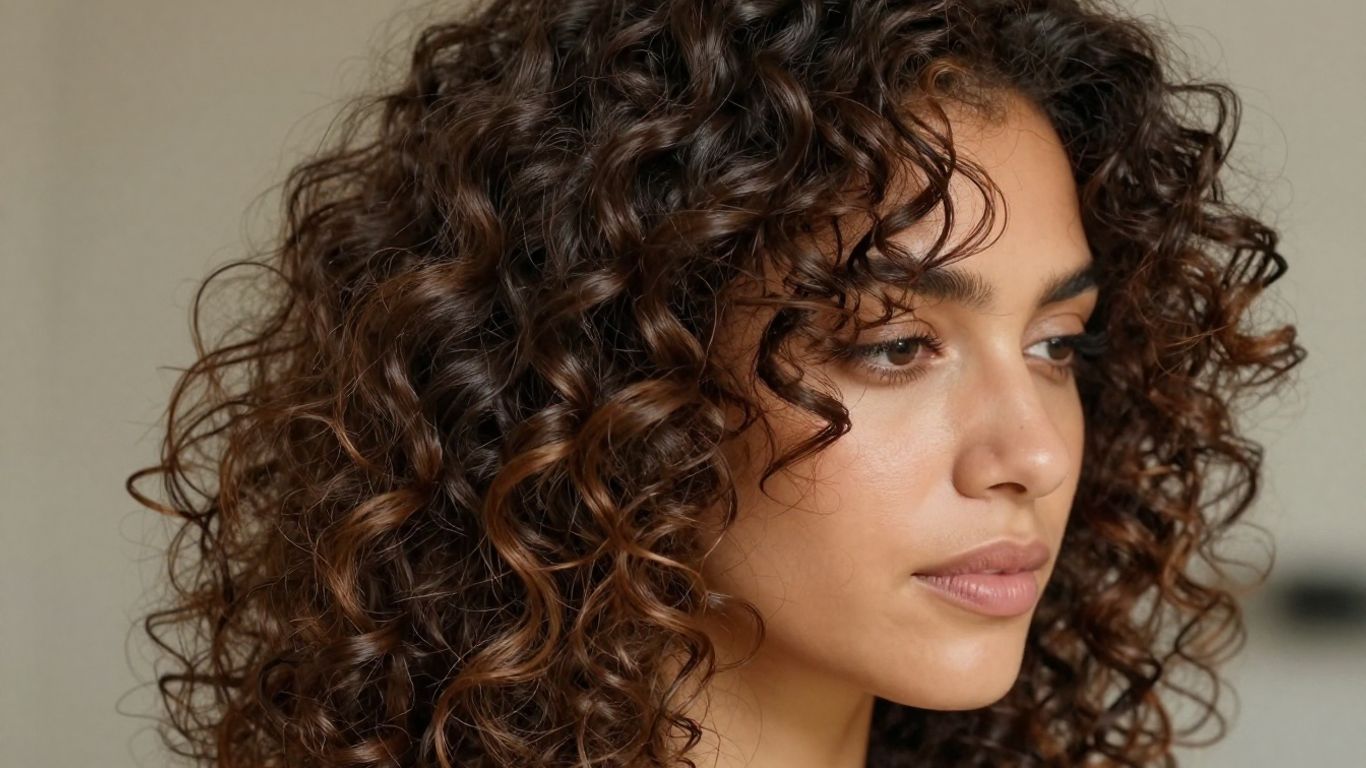
When the air gets thick and sticky, your hair doesn’t have to turn into a frizzy mess. The trick is to choose styles that work with the humidity, not against it. Think about styles that keep your hair contained and minimize its exposure to the damp air. Protective styles are your best friend on these days.
Protective Styles That Beat the Heat
Protective styles are fantastic because they tuck away your ends and keep your hair from expanding too much. They’re great for reducing manipulation and protecting your hair from environmental stressors, including humidity.
- Braids: Whether it’s a simple three-strand braid, a French braid, or cornrows, braids keep hair neatly in place. They also allow you to get creative with patterns.
- Bantu Knots: These are a classic for a reason. Twisting sections of hair into small knots and securing them creates a chic, humidity-proof look.
- Twists: Similar to braids, twists (like flat twists or two-strand twists) are excellent for keeping mixed hair smooth and defined.
- Buns: A sleek, high bun or a low, elegant chignon can keep all your hair off your neck and out of the humid air. Make sure to secure it well.
Remember, the goal is to keep your hair smooth and contained. Styles that allow for airflow or leave strands loose are more likely to succumb to frizz.
Braids, Buns, and Ponytails: Your Go-To Options
These styles are reliable because they are relatively simple to execute and offer great control. A high ponytail, for instance, can be elevated by wrapping a section of hair around the elastic to hide it. For buns, consider a slicked-back look using a bit of gel or pomade to smooth down any flyaways before you start twisting or wrapping.
Securing Your Style with Silk Accessories
When you’re trying to keep frizz at bay, the accessories you use matter. Traditional cotton scrunchies can cause friction and snag your hair, leading to more frizz and breakage. Instead, opt for silk or satin scrunchies, hair ties, and even pillowcases. These materials are much smoother and create less friction, helping to maintain the integrity of your style and keep your hair looking sleek. You can find some great silk hair ties that won’t cause damage.
Here’s a quick rundown of why these styles work:
| Style Type | Humidity Resistance | Maintenance Level |
|---|---|---|
| Braids | High | Medium |
| Buns | High | Low |
| Ponytails | Medium-High | Low |
| Twists | High | Medium |
Styling Techniques to Tame Mixed Hair in Humid Weather
Okay, so you’ve prepped your hair, you’ve got the right products, but now it’s time to actually style it without it turning into a frizz-ball the second you step outside. This is where the technique really matters. It’s not just about what you use, but how you use it.
The Importance of Heat Protectants
If you’re reaching for a blow dryer, a curling iron, or even a flat iron, a heat protectant is your best friend. Seriously, don’t skip this step. These sprays or serums create a barrier between your hair and the heat, which not only prevents damage but also helps to smooth down the hair cuticle. A smoother cuticle means less chance for humidity to sneak in and cause trouble. Think of it like a raincoat for your hair. Apply it evenly to damp or dry hair before any heat styling. It’s a small step that makes a big difference in keeping your style intact.
Gentle Drying Methods to Prevent Frizz
How you dry your hair is a huge factor in frizz control. Rubbing your hair with a regular towel is a big no-no. It roughs up the cuticle, inviting frizz. Instead, gently squeeze out excess water with a microfiber towel or an old cotton t-shirt. If you’re blow-drying, use the diffuser attachment on a medium or low heat setting. Directing the airflow down the hair shaft helps to keep the cuticle smooth. Try to avoid touching your hair too much while it’s drying; let it do its thing. Patience here really pays off.
Applying Products for Maximum Humidity Protection
This is where you seal the deal. After drying your hair (or while it’s still a bit damp, depending on the product), it’s time for your finishing touches. Layering is key. Start with a leave-in conditioner if you haven’t already, then move to your styling product. For mixed hair types, a good anti-frizz serum or a lightweight cream can work wonders. Apply products from mid-lengths to ends, avoiding the roots if your hair tends to get oily. The ‘praying hands’ method, where you smooth the product between your palms and then gently press it onto your hair, is great for distributing it evenly without causing frizz. If you’re using a gel, scrunch it in to help define your curl pattern and provide hold. A final mist of a humidity-resistant hairspray can lock everything in place. Remember, less is often more; you don’t want to weigh your hair down. For more on how to combat curl frizz, check out this multi-step approach.
Maintaining Your Style Throughout the Day

Overnight Care to Prevent Morning Frizz
So, you’ve put in the work to get your hair looking great, but what happens when you wake up? Humidity doesn’t take a break, and neither should your frizz-fighting efforts. A little prep before bed can make a world of difference. Sleeping on a silk pillowcase or wrapping your hair in a silk scarf is a total game-changer. It cuts down on friction, which is a major cause of frizz and puffiness. Think of it as giving your hair a smooth, protective cocoon while you catch some Zs. If you want to go the extra mile, try a deep conditioning treatment overnight. A small amount of coconut oil, warmed in your hands and applied to the ends, can really help seal the hair cuticle. Just pop on a shower cap or silk scarf to keep your pillow clean, and rinse it out in the morning. It’s a simple step that helps keep frizz at bay before the day even starts.
Touch-Up Tips for Humid Days
Even with the best styling, humidity can sneak up on you. When you notice flyaways or a bit of puffiness creeping in, don’t panic. You don’t need to start over. Keep a travel-sized anti-frizz serum or a lightweight leave-in conditioner handy. A few drops smoothed over the affected areas can work wonders. For curls, a light mist of water mixed with a bit of leave-in can help revive them without causing more frizz. Sometimes, just gently smoothing down unruly strands with your fingertips or a wide-tooth comb is all it takes. The key is to be gentle and use minimal product to avoid weighing your hair down.
Minimizing Friction for Smoother Hair
Friction is the silent enemy of smooth, humid-weather hair. It happens when your hair rubs against things – your clothes, your scarf, even your hands. This constant rubbing can lift the hair cuticle, letting in moisture and causing frizz.
Here are a few ways to cut down on friction:
- Choose your accessories wisely: Opt for silk or satin scrunchies and scarves instead of cotton or rougher materials. They glide over your hair instead of snagging.
- Be mindful of your clothing: High-necked sweaters or jackets can sometimes cause friction around your hairline. Try to be aware of this, especially on very humid days.
- Hands off! It’s tempting to touch your hair, but every time you do, you’re creating friction. Try to resist the urge to constantly adjust or run your fingers through your hair.
Keeping friction to a minimum is about being conscious of how your hair interacts with its environment. It’s a small detail, but it adds up to a big difference in how smooth your hair stays, especially when the air is thick with moisture. For more tips on keeping your curls defined, check out this guide on applying curl cream.
Remember, consistency is key. By incorporating these simple habits into your routine, you can help your style last longer and keep that frizz under control, no matter how humid it gets. Hydrating your hair properly before styling is also a big help in achieving smooth results.
Conclusion
Dealing with mixed hair in humid weather doesn’t have to be a constant battle. By understanding how moisture affects your strands and adopting the right pre-styling, product, and styling strategies, you can keep frizz at bay. Remember to be gentle with your hair, use humidity-resistant products, and choose styles that work for you. With a little practice and patience, you’ll be enjoying smooth, manageable hair, no matter how damp the air gets.
Frequently Asked Questions
Why does my hair get so frizzy when it’s humid?
Think of your hair like a sponge. When the air is wet (that’s humidity!), your hair tries to soak up all that extra moisture. This makes the hair strands swell up, and the outer layer, called the cuticle, lifts. When the cuticle is lifted, your hair looks rough and frizzy instead of smooth.
What’s the best way to wash my hair in humid weather?
It’s best to use a shampoo and conditioner that add moisture, not strip it away. Look for sulfate-free options. After washing, gently pat your hair dry with a soft towel, like microfiber, instead of rubbing it hard. This helps keep the hair cuticle smooth.
Are there any hairstyles that work well in humidity?
Definitely! Styles that keep your hair contained are great. Think braids, twists, neat buns, or ponytails. These styles help protect your hair from the damp air and reduce the chances of it puffing up or getting frizzy.
Should I avoid certain hair products when it’s humid?
Yes, sometimes. Heavy creams or gels can sometimes weigh your hair down and make frizz look worse, especially if your hair is fine. It’s often better to use lighter serums, leave-in conditioners, or natural oils that create a protective shield without being too heavy.
How can I stop my hair from getting frizzy overnight?
To prevent frizz while you sleep, try using a silk or satin pillowcase. You can also tie your hair up loosely with a silk scrunchie. Some people even find that applying a bit of coconut oil to their ends before bed helps seal the hair and keep it smooth.
What does a ‘heat protectant’ do for humidity?
A heat protectant spray or cream creates a sort of shield around your hair strands. This shield helps protect your hair from the damage caused by blow dryers or straighteners. It also helps smooth down the hair’s outer layer, making it less likely to absorb moisture from the humid air and become frizzy.