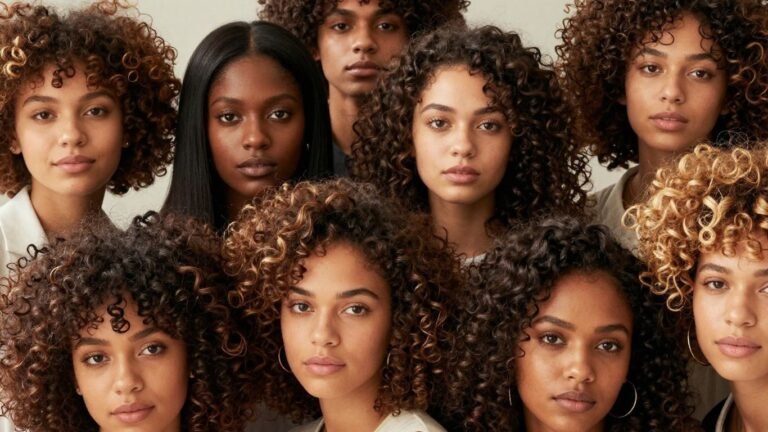
So, you’ve got those lovely, loose spirals that sometimes lean into waves? You might be rocking a mix of 2C and 3A hair. It’s a great combo, but getting it to look its best can feel like a puzzle. This guide is all about figuring out a simple type 2c 3a hair routine that works, helping you get those curls and waves looking healthy and defined without a ton of fuss.
Key Takeaways
- Type 2C hair has looser waves that can sometimes look like loose curls, especially towards the ends, while 3A hair has more defined, corkscrew curls starting from the root.
- Gentle cleansing is important; opt for sulfate-free shampoos and avoid washing too often to keep moisture in your hair.
- Deep conditioning and using moisturizing products like conditioners and oils are vital for keeping type 2C 3A hair hydrated and preventing dryness and frizz.
- Styling should focus on encouraging curl clumping and definition, using techniques like raking and scrunching, and minimizing heat styling to prevent damage.
- Hands-off styling after product application and protecting your hair overnight are key to maintaining your curl pattern and reducing frizz throughout the day.
Understanding Your Type 2C 3A Hair
So, you’ve got these amazing curls that seem to fall somewhere between a loose wave and a defined spiral? You’re likely rocking a mix of 2C and 3A hair. It’s super common to have more than one curl type on your head, so don’t worry if it’s not all uniform. Understanding what makes these types tick is the first step to getting them to look their absolute best.
What Defines Type 2C and 3A Hair?
Hair types are basically categorized by how your hair naturally wants to curl or wave. Type 2 is for wavy hair, and Type 3 is for curly hair. The letters ‘a’, ‘b’, and ‘c’ then describe how tight those waves or curls are, with ‘a’ being the loosest and ‘c’ being the tightest within that category. So, 2C is the waviest of the wavy, and 3A is the loosest of the curly.
Key Characteristics of 3A Curls
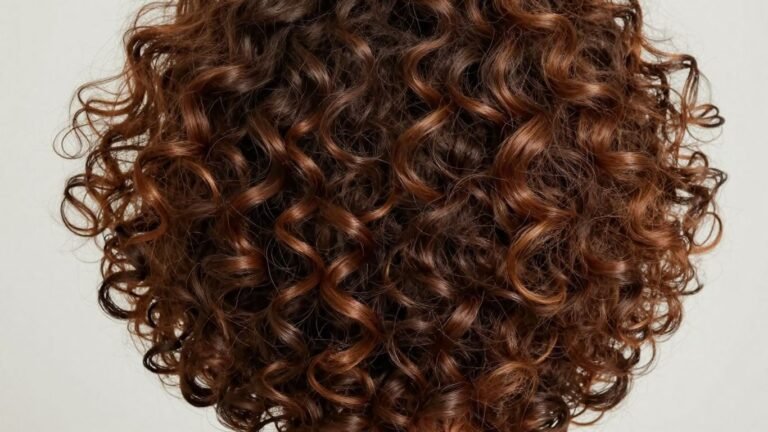
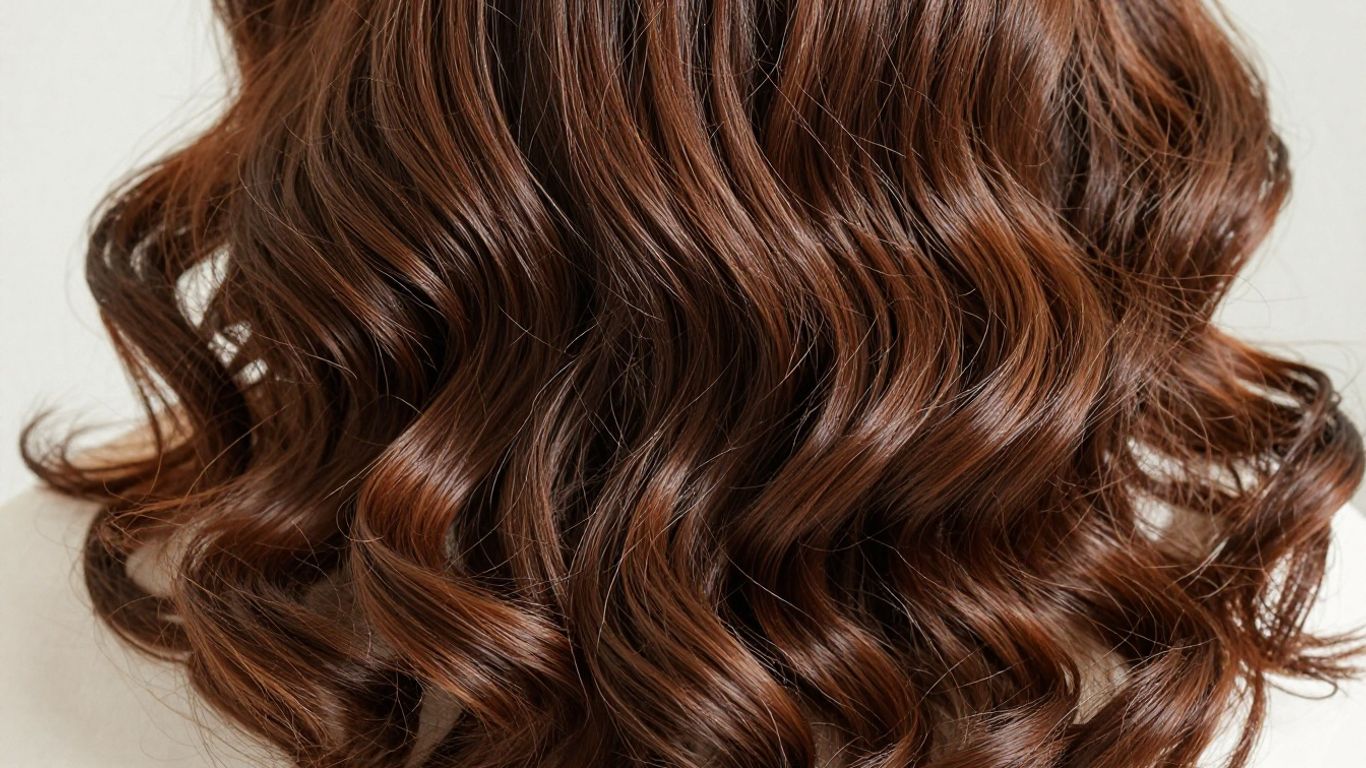
3A curls are often described as loose spirals, kind of like the size of a sidewalk chalk stick. They tend to have a good amount of volume and bounce. If you look at 3A hair when it’s wet, it might seem more wavy than curly, but as it dries, those lovely spiral shapes really start to show up. These curls can sometimes be a bit prone to dryness and frizz if they aren’t getting enough moisture.
Distinguishing Between 2C and 3A
This is where it can get a little tricky, especially if you have both types going on. Generally, 2C hair has waves that start tighter near the ends and might be looser closer to the scalp, forming more of an ‘S’ shape. It doesn’t quite form a full spiral from root to tip. On the other hand, 3A curls are more consistent spirals that start right from the scalp and maintain that corkscrew shape all the way down. If you’re unsure, try wetting your hair and seeing if it forms distinct spirals (more likely 3A) or looser waves (more likely 2C).
Here’s a quick way to think about it:
- 2C Hair: Looser waves, sometimes appearing a bit frizzy, with an ‘S’ shape that might not be super defined.
- 3A Hair: Defined, loose spirals that start at the root, offering more bounce and volume.
It’s really about observing the pattern. Does it look like a spring or a wave? And does that pattern start right at your head or a little further down? Paying attention to these details helps a lot when picking out the right products and styling methods for your specific curl type.
Many people with 3A hair find that dryness and frizz are common concerns. This is because the natural oils from your scalp have a harder time traveling down the spiral of the hair strand to moisturize the ends. So, keeping things hydrated is going to be a big theme for you.
The Foundation: Gentle Cleansing for Your Type 2C 3A Hair Routine
Okay, so we’re diving into the nitty-gritty of washing your 2C and 3A curls. This is where it all starts, and honestly, getting this part right makes a huge difference. Think of it as setting the stage for amazing hair days.
Choosing the Right Shampoo
First things first, ditch those harsh shampoos. You know, the ones that leave your hair feeling squeaky clean but also super dry and stripped? Yeah, those are a no-go for our lovely curls. We need something gentle, something that cleans without taking away all the good stuff your hair needs to stay happy and hydrated. Look for shampoos that are sulfate-free. Sulfates are those strong detergents that can really dry out curly hair, making it prone to frizz and breakage. Instead, opt for formulas that use milder cleansing agents, often derived from natural sources. Some shampoos even have added moisturizing ingredients like aloe vera or botanical extracts, which is a bonus.
Optimal Washing Frequency
This is a big one, and it’s different for everyone. Washing your hair too often can strip away its natural oils, which are super important for keeping curls moisturized and defined. For 2C and 3A hair, washing every 2-3 days is a good starting point, but you might find you can go even longer – maybe 3-5 days, or even a full week if your scalp doesn’t get too oily. It really depends on your hair’s specific needs and your lifestyle. If your hair feels a bit grimy between washes but not dirty enough for a full shampoo, try a co-wash. This just means washing with conditioner only. It helps refresh your hair without stripping it.
The Importance of Water Temperature
This might seem like a small detail, but trust me, it matters. When you’re washing your hair, try to use lukewarm or cool water. Hot water can actually lift the hair cuticle, leading to moisture loss and making your hair look frizzy. It’s kind of like opening the door for all the hydration to escape. Cool water, on the other hand, helps to seal the cuticle, keeping moisture locked in and your curls looking smoother and more defined. So, even if it’s a bit chilly, a cooler rinse at the end can do wonders for your curls.
Remember, the goal of cleansing isn’t to strip your hair, but to remove buildup while preserving its natural moisture. Gentle cleansing is the first step to healthy, happy curls.
Here’s a quick rundown:
- Sulfate-Free is Key: Always check the ingredient list.
- Listen to Your Hair: Adjust washing frequency based on how your hair feels.
- Cool Rinse: Finish with cool water to seal the cuticle.
- Consider Co-washing: For in-between washes when your hair needs a refresh.
Hydration is Key: Moisturizing Your Type 2C 3A Curls
Okay, so we’ve talked about cleansing, and now it’s time for the really good stuff: moisture. For our 2C and 3A curls, hydration isn’t just a nice-to-have, it’s pretty much the whole game. These curl types can sometimes struggle with dryness because the natural oils from our scalp have a harder time traveling all the way down those twists and turns. That’s why giving your hair a good drink is so important.
Selecting the Perfect Conditioner
When you’re picking out a conditioner, think about what your curls are craving. You want something that’s going to add moisture without weighing your hair down. Look for ingredients like shea butter, avocado oil, or glycerin. These are great for giving your hair that soft, hydrated feel. And remember, conditioner isn’t just for the ends; make sure to work it through your whole head, especially if you notice dryness anywhere.
Incorporating Deep Conditioning Treatments
This is where you really give your curls a treat. Deep conditioning treatments are like a spa day for your hair. Aim to do one of these every week or two. It’s a fantastic way to really replenish lost moisture and give your curls a boost of strength. You’ll notice a big difference in how soft and manageable your hair feels after a good deep condition. It’s a step that really helps combat frizz and keeps those lovely curls looking their best. For some extra tips on keeping your 3A curls hydrated, check out this guide for 3A hair.
Sealing in Moisture with Oils
After you’ve conditioned and maybe even deep conditioned, you want to lock all that goodness in. This is where oils come in handy. Applying a lightweight oil when your hair is still damp is a great way to seal the cuticle and prevent moisture from escaping. You don’t need a lot – just a few drops worked through your mid-lengths and ends can make a world of difference. It helps keep your hair from getting dry and brittle throughout the day. Some people find that using oils helps their curls stay defined longer, too.
Keeping your curls hydrated is a continuous process. It’s not just about what you do in the shower, but also about protecting that moisture throughout the day and night. Think of it as giving your hair a constant drink of water.
Styling Strategies for Defined Type 2C 3A Hair
Okay, so you’ve got your cleansing and moisturizing routine down. Now comes the fun part: making those gorgeous 2C to 3A curls really pop. This isn’t about fighting your hair’s natural pattern; it’s about working with it to get the best definition and bounce possible. The goal is to encourage your natural curl pattern, not force it.
Gentle Styling Techniques
When your hair is still soaking wet, after you’ve applied your conditioner or leave-in, it’s the perfect time to start styling. Think of it as setting the stage for your curls. You want to apply your styling products while your hair is saturated. This helps the product distribute evenly and encourages your curls to clump together nicely.
- Raking: Gently rake your chosen styling product (like a curl cream or gel) through your wet hair. This ensures every strand gets coated.
- Scrunching: After raking, gently scrunch your hair upwards towards your scalp. This motion helps to form and define your curls. Don’t be too rough; you’re coaxing the curls, not wringing them out.
- Styling Brushes: Some people find using a brush specifically designed for curls, like a Denman brush, can help create even better curl clumps before scrunching. You can use it to smooth the product down the hair shaft and encourage your curl pattern.
Product Application for Curl Clumping
Getting your products in the right way is key to avoiding that frizzy, undefined look. It’s all about helping those individual waves and curls join forces to form bigger, more defined curl clumps. This is where the magic happens for that bouncy, cohesive look.
Applying products to soaking wet hair is a game-changer. It helps the product glide through your hair and encourages your curls to group together, which is exactly what you want for definition. If your hair starts to dry out during application, just add a little more water.
Minimizing Heat Damage
Honestly, the less heat you use, the happier your curls will be. Heat can really mess with your hair’s structure, leading to dryness and frizz. If you absolutely must use heat, try to keep it to a minimum and always use a heat protectant. Air drying is your best friend here. If you’re in a rush, a diffuser attachment on your hairdryer on a low heat and speed setting can help speed things up without causing too much damage. Remember, healthy curls are happy curls, and that often means saying ‘no’ to excessive heat.
Here are some general product types that work well for this hair type:
- Curl Creams: These add moisture and help define curls without making them stiff.
- Gels or Custards: These provide hold and help lock in definition, fighting frizz. Look for lighter formulas so they don’t weigh your hair down.
- Leave-In Conditioners: A great base layer for moisture and manageability before applying other styling products. You can find some great options for 3A hair.
When styling, remember that hands-off is often best once your hair is dry. Touching your curls too much can break them up and lead to frizz. Embrace the definition you’ve created and let your hair do its thing!
Essential Products for Your Type 2C 3A Hair Routine
Okay, so you’ve got your routine down for washing and conditioning, but what about the stuff you use to make your curls pop? Picking the right products can feel like a maze, but honestly, it’s mostly about finding what works for your specific hair. For 2C to 3A curls, we’re aiming for definition, moisture, and keeping that frizz monster at bay.
Curl Defining Creams and Gels
These are your go-to for making those beautiful spirals hold their shape. Creams tend to be more moisturizing, while gels offer a stronger hold. You can even layer them! Start with a cream to hydrate and smooth, then follow up with a gel to lock everything in. The goal is to get your curls to clump together nicely, which helps them look more defined and less like a fuzzy halo.
- Curl Creams: Look for ones with ingredients like shea butter or avocado oil. They add moisture and help smooth the hair cuticle.
- Gels/Custards: These provide hold. A good gel will give you that "cast" on your curls, which you can then scrunch out once dry for soft, defined spirals. Some people find that a custard offers a bit more flexibility than a traditional gel.
The Role of Leave-In Conditioners
Think of a leave-in conditioner as a protective shield and a moisture boost all in one. After you’ve rinsed out your regular conditioner, a good leave-in can make a world of difference. It helps detangle, adds another layer of hydration, and preps your hair for styling products. It’s especially helpful if your hair tends to get dry or tangled easily. For 2C and 3A hair, a lightweight formula is usually best so it doesn’t weigh your curls down. You can find some great options specifically for curly hair.
Shine Enhancers and Frizz Control
Once your curls are styled, you might want that extra bit of polish. Shine serums or oils can add a lovely gloss and help tame any flyaways. A little goes a long way here – you don’t want to make your hair look greasy. These products can also offer a bit of protection against humidity, which is a major frizz culprit for many of us. Some people like to use a lightweight oil, while others prefer a dedicated anti-frizz serum. Experiment to see what gives your curls that healthy, vibrant look.
Choosing products that are free from drying alcohols and harsh sulfates is a good starting point for most curly hair types. This helps maintain the natural oils your curls need to stay hydrated and defined.
Here’s a quick rundown of what to look for:
- Moisturizing Ingredients: Glycerin, aloe vera, shea butter, various natural oils.
- Hold Factors: Polyquaternium, PVP (in gels and custards).
- Frizz Fighters: Silicones (some people avoid these, but they can be effective), natural oils.
Remember, what works for one person might not work for another. Don’t be afraid to try a few different curl creams and gels until you find your holy grail products!
Maintaining Your Curls: Daily Care and Frizz Prevention
Keeping your 2C 3A curls looking their best day after day is all about consistent, gentle habits. It’s not just about the wash day routine; what you do in between is just as important for fighting frizz and keeping those spirals happy.
The Power of Hands-Off Styling
This might sound too simple, but seriously, try to keep your hands out of your hair as much as possible once it’s styled. Every time you touch, run your fingers through, or even adjust a curl, you’re disrupting the curl pattern and encouraging frizz. Think of your styled curls like delicate artwork – admire them, but don’t touch!
- Minimize touching your hair while it’s drying. This is when curls are most vulnerable to frizz.
- Avoid running your fingers through your hair to separate curls; use a light oil or a specific curl-defining product instead.
- Resist the urge to fluff or shake out your roots too much, as this can also lead to frizz.
Detangling with Care
Detangling is a necessary evil for most of us with curly hair, but doing it wrong can cause breakage and frizz. The best time to detangle is when your hair is wet and has conditioner in it. This provides slip, making it easier to work through knots without causing damage. Always start from the ends and work your way up towards the roots. This way, you’re not just pushing tangles further down the hair shaft.
Here’s a quick rundown:
- Apply a generous amount of conditioner to wet hair.
- Start by gently separating large sections with your fingers.
- Use a wide-tooth comb or a detangling brush, beginning at the tips and slowly moving upwards.
- Be patient and work through any knots gently; never force a comb through a tangle.
Protecting Your Curls Overnight
Sleeping can be rough on curls. Friction from your pillowcase can lead to frizz and flattened curls by morning. There are a few ways to combat this. One popular method is called ‘pineappling,’ where you loosely gather your hair on top of your head. This keeps your curls from getting crushed against your pillow. You can also try a satin or silk pillowcase, or even wear a satin bonnet or scarf to bed. These materials create less friction than cotton.
Waking up with defined curls instead of a frizzy mess is totally achievable with a few simple overnight strategies. It’s about protecting that hard-earned curl definition from the friction and pressure of sleep. A little effort before bed can save a lot of styling time in the morning.
If you’re looking for ways to keep your curls protected overnight, pineappling your hair is a great technique to try. It helps maintain your curl pattern and reduce frizz, so you wake up with smoother, more manageable hair. Another option is to use a satin pillowcase to minimize friction.
Keep Those Curls Happy
So, that’s the lowdown on taking care of your 3A curls, and maybe some of those looser 2C waves too. It might seem like a lot at first, but honestly, it’s mostly about being gentle and giving your hair the moisture it craves. Don’t get discouraged if you don’t get it perfect right away. Everyone’s hair is a little different, so keep playing around with products and techniques until you find what makes your curls feel their best. You’ve got this!
Frequently Asked Questions
What’s the main difference between 2C and 3A hair?
Think of 2C hair as having more of a wavy, S-shaped pattern, especially towards the ends, while 3A hair has more defined, springy corkscrew curls that start right from the root. 3A curls are generally looser and bouncier than 2C waves.
How often should I wash my 2C or 3A hair?
Washing your hair every day can strip away its natural moisture, making it dry and dull. It’s best to wash it only when needed, maybe once or twice a week. If your hair feels oily between washes, try rinsing it with just conditioner instead of shampoo.
Why is my curly hair so dry and frizzy?
Curly hair, especially types 2C and 3A, can have a hard time keeping moisture because natural oils from your scalp don’t travel down the twists and turns easily. This can lead to dryness and frizz. Using the right conditioners, deep conditioning treatments, and sealing in moisture with oils can really help.
What kind of shampoo and conditioner should I use?
Look for shampoos and conditioners that are made for curly hair. It’s a good idea to choose products that are mild and don’t have harsh stuff like sulfates, which can dry out your hair. Ingredients that add moisture are your best friend!
How can I style my curls without making them frizzy?
Try to handle your hair as little as possible once it’s styled. Touching, brushing, or combing it too much can break up your curl pattern and cause frizz. Gentle styling techniques and using products like curl creams or gels can help keep your curls defined.
Is it okay to use heat on my 2C or 3A hair?
It’s best to avoid heat styling tools like blow dryers and straighteners as much as you can, because they can damage your curls. If you do use them, always apply a heat protectant spray and use the lowest heat setting possible. After using heat, give your hair some extra moisture with a deep conditioner.