Key Takeaways
Olive undertones can shift from green to golden, muted, or neutral, so the best match is rarely about choosing the darkest or warmest-looking shade. These skin tints offer different ways to keep your complexion looking like skin.
- Look for flexible shades rather than relying on labels alone.
- Test a tint along the jaw and check it in natural light.
- Sheer formulas can be easier to adjust across changing seasons.
- Buildable coverage helps when you want one product for several occasions.
- Finish matters just as much as undertone, especially on textured skin.
1. Fenty Beauty Eaze Drop Blurring Skin Tint for buildable coverage
A skin tint with a softly perfected look can be useful when olive undertones do not fit neatly into warm, cool, or neutral categories. Rather than chasing an exact label, start by considering whether the shade disappears into your jawline. A flexible, buildable approach also gives you more room to work with small differences in depth.
For everyday wear, apply a thin layer first and pause before adding more. This keeps the complexion from looking heavier than intended and lets you see where you actually need extra coverage. A light first layer is often more helpful than trying to make the entire face opaque at once.
If a shade seems slightly off, assess it after a few minutes in daylight instead of judging it under strong bathroom lighting. You can also compare the result with your neck and chest, since those areas may not match the center of the face perfectly. For more guidance, this shade-matching guide explains why undertone, depth, and testing conditions all matter.
2. ILIA Super Serum Skin Tint for olive-friendly undertone options
Olive skin can be light, medium, deep, muted, or more golden, which is why one universal olive shade is rarely enough. When comparing undertone options, look for the balance between yellow, green, and neutral qualities rather than assuming every olive shade will look the same. The right tint should settle into the complexion without leaving a gray veil or a distinctly orange edge.
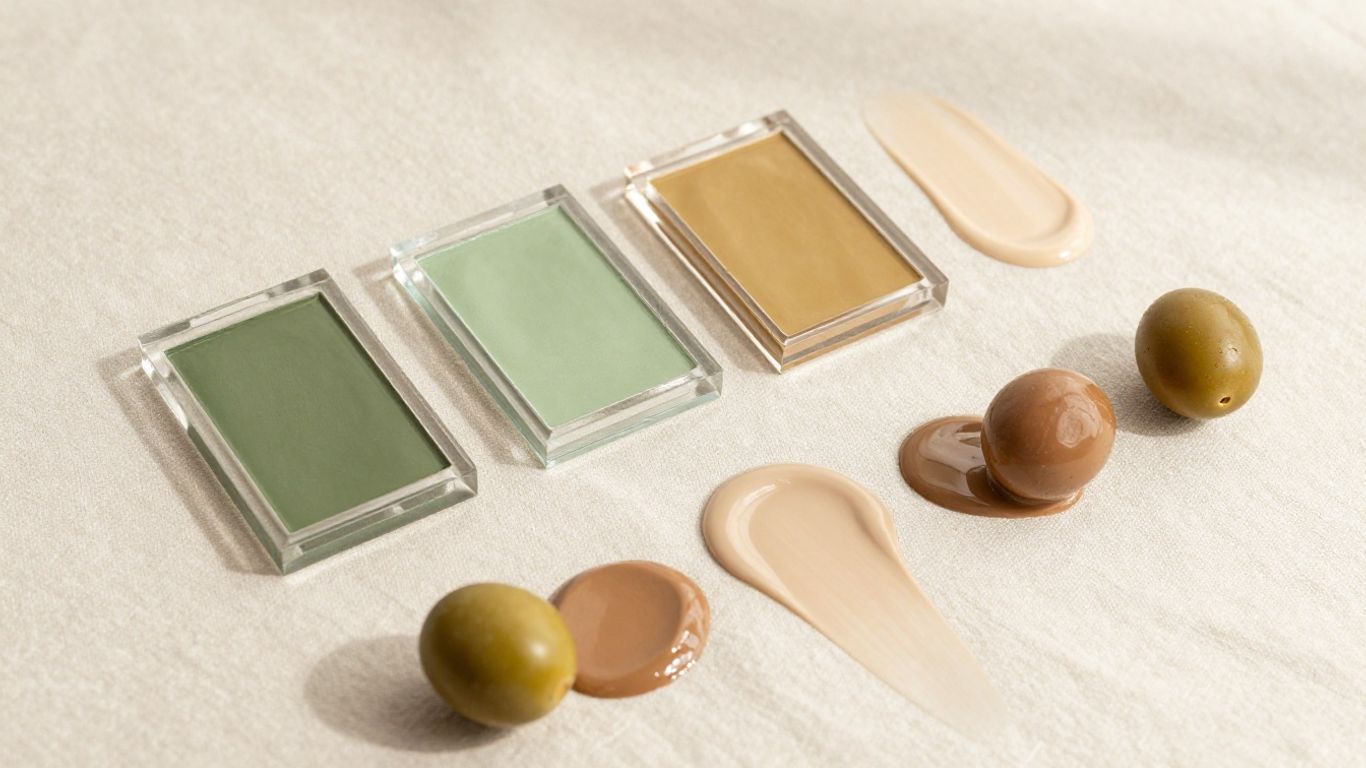
Swatch two or three close options in a short row along the jaw, then let them sit for several minutes. The best choice is usually the one that seems to soften into the skin as you move away from the mirror. If the color looks obvious from arm’s length, it probably needs another comparison.
Shade descriptions are useful starting points, not final answers. Seasonal changes, indoor lighting, and skincare underneath can all alter how a sheer base appears. A small amount of product worked over the center of the face and blended outward can make a near match look more natural than a thick application of a supposedly exact match.
3. Saie Slip Tint for a dewy, skin-like finish
A dewy finish can make an olive complexion look lively, especially when the goal is a fresh rather than perfected base. It also shows more of the skin’s natural variation, so choosing the right depth becomes especially important. A tint that is a little too pale may read as ashy once light reflects across the face.
Before applying a luminous base, give skincare a moment to settle. Use a small amount across the cheeks and forehead, then blend toward the edges so the finish stays thin and even. If your skin is combination, you can keep the most radiant application on the high points and use less product through areas that become shiny quickly.
Dewiness is not the same as excess product. A sheer layer can still look polished when the shade is close and the skin underneath is comfortable. If the tint catches on dry patches, press it in with fingertips rather than repeatedly brushing over the same area.
4. Tower 28 SunnyDays SPF 30 Tinted Sunscreen for sensitive skin
Sensitive skin often benefits from a simpler application routine, particularly when complexion products tend to feel noticeable. Start with a gentle, familiar skincare base and avoid changing several products at the same time. That makes it easier to identify what is working for your skin and what is not.
A tinted sunscreen should not be treated as a substitute for careful sun-protection habits unless its directions support that use. Apply the amount recommended on the packaging, spread it evenly, and give it time to settle before adding makeup. For more context on comfortable tinted protection, see this guide to tinted mineral sunscreens.
Olive undertones can look especially uneven when a tinted formula leaves a visible cast around the hairline or jaw. Check those areas in daylight and blend patiently around the nose. If the finish is not quite right, a small amount of concealer can help refine isolated areas without covering the whole complexion.
5. NARS Pure Radiant Tinted Moisturizer for sheer, natural coverage
Sheer coverage is often the easiest place to begin when you want your natural complexion to remain visible. It can soften unevenness without making freckles, texture, or tonal variation disappear. For olive undertones, that transparency also makes a close shade more forgiving than a heavier base.
Different finishes can change how a shade appears, so it helps to compare options under more than one kind of light. This quick reference keeps the decision focused on the effect you want rather than on marketing language alone.
| Desired effect | What to look for | Application approach |
|---|---|---|
| Barely-there coverage | A thin, fluid texture | Use fingertips and start at the center |
| Softly evened tone | A close depth and muted undertone | Blend outward in a single light layer |
| More visible correction | A formula that can be layered | Add product only where needed |
The table is a useful starting point, but the final test is still visual. Walk near a window, check the jawline, and look at the complexion from several angles. A natural finish should not require constant blending to keep the shade from looking separate from the skin.
6. Lisa Eldridge Seamless Skin Enhancing Tint for flexible shade blending
A lightweight, silky tint can suit people who want a second-skin effect without losing the appearance of natural tone and texture. The product description for Lisa Eldridge says it uses soft-focus, blurring pigments to even tone, dial down redness, and boost luminosity. It also describes the formula as crease-proof and ultra-blendable, with 78% skincare ingredients.
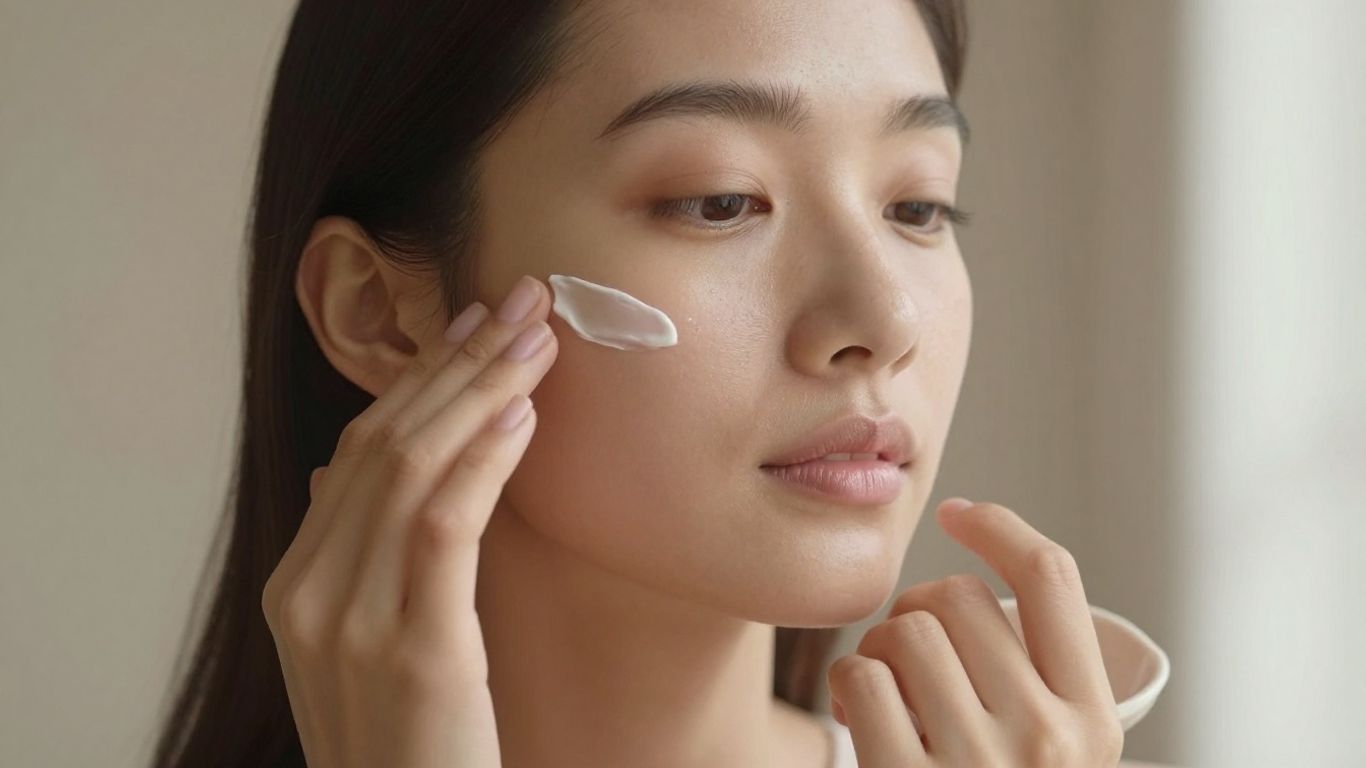
The application instructions are deliberately simple: shake well, use two drops, and smooth the product onto the skin with fingertips or a dense brush. Blending from the center outward can help keep the coverage light at the perimeter. That technique is especially useful when your face and neck have slightly different depths.
The finish is intended to remain fresh and luminous while smoothing the appearance of the complexion. For olive undertones, the nuanced shade approach may be more useful than trying to force the skin into a strongly pink or strongly yellow category. Still, natural daylight remains the best final check.
7. Kosas BB Burst Tinted Gel Cream for lightweight smoothing
Lightweight complexion products can be appealing when you want to reduce the appearance of unevenness without feeling covered. They work best when applied in thin layers, since excess product can collect around the nose, mouth, or textured areas. Start with less than you think you need and build only after the first layer has settled.
Olive undertones may look different across the face because of redness, shadow, and natural variation. Instead of matching one isolated patch, compare the overall effect across the cheeks, jaw, and neck. A shade that seems slightly yellow in the bottle may appear more balanced once it is spread thinly over the skin.
Smoothing is also partly about technique. Warm the product between your fingers, press it into the skin, and use a clean edge around the hairline. If you need more correction, use a separate small amount in targeted areas rather than turning a lightweight tint into a full-face layer.
8. Glossier Perfecting Skin Tint for the most minimal coverage
Minimal coverage is a good fit when you want a little tonal cohesion but do not want to hide the features that make your skin look like your own. It can be particularly flattering when the undertone is close, because there is less product to interrupt the natural variation of the face. The tradeoff is that it will not be the right tool for substantial spot correction.
Apply it where the complexion looks most uneven, then spread the remainder over the cheeks and forehead. This keeps the finish nearly weightless and prevents the edges from becoming too visible. A damp sponge can sheer out the product further, while fingertips usually preserve more of its original texture.
If you prefer a more even result, use a small amount of concealer only after the tint has dried down. This approach keeps the overall base sheer while allowing extra attention around a blemish or under-eye shadow. It also avoids choosing a darker or heavier tint simply to compensate for one area.
9. Summer Fridays Sheer Skin Tint for a fresh, flexible complexion
A fresh complexion usually comes from several small choices rather than one dramatic layer of makeup. A close undertone, comfortable skincare, and restrained application can let olive skin retain its natural dimension. Sheer coverage is forgiving, but it still looks best when the depth is in the right range.
Try applying the tint in short sections instead of dotting the entire face at once. Blend each area while the product is still easy to move, paying attention to the transition between cheek, jaw, and neck. This makes it easier to stop before the finish becomes too uniform.
Flexibility also matters when your complexion changes with the seasons. You may prefer a slightly lighter application in warmer months or a more nourishing base when the air is dry. Keep the shade decision separate from the finish decision: a luminous or natural effect cannot correct an undertone that is visibly mismatched.
10. Maybelline Super Stay Up to 24HR Skin Tint for a budget-friendly option
A lower-cost tint can still be evaluated with the same care as a prestige formula. Look first at undertone and depth, then consider how much coverage and wear you actually need. The most useful budget option is one that fits your routine, not simply the one with the biggest promise on the package.
For a practical comparison, keep these checks in mind:
- Test the shade on the jaw rather than the hand.
- View it in natural light before deciding.
- Wait several minutes to assess the finished color.
- Notice whether the formula settles comfortably around texture.
Those steps help separate a genuine match from a shade that only looks right under store lighting. They are also helpful when shopping online, where screen color can make undertones appear more obvious or more muted than they are in person.
If long wear matters, prepare the skin according to its needs and avoid applying too much product at the beginning. A thin layer is easier to touch up, blend, or pair with targeted concealer later. The result should feel practical and personal, not like an attempt to erase the character of your complexion.
Conclusion
The best skin tint for olive undertones is the one that disappears into your complexion while giving you the coverage and finish you actually enjoy wearing. Compare shades in daylight, begin with a thin layer, and let your natural tone guide the decision more than a label does.
Frequently Asked Questions
How can I tell whether my undertone is olive?
Olive undertones often have a muted green, golden, or neutral quality, but they can vary considerably in depth. Compare several shades at the jaw and look for the one that blends without appearing notably pink, orange, gray, or yellow.
Should I match a skin tint to my face or neck?
Use the jawline as the transition point and check the result against both the face and neck. The goal is a seamless overall effect rather than a perfect match to one small area.
Is sheer coverage better for olive skin?
Sheer coverage can be more forgiving because it allows natural tonal variation to show through. It is not automatically better, though; choose based on whether you want minimal evening, targeted correction, or more buildable coverage.
How should I test a skin tint before buying it?
Apply a small stripe along the jaw, let it sit for several minutes, and view it in natural light. Check the shade from a little distance as well as close up, since a color can look different once it is blended thinly.
Why does a skin tint look orange on olive undertones?
The formula may be too warm, too saturated, or too deep for your complexion. A shade with a more muted or neutral balance may look more natural, especially when applied in a thin layer.
Can I mix two skin tint shades?
Mixing can help when you are between depths or your complexion changes seasonally. Test the blend on the jaw first and keep track of the proportions so you can recreate the result.
Do I need concealer with a skin tint?
Not necessarily. A skin tint can even the overall complexion, while concealer can be added only where you want more coverage. Using the two selectively usually keeps the base looking lighter and more natural.