Key Takeaways
- Understanding undertones is the foundation of achieving a natural finish on multi-tonal skin.
- Always test foundation shades in natural lighting to ensure they work for your daily life.
- Mixing two shades is often the best way to handle seasonal skin variations or complex gradients.
- Proper skin prep, including hydration, prevents formula oxidation and patchiness throughout the day.
- Digital tools and professional consultations provide excellent starting points for finding your color.
Understanding your skin structure
Identifying neutral, warm, and cool undertones
Determining your undertone is about looking past surface redness or tanning. For many, skin tone is a spectrum rather than a single category, which is where Clé de Peau Beauté’s approach to understanding melanin levels becomes highly relevant. When you observe your veins or how your skin reacts to gold versus silver jewelry, you are exploring the underlying warmth or coolness that dictates how makeup reacts to your unique complexion.
Recognizing discoloration and multi-tonal areas
It is common for the center of the face to differ in depth from the cheeks or the jawline. This variety is beautiful, but it can make standard shade matching a bit of a puzzle. Consider how Almay’s Smart Shade Skintone Matching™ Foundation works to adjust pigments, as this kind of dynamic formula helps simplify the routine for those who deal with frequent color shifts across their face.
The impact of skin texture on formula oxidation
When a product oxidizes, it often turns orange or darkens due to interactions between the formula and your natural oils. Maintaining a healthy moisture barrier is key to preventing this shift over time. If you notice your makeup changing color by midday, your skin might be crying out for a different hydration routine before pigment application even begins.
Testing and swatching techniques
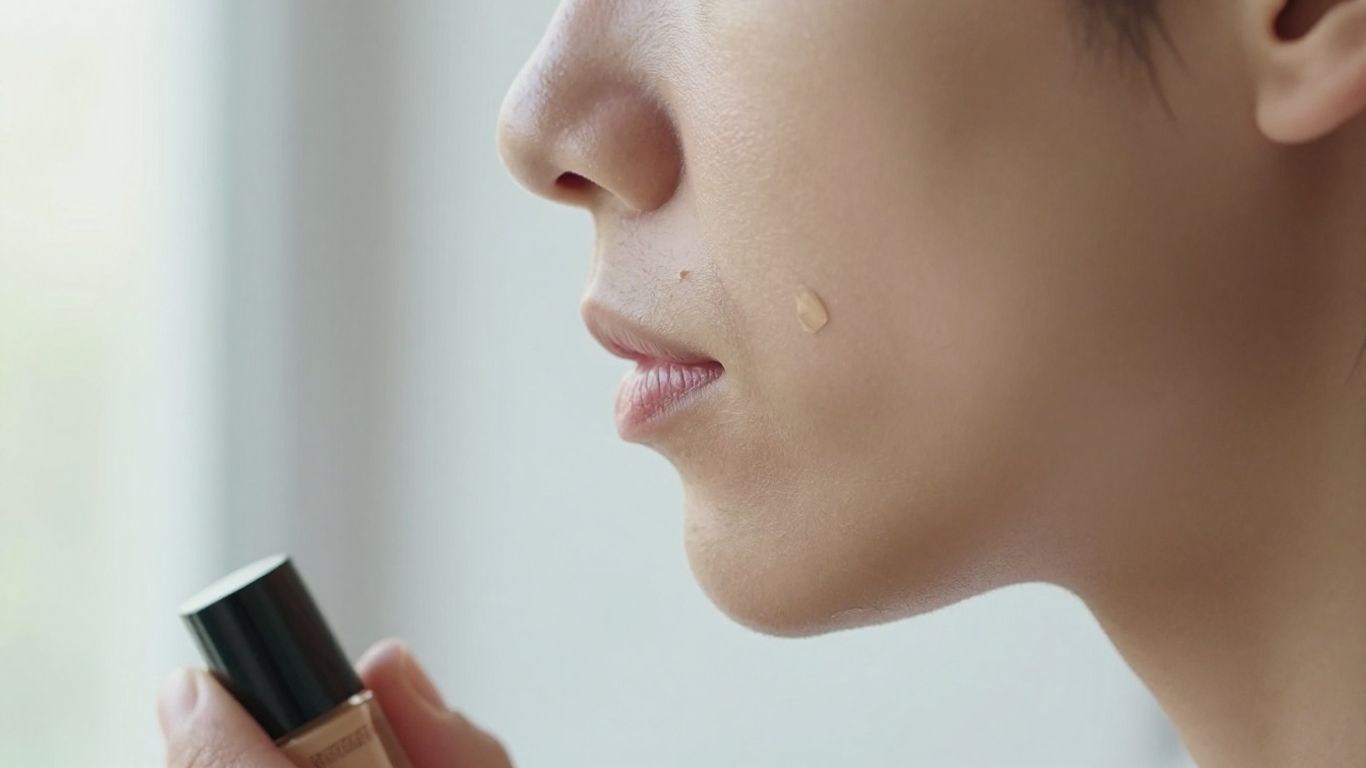
Why the jawline is the gold standard for testing
The jawline provides the most accurate link between your face and your neck. Testing here prevents that mask-like effect where the face looks disconnected from the rest of the body. You want a seamless transition between shades that honors your natural coloring without feeling forced or artificial.
Evaluating colors in natural versus artificial lighting
Artificial store lighting often carries a yellow or grey cast that masks the true pigment of a product. Always walk outside or head to a window to check your swatches in daylight before committing to a purchase. Natural light reveals if that foundation truly mimics your skin.
The importance of allowing foundation to dry before assessing
Liquid formulas often dry down to a slightly different shade than when they are first applied. Allowing for a full five minutes of settling time prevents the shock of finding out your "match" is actually a shade too light. This waiting period is non-negotiable for finding the right fit.
Navigating product formulas for variable skin
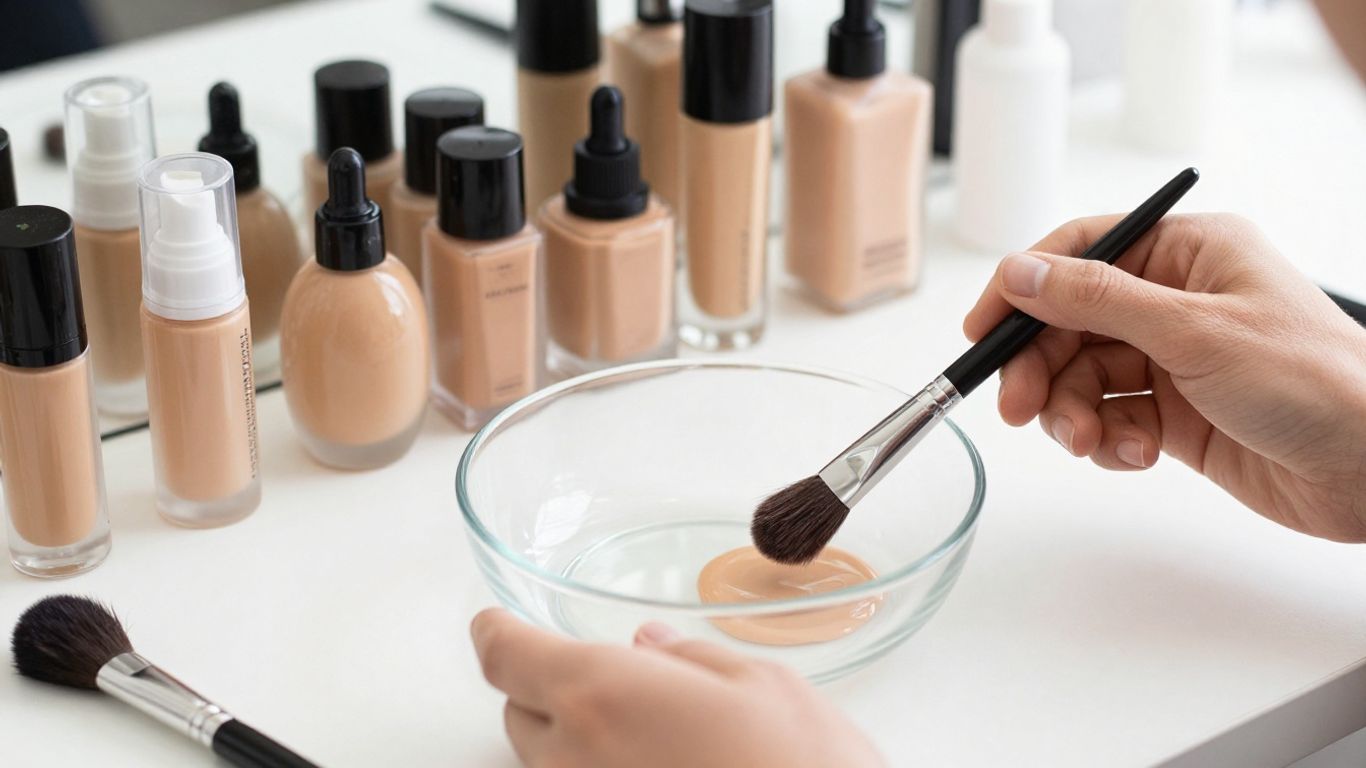
Choosing between sheer, medium, and full coverage
The intensity of your coverage should depend on your goals for the day rather than a need to cover everything completely. Sheer formulas allow your natural freckles or skin texture to shine through, while full coverage is better suited for specific events where you want a polished appearance. Many people find success with a moderate approach, as it balances coverage with a real-skin finish.
Managing oily versus dry zones for balanced wear
If you have a combination face, applying the same product to every area often fails. Sometimes, you need to treat your skin like a map of different needs.
| Skin Area | Product Choice | Prep Need |
|---|---|---|
| T-Zone | Matte Formula | Oil-Control Primer |
| Cheekbones | Luminous Finish | Light Hydration |
| Jawline | Natural Satin | Balanced Moisturizer |
By matching the finish to the specific needs of each area, you avoid the common pitfalls of dry patches or midday shine. This targeted method ensures that your makeup remains consistent and comfortable throughout the day.
How primers bridge the gap between uneven skin tones
Primers are more than just a sticky layer under makeup; they create a dedicated surface for pigment to adhere to evenly. When dealing with variable skin, a color-correcting primer can neutralize excessive redness or sallowness before you ever reach for your primary foundation bottle.
Tips for blending across different facial gradients
Techniques for color correcting darker or lighter patches
Instead of piling on heavy foundation, address the depth of color with specific corrector tones. A peach-toned corrector often brings warmth back into areas of discoloration, especially around the eyes, while green can diffuse persistent redness.
Using spot concealing to balance tone instead of full coverage
- Target areas with high pigment concentration using a small, precise brush.
- Tap the product in with your finger to warm it and melt it into the skin.
- Layer a thin amount of foundation only over the surrounding areas to blend the edges.
- Set with a fine-milled powder to lock the spot in place without adding heavy texture.
This approach avoids the dreaded "cakey" appearance that often occurs when trying to fix a small area with a full-face product.
Why mixing two specific shades is often the superior solution
Most of us fall between the pre-made numbers on a bottle, especially when our skin tone shifts with the seasons. Mixing a lighter and a deeper tone, or even a warm and a cool base, often results in a custom color that feels completely indistinguishable from your own skin.
Advanced professional tools and resources
Utilizing digital shade finder and matching technology
Technology has made the hunt much easier in recent years. Using the Maybelline foundation shade finder or similar tools like Findation.com lets you narrow down the field based on your history with other products. These systems collect massive amounts of data from users like you, making a highly educated guess that saves you multiple trips to the counter.
How to effectively use foundation mixing pigments
Professional artists often use small vials of concentrated pigment to adjust existing foundations. A single drop of blue, for instance, can neutralize an orange-looking foundation to make it more neutral, while a touch of white can lighten a match that became too dark in the summer.
Seeking professional color analysis or makeup artist consultation
If you find yourself stuck, a session with a pro is worth the investment. They can point out subtle undertones you might be missing and teach you exactly how to mix colors for 9ab2 or even how to recreate the texture of a favorite recipe like Chicken Gnocchi Soup — though with makeup, the "recipe" is all about pigment ratios.
Conclusion
Developing an eye for your own skin takes time and practice, but the process becomes easier once you stop fighting your natural multi-tonal nature. By focusings on techniques that respect your skin’s texture and variability, you can enjoy a polished look that feels uniquely yours. Embrace the experimentation process, as finding the perfect match is rarely a one-time endeavor but rather a skill you build.
Frequently Asked Questions
How often should I re-evaluate my foundation shade?
It is wise to check your match whenever the seasons change, as the shift in natural sun exposure significantly alters your skin depth.
Can I use the same foundation for my entire face?
While you can use one bottle, mixing slightly different ratios for your T-zone versus your cheeks often yields a more natural, multi-dimensional finish.
What do I do if my foundation looks grey on me?
Grey tones often appear when the formula’s base color does not align with your undertone, typically because the foundation is too cool for your skin.
Should I check my foundation color in store lighting?
Never rely exclusively on store lighting; always step outside or look in a window to view the true color against natural light.
Does skin texture change how foundation looks?
Yes, skin texture affects how light reflects off your face, which is why choosing the right finish—matte, satin, or luminous—is critical for your specific skin type.
Are expensive foundations always better for matching?
Price does not indicate quality or matching accuracy; finding a brand that offers a range of undertones for your specific skin is far more important than the cost.
How do I stop my makeup from oxidizing throughout the day?
Properly prepping your skin with hydration and using a quality primer creates a barrier that prevents the formula from reacting with your natural oils.