Key Takeaways
Color correction works best when the shade is chosen for both the discoloration and the complexion underneath it.
- Peach helps soften blue, gray, and brown shadows on light-to-medium skin tones.
- Orange is often a better visual match for medium-to-deep complexions.
- Green can neutralize red acne marks, while yellow helps with mild purple or uneven tones.
- Lavender is useful when skin looks dull or sallow rather than distinctly dark or red.
- Apply a thin layer, then use concealer or foundation only where extra coverage is needed.
1. Best overall color corrector for dark spots
The best color corrector for dark spots is usually the one that quietly neutralizes the mark without leaving a visible patch underneath makeup. Dark spots can look brown, gray, blue, or slightly purple, so there is no single shade that suits every person. Start by looking at the color of the spot in natural light, then compare it with your overall skin tone.
For many complexions, peach or orange is the most useful place to begin because these shades can soften cool-looking shadows. The goal is not to paint the area bright orange or pink. It is to apply just enough pigment that the spot looks closer to your natural skin tone before concealer goes on.
A small brush or fingertip gives better control than a large applicator. Tap the corrector directly over the mark, keep the edges sheer, and give it a moment before adding complexion makeup. This targeted approach keeps the finish lighter and helps avoid the gray cast that can appear when dark spots are covered with concealer alone.
2. Best color corrector for acne marks and post-inflammatory hyperpigmentation
Acne marks often combine leftover redness with brown or gray pigmentation, which is why one corrector may not look right on every mark. A red mark needs a different visual counterpoint from a flat brown mark, even when both appeared after a breakout. The most natural result comes from treating each color rather than covering the entire cheek with one strong shade.
If the mark is mostly red, a tiny amount of green can help quiet it. If it is brown, gray, or dusky, peach or orange may be more suitable depending on your depth of skin tone. For more background on distinguishing dark marks from textural scarring, this guide to acne scars on brown skin offers a useful skincare perspective alongside makeup camouflage.
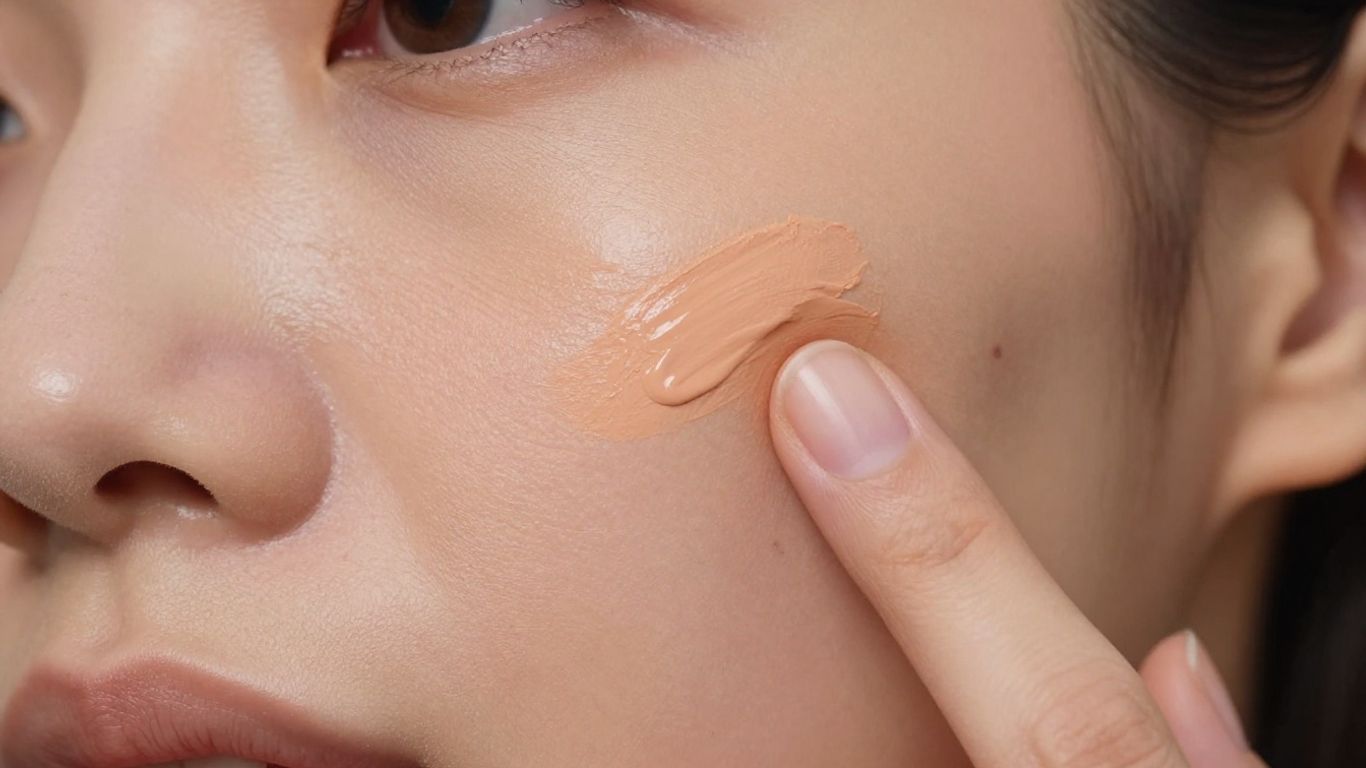
Use a clean fingertip to press, rather than rub, the product into the mark. Then place concealer only in the center and feather the edges into the surrounding skin. Makeup can disguise the appearance of post-inflammatory hyperpigmentation immediately, but it does not change the underlying pigment, so a gentle routine and consistent sun protection still matter.
3. Best peach corrector for light-to-medium skin tones
Peach is a particularly easy shade to work with on light-to-medium complexions because it can warm up blue, gray, and muted brown shadows without looking too heavy. It is often a comfortable choice for isolated sun spots, old blemish marks, and darkness around the eyes. The right peach should look subtle once blended, not like a separate layer of blush.
Choose a softer peach when the discoloration is faint or the skin is fairer. A deeper peach can make more sense when the mark is stronger or the complexion has a golden or medium undertone. If you are unsure, place a tiny amount on the edge of the spot and check it near a window before applying more.
The useful trick is restraint. Apply a dot smaller than you think you need, tap it over the discoloration, and follow with a concealer that matches the surrounding skin rather than one that is dramatically lighter. The result should look even at conversational distance and still look like skin up close.
4. Best orange corrector for medium-to-deep skin tones
Orange corrector can be especially effective when dark spots appear deep brown, blue-gray, or ashy against medium-to-deep skin. It provides enough warmth to bring the discoloration visually closer to the rest of the complexion. That does not mean every deeper skin tone needs the same orange; undertone and the darkness of the mark still guide the choice.
A muted orange or red-orange is often easier to blend than a vivid, neon shade. Use it only on the darker areas, particularly around the mouth, along the jaw, or where old breakouts have left concentrated marks. Broad application can make the base look warmer than intended.
For a seamless finish, press the corrector into the center of the spot and leave the outer edge almost transparent. Add complexion makeup in thin layers, checking the result after each pass. This is where thin layers prevent heaviness: extra product is easier to add than to remove without disturbing the base.
5. Best green corrector for red acne marks
Green corrector is designed for visible redness, not for every kind of dark spot. It can be helpful when a blemish is fresh, pink, or red around the edges, especially after the swelling has gone down. If the mark is primarily brown, green may make it look duller rather than more even.
Use a small amount and keep it close to the red area. A heavy green layer can show through foundation, particularly around the nose or on textured skin. Tap until the color looks softened, then cover it with a skin-matching concealer instead of trying to blend the green across the whole cheek.
Redness can also be made more noticeable by friction, dryness, or an irritated skin barrier. Give the skin a comfortable base first, and avoid scrubbing the area before makeup. A calm application is usually more flattering than adding increasingly opaque layers.
6. Best yellow corrector for mild redness and uneven tone
Yellow corrector is a gentle option when the problem is mild purple, muted redness, or an uneven-looking complexion rather than one sharply defined dark mark. It can brighten areas that look slightly bruised or tired without the stronger warmth of orange. On some skin tones, yellow also works as a soft transition shade between corrector and concealer.
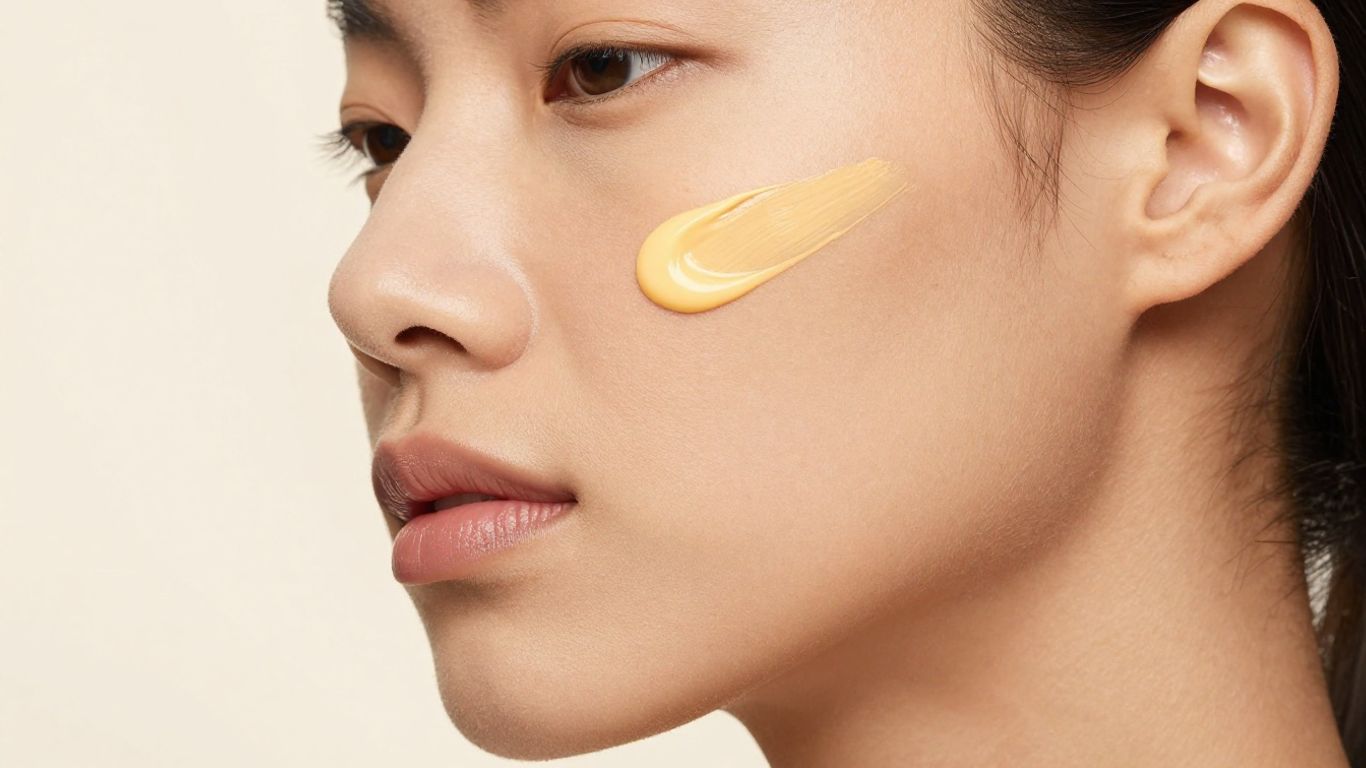
Because yellow is relatively light, it is best used sparingly over subtle discoloration. Tap a thin veil across the area, then inspect it in daylight before adding foundation. If the skin starts to look yellow rather than balanced, the shade is either too strong or being used over too large an area.
Think of this shade as a soft adjustment, not a full-coverage treatment. It can make the complexion appear more uniform when the unevenness is mild, but a stronger brown or blue-gray mark will usually need a more targeted peach or orange corrector. The color theory guide for dark spots explains this neutralizing approach in more detail.
7. Best lavender corrector for dull, sallow-looking skin
Lavender corrector is useful when skin looks yellow, sallow, or generally flat. It sits opposite yellow on the color wheel, so a little can make the complexion appear clearer and more balanced. Unlike peach or orange, lavender is not usually the first choice for brown hyperpigmentation.
Use it on broad, dull areas rather than directly on an isolated dark spot. A sheer layer across the high points of the face can add freshness before foundation, while concentrated application may leave a pale cast. This is one of the shades where blending matters as much as color selection.
People with deeper complexions may prefer a richer lavender or a lavender-toned base that does not turn chalky. Test the shade against the jaw and cheek, not only the wrist. If it disappears into the skin after blending, it is doing its job; if it remains visibly purple, use less or choose a warmer complexion product over it.
8. Best color-correcting concealer for full-coverage makeup
For full-coverage makeup, a color-correcting concealer should have enough pigment to neutralize the mark without requiring a thick layer. The formula also needs to remain workable, because a very dry product can catch on flakes and a very fluid one may move before foundation is applied. Coverage is most convincing when it is concentrated only where discoloration is strongest.
Begin with skincare that has settled, then use a small brush to place the corrector precisely. Tap the edges with a damp sponge or fingertip, keeping the center more opaque than the perimeter. Guidance on full-coverage concealer technique also supports this precision-first, blend-second approach.
After the corrector has set briefly, press matching concealer over it. Do not automatically choose a much lighter shade; a close match usually hides discoloration more naturally, especially around the mouth and cheeks. Set only the areas that crease or become shiny, since too much powder can make the correction look textured.
9. Best lightweight color corrector for everyday wear
Everyday makeup usually calls for a corrector that disappears under a small amount of concealer rather than one that creates a perfected, opaque base. Lightweight formulas are helpful when you want to even a few marks while leaving freckles, natural variation, and skin texture visible. A sheer finish can also be more forgiving as the day goes on.
The simplest routine is to moisturize, apply sunscreen, wait for the layers to settle, and then correct only the most noticeable spots. Use a fingertip for warmth and control, or a small flexible brush if you prefer a sharper application. Keep the rest of the face lightly covered so the corrected areas do not look isolated.
For mixed and melanin-rich complexions, matching the surrounding skin is especially useful when the face has several natural tones. This foundation shade-matching guide includes practical advice about undertones and multi-tonal areas. The same principle applies here: test in natural light and let the corrector support, rather than replace, a good match.
10. Best affordable color corrector for uneven pigmentation
An affordable corrector can work very well when its shade is appropriate and it is applied with care. Price matters less than pigment control, blendability, and whether the product disappears beneath your usual base. For uneven pigmentation, a small amount of a suitable shade is generally more useful than a large palette filled with colors you rarely need.
Before buying, identify whether your main concern is red, brown, blue-gray, purple, or yellow-looking. Then choose the narrowest color solution: green for red marks, yellow for mild purple tones, lavender for sallowness, or peach and orange for darker cool shadows. This short table can make the decision less abstract:
| Visible concern | Corrector family | Application approach |
|---|---|---|
| Red acne marks | Green | Tap onto the red center |
| Mild purple or uneven tone | Yellow | Sweep on a sheer veil |
| Dull yellow cast | Lavender | Blend across broad dull areas |
| Brown, blue-gray, or cool dark spots | Peach or orange | Spot-correct before concealer |
Once the shade is chosen, use the smallest practical amount and build only if the mark still shows. Check the result in daylight, because indoor lighting can make a corrector appear more neutral than it really is. Affordable makeup becomes much easier to use when the application is precise and the surrounding base is close to your actual skin tone.
Conclusion
The best color corrector for dark spots is not necessarily the strongest or most expensive formula; it is the shade that balances the discoloration with the least visible product. Peach and orange are common starting points for cool dark marks, while green, yellow, and lavender each have narrower but useful roles. Apply thoughtfully, match the surrounding skin, and remember that makeup offers immediate camouflage while skincare and sun protection support longer-term tone management.
Frequently Asked Questions
What color corrector is best for dark spots?
Peach or orange is often useful for brown, blue-gray, or cool-looking dark spots, but the best choice depends on the spot’s color and your skin tone. Use the lightest shade that visibly neutralizes the area.
Should I use concealer before or after color corrector?
Apply color corrector first, then place concealer over it. The corrector neutralizes the unwanted tone, while concealer brings the area closer to the surrounding skin.
Can green corrector cover brown acne marks?
Green is mainly suited to redness. Brown acne marks generally respond better visually to peach or orange, selected according to complexion depth and the mark’s undertone.
How much color corrector should I apply?
Start with a tiny dot and tap it directly over the discoloration. Add another thin layer only if the color still shows through after blending.
Does color corrector work on textured acne scars?
Color corrector can disguise discoloration, but it does not flatten indented or raised texture. Smoothing the base gently and avoiding excess product usually creates a more natural finish.
Can I wear color corrector without foundation?
Yes. Choose a close, sheer shade and blend the edges carefully, then use a small amount of concealer only where needed. The result will be lighter than a full makeup base.
Does color correction treat hyperpigmentation?
No. Color correction changes the appearance of discoloration temporarily through makeup. Persistent pigmentation may need a consistent skincare routine and professional advice when appropriate.