Here are the main things to remember about using protein treatments for your curly hair to help it look its best.
Key Takeaways
- Protein is like building blocks for your hair, helping it stay strong and less likely to break.
- Rice protein is a great choice because its small pieces can get into your hair shaft to fix it from the inside.
- Knowing your hair’s porosity (how well it absorbs moisture) helps you pick the right treatment and how long to leave it on.
- It’s important to balance protein treatments with moisture treatments; too much protein can make hair stiff, while too little leaves it weak.
- Consistency is key! Regular, but not too frequent, protein treatments can make a big difference in curl health and definition.
Understanding Protein Treatments for Curly Hair
Why Your Curls Need Protein
Think of protein as the building blocks for your hair. Your curls are made up of keratin, a type of protein. Over time, things like heat styling, environmental damage, and even just daily wear and tear can break down these proteins. When that happens, your curls can start to feel weak, limp, or even break off more easily. Protein treatments help to replenish these lost proteins, essentially rebuilding the hair shaft from the inside out. This makes your curls stronger and more resilient. It’s like giving your hair a structural repair kit. Without enough protein, your hair might struggle to hold its shape and bounce.
The Science Behind Protein’s Impact
So, how does protein actually work its magic? Hair is made of long chains of amino acids, which are the building blocks of protein. When these chains get damaged, they can break or fray. Protein treatments work by introducing smaller protein molecules, like hydrolyzed proteins or amino acids, that can penetrate the hair shaft. These molecules fill in the gaps and repair the broken bonds within the hair structure. This process helps to smooth the cuticle, reduce porosity, and improve the overall integrity of your curls. It’s not just about coating the hair; it’s about reinforcing it from within. This can lead to less breakage and better curl definition. For a deeper dive into understanding protein and moisture balance for your unique curls, explore our blog on hair porosity.
Identifying Protein Deficiency in Curls
Spotting a protein deficiency in your curls is key to knowing when to reach for a treatment. If your hair feels overly soft, mushy, or stretchy when wet, it might be crying out for protein. Another sign is if your curls are losing their definition, looking limp, or not bouncing back like they used to. You might also notice increased breakage or split ends, even if you’re being gentle. Sometimes, hair that feels overly dry or rough, despite using moisturizing products, could also be a sign that it needs protein to rebuild its structure. It’s a bit like trying to build a wall with weak bricks – it just won’t hold up.
Here are some common signs:
- Limpness: Curls lack their usual spring and definition.
- Excessive Stretchiness: Hair feels gummy or stretchy when wet and doesn’t snap back.
- Increased Breakage: More shedding or snapping of hair strands than usual.
- Dryness: Hair feels rough and brittle, even after moisturizing.
Sometimes, the signs of protein deficiency can be subtle. Pay close attention to how your hair feels and behaves after washing and styling. It’s a conversation between you and your curls, and learning to listen is half the battle.
Choosing the Right Protein Treatment
So, you’ve decided protein treatments are the way to go for your curls. Awesome! But now comes the big question: which one? It’s not a one-size-fits-all situation, and picking the wrong one can leave your curls feeling… well, not their best. Let’s break down how to find your perfect match.
Rice Protein: A Curl’s Best Friend
When it comes to protein treatments, rice protein is often hailed as a superstar for curly hair, and for good reason. Unlike some other proteins that can be a bit too heavy or harsh, rice protein has a smaller molecular structure. This means it can actually penetrate the hair shaft, getting to work on strengthening your curls from the inside out. It’s packed with amino acids that help repair damage and improve elasticity. Plus, it contains inositol, a compound that helps keep your curls smooth and prevents split ends. It’s a gentle yet effective way to give your hair that much-needed boost.
Understanding Hair Porosity for Treatment Success
Before you grab just any protein product off the shelf, you really need to get a handle on your hair’s porosity. This basically describes how well your hair can absorb and hold moisture. Knowing your porosity level is key to making sure a protein treatment actually benefits your curls instead of making them stiff or brittle.
Here’s a quick rundown:
- Low Porosity: Your hair cuticles are tightly closed. Moisture has a hard time getting in, and once it does, it has a hard time getting out. Protein treatments can build up easily here if you’re not careful.
- Medium Porosity: Your cuticles are a bit more open, allowing moisture to enter and exit with relative ease. This is often the easiest porosity to manage.
- High Porosity: Your cuticles are open, meaning your hair absorbs moisture quickly but also loses it just as fast. This type of hair often craves protein to help fill in gaps and retain moisture.
Tailoring your protein treatment to your hair’s porosity is like giving it exactly what it needs. Too much for low porosity can lead to stiffness, while too little for high porosity might leave it feeling weak.
Fermented Rice Water: An Advanced Option
If you’re looking to take your protein game up a notch, fermented rice water is where it’s at. The fermentation process does some pretty cool things. It breaks down the rice proteins into smaller, more easily absorbable components. It also helps to balance the pH, making it more compatible with your hair’s natural pH level. This means better absorption and more benefits for your scalp and strands. Think of it as a supercharged version of regular rice water, offering enhanced vitamins and more bioavailable proteins. It’s a fantastic option for those whose curls seem to need a more intensive repair and strengthening treatment. You can find products with fermented rice water or even try making your own at home if you’re feeling adventurous. For those looking to really boost their hair’s health, exploring advanced hair care techniques can be really rewarding.
Incorporating Protein Treatments into Your Routine

So, you’ve figured out your curls need a little protein love. Awesome! Now, how do you actually get it into your routine without messing things up? It’s not about doing a protein treatment every single day, that’s for sure. Think of it more like a special occasion for your hair.
The Weekly Deep Condition
This is your regular hydration session. Every week, you should be giving your curls a good deep conditioning treatment. This helps keep them moisturized, makes them more elastic, and generally keeps them from breaking off. It’s your basic hydration boost to keep curls feeling soft and bouncy.
The Monthly Protein Boost
Your hair is mostly protein, right? Over time, things like heat, styling, and just life can wear that protein down. This leads to weaker hair that might feel limp or break easily. A protein treatment, maybe added to your regular conditioner or as a standalone treatment, helps rebuild that structure. It gives your hair the building blocks it needs to be strong and hold onto moisture better. You don’t need this every week, but a good monthly boost can make a big difference. For fine hair, you might find you need it more often, maybe every two to three weeks, while thicker hair might be fine with less. It really depends on how your curls react. See how often you might need it.
When to Use a Protein Treatment
It’s not a one-size-fits-all situation. You need to pay attention to your hair. If your curls feel mushy, overly soft, or just aren’t holding their shape, they might be crying out for protein. On the flip side, if your hair feels stiff, brittle, or straw-like after a protein treatment, you’ve probably had too much. Finding that sweet spot is key. Generally, a protein treatment is recommended every four to six weeks, but always check the product instructions and adjust based on your hair’s needs. Listening to your hair is the best advice I can give.
Remember, consistency is key. Sticking to a routine that balances moisture and protein will help your curls flourish long-term, giving them that vibrant bounce and health you’re aiming for.
Application Techniques for Maximum Benefit
So, you’ve picked out the perfect protein treatment, and you’re ready to give your curls some serious love. But how you apply it makes a big difference, right? It’s not just about slathering it on; there are some tricks to really get the most out of it. Let’s break down how to tailor your application based on your hair’s unique needs.
Tailoring Application to Porosity Levels
Your hair’s porosity – how well it absorbs and holds moisture – is a huge factor in how a protein treatment will work. Think of it like a sponge; some are super absorbent, others less so.
- Low Porosity Hair: This hair type has tightly closed cuticles. It can be a bit stubborn when it comes to absorbing moisture and treatments. For you, starting with a diluted protein treatment is key. Apply it to damp, not soaking wet, hair. Keep the treatment time short, maybe 5-10 minutes. Gentle heat can help your strands open up just enough to soak in the goodness. You don’t want to overload it!
- High Porosity Hair: On the flip side, high porosity hair has cuticles that are more open, meaning it absorbs things quickly but can also lose moisture just as fast. Your hair can handle a full-strength protein treatment. Apply it to soaking wet hair for maximum absorption. You can leave it on for a bit longer, around 15-20 minutes. Since your hair is already ready to drink up nutrients, you can usually skip the extra heat.
Optimizing Treatment Time
How long should you leave that protein treatment on? It really depends on your hair’s porosity and the specific product you’re using. Always check the product instructions first, of course. But generally, lower porosity hair benefits from shorter times, while higher porosity hair can handle longer durations. Overdoing it can lead to protein overload, making your hair feel stiff and brittle. It’s a balancing act!
The Role of Heat and Steam
Heat can be a game-changer for protein treatments, especially for low porosity hair. Applying gentle heat, like wrapping your hair in a warm towel or using a hooded dryer on a low setting, can help the protein penetrate the hair shaft more effectively. It essentially encourages the cuticle to open up slightly, allowing the treatment to work its magic. For high porosity hair, however, heat might not be necessary and could even be too much, potentially leading to dryness. If you’re using a treatment that specifically calls for steam, go for it! Steam provides a gentle, consistent warmth that helps treatments absorb beautifully without being harsh. It’s a great way to refresh curls between washes too, adding shine and controlling frizz with a simple leave-in product like this one.
Remember, consistency is more important than intensity. Finding the right balance of treatment time and application method for your specific curl type will yield the best long-term results. It might take a little experimentation, but your curls will thank you for it.
Balancing Protein with Moisture
Okay, so we’ve talked about why protein is awesome for your curls, but here’s the real tea: too much of a good thing can actually make your curls unhappy. It’s all about finding that sweet spot between protein and moisture. Think of it like a seesaw – you need both sides to be balanced for things to work right. If your hair is mostly protein, it can get stiff and brittle, leading to breakage. On the flip side, if it’s all moisture and no protein, your curls might feel mushy, weak, and just won’t hold their shape.
Signs of Too Much Protein
How do you know if you’ve gone overboard with the protein? Your curls might start to feel a bit… off. They could become unusually stiff, almost straw-like, and might even feel rough to the touch. You might notice increased breakage, which is a big red flag. Sometimes, curls that were once bouncy can become limp and lifeless, not in a good way, but in a
DIY Protein Treatments and Ingredients
Sometimes, you just want to whip up something effective right in your own kitchen. It’s totally doable! Making your own protein treatments can be a great way to give your curls a boost without a lot of fuss or expense. Plus, you know exactly what’s going into it. It’s like cooking – you can control all the ingredients.
Kitchen Ingredients for Protein Boosts
There are a few common kitchen staples that are surprisingly good for your curls when it comes to protein. Think of these as your go-to ingredients for a quick, natural fix.
- Rice Water: This is a big one. After boiling rice, don’t toss the water! Let it cool, and use it as a rinse. It’s packed with inositol, which helps strengthen hair and improve elasticity. You can even let it ferment for a few days for extra benefits, though some find the smell a bit much. It’s a classic for a reason.
- Eggs: Yep, the humble egg. It’s full of protein and fats that can really help strengthen your hair shaft. Just whisk one up and mix it with a bit of conditioner or a carrier oil like olive oil to make it easier to apply and wash out. Be sure to rinse with cool water to avoid cooking the egg in your hair!
- Yogurt: Plain, unsweetened yogurt has lactic acid, which can help cleanse your scalp, and it also contains protein. Mix it with honey or a bit of oil for a creamy, conditioning treatment.
Remember, when using kitchen ingredients, consistency is key, but so is listening to your hair. Start with shorter treatment times and see how your curls react. Too much of a good thing can sometimes lead to stiffness, so don’t overdo it.
Decoding Product Labels: Proteins to Look For
When you’re out shopping, looking at ingredient lists can feel like deciphering a secret code. But once you know what to look for, it’s much easier to pick out products that will actually help your curls.
Here are some common protein types you might see on labels:
- Hydrolyzed Proteins: These are proteins that have been broken down into smaller pieces, making them easier for your hair to absorb. You’ll see names like Hydrolyzed Wheat Protein, Hydrolyzed Soy Protein, or Hydrolyzed Rice Protein. These are generally well-tolerated.
- Keratin: This is the main protein that makes up your hair. Keratin treatments can help fill in gaps in the hair shaft, making it smoother and stronger. It’s a popular choice for damaged hair.
- Silk Amino Acids: Derived from silk, these are small protein molecules that can penetrate the hair shaft to add moisture and strength.
- Collagen: Often found in skincare, collagen is also a protein that can help improve hair’s elasticity and moisture retention.
It’s important to note that even beneficial ingredients can cause issues if your hair is sensitive to them. Pay attention to how your curls feel after using a product.
Ingredients to Use with Caution
While many ingredients are great, a few can be a bit tricky for curly hair, especially if you’re trying to balance protein with moisture. Knowing these can save you some frustration.
- Large Protein Molecules: Sometimes, proteins are too big to get into the hair shaft. They might just sit on top, which isn’t as effective and can sometimes make hair feel stiff or rough. Look for hydrolyzed versions.
- Certain Amino Acids: While generally good, some individual amino acids might not be as beneficial as a complex protein. It really depends on the specific one.
- Over-reliance on Protein: This is the biggest one. If you use protein treatments too often or use products with a very high concentration of protein without enough moisture, your hair can become brittle and break easily. It’s all about finding that perfect balance between protein and hydration. If your hair starts feeling stiff, straw-like, or snaps easily, you might be using too much protein. Scale back and focus on moisture for a while.
Troubleshooting Common Curl Concerns with Protein
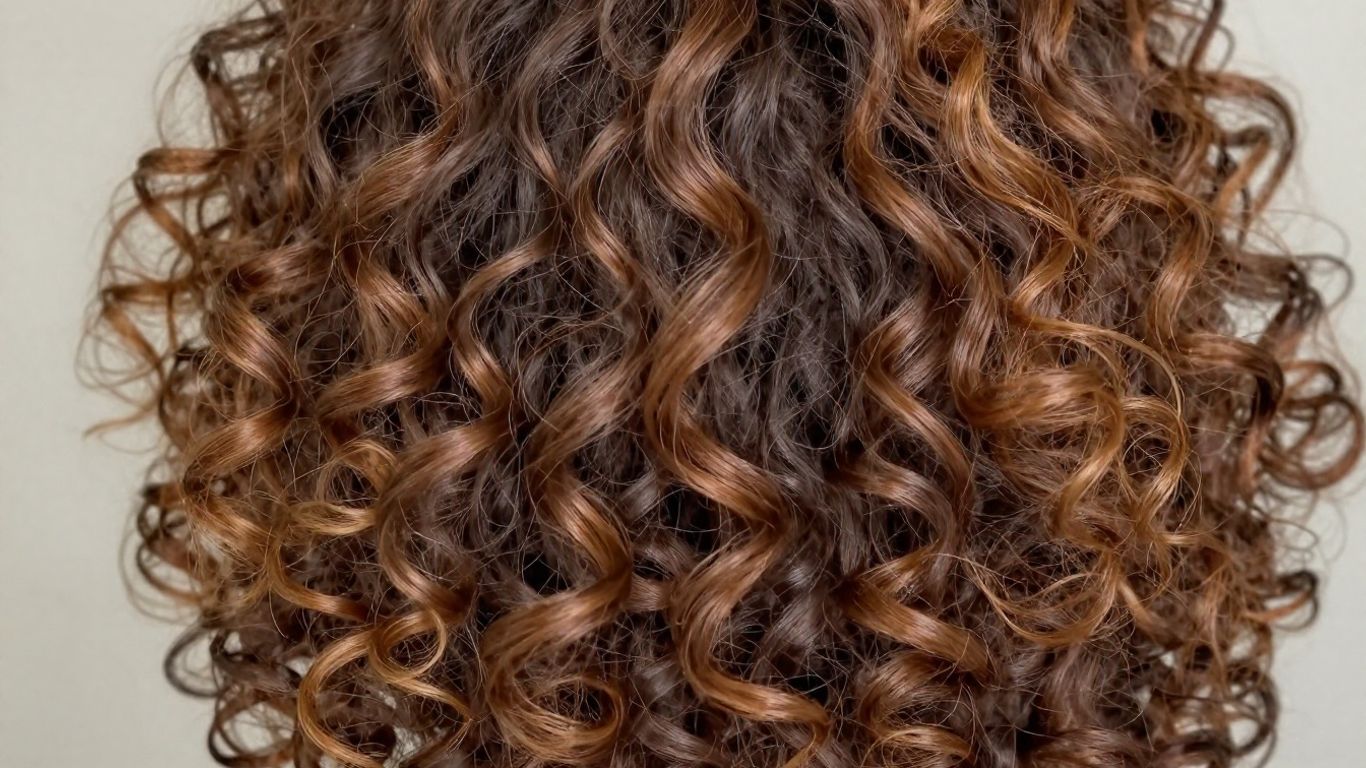
Sometimes, even with the best intentions, your curls might act up. Don’t worry, it happens! Protein treatments can be a lifesaver for a few common curl issues, but it’s all about using them correctly. Let’s figure out how to get your curls back on track.
Addressing Breakage and Weakness
If your hair feels like it’s snapping easily or just generally weak, it might be crying out for some protein. Curly hair, especially, can be more fragile because of its structure. When the hair shaft loses its natural protein, it becomes weaker and more prone to damage. A protein treatment can help fill in those gaps, making your strands stronger and more resilient. This is especially true if your hair feels overly soft and mushy, which is a sign it’s lacking structure.
Here’s a quick rundown:
- Signs of Weakness: Easy breakage, split ends, hair that feels limp or stretchy when wet.
- How Protein Helps: It reinforces the hair’s internal structure, adding strength and elasticity.
- What to Do: Start with a moderate protein treatment, perhaps once a month, and see how your hair responds. You can find great options for strengthening curls here.
Revitalizing Limp or Overly Soft Curls
On the flip side, if your curls are looking flat, limp, and just won’t hold a shape, they might be too soft. This often means they’re lacking the protein needed to give them structure and bounce. Think of protein as the scaffolding for your curls; without it, they can’t stand up tall and defined. Over-moisturizing without enough protein can lead to this situation.
- When to Consider Protein: If your curls feel mushy, lack definition, or fall flat quickly after styling.
- The Protein Solution: A protein treatment can add that much-needed structure back into your hair, helping your curls spring back to life.
- Balance is Key: Remember, you still need moisture! The goal is to find that sweet spot where your hair is strong and hydrated.
Managing Frizz with Protein
Frizz is often a signal that your hair needs moisture, but sometimes, it can also be a sign of damage or a lack of protein. When the hair cuticle is raised and rough, it lets in humidity, causing frizz. Protein can help smooth down that cuticle, making your hair look sleeker and reducing frizz. However, it’s a delicate balance; too much protein without enough moisture can actually cause frizz and make hair feel dry and brittle.
Protein treatments are not a magic bullet for all frizz. They work best when frizz is a symptom of weakened or damaged hair. If your frizz is purely from dryness, focusing on moisture-rich products and techniques might be more effective. Always observe how your hair reacts after a treatment.
If you suspect your frizz is related to hair weakness, try incorporating a protein treatment. You can find more information on balancing treatments here.
Conclusion
Taking care of curly hair can seem like a lot, but it’s really about getting to know what your hair likes. Protein treatments, especially those with rice protein, can be a game-changer for making your curls strong and bouncy. Remember to find that sweet spot between protein and moisture, and don’t be afraid to experiment. Your curls are unique, and with a little patience and the right approach, you can definitely help them look and feel their absolute best. Happy curling!
Frequently Asked Questions
What exactly is a protein treatment for curly hair?
Think of protein treatments as a way to give your curls a strength boost. Your hair is mostly made of protein, and sometimes it loses some, especially with heat or styling. These treatments add that protein back in, helping to fix damage and make your curls stronger and less likely to snap.
How often should I use a protein treatment?
It really depends on your hair. If your curls feel weak or mushy, you might need one every week or two. If they feel pretty good, maybe just once a month is enough. Overdoing it can make your hair stiff, so it’s good to pay attention to how your hair feels and adjust.
Can protein treatments help with frizz?
Sometimes! Frizz often happens when hair is dry and looking for moisture. While protein strengthens the hair shaft, making it smoother, it’s usually a combination of protein and moisture that tames frizz best. Make sure you’re also keeping your hair well-hydrated.
What’s the difference between rice protein and other proteins?
Rice protein is special because its tiny bits can get inside your hair strand to repair it. Other proteins might just sit on the outside. Rice protein is also known for being gentle, which is great for many curly hair types.
My hair feels stiff after a protein treatment. What did I do wrong?
That’s a common sign of too much protein. Your hair needs a good balance of protein for strength and moisture for flexibility. If your hair feels stiff or brittle, try a moisturizing deep conditioner to bring back some softness. You might need to use protein treatments less often.
Can I use protein treatments if my hair is fine or thin?
Yes, but be extra careful! Fine hair can get overloaded with protein more easily. Start with a very diluted treatment or use it less often. Pay close attention to how your hair responds. Sometimes lighter protein sources are better for finer textures.