Here are the main points to remember when caring for your high porosity curly hair. Keep these handy to ensure your curls get the love they deserve.
Key Takeaways
- High porosity hair soaks up moisture easily but loses it just as fast because its outer layer has more openings.
- Use the LCO (Leave-in, Cream, Oil) method to help seal moisture into your hair.
- Look for hydrating ingredients like aloe vera, glycerin, shea butter, and oils, and don’t forget protein for strength.
- Be gentle when washing and detangling, and always protect your hair at night with a satin scarf or pillowcase.
- Regular trims and protective styles can help keep your high porosity curls healthy and reduce damage.
Understanding Your High Porosity Curly Hair
What High Porosity Hair Means for Your Curls
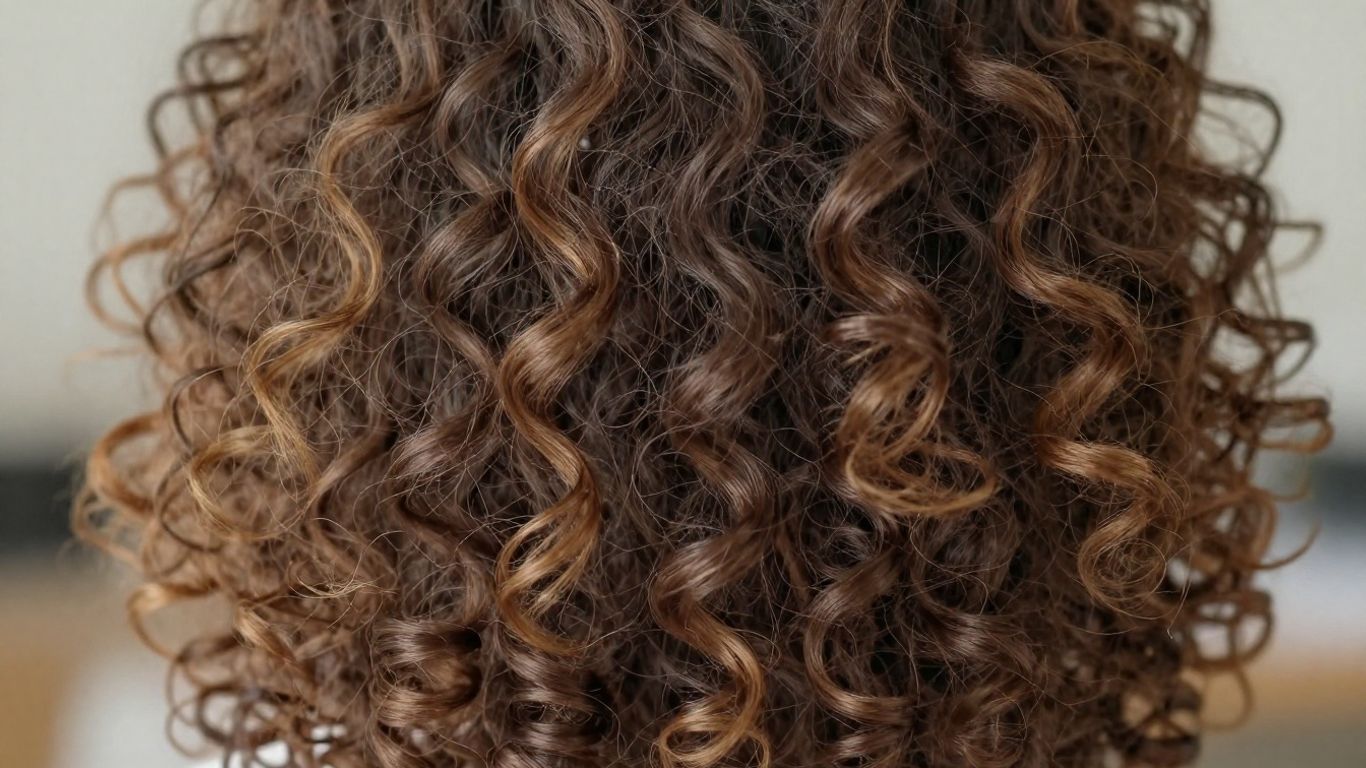
So, you’ve got curly hair, and you’re trying to figure out why it sometimes feels like a sponge that can’t hold water? You might be dealing with high porosity hair. Basically, porosity is all about how well your hair can take in and keep moisture. Think of your hair’s outer layer, the cuticle, like tiny shingles on a roof. With high porosity hair, these shingles are a bit more lifted or spaced out. This means water and products can get in super fast, which sounds great, right? The flip side is that this same moisture can also escape just as quickly, leaving your curls feeling dry and looking a bit frizzy. It’s like having a leaky roof – things get in easily, but they don’t stay put for long. This is why understanding your hair’s porosity is a game-changer for getting those curls to behave and look their best. It helps you pick the right products and methods to keep your hair happy and hydrated. Learning about high porosity hair characteristics is the first step to a better curl routine.
Identifying Signs of High Porosity Hair
How do you know if you’re in the high porosity club? There are a few tell-tale signs. Does your hair get soaking wet almost the second water hits it? That’s a big clue. It also tends to dry out really fast after washing, sometimes even before you’ve finished your whole routine. You might notice your hair feels dry a lot, even if you’re using lots of products. Frizz is often a constant companion, and your curls might not have that smooth, shiny look you see in magazines. They can also tangle easily, which is frustrating when you’re trying to detangle. Another thing to watch for is how quickly your hair absorbs products. It drinks them up, but then seems to forget they were ever there. If your hair feels rough to the touch or looks dull, that’s another indicator that the cuticle might be more open than you’d like.
Here are some common signs:
- Hair gets wet very quickly.
- Hair dries out rapidly after washing.
- Often feels dry and looks dull.
- Prone to frizz and tangles easily.
- Absorbs products quickly but doesn’t retain moisture well.
The Strand Test for Porosity Determination
If you’re still not totally sure about your hair’s porosity, there’s a simple test you can do right at home. Grab a clean strand of hair – make sure it’s free from any product buildup. Then, place that strand into a glass of plain water. Now, watch what happens. If your hair strand sinks straight to the bottom of the glass, that’s a pretty clear sign you’re dealing with high porosity hair. This means your hair is dense and has a lot of space for moisture to enter, but also to leave. If it floats on the surface, that’s usually low porosity, and if it hovers somewhere in the middle, it’s likely medium porosity. It’s a straightforward way to get a better idea of what your curls need. This simple test can really help you understand how your hair absorbs water.
Doing this test can give you a much clearer picture of your hair’s needs. It’s not about judging your hair, but about understanding it so you can give it the best possible care. Knowing your porosity helps you choose products that actually work for you, rather than just guessing.
Mastering Moisture Retention for High Porosity Hair
High porosity hair is like a sponge – it drinks up moisture super fast, but then it lets it go just as quickly. This means keeping your curls hydrated is a bit of a balancing act. The good news? With the right approach, you can keep your hair feeling soft and looking great.
The LCO Method for Optimal Hydration
The LCO method is a game-changer for high porosity hair. It stands for Leave-in Conditioner, Cream, then Oil. This layering technique helps trap moisture effectively. Think of it as building a hydration shield for your strands. It’s a simple sequence that makes a big difference in how long your hair stays moisturized.
Here’s a quick breakdown:
- Leave-in Conditioner: This is your first line of defense, providing a base layer of hydration. Look for formulas with ingredients like aloe vera or honey.
- Cream: A good styling cream adds another layer of moisture and helps define your curls. Coconut oil-based creams are often a favorite because they offer hold without feeling too heavy.
- Oil: The final step is sealing everything in. Natural oils like jojoba, argan, or olive oil create a barrier to prevent moisture from escaping. Focus on the ends, as they tend to get drier.
Choosing the Right Leave-In Conditioners
When picking a leave-in conditioner, you want something that’s going to quench your hair’s thirst without weighing it down. Sulfates and parabens are a no-go, as they can strip your hair of its natural oils. Instead, search for ingredients that are known for their hydrating properties. Aloe vera is fantastic for adding moisture, while honey can help with softness. Lightweight oils are also a plus, as they provide slip and help detangle without leaving a greasy residue. A good leave-in conditioner is the foundation for keeping your curls hydrated.
Sealing Moisture with Creams and Oils
After your leave-in, it’s time to seal the deal. This is where creams and oils really shine for high porosity hair. Creams help to add more moisture and give your curls definition and hold. They can make a big difference in how your style lasts throughout the day. Then comes the oil. This is the final step to lock everything in. Using a natural oil like jojoba or argan oil creates a protective barrier. This barrier stops moisture from evaporating, keeping your hair hydrated for longer. It’s like putting a lid on a pot to keep the steam inside. You don’t need a lot; a little goes a long way to keep your ends from feeling dry and brittle.
Essential Ingredients for High Porosity Hair Care
When you have high porosity hair, it’s like a sieve – it drinks up moisture super fast, but then it lets it all escape just as quickly. That’s why picking the right ingredients is a big deal. You want things that not only add moisture but also help keep it locked in. Think of it as giving your hair a drink and then putting a cozy blanket on it.
Hydrating Oils and Butters
Oils and butters are your best friends here. They’re great for smoothing down those raised cuticles and creating a barrier to stop moisture from running away. Some top picks include:
- Shea Butter: This is a classic for a reason. It’s rich and creamy, perfect for sealing in hydration and making your curls feel soft.
- Coconut Oil: It’s known for its ability to penetrate the hair shaft, adding moisture from the inside out. Just be mindful if your hair is on the finer side, as it can sometimes weigh it down.
- Avocado Oil: Packed with good stuff like vitamins and fatty acids, avocado oil is fantastic for nourishing and adding shine.
- Jojoba Oil: This oil is pretty unique because it closely resembles our scalp’s natural oils, making it easily absorbed and great for balancing moisture.
These ingredients are key to keeping your hair feeling hydrated and looking healthy. You can find them in many conditioners and styling creams designed for curly hair.
The Power of Aloe Vera and Glycerin
Beyond the heavier oils and butters, a couple of other ingredients really shine for high porosity hair. Aloe vera and glycerin are moisture magnets, but they work in slightly different ways.
- Aloe Vera: This plant is a superstar for both hydration and soothing the scalp. It can help strengthen your strands and add a nice bit of moisture without feeling heavy.
- Glycerin: This is a humectant, which means it pulls moisture from the air into your hair. It’s super effective at keeping curls defined and hydrated, but it works best in humid environments. If the air is very dry, it might pull moisture from your hair instead, so it’s good to pair it with sealing ingredients.
Using products with these ingredients can make a noticeable difference in how moisturized your curls feel throughout the day.
Incorporating Protein for Strength
While moisture is the main goal, high porosity hair can sometimes be a bit fragile. This is where protein comes in. Protein helps to fill in the gaps in the hair cuticle, making your strands stronger and more resilient. Too much protein can make hair feel stiff, so balance is key.
Look for ingredients like:
- Hydrolyzed Wheat Protein
- Silk Protein
- Keratin
These proteins can help repair damage and give your curls more structure and bounce. You don’t need to use protein every wash day, but incorporating a protein treatment or a protein-rich conditioner every week or two can really help your hair feel its best. It’s about finding that sweet spot between moisture and strength for your unique curls. You can find great protein treatments that work well for high porosity hair.
Building Your High Porosity Hair Routine
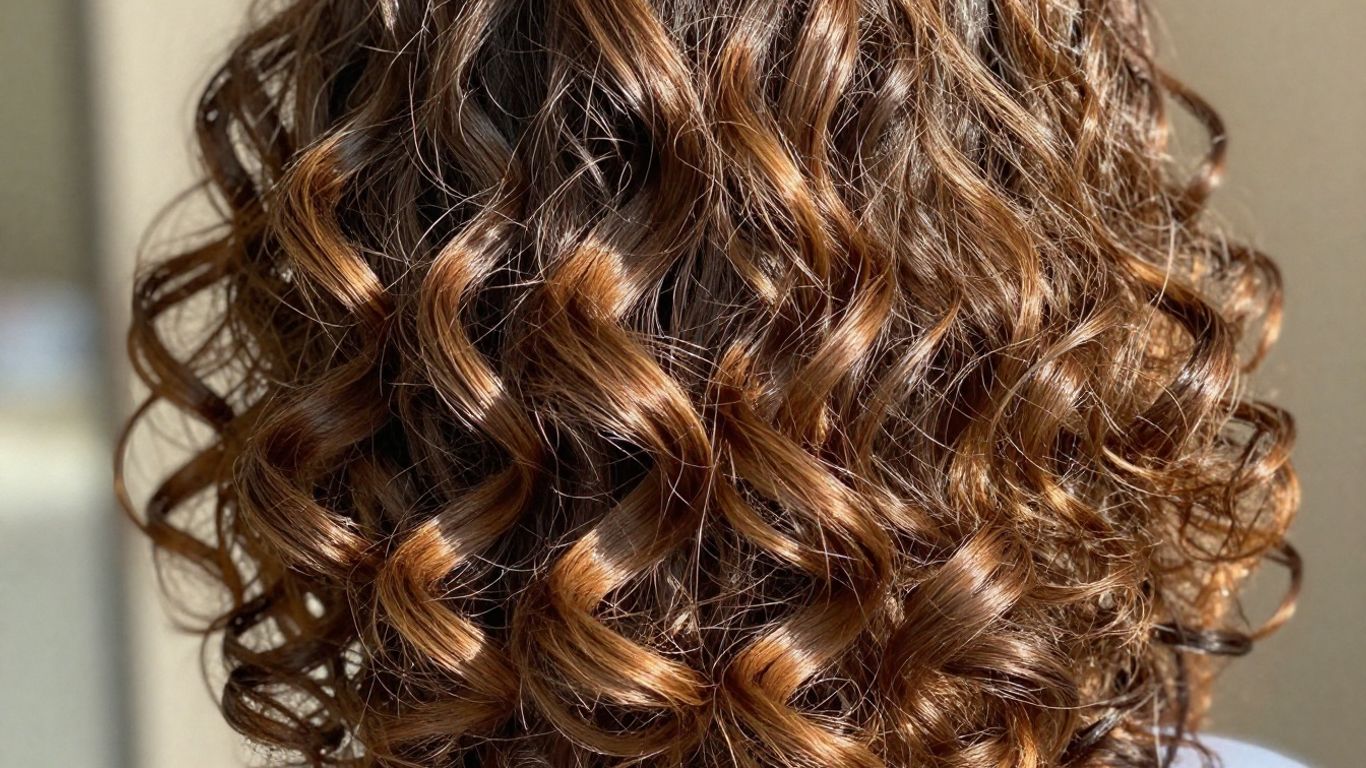
Okay, so you know your hair is high porosity – it drinks up moisture like a sponge but lets it go just as fast. That means we need a routine that focuses on getting moisture in and then keeping it there. It’s not about complicated steps, just smart ones.
Gentle Cleansing Without Stripping
First things first, your wash day needs to be gentle. High porosity hair can get really dry if you use harsh shampoos that strip away all its natural oils. Think of it like trying to fill a leaky bucket; you don’t want to pour water out faster than you’re putting it in. So, ditch the sulfates and look for hydrating shampoos. Some people even like using a clay wash or a gentle apple cider vinegar rinse sometimes. The goal is to clean your scalp and hair without making your curls feel brittle or rough.
- Choose hydrating shampoos: Look for ingredients like glycerin, aloe vera, or natural oils.
- Consider co-washing: If your hair is extra dry, try washing with conditioner only sometimes.
- Rinse with cool water: This helps to close the hair cuticle after cleansing.
The Importance of Deep Conditioning Treatments
This is where the magic happens for high porosity hair. Deep conditioning is like giving your thirsty curls a long, cool drink. You want to do this regularly, maybe once a week or every other week, depending on how your hair feels. These treatments are packed with the good stuff – think nourishing oils, butters, and sometimes even proteins – that really soak into your hair shaft and help to repair it. It’s a good idea to find a mask that has ingredients like keratin or wheat protein if your hair feels weak, or just focus on super hydrating ones if dryness is your main issue.
Deep conditioning is your best friend for keeping moisture locked in.
Protecting Your Curls Overnight
Don’t let all that hard work go to waste while you sleep! Your regular cotton pillowcase can actually suck moisture right out of your hair. To keep your curls happy and hydrated, switch to a satin or silk pillowcase. Another option is to gently wrap your hair in a satin or silk scarf before bed. This simple step makes a big difference in preventing dryness and frizz by the time you wake up.
Protecting your hair at night is a small habit that pays off big time in the long run for maintaining moisture and curl definition.
Protecting High Porosity Curls from Stressors
High porosity hair, bless its heart, tends to let moisture in but also lets it escape pretty quickly. This means it’s more vulnerable to things that can mess with its hydration and overall health. Think of it like a sieve – great for letting things through, but not so great at holding onto them. So, we need to be extra mindful about protecting those lovely curls from everyday wear and tear.
The Role of Regular Trims
Okay, so this might sound a bit counterintuitive when you’re trying to grow your hair long, but hear me out. Regular trims are actually super important for high porosity hair. Why? Because split ends love to travel up the hair shaft, causing more damage and making your hair look and feel less healthy. Getting rid of those split ends regularly stops them in their tracks. It’s about maintaining the health of the hair you have, not just adding length. Think of it as a reset button for your strands. Aim for a trim every 8-12 weeks, depending on how your hair is feeling. It doesn’t have to be a drastic cut; just enough to snip off those damaged tips.
Embracing Protective Styling Techniques
Protective styling is your best friend when you have high porosity hair. These styles help to tuck away your ends and reduce the amount of daily manipulation your hair goes through. Less touching, less friction, and less exposure to the elements means less breakage and moisture loss. Some great options include:
- Braids (box braids, cornrows)
- Twists (two-strand twists, flat twists)
- Bantu knots
- Wigs or extensions (if done carefully and not too tight)
These styles give your hair a break from styling, brushing, and environmental stressors. Just remember to keep your scalp moisturized underneath and don’t keep protective styles in for too long – usually no more than 4-6 weeks to avoid matting and scalp issues. It’s a way to give your hair a vacation while still looking fabulous. You can find some great inspiration for protective styles online.
Seasonal Care Considerations
Our hair goes through different things depending on the season, and high porosity hair can be particularly sensitive. In the winter, the dry, cold air outside and the heated air inside can really strip moisture from your hair, leaving it brittle and prone to breakage. You might need to amp up your moisturizing routine, perhaps using richer creams and oils to seal in hydration. Consider using a humidifier in your home to add moisture back into the air. In the summer, while there’s more humidity, excessive sun exposure and chlorine from swimming can still be drying. Always wear a hat when you’re out in strong sun, and if you swim, rinse your hair with fresh water afterward and apply a leave-in conditioner. Being mindful of these seasonal shifts can make a big difference in keeping your curls happy and healthy all year round. This kind of attention helps maintain hair health and prevent dryness.
Nourishing Your Scalp for Healthy Curls
We often get so caught up in making our curls look amazing that we forget about the foundation: our scalp. A healthy scalp is where all that beautiful hair growth starts, so giving it some love is super important, especially for high porosity hair which can sometimes be a bit more sensitive. Think of it like tending a garden; you need good soil for healthy plants, right? Your scalp is the same.
The Benefits of Scalp Massages
Scalp massages aren’t just a nice treat; they actually do some real good for your hair. When you gently massage your scalp, you’re boosting blood flow. This increased circulation brings more nutrients and oxygen to your hair follicles, which can help encourage stronger, healthier hair growth. Plus, it feels pretty darn good, which is always a bonus!
Here’s why you should make time for a scalp massage:
- Stimulates Blood Flow: Gets those nutrients to your roots.
- Reduces Buildup: Helps lift away dead skin cells and product residue.
- Promotes Relaxation: It’s a great way to de-stress after a long day.
- Can Aid Growth: Healthier follicles mean healthier hair.
Regular scalp massages can make a noticeable difference in the overall health of your hair. You can do this with your fingertips or use a gentle scalp massager. Just use small, circular motions all over your scalp for a few minutes each day or a few times a week. It’s a simple step that can really help manage moisture.
Hydrating Scalp Treatments
Beyond massages, think about adding specific hydrating treatments to your routine. High porosity hair can sometimes feel dry, and that dryness can start at the scalp. Using treatments designed to add moisture can help keep your scalp happy and balanced. Look for ingredients like hyaluronic acid, aloe vera, or gentle plant-based oils. These can help soothe dryness and create a better environment for your hair to grow. A well-hydrated scalp is less likely to flake or become irritated, which means your curls will thank you.
Sometimes, the key to managing dryness isn’t just about adding more product to your ends, but about ensuring the source – your scalp – is properly hydrated and healthy. This can prevent a cascade of issues that affect your curl pattern and overall hair health.
Steam Treatments for Curl Health
Steam treatments are another fantastic way to give both your scalp and your curls a boost. When you expose your hair and scalp to gentle steam, it helps to open up the hair cuticle slightly. For high porosity hair, this can make it more receptive to moisture and treatments. It’s like giving your hair a warm, spa-like experience that helps everything penetrate better. This can lead to softer, more manageable curls and a more comfortable scalp. You can do this at home with a dedicated steam cap or even by sitting near a steamy shower (just be careful not to get too hot!). It’s a great way to prep your hair before a deep conditioning treatment or just to give it some extra TLC. Many people find that steam treatments leave their curls feeling incredibly soft and looking more defined, which is always a win. It’s a simple addition that can really help strengthen the hair shaft.
Conclusion
Taking care of high porosity curly hair doesn’t have to be a puzzle anymore. By understanding what makes your hair unique, you can pick the right products and use methods that keep your curls happy and healthy. Remember to focus on keeping moisture in, using good ingredients, and protecting your hair. It takes a little practice, but soon you’ll have your curls looking their absolute best. Enjoy the journey and love your amazing hair!
Frequently Asked Questions
What exactly is high porosity hair?
Think of your hair like a sponge. High porosity hair is like a sponge with lots of tiny holes. It can soak up water really fast, but it also lets that water escape just as quickly. This means it can get wet easily but also dries out fast.
How can I tell if my hair is high porosity?
One easy way is to see how long it takes your hair to get wet. If it gets soaked almost right away when you wash it, that’s a big sign. Also, if your hair feels dry and frizzy a lot, even after you put products in it, it might be high porosity.
What’s the best way to wash high porosity hair?
You want to use gentle shampoos that don’t have harsh stuff like sulfates. These can strip your hair of its natural oils. Co-washing, which is washing with just conditioner, can also be a good option to keep moisture in.
Why is the LCO method good for high porosity hair?
LCO stands for Leave-in conditioner, Cream, and Oil. You apply them in that order. The leave-in gives moisture, the cream helps it sink in, and the oil creates a seal on top to stop the moisture from escaping. It’s like giving your hair a cozy blanket of hydration.
Should I use protein treatments on my high porosity hair?
Yes, protein can be really helpful! High porosity hair can be a bit weak and prone to breaking. Protein helps make your hair strands stronger and can help them hold onto moisture better. Just don’t overdo it, or your hair might feel stiff.
How can I protect my curls at night?
To stop your hair from drying out while you sleep, try wrapping it in a silk or satin scarf. You can also sleep on a silk or satin pillowcase. This helps keep the moisture in your hair instead of letting it rub off onto your cotton pillow.