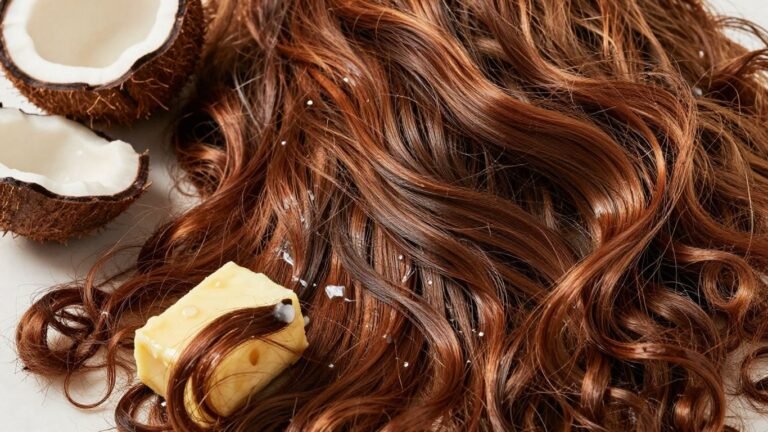
Protective styles are a fantastic way to manage and care for mixed hair, offering a break from daily styling and shielding it from damage. Here are some key things to remember:
Key Takeaways
- Protective styles help reduce manipulation, dryness, and breakage, promoting healthier hair.
- Braids, twists, and locs are popular protective options that work well with various mixed hair textures.
- Moisture is key; always keep your hair and scalp hydrated, even when it’s in a protective style.
- Proper installation and removal are vital to prevent damage, especially to the edges.
- Consistency in care, like regular scalp moisturizing and gentle cleansing, is important for hair health underneath.
1. Natural Curls
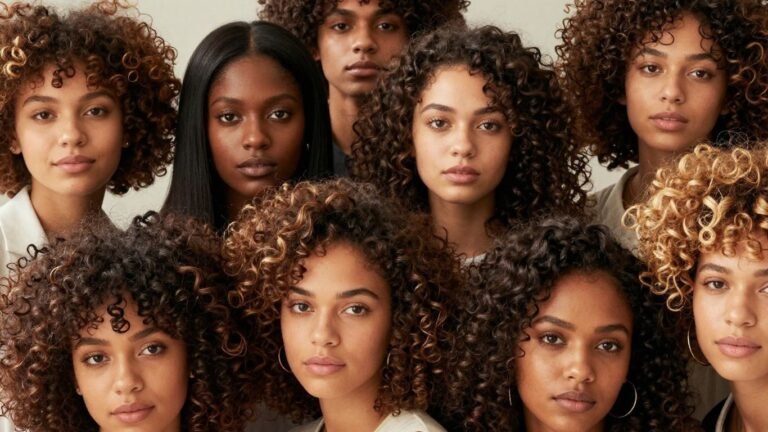
Letting your natural curls do their thing is a fantastic protective style all on its own. It’s all about embracing what you’ve got! The biggest thing with curls, especially mixed hair which can have a wide range of textures, is keeping them moisturized. Dryness is the enemy here, leading to frizz and potential breakage. Moisture is key to happy, healthy curls.
Different curl types need different levels of hydration. For tighter coils, you might find that heavier creams and custards work best to seal in moisture. For looser waves, a lighter leave-in conditioner and a good gel might be all you need to define your curls without weighing them down. It’s really about experimenting to see what your hair likes.
Here are a few tips to keep those curls popping:
- Hydration Station: Always start with a good leave-in conditioner. This is non-negotiable for curly hair.
- Seal the Deal: Follow up with a cream or oil to lock in that moisture. Coconut oil is a popular choice for many.
- Gentle Handling: Avoid rough brushing. Use a wide-tooth comb or your fingers, preferably when the hair is wet and conditioned.
- Sleep Smart: Protect your curls at night with a satin bonnet or pillowcase to prevent frizz and tangles.
Embracing your natural texture means less time spent fighting it and more time enjoying its beauty. It’s a low-maintenance approach once you figure out your routine, and it really lets your unique hair shine. Plus, it’s a great way to give your hair a break from heat and tension, allowing it to grow strong and healthy.
Taking care of natural curls involves understanding their unique needs. It’s less about fighting frizz and more about providing the right nourishment to let the curl pattern flourish. This approach respects the hair’s natural state and promotes its overall well-being.
2. Single Braid
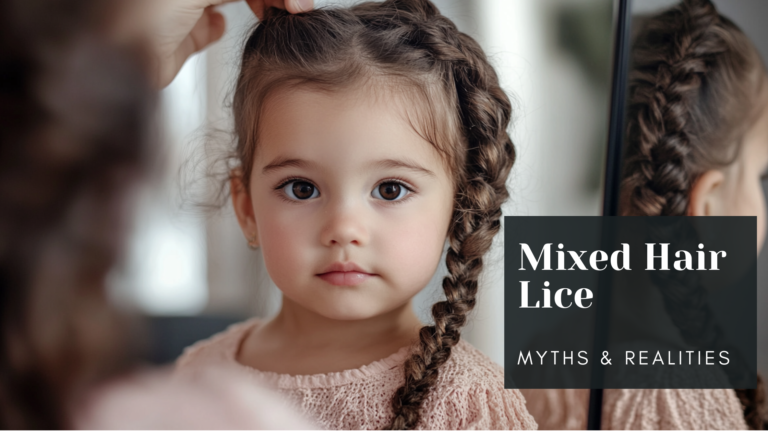
Mixed hair and braids just go together, don’t they? A single braid is a super simple protective style that still gives you a lot of options. If you’re just starting out with braiding, there are tons of videos online that can show you how to do it. A basic single braid can hold up for a few days, depending on how long your hair is. You can always add some fun clips, a cute bow at the end, or even some colored synthetic hair to make it pop.
This style is great because it keeps your hair tucked away and less exposed to the elements, which helps prevent breakage. It’s a classic for a reason!
Braids are a protective style that also offer so much versatility. If you are a beginner there are tons of Youtube tutorials on how to braid. A single braid can last a few days depending on length of hair. Adding some cute clips, a bow at the end or some colored synthetic hair to jazz it up is always nice too.
When you’re thinking about different braided hairstyles, the single braid is a fantastic starting point. It’s easy to manage and can be dressed up or down. Plus, it’s a great way to get your hair used to being styled without too much fuss.
3. Double Braid
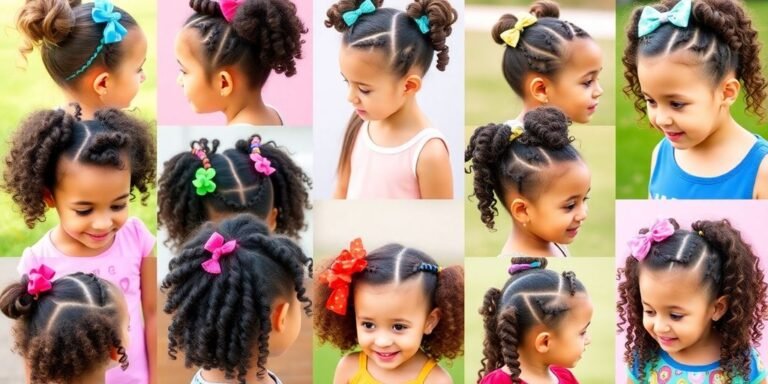
Double braids, also known as pigtails or plaits, are a classic protective style that’s super easy to manage. They’re basically two braids, one on each side of your head. This style works great for mixed hair because it keeps everything contained and reduces tangles. Plus, you can switch them up in so many ways!
When you’re thinking about double braids, remember a few things:
- Start with damp hair: This makes braiding smoother and helps prevent frizz.
- Section your hair evenly: Use a comb to create a clean middle part. This ensures your braids are balanced.
- Braid loosely at the scalp: This is key to avoiding tension and headaches. You can always tighten them up as you go down.
- Secure with elastics: Use snag-free hair ties to finish off the ends.
Double braids are a fantastic option for keeping your hair protected and looking neat. They’re perfect for everyday wear, whether you’re heading to school, work, or just hanging out. They’re also a great base for other styles, like braiding them into buns or wrapping them around your head. If you’re looking for a simple yet effective way to style your mixed hair, you can’t go wrong with double braids. They’re a go-to for a reason, offering both style and practicality. You can even add beads or ribbons to the ends for a little extra flair, making them totally your own. It’s a style that’s both timeless and adaptable, fitting into pretty much any situation. For more ideas on keeping your hair healthy, check out tips for keeping biracial hair from frizzing.
This style is super versatile. You can wear them down, or you can twist them up into buns for a whole new look. It’s like getting two styles in one, which is always a win.
They’re also really good for active days. Because both braids are secured, they tend to stay put, meaning less fussing and more doing. It’s a simple way to manage your hair when you’re on the go, and it looks pretty cute too. You can find great braiding hair if you want to add some length or thickness to your double braids.
4. French Ponytails
French ponytails are a super quick and easy style, but they can also look really elegant. You can do this for a special occasion, like a wedding, or just for a casual day out. It’s basically a cornrow that goes down the back of your head, ending in a ponytail.
When you’re doing this style, make sure to add a bit more moisturizer to any hair that’s going to be left out of the braid. It helps keep things smooth. I also like to leave a few little strands out around the face to frame it – it just adds a nice touch.
Here’s a simple way to get the look:
- Start with damp hair. This makes it easier to manage and reduces frizz.
- Create a clean part down the middle or side of your head.
- Begin a cornrow at the front hairline, working your way down the back of your head.
- As you reach the nape of your neck, gather all the remaining hair into a ponytail.
- Secure the ponytail with a hair tie.
This style is a great way to keep your hair neat and protected, and it looks so polished. It’s a good option if you’re looking for something that’s both practical and pretty. For more tips on French braiding curly hair, check out this step-by-step guide.
French braids, including variations like the French ponytail, are a fantastic protective styling choice for curly and textured hair. They help keep everything tidy and can prevent unwanted damage to your strands.
5. Faux Locs
Faux locs are a sleek way to switch up your look while giving your mixed hair a break from daily styling. They’re one of those protective styles that look great, stay put, and help shield fragile ends from damage. Plus, faux locs let you rock the appearance of full, classic locs without the years-long commitment of growing real ones.
A couple of things make faux locs really stand out for mixed hair:
- They add instant length and thickness, which can be hard to pull off on finer curls without lots of heat and manipulation.
- This style wraps your natural hair entirely, keeping it protected from dryness and breakage.
- There’s so much freedom—try them in bouncy bob lengths, dramatic waist-grazing strands, or even experiment with fun colors and textures like those seen with butterfly locs.
Something to keep in mind: faux locs do take time to install. Most folks will spend a few hours in the chair, but the payoff is weeks of low-maintenance style. Once they’re in, the trick is easy upkeep:
- Moisturize your scalp and roots every few days so everything stays hydrated underneath.
- Sleep with a silk scarf or pillowcase to reduce frizz and keep the locs neat.
- Wash your scalp gently—use a diluted shampoo and aim between the sections rather than scrubbing at the locs.
Faux locs can be as wild or as subtle as you want, and that level of versatility is a major bonus when you’re deciding how you want to wear your mixed hair next.
6. Marley Twists
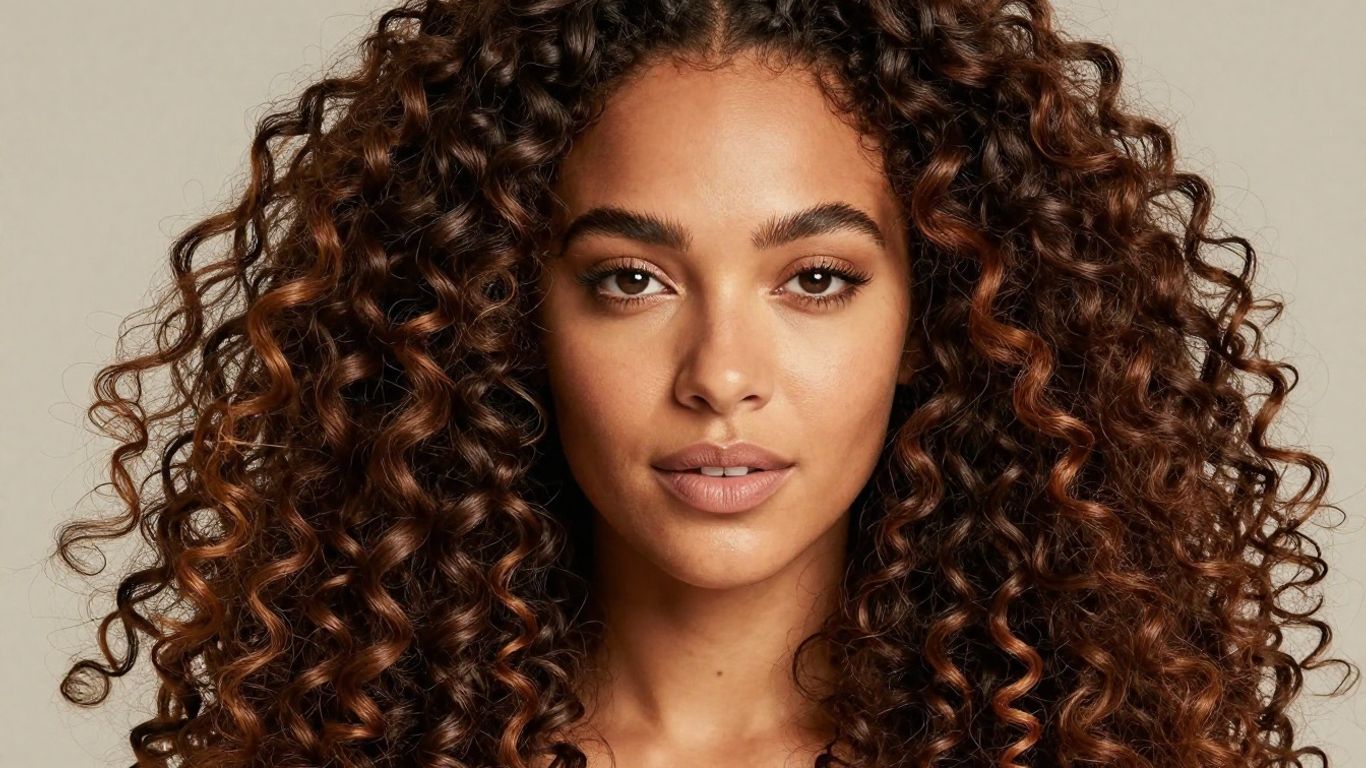
Marley twists are a really popular protective style, and for good reason. They give you a full, textured look that’s pretty low-maintenance once they’re in. Basically, you’re twisting synthetic hair extensions into your natural hair. It’s a great way to give your own hair a break from heat styling and manipulation.
The key to Marley twists is the texture of the extension hair itself. It’s usually a bit kinky and fluffy, which helps it blend really well with natural hair textures and gives that signature full look. Plus, they’re super versatile. You can wear them down, put them in a ponytail, or even do a cute updo.
Here’s a quick rundown of what you might need and some tips:
- Marley Hair Extensions: These come in various colors and lengths. Pick what suits your vibe.
- Rat-tail Comb: For creating clean parts.
- Scissors: To trim any stray hairs.
- Edge Control or Gel: To smooth down your parts and the beginning of the twist.
- Leave-in Conditioner or Moisturizer: To keep your natural hair hydrated underneath.
When installing, you want to make sure you’re not twisting too tightly, especially near the scalp. This is super important to avoid any discomfort or tension that could lead to breakage. A good stylist will know how to balance a secure twist with comfort. If you’re doing them yourself, take your time and don’t pull too hard.
Caring for Marley twists involves keeping your scalp moisturized and clean. You can gently wash your scalp with a diluted shampoo and follow up with a light oil or leave-in conditioner on the lengths of the twists. Avoid over-washing, as this can cause the twists to unravel prematurely.
Maintenance is pretty simple. You’ll want to moisturize your scalp regularly, maybe a few times a week, depending on your hair’s needs. A light spritz of water or a leave-in conditioner can help keep things from getting too dry. For styling, you’ve got options! They look great just hanging loose, but a high ponytail or a bun can also be super chic. If you’re looking for a style that offers both protection and a lot of personality, Marley twists with beads are definitely worth considering.
7. Jumbo Box Braids
Jumbo box braids are basically the bigger, bolder version of classic box braids. They’re super noticeable and have this cool, chunky look that’s really fun. For mixed hair, these braids can be a great protective style because they take less time to install than smaller braids, and they still keep your natural hair tucked away safely. Plus, the larger size means less manipulation overall, which is always a good thing for keeping your strands healthy.
They offer a fantastic balance between a statement look and practicality.
When you’re thinking about getting jumbo box braids, here are a few things to keep in mind:
- Size Matters: The "jumbo" aspect means fewer braids overall. This can speed up installation time significantly compared to micro or even regular-sized box braids. It also means less tension on the scalp because there are fewer points of attachment.
- Hair Type Compatibility: Mixed hair textures can vary a lot, but jumbo box braids generally work well. The larger braid size can accommodate thicker or more voluminous hair types without feeling too heavy or causing excessive pulling.
- Maintenance: These braids are pretty low-maintenance. You’ll want to keep your scalp moisturized, maybe with a light oil or spray, and wear a silk or satin bonnet at night to prevent frizz. Gentle washing is key – focus on the scalp and let the water rinse through the braids.
- Styling Options: Don’t think jumbo means boring! You can still rock them in a high ponytail, a cute bun, or even half-up, half-down styles. The thickness of the braids gives them a unique look no matter how you style them.
Getting jumbo box braids can be a really fun way to switch up your look while giving your natural hair a break. They’re a great option if you’re looking for something protective that doesn’t take forever to install and still looks super stylish. It’s a win-win for busy people who want great hair.
If you’re curious about different braiding techniques, you might find knotless box braids interesting as they offer a similar protective benefit with a different installation method that can reduce scalp tension.
8. Passion Twists
Passion twists are a really popular protective style, and for good reason. They give you that beautiful, bohemian look without a ton of fuss. Unlike some other twist styles, passion twists use a specific type of braiding hair that’s a bit softer and has a more natural, wavy texture. This gives them a looser, more relaxed vibe that’s super flattering.
They’re a great option if you want a style that looks effortlessly chic. The wavy texture of the hair used makes them stand out. Plus, they tend to be lighter on the scalp compared to some tighter braid styles, which is a big plus for comfort.
Here’s a quick rundown of what makes them special:
- Texture: Uses wavy or loose curly braiding hair.
- Look: Relaxed, bohemian, and natural.
- Comfort: Generally lighter and less tension on the scalp.
- Versatility: Can be styled in many ways, from down to updos.
When it comes to installation, it’s often best to get these done by a professional if you’re new to them. They involve twisting your natural hair with the extension hair in a specific way to get that signature look. A good stylist can make sure the twists are secure but not too tight, which is key for avoiding headaches and scalp discomfort. You can find some great tutorials online if you’re feeling adventurous, but remember to be gentle with your hair and scalp during the process.
Maintaining passion twists is pretty straightforward. You’ll want to keep your scalp moisturized, maybe with a light oil or spray, and avoid over-manipulating the twists themselves. A silk bonnet or scarf at night will help keep them from getting frizzy and extend their lifespan. They usually last anywhere from 6 to 8 weeks with proper care.
Styling them is where the fun really begins. You can wear them all down for a classic look, gather them into a high ponytail, or even create a cute bun. Because the hair is a bit looser, they have a lovely flow to them. If you’re looking for a protective style that’s both stylish and relatively easy to manage, passion twists are definitely worth considering. They offer a beautiful way to protect your hair while looking fabulous. You can explore different passion twist installation methods to see what works best for you.
9. Two Strand Twists
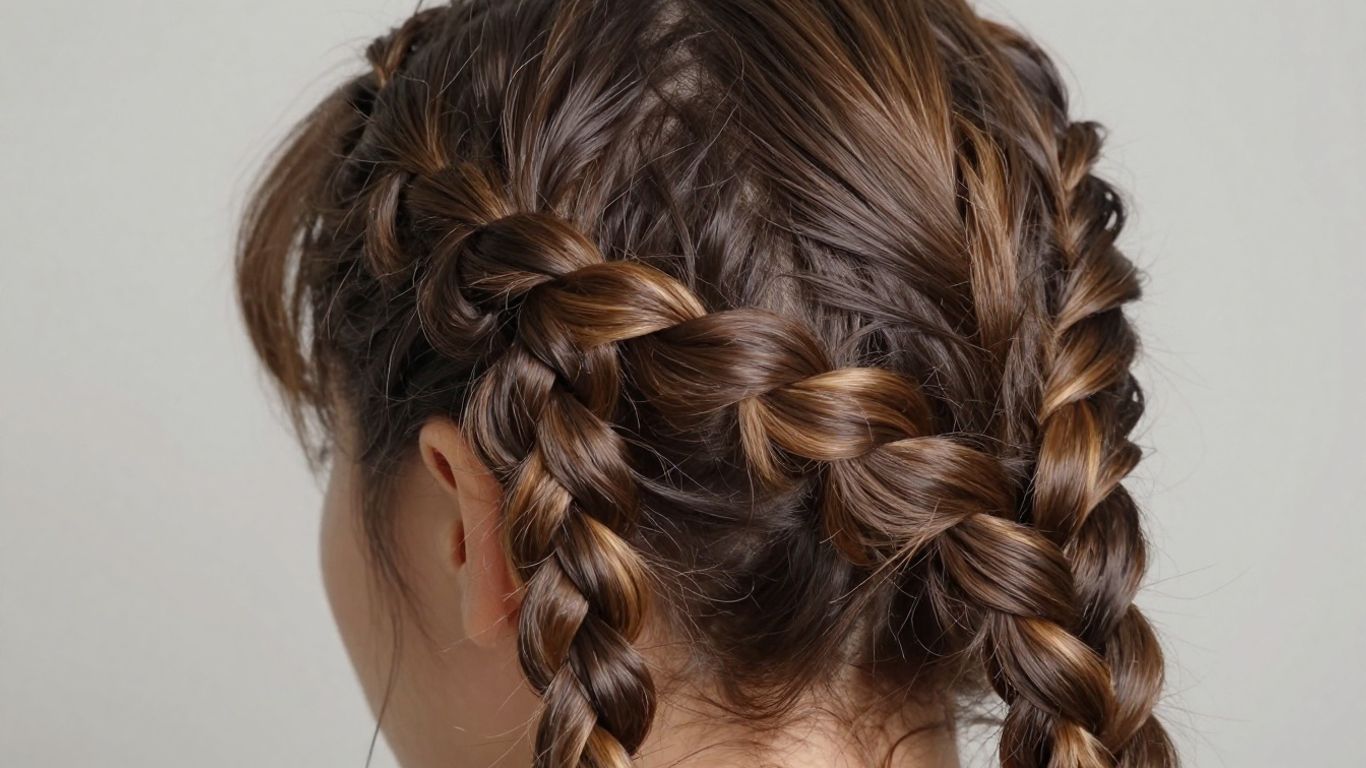
Two-strand twists are a classic for a reason. They’re super versatile and work for pretty much any hair texture, from loose waves to tight coils. This style is great for keeping your hair moisturized and preventing tangles, which is a big win when you’re trying to grow your hair out or just keep it healthy.
What I like about two-strand twists is how simple they are to do yourself, or you can get them done professionally. They don’t require a lot of fancy products, just a good leave-in conditioner and maybe some water to refresh them. You can wear them for about a week, and then you have the option to twist them out into a lovely wavy style. It’s like getting two looks in one!
Here’s a quick rundown of why they’re a solid choice:
- Moisture Retention: Helps keep your hair hydrated.
- Tangle Prevention: Reduces knots and breakage.
- Versatility: Can be worn twisted or untwisted.
- Low Maintenance: Easy to care for day-to-day.
When you’re ready to take them down, be gentle. Dampen your hair with a water and conditioner mix, and carefully unravel each twist. Follow up with a good detangling session, starting from the ends. This helps avoid unnecessary pulling and breakage, keeping your hair in good shape for its next style.
If you’re looking for a protective style that’s easy to manage and looks great, two-strand twists are definitely worth trying. They’re a fantastic way to care for your natural curls while keeping them protected.
10. Flat Twists
Flat twists are a really neat way to style mixed hair, kind of like cornrows but using just two strands instead of three. They lie super flat against your scalp, which makes them look really polished. You can do them in all sorts of patterns – straight back, in a circle, or even in a zig-zag. They’re great for keeping your hair tucked away and protected, especially if you’re trying to grow it out or just want a break from daily styling.
One of the best things about flat twists is how versatile they are. You can wear them as is for a sleek look, or you can take them down after a week or so to reveal a beautiful twist-out with lovely waves. The size of the twists really changes the final look; bigger twists give you looser, more relaxed waves, while smaller ones create tighter, more defined patterns. It’s a style that’s both practical and pretty.
Here’s a quick rundown of why they’re a good choice:
- Low Tension: Unlike some other styles, flat twists are generally gentle on the scalp when installed correctly.
- Versatile Styling: Wear them as twists, or unravel for a twist-out.
- Scalp Protection: They keep your ends tucked away, reducing breakage.
- Customizable: You can make them as thick or thin as you like.
When it comes to maintenance, keeping your scalp moisturized is key. A light spritz of water or a leave-in conditioner can help keep things fresh. Using a silk or satin pillowcase at night also makes a big difference in keeping the twists looking neat and preventing frizz. If you’re looking for a style that’s easy to manage and looks super chic, flat twists are definitely worth considering for your mixed hair journey.
Conclusion
Taking care of mixed hair can sometimes feel like a puzzle, but with the right protective styles, it doesn’t have to be. These styles are great for giving your hair a break from daily styling and protecting it from the elements. Remember to always be gentle when putting them in and taking them out, and keep your scalp moisturized. Experiment with different styles to see what works best for you and your hair’s unique needs. With a little effort and the right approach, you can keep your mixed hair healthy, strong, and looking fabulous.
Frequently Asked Questions
What exactly is a protective style?
A protective style is a hairstyle that tucks away your ends and keeps your hair from being messed with too much. Think braids, twists, or buns. The main idea is to give your hair a break from heat, harsh brushing, and the weather so it can stay healthy and maybe grow a bit longer.
Is mixed hair difficult to style?
Mixed hair can have a lot of different textures, from loose waves to tight coils. This means it might need different kinds of care than other hair types. Sometimes it gets dry easily or tangles up. Finding the right protective styles can make styling much simpler and help keep it healthy.
How long should I leave a protective style in?
It really depends on the style and how your hair is doing. For most braids and twists, keeping them in for about 6 to 8 weeks is usually a good limit. Leaving them in too long can cause tension on your scalp and lead to breakage, which is the opposite of what we want!
How do I keep my hair moisturized with protective styles?
Even with braids or twists, your scalp and hair still need moisture. You can use a spray bottle with water and a little conditioner to mist your hair and scalp. A light hair oil can also help seal in that moisture, especially on your scalp.
Can protective styles help my hair grow?
Protective styles don’t actually make your hair grow faster from the root. What they do is help you keep the length you already have by preventing breakage. When your hair breaks less, it seems like it’s growing more because you’re retaining length.
What’s the best way to take out a protective style?
Taking out protective styles needs to be done carefully. Always start by dampening your hair, maybe with a water and conditioner mix. Gently separate the braids or twists, working from the ends up. Use a wide-tooth comb to detangle slowly, and follow up with a good deep conditioning treatment to add moisture back.