
Key Takeaways
Sunscreen pilling usually comes from product residue, friction, or layers that do not settle smoothly together. A few small changes can help your routine feel more comfortable and look more even.
- Apply moisturizer first, then sunscreen, then makeup.
- Use the sunscreen amount recommended on its label; do not reduce it just to prevent pilling.
- Let each layer settle, and press products on gently instead of rubbing.
- Change one step at a time so you can tell what is causing the pilling.
- If sunscreen rolls off, smooth application again and reapply as directed to maintain coverage.
What sunscreen pilling looks and feels like
Sunscreen pilling happens when a product forms little rolls, crumbs, or flakes as you spread or touch it. It can appear over moisturizer, beneath makeup, or during a later touch-up. Knowing when and how it happens helps distinguish pilling from other kinds of dryness or buildup.
How pilling differs from flaking, peeling, and product buildup
Pilling tends to move when you lightly rub the skin: small soft bits roll up or gather at the edges of a makeup sponge or fingertip. Flaking and peeling can look similar, but they may come from dry or irritated skin rather than from products rolling together. Product buildup, meanwhile, can look like a persistent layer or residue without forming the distinct little balls associated with pilling.
It is not always possible to tell the cause from appearance alone. If roughness or peeling continues when you are not wearing products, consider simplifying your routine and asking a dermatologist for advice if the concern persists. For a look at other common layering issues, see this guide to makeup separating around the nose.
When pilling appears during your routine
The point at which pilling starts can offer a useful clue. If it begins as you spread sunscreen, the moisturizer beneath it may still be wet, there may be too much residue on the surface, or the motion may be too vigorous. If it starts when you apply foundation, the interaction may involve the sunscreen, makeup, or the way the layers are being moved around.
Notice whether the same thing happens on bare skin, only over one moisturizer, or only with a particular makeup step. A few observations can help you adjust the routine without changing everything at once. The question of why does sunscreen pill over moisturizer and makeup often has a practical answer: one or more layers are being disturbed before they settle.
Why pilling can make sunscreen coverage uneven
Sunscreen is meant to form a layer on the skin, so visible rolls or patches can be a sign that it has not been left in a smooth, even film. Pilling does not tell you exactly how much protection remains, but it is sensible not to assume that a visibly disrupted layer is even. If it happens, gently remove the loose bits and apply sunscreen again according to its label rather than trying to stretch the remaining product across the area.
Why sunscreen pills over moisturizer and makeup
Pilling is usually a surface-level problem: products can gather and roll when layers are disrupted, overloaded, or not settling smoothly together. It does not necessarily mean that two ingredients have reacted chemically. Looking at the amount of product, the time between layers, and the way you apply them can help narrow down what is happening.
How film-forming ingredients can rub into little balls
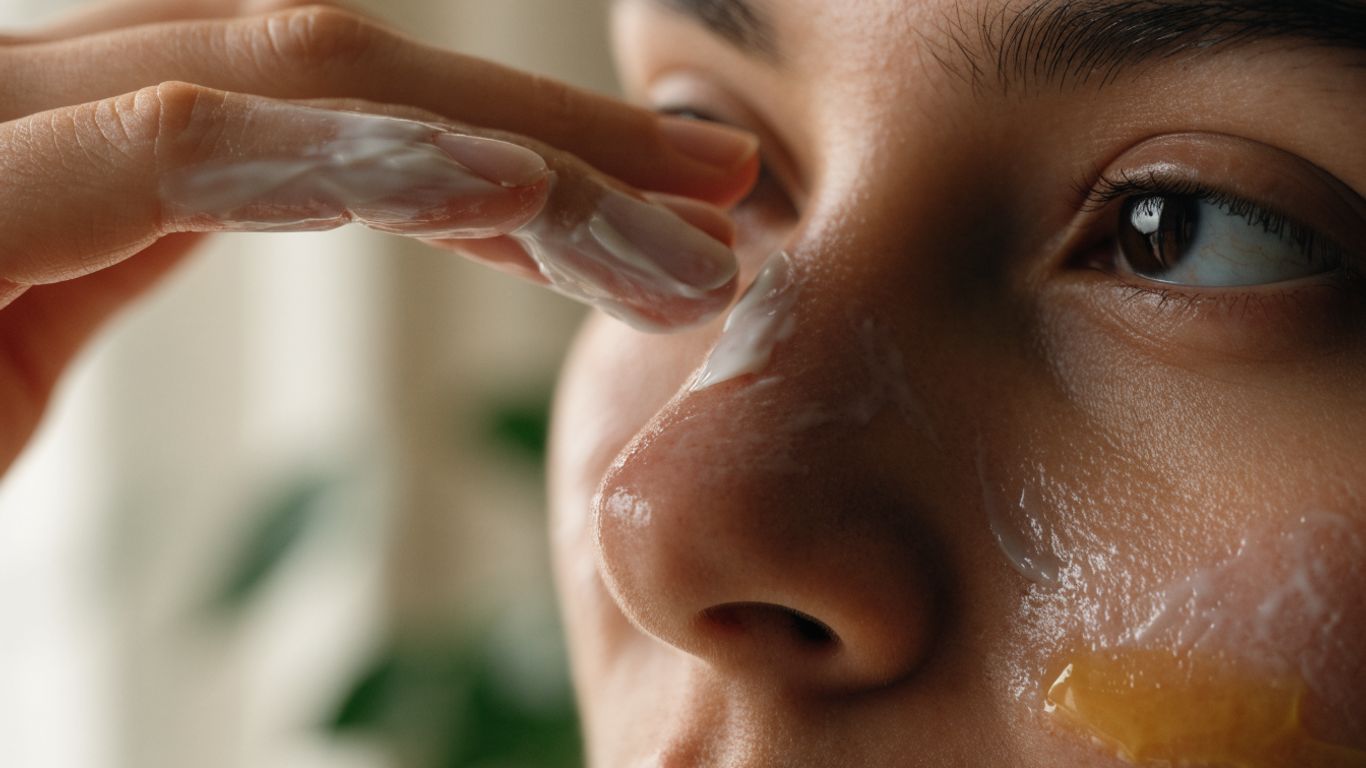
Moisturizers, sunscreens, primers, and makeup may leave a film on the skin rather than disappearing completely. That can be normal; sunscreen, in particular, needs to leave a protective layer. But when a film is disturbed by another product or by repeated rubbing, some of the residue can gather into tiny rolls.
The texture of those rolls does not identify a specific ingredient or prove that a formula is defective. Instead, notice whether the same product behaves differently when applied in a thinner layer or with gentler pressure. If the texture is a recurring issue, a guide to sunscreen pilling offers another overview of common layering and application factors.
Why layered formulas may not work well together
Some product combinations simply feel less smooth when layered, even when each product works well by itself. Differences in texture, the amount of residue left behind, and how quickly a layer settles can all affect how the next product spreads. Rather than trying to diagnose a formula from its ingredient list alone, compare how the combination behaves on your own skin.
A simple comparison can help organize what you notice:
| What you notice | Possible factor to check | A gentle adjustment to try |
|---|---|---|
| Pilling starts with sunscreen | Moisturizer is still tacky or applied heavily | Use a thinner moisturizer layer or wait longer |
| Sunscreen looks smooth until makeup | Makeup application moves the layer underneath | Press makeup on with less back-and-forth motion |
| Pilling happens with several products | Too much residue may be collecting | Simplify the routine and test one layer at a time |
| Pilling appears during touch-ups | Reapplication is dragging across the base | Use gentle presses and work in small areas |
These are clues, not firm diagnoses. Try one adjustment and see whether the result changes before replacing several products. That makes it easier to find a combination that feels comfortable while keeping sunscreen application consistent.
How excess product and friction contribute to pilling
Applying more product than a layer can sit comfortably beneath the next one may leave extra residue on the surface. Rubbing repeatedly can then gather that residue into rolls. The same issue can arise when a sponge, brush, or fingers drag across an unfinished layer.
Small technique changes are often easier to test than a full routine overhaul. Start with a comfortable amount of each product, then use a light touch as you layer. If pilling still occurs, you can adjust one product or wait time rather than cutting back on sunscreen protection.
How to layer moisturizer, sunscreen, and makeup
A clear order gives each product a better chance to sit smoothly. In most daytime routines, apply moisturizer first, sunscreen after it, and makeup last. If you are simplifying your steps, this basic skincare routine can help frame where moisturizing and sun protection fit.
Apply moisturizer first and sunscreen before makeup
Start with clean skin and apply moisturizer as needed for comfort. Follow with sunscreen, then apply makeup after the sunscreen layer has settled. This order keeps makeup from being applied underneath the sun-protection layer and can make it easier to notice which step is triggering pilling.
If you use several skincare steps, consider whether each one is needed that morning. Fewer layers can mean less residue to move around, particularly when your makeup routine is already involved. A routine does not need to be elaborate to be useful.
Use the recommended amount of sunscreen
It can be tempting to use less sunscreen when a full layer feels heavy, but reducing it may leave less even coverage. Follow the application directions on the product label and apply enough to cover the skin you intend to protect. If that amount pills, adjust the layers beneath it or the way you apply it rather than relying on a thinner sunscreen layer.
Finding a comfortable texture can make it easier to use sunscreen consistently. Readers comparing finish preferences may find these notes on lightweight sunscreen options useful when considering what feels right for their skin and routine.
Give each layer time to settle before applying the next
There is no single wait time that works for every combination, so use how the layers feel as a guide. If moisturizer still feels wet or slippery, give it a little longer before applying sunscreen. Then allow the sunscreen to settle before starting makeup, following the product directions where provided.
A brief pause can also make your application easier to assess. If pilling continues despite waiting, time may not be the only factor, so change one other part of the routine next. For an at-home test, try this simple sequence:
- Apply moisturizer in a comfortable, even layer.
- Let it settle before applying sunscreen.
- Spread sunscreen gently over the areas you want to protect.
- Give the sunscreen layer time to settle before makeup.
Notice how each step feels before moving on. If a layer begins to roll, stop rubbing and consider which product or motion was just added; that is more informative than adding extra product on top.
How to troubleshoot a pilling routine
When a routine pills, changing several products at once can make it difficult to identify the cause. Start with the moment the rolls appear, then test a small adjustment and repeat the routine under similar conditions. That keeps the process manageable and helps you preserve the steps that already work for you.
Change one product or step at a time
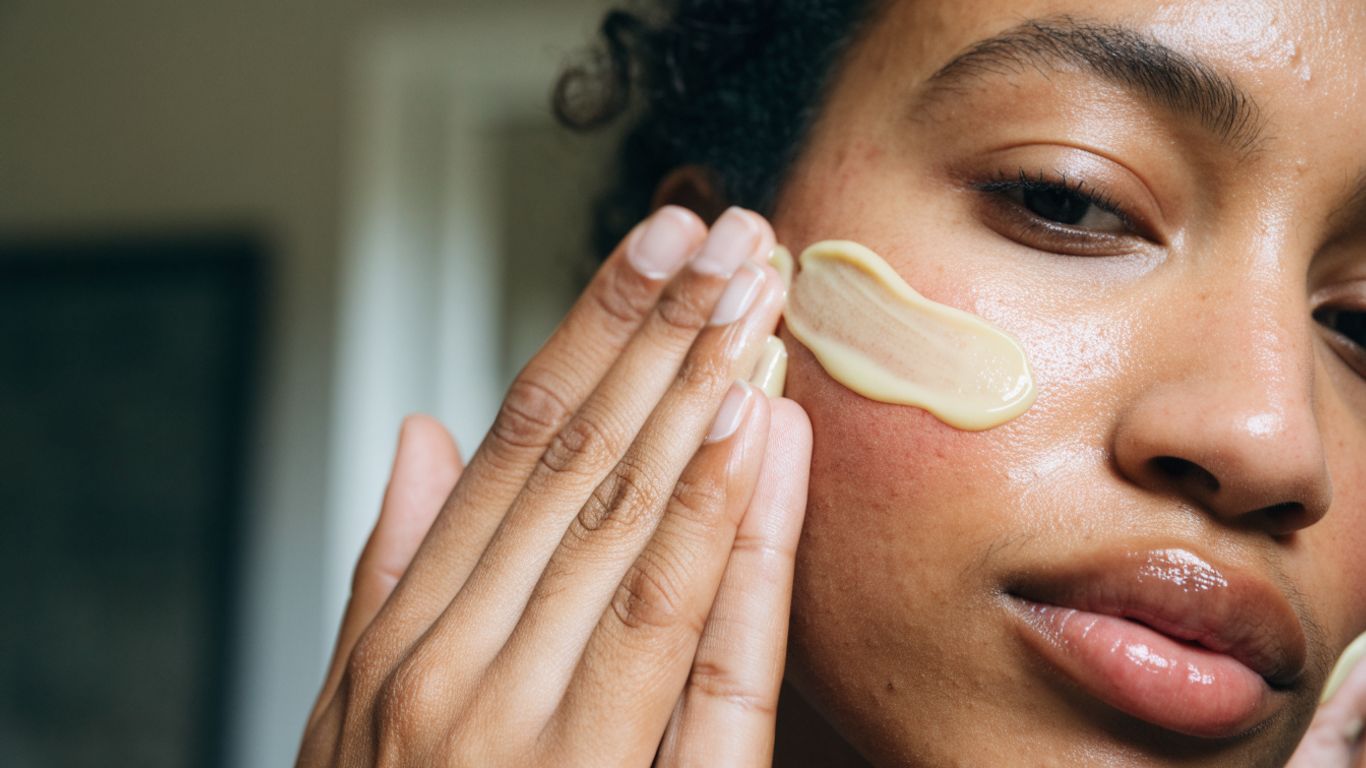
If pilling begins after sunscreen, first adjust the moisturizer amount or the wait before sunscreen, but not both at once. If it starts during makeup, keep the skincare the same and change how you apply the makeup. Give the change a few tries; skin, weather, and the amount of product used can vary from day to day.
A simple note on what you used and when pilling appeared can help you spot a pattern. If a product causes discomfort or persistent irritation, stop using it and seek professional advice as appropriate. Pilling by itself does not establish a skin condition.
Try patting or pressing instead of rubbing
Repeated rubbing can move a layer that has already started to set. Use light, short motions, or gently press product into place with clean hands or a suitable applicator. Work over smaller areas if that makes it easier to keep the pressure light.
This is especially useful when applying makeup over sunscreen or refreshing a base later in the day. Pressing will not fix every incompatible or overloaded combination, but it can reduce unnecessary friction. If the product still rolls, pause and reassess rather than scrubbing the area.
Check whether your moisturizer and sunscreen feel compatible
Test the two products together on a small area before changing your full routine. Apply the moisturizer, let it settle, then apply sunscreen as directed. If the pair repeatedly pills while each product feels fine alone, try a different moisturizer texture or a simpler combination and compare the result.
A patch of skin on the face or jaw can give you a practical preview, though it cannot guarantee the same result across the whole face or in every condition. Keep the sunscreen amount consistent during the comparison so that you are assessing the combination, not just a thinner application.
How to choose products that layer more smoothly
You do not need to find products that match a particular ingredient label or finish. Instead, consider how a product feels in your existing routine and whether it leaves a comfortable surface for the next step. Skin needs and preferences vary, so a lighter feel that suits one person may not be the best choice for someone else.
Compare textures and finishes before buying
Think about the products already in your routine and what tends to happen after each one. If a rich moisturizer leaves your skin very slick, a lighter texture might sit more comfortably beneath your sunscreen; if your skin feels tight, a richer moisturizer may still be preferable. The goal is a routine that feels workable, not a universal texture rule.
When comparing products, consider whether you prefer a dewy, natural, or less shiny finish, and how much makeup you plan to wear over sunscreen. A finish that feels good on bare skin may behave differently under foundation, so whenever possible, judge products as part of the full sequence.
Look for a moisturizer that works with your sunscreen
A moisturizer does not have to be marketed as a sunscreen partner to layer well. Look for a texture that spreads comfortably, does not leave more residue than you want, and feels suitable under the sunscreen you already use. The combination matters more than a promise that one product will suit everyone.
If your sunscreen is comfortable on bare skin but pills over a particular moisturizer, test a lighter amount or a different texture before replacing the sunscreen. Conversely, if the moisturizer is important for comfort, see whether a different sunscreen finish layers more smoothly. Keep the sunscreen application aligned with its label.
Test the full routine on a small area first
Before making a new combination part of your daily routine, test the products in their intended order on a small area. Include makeup if you usually wear it, and observe the result after each layer has settled. A successful test is a helpful sign, though heat, humidity, and later touch-ups can still change how products wear.
Keep the test practical: use the same amounts and application motions you would normally use, and avoid adding extra layers solely for the experiment. Other guides in the reading library cover trip planning, clear reporting, sloped-site planning, and private link sharing; here, the useful takeaway is simply to test the routine you actually plan to wear.
How to reapply sunscreen without disrupting makeup
Reapplication can be tricky when makeup is already in place, but it remains part of maintaining sun protection. Choose a format and technique you can use comfortably, and follow its label directions. If a layer pills during a touch-up, do not assume that the remaining makeup or sunscreen has formed an even surface.
Choose a reapplication format that suits your routine
Consider how you will apply sunscreen over your makeup and whether the format lets you cover the areas you intend to protect. A cream, fluid, stick, or another format may feel different in practice; none should be assumed to provide adequate coverage just because it is convenient. Read the directions and choose what you can apply as directed.
It can help to try your preferred method at home before relying on it during a busy day. If a format disturbs makeup too much, another application approach may be more manageable. Whatever you choose, the goal is to apply sunscreen rather than merely smooth the makeup surface.
Press sunscreen on gently rather than dragging it across skin
Use clean hands or the applicator indicated by the product, and work in small sections with a gentle pressing motion. Dragging a product across the face may disturb the makeup beneath it or encourage residue to roll. A light touch can help, although it does not replace applying enough sunscreen.
If you notice pilling, stop and inspect the area rather than continuing to rub. You may need to remove loose product and redo sunscreen on that patch. The best method is the one that lets you apply it evenly according to the directions while keeping the skin comfortable.
Reapply enough to maintain sun protection
Follow the sunscreen label for how much to apply and when to reapply, especially after activities or conditions named in its directions. Do not treat a quick sweep over makeup as sufficient unless you have applied the product as directed. If you cannot achieve an even layer over a makeup base, consider whether you can reapply more thoroughly or simplify makeup in situations where reapplication will be frequent.
A smooth finish is helpful, but coverage and following directions matter more than keeping every part of makeup untouched. If pilling keeps interfering with reapplication, revisit the product combination and technique when you have time to test them calmly.
Conclusion
Sunscreen pilling over moisturizer and makeup is often a sign that layers are gathering or being disturbed, not a reason to give up on sun protection. Apply products in order, use sunscreen as directed, allow layers to settle, and troubleshoot with one small change at a time. A routine that fits your skin and your day is more useful than a complicated sequence that never feels comfortable.
Frequently Asked Questions
Why does sunscreen pill over moisturizer and makeup?
It can happen when product residue gathers on the skin, layers have not settled, or rubbing moves a film that is already in place. Too much product beneath a later step can contribute as well.
Does sunscreen pilling mean the sunscreen is expired?
Not necessarily. Pilling alone does not show whether a sunscreen is expired or defective. Check the product’s date and storage guidance, and consider the layering and application technique too.
Should I use less sunscreen if it pills?
Do not reduce the amount below the product’s directions just to prevent pilling. Instead, try adjusting the moisturizer amount, waiting longer between layers, or applying with gentler pressure.
How long should I wait between moisturizer and sunscreen?
There is no universal wait time for every product combination. Let the moisturizer settle so it no longer feels wet or slippery, and follow any directions on the products you use.
Should sunscreen go before or after makeup?
Apply sunscreen after moisturizer and before makeup. Give the sunscreen time to settle before applying makeup, following product directions where available.
Can I reapply sunscreen over makeup if it pills?
Yes, but aim to apply sunscreen as directed rather than relying on a thin pass across the makeup. If pilling disrupts the layer, gently remove loose bits and reapply to the area.
Is pilling the same as dry skin peeling?
No. Pilling often forms little rolls when products are moved across the skin, while peeling may come from the skin itself. If peeling continues or is uncomfortable, consider simplifying your routine and seeking professional advice.