Key Takeaways
Oily, melanin-rich skin deserves sunscreen that feels comfortable enough for daily use, not a formula you tolerate only on bright beach days.
- Look for broad-spectrum SPF 30 or higher and a finish you will actually wear.
- Matte, dry-touch, invisible, and tinted formulas offer different ways to manage shine and white cast.
- Melanin provides some natural protection, but it does not replace sunscreen.
- Apply enough product to the face, ears, neck, and other exposed areas.
- Reapply during extended outdoor time, sweating, or swimming.
1. Black Girl Sunscreen Make It Matte SPF 45 for a shine-controlling finish
A matte finish can be especially appealing when sunscreen tends to leave oily skin looking slick within an hour. Black Girl Sunscreen Make It Matte SPF 45 is named for its shine-controlling finish, making it a straightforward option for readers who want a less dewy look. The best sunscreen for oily melanin rich skin is usually the one that feels wearable from the first application.
The finish matters because a product that feels heavy or visibly sits on the skin may be difficult to use consistently. Start with a clean, lightly moisturized face, then give the sunscreen a moment to settle before adding makeup. If your skin becomes shiny later, blot gently rather than repeatedly layering powder over damp product.
A matte sunscreen does not have to mean a dry or uncomfortable routine. Pay attention to how your skin feels through the day, especially around the cheeks and hairline, where textured or combination skin may need a little more comfort. For broader guidance on avoiding a white cast, see this sunscreen guide for darker skin, then choose the finish that fits your routine.
2. Eucerin Oil Control Sun Gel-Cream SPF 50 for oily and blemish-prone skin
Oil control is the central reason to consider this gel-cream SPF 50. The title positions it for oily and blemish-prone skin, so it may suit someone who wants daily protection without adding a visibly greasy layer. A higher SPF can also feel reassuring for people who spend meaningful time outdoors.
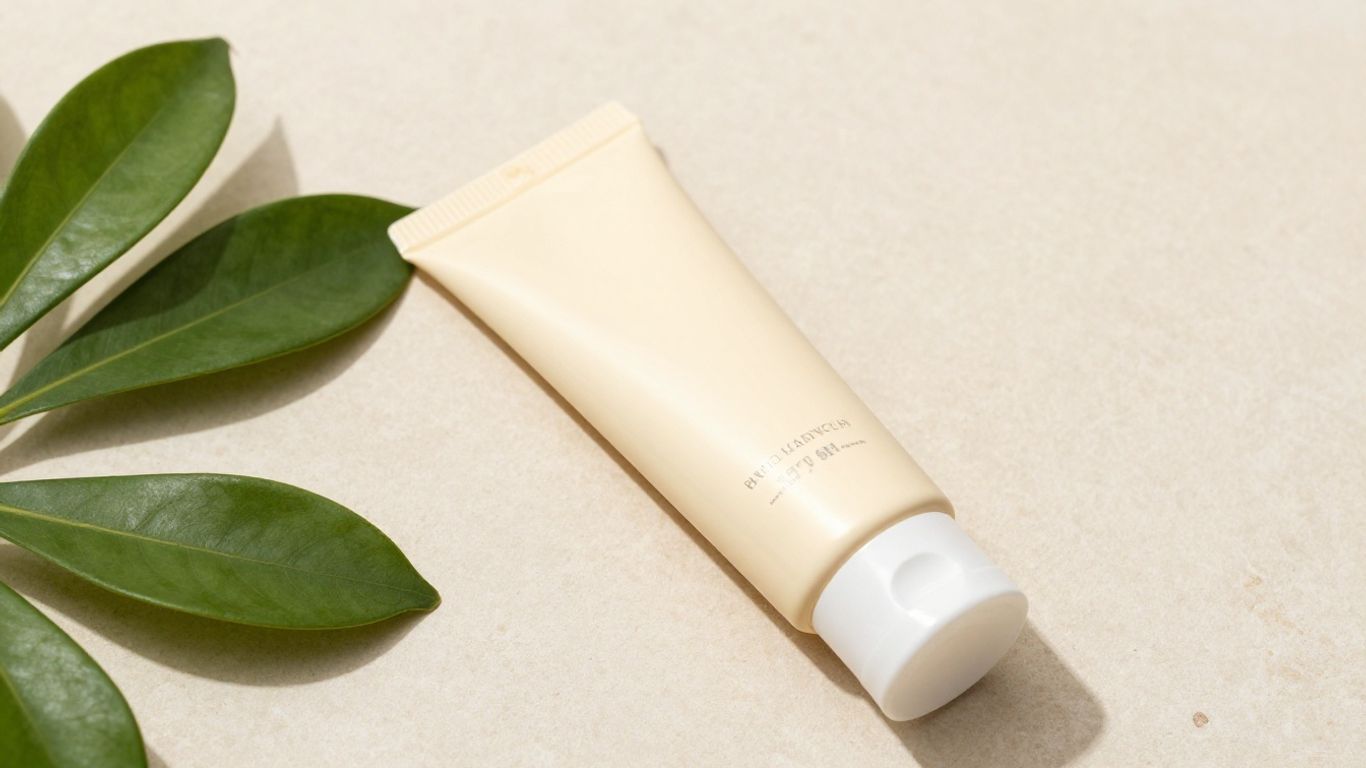
Use a generous, even layer rather than concentrating product only on the forehead or nose. Those areas may become shiny first, but the cheeks, temples, ears, and neck still need coverage. Let the formula settle before judging the finish, since sunscreen can look different after a few minutes than it does straight from the tube.
For blemish-prone skin, simplicity is useful: keep the rest of the morning routine light and avoid testing several new products at once. This makes it easier to notice whether a sunscreen feels comfortable for you. A balanced routine can also benefit from this practical advice on managing oily skin.
3. La Roche-Posay Anthelios Clear Skin Dry Touch SPF 60 for lightweight acne-friendly protection
This SPF 60 option is described as Clear Skin Dry Touch, with a focus on lightweight, acne-friendly protection. That combination speaks to people who want a high-SPF product but dislike a moist or shiny finish. Dry-touch textures can be particularly appealing under makeup or during warm weather.
The easiest way to make a sunscreen feel lighter is to avoid piling it onto a damp, product-heavy base. Apply skincare in thin layers and allow each one to absorb before moving on. If you use complexion products, press them on rather than rubbing aggressively across the sunscreen.
Remember that “acne-friendly” does not mean every person will have the same experience. Skin can react differently depending on climate, cleansing habits, makeup, and other products in the routine. Keep the first few applications simple, and stop using a product if it causes persistent irritation.
4. EltaMD UV Clear SPF 46 for sensitive, oily, and acne-prone skin
EltaMD UV Clear SPF 46 is presented for sensitive, oily, and acne-prone skin, covering several concerns that often overlap. Someone with an oily T-zone and easily irritated cheeks may be looking for exactly that kind of broad fit. The SPF 46 rating keeps the product in the range many people consider for everyday facial use.
Sensitive skin usually benefits from a calm testing process. Introduce one new sunscreen at a time, apply it to a small area first if you are cautious, and notice whether stinging or redness continues beyond the initial application. A comfortable formula should support consistency rather than turn every morning into a negotiation.
Oily skin still needs hydration, particularly after cleansing or when using blemish-focused treatments. If the face feels tight beneath sunscreen, the answer may be a lighter moisturizer underneath rather than less sunscreen on top. For a wider look at hydration and UV care, this melanin-rich skincare guide offers useful routine context.
5. Neutrogena Clear Face Oil-Free SPF 50 for an affordable everyday option
An oil-free SPF 50 can be a practical choice when you want a familiar everyday category without making sunscreen the most expensive step in the routine. This option is framed for the face and for clear-skin needs, which may appeal to shoppers who prefer a simple, accessible starting point. Affordability matters because daily protection works best when replacing the product is realistic.
Apply sunscreen every morning as the final skincare step before makeup, and use enough to cover the exposed face and neck. A small amount may disappear quickly, but disappearing visually is not the same as applying enough. Reapply when outdoor exposure lasts for hours, especially after sweating or toweling off.
If your face has both oily and drier areas, do not assume one finish will feel identical everywhere. You might use a lighter layer of other skincare beneath the sunscreen on oilier zones while keeping the rest of the routine comfortable. This guide to sun protection for mixed skin can help when your face does not behave as one uniform skin type.
6. Supergoop! Unseen Sunscreen SPF 40 for a smooth, invisible primer-like finish
Supergoop! Unseen Sunscreen SPF 40 is named for a smooth, invisible, primer-like finish. That makes it an appealing direction for anyone who dislikes visible residue or wants sunscreen to sit neatly beneath makeup. Its appeal is less about adding a matte label and more about keeping the surface feeling polished and unobtrusive.
A primer-like texture can be useful when you want to simplify the morning routine, but application technique still matters. Smooth it evenly over the face without rubbing until the layer becomes patchy, then allow a short pause before foundation. If makeup pills, reduce the amount of overlapping skincare rather than cutting back on sunscreen.
Here are a few practical checks before choosing an invisible finish:
- Does it feel comfortable around the eyes?
- Does it remain smooth over your moisturizer?
- Does it leave the amount of shine you prefer?
- Does makeup apply evenly over it?
These small observations turn a product search into a routine decision. An invisible finish can be wonderful for daily wear, but it is not automatically the best match for every person or every makeup formula.
7. Colorescience Sunforgettable Total Protection Face Shield Flex SPF 50 for tinted mineral coverage
Tinted mineral coverage can help people who are concerned about a pale or ashy cast from sunscreen. This SPF 50 face shield is specifically framed as tinted and mineral, giving it a different role from clear or invisible formulas. It may be worth considering when a little complexion-evening effect feels welcome in the morning.
Tint is personal, especially across deeper and varied undertones. Check the product in natural light when possible, and remember that a shade that looks close on the hand may behave differently across the face. If the tint is not a match, it may work better as a dedicated sunscreen under a complexion product than as a standalone base.
Mineral formulas can feel distinct from lightweight chemical textures, so comfort and blendability should guide the decision. Work in sections and take time around the hairline and jaw. The goal is an even application, not hurried rubbing that leaves some areas thin.
8. Australian Gold Botanical Tinted Face Sunscreen SPF 50 for a matte mineral formula
This SPF 50 face sunscreen combines the descriptors tinted and matte mineral. That pairing may suit oily skin that wants less shine while also preferring a mineral format. The tint can make the finish feel more visually integrated than an untinted mineral product, although the final match depends on the individual shade and undertone.
A matte finish can make texture more noticeable if the skin underneath is dehydrated. Use a comfortable, lightweight moisturizer where needed and avoid applying the sunscreen over flaky patches without first addressing them. On especially oily days, a thin skincare base may help the sunscreen sit more evenly.
Tinted sunscreen can also simplify makeup, but it should still be applied as sunscreen rather than treated as a sheer foundation. If you need more coverage, add it in a separate layer after the sunscreen has settled. For additional mineral-sunscreen considerations across darker complexions, this mineral SPF overview is a helpful companion.
9. Beauty of Joseon Relief Sun SPF 50+ for comfortable daily wear without a white cast
Beauty of Joseon Relief Sun SPF 50+ is positioned here around comfortable daily wear without a white cast. That is a useful priority for melanin-rich skin, where visible residue can make an otherwise promising sunscreen frustrating. A comfortable finish encourages the habit to continue beyond occasional outdoor plans.
The absence of a white cast does not remove the need for careful application. Spread the product across the full face, and remember the ears, neck, and exposed upper chest when appropriate. If you are layering makeup, give the sunscreen time to form an even base before pressing on other products.
Daily protection is relevant even when deeper skin tones do not burn easily or visibly. UV exposure can still contribute to uneven tone and other forms of skin damage, so sunscreen belongs in a year-round routine. This sun protection advice for melanin-rich skin explains why that habit matters across skin tones.
10. Isntree Hyaluronic Acid Watery Sun Gel SPF 50+ for lightweight hydration on oily skin
A watery sun gel can be appealing when oily skin still feels thirsty. Isntree Hyaluronic Acid Watery Sun Gel SPF 50+ is framed as a lightweight hydrating option, which may suit people who want to combine a comfortable feel with daily facial protection. The SPF 50+ rating also places it among the higher-SPF choices in this list.
Hydration and oil control are not opposites. Skin can feel tight after cleansing and still become shiny later, especially when the routine is too stripping. Apply the sunscreen over a clean, balanced base and watch how it behaves over several days rather than deciding from one unusually hot or dry morning.
The right choice often comes down to texture, finish, and how reliably you will use it. Here is a simple comparison of the main directions covered above:
| Finish or format | May suit readers who want | Main thing to check |
|---|---|---|
| Matte or dry touch | Less visible shine | Whether skin feels tight |
| Invisible or primer-like | A smooth makeup base | Pilling with other layers |
| Tinted mineral | Less visible cast and some tone | Shade and undertone match |
| Watery gel | Lightweight hydration | How shine develops over time |
This comparison is a starting point, not a ranking of one skin type over another. You can also explore oily and dry skin solutions when your routine needs to balance comfort with shine control.
Conclusion
The best sunscreen for oily melanin rich skin is the one that offers suitable protection, blends naturally, and feels good enough to use every morning. Matte, dry-touch, invisible, tinted, mineral, and watery textures each solve a slightly different comfort problem. Give a new formula time to settle, apply enough for full coverage, and choose consistency over a finish that looks perfect for only ten minutes.
Frequently Asked Questions
Do people with melanin-rich skin need sunscreen?
Yes. Melanin offers some natural protection, but it does not replace sunscreen. Daily protection can help reduce UV-related damage, including concerns involving uneven tone and dark marks.
What SPF should oily skin use?
Many people choose broad-spectrum SPF 30 or higher for everyday use. Higher SPF may be preferred for longer or more intense outdoor exposure, but the formula must still be applied generously and reapplied as needed.
How can I avoid a greasy sunscreen finish?
Look for descriptions such as matte, dry touch, oil-free, gel, or invisible, then test how the product behaves after it settles. A lightweight moisturizer underneath may also prevent the tight-then-shiny cycle caused by over-cleansing.
Can tinted sunscreen work on deep skin tones?
It can, but the shade and undertone need to suit you. Check the tint in natural light and blend across the face, jawline, and hairline rather than judging the match from a hand swatch alone.
Should sunscreen be applied before makeup?
Yes. Sunscreen generally goes after skincare and before makeup. Allowing it to settle briefly can help reduce pilling and make the complexion products apply more evenly.
How much sunscreen should be used on the face?
Use enough to create an even layer over the entire face and include commonly missed areas such as the ears and neck. A very small amount may look elegant but can leave coverage uneven.
When should sunscreen be reapplied?
Reapply during extended outdoor exposure and after swimming, sweating, or toweling off. If you remain indoors away from direct sunlight, your reapplication needs may be different, but morning application is still a useful routine anchor.