Understanding and managing curly hair shrinkage is key to loving your natural texture. Here are the main things to remember:
Key Takeaways
- Shrinkage is normal and a sign of healthy, elastic hair, especially for curly and coily textures.
- Moisture is your best friend; dry hair shrinks more, so keep curls hydrated with water-based products.
- Protective styles and heat-free stretching methods like twist-outs and braid-outs can help elongate your curls.
- Gentle handling and low-manipulation styles reduce frizz and help maintain curl definition and length.
- Regular trims are important to prevent breakage and maintain overall hair health, allowing for better length retention.
Understanding The Science Behind Curly Hair Shrinkage
The Spiral Structure Of Curly Hair
Curly hair’s unique shape isn’t just for looks; it’s the root cause of shrinkage. Unlike straight hair, which has a round, uniform shaft, curly hair has an oval or flattened shape. This shape, combined with the way protein bonds form within the hair strand, creates a natural bend or spiral. The tighter the spiral, the more potential for shrinkage. This helical structure means that when the hair is wet, the bonds can stretch out, but as it dries, they snap back into their coiled formation, pulling the length upwards.
Moisture’s Role In Curl Contraction
Water is a curly girl’s best friend and sometimes, her biggest challenge when it comes to length. When curly hair absorbs moisture, the hydrogen bonds within the hair shaft temporarily change shape. This allows the hair to stretch out. However, as the hair dries and the water evaporates, these bonds revert to their original state, causing the hair to contract and shrink back into its natural curl pattern. This is why your hair often looks significantly longer when wet compared to when it’s dry. It’s a constant cycle of stretching and recoiling. For those with tighter curl patterns, like 3C or 4A hair, this effect can be quite dramatic, sometimes making hair appear half its actual length. This phenomenon is a key reason why consistent hydration is so important for managing curly hair.
Porosity And Its Impact On Shrinkage
Hair porosity refers to how well your hair absorbs and retains moisture. It’s determined by the condition of your hair’s outer layer, the cuticle.
- Low Porosity: The cuticle is tightly closed, making it hard for moisture to get in, but once it does, it stays for a long time. This can sometimes lead to less noticeable shrinkage because the hair doesn’t readily absorb and then release moisture in a way that causes dramatic contraction. However, it can also make it difficult for products to penetrate.
- Medium Porosity: The cuticle is slightly raised, allowing for a good balance of moisture absorption and retention. Shrinkage is usually moderate.
- High Porosity: The cuticle is open, meaning hair absorbs moisture very quickly but also loses it just as fast. This rapid moisture loss as hair dries can lead to significant shrinkage.
Understanding your hair’s porosity is key to choosing the right products and techniques to manage shrinkage effectively. It’s not just about how much water your hair takes in, but how well it holds onto it.
Shrinkage isn’t a sign of unhealthy hair; it’s actually a testament to your hair’s elasticity and natural state. It means your curls have bounce and life!
Embracing Your Natural Texture And Versatility
Shrinkage As A Sign Of Healthy Hair
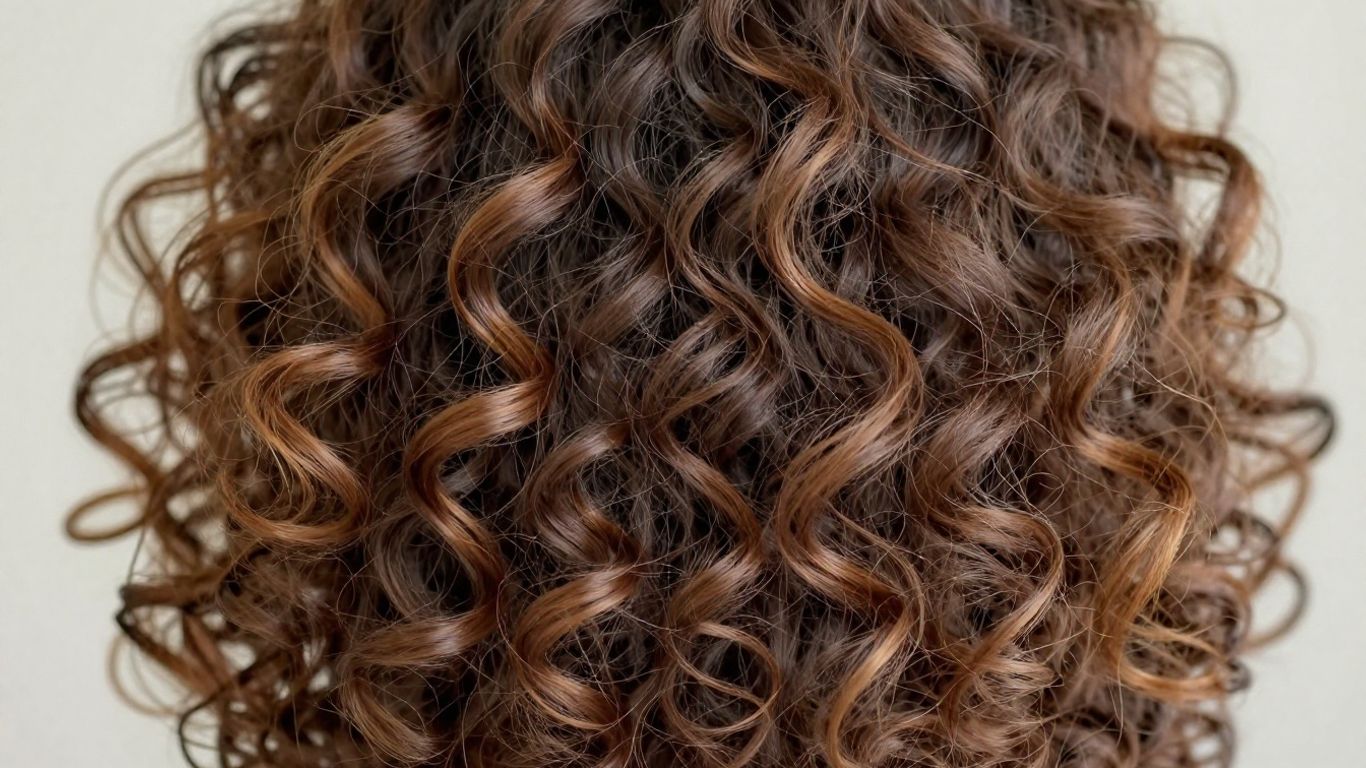
It’s easy to get caught up in the idea that shrinkage is something to fight against, but honestly, it’s often a really good sign. When your curls spring back after being stretched, or just naturally coil up, it usually means your hair is elastic and well-moisturized. Think of it like a rubber band – if it’s dry and brittle, it snaps. But a healthy, hydrated rubber band can stretch and return to its original shape. Your hair is kind of the same way. So, instead of seeing shrinkage as a problem, try to see it as proof that your hair is happy and healthy. It’s a natural characteristic of textured hair, and honestly, it’s part of what makes curls so unique and beautiful. Embracing this means you’re prioritizing the actual health of your strands over just how long they appear.
Celebrating Authenticity Through Curls
Your natural hair texture is a part of your identity, and there’s so much beauty in celebrating that. Shrinkage isn’t a limitation; it’s a feature that adds volume and shape to your look. When you stop trying to force your hair into a shape it’s not naturally inclined to be, you open yourself up to a whole new world of styling possibilities. It’s about accepting and loving your hair exactly as it is, which is a pretty powerful thing. This acceptance can really boost your confidence and help you feel more comfortable in your own skin. It’s a journey, for sure, but learning to love your natural texture is incredibly rewarding.
Versatility In Styling Natural Hair
One of the coolest things about curly hair is how versatile it is, and shrinkage actually plays a role in that. Because your hair naturally coils and springs back, you can achieve a lot of different looks without much effort. You might have a shorter, more voluminous look one day, and with a few simple stretching techniques, you can get a longer, more elongated style the next. It’s like having multiple hairstyles in one! This adaptability means you can switch up your look to match your mood or the occasion. Whether you want a big, bouncy afro or sleek, defined waves, your natural texture can do it all. Learning to work with your shrinkage, rather than against it, really opens up your styling options. For example, styles like twist-outs and braid-outs can give you a stretched look without heat, offering a great way to experiment with length and definition. If you’re looking for more tips on styling and care for textured hair, checking out resources on embracing 4C curls can be really helpful.
Embracing your natural texture means understanding that shrinkage is a sign of healthy, elastic hair. It’s not a flaw to be corrected, but a characteristic to be celebrated and worked with. This shift in perspective can lead to a more positive relationship with your hair and a greater appreciation for its natural beauty and versatility.
Effective Strategies For Managing Curly Hair Shrinkage
Okay, so we know shrinkage is totally natural, but sometimes you just want your curls to show off a little more length, right? It’s not about fighting your hair’s texture, but working with it. The key is consistent moisture and gentle handling.
The Importance Of Consistent Moisture
Dry hair is shrinkage’s best friend. When your curls are parched, they tend to coil up even tighter. Keeping your hair hydrated is probably the most important step you can take. Think of it like this: well-moisturized hair has more slip and elasticity, which helps it stretch out naturally. Using water-based leave-in conditioners right after washing, when your hair is still soaking wet, makes a big difference. Then, you want to seal that moisture in.
- Apply products to drenching wet hair, not just damp.
- Layer hydrating products like leave-in conditioners and curl creams.
- Seal everything in with a suitable oil or butter.
Keeping your hair consistently moisturized helps to relax your curl pattern slightly, making it less prone to extreme shrinkage. It’s a simple science, really.
Utilizing Protective Styling Techniques
Protective styles are fantastic for managing shrinkage because they gently stretch your hair while keeping it safe from the elements. Styles like braids, twists, or even Bantu knots can help elongate your curls over time. Plus, they give your hair a break from daily manipulation, which is always a good thing for overall hair health. This can be a great way to give your hair a rest and let it grow without constant tugging. You can find some great ideas for protective styles.
Exploring Heat-Free Stretching Methods
If you’re trying to avoid heat, there are plenty of ways to stretch your curls without it. Twist-outs and braid-outs are classics for a reason. You section your hair, twist or braid it while it’s damp with product, and let it dry completely. When you take them down, your curls are stretched and defined. Another popular method is banding, where you wrap your hair around itself in sections from root to tip. This applies gentle tension and helps to elongate your curls without any heat at all. It’s a bit of a process, but the results can be worth it for showing off more length. Remember, shrinkage is a sign of healthy hair, so these methods are about managing it, not eliminating it entirely. You can learn more about managing shrinkage here.
Techniques To Elongate Your Curls
Banding and Threading for Length
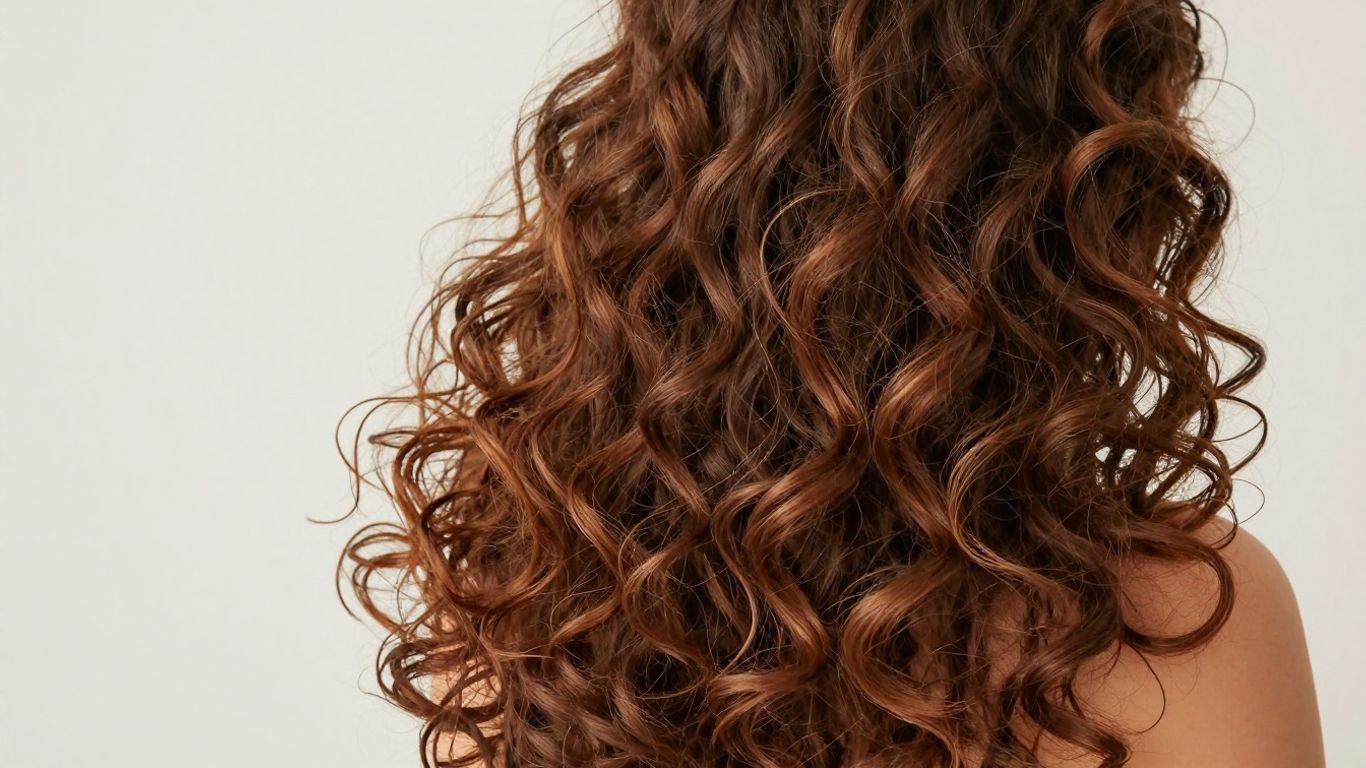
So, you’ve got these gorgeous curls, but they seem to have a mind of their own, shrinking up as soon as they dry? It’s a common curly hair thing, honestly. But there are ways to gently encourage them to show off a bit more of their true length. One method that’s been a lifesaver for many is banding. It’s pretty straightforward: you take sections of your damp hair and use hair ties, or bands, to gently stretch them out as they dry. This works wonders, especially at the roots, which tend to shrink the most. It’s a heat-free way to get some extra length without all the fuss. You can find more details on how to do banding if you want to give it a try.
Twist-Outs and Braid-Outs Explained
These two are absolute classics for a reason. Twist-outs and braid-outs are fantastic for stretching your curls and giving them definition. After washing and conditioning, while your hair is still damp, you apply your favorite leave-in and styling products. Then, you divide your hair into sections and either twist them (two strands twisted together) or braid them. The key is to let these twists or braids dry completely. Once they’re dry, you gently unravel them. The result? Beautifully stretched curls with a lovely wave pattern and noticeably more length. It’s like a mini-transformation that reveals your hair’s true potential.
The Pineapple Method for Defined Curls
This one is a lifesaver, especially for nighttime. The pineapple method involves gathering all your hair into a very high, loose ponytail right on top of your head, using a soft scrunchie (silk or satin is best to avoid friction). It sounds simple, but it does a couple of things. First, it keeps your curls from getting flattened or squashed while you sleep, which helps maintain their definition and length. Second, when you wake up, you just take out the scrunchie, and your curls are still stretched and defined, ready to go. It’s a great way to preserve your style and minimize shrinkage overnight. It’s also a good way to keep your hair from getting tangled, which can sometimes make shrinkage seem worse.
Product Choices For Minimizing Shrinkage
Picking the right products can make a big difference when you’re trying to manage curly hair shrinkage. It’s not about fighting your hair’s natural tendency to coil, but about working with it to keep it hydrated and stretched.
Choosing The Right Moisturizing Products
Curly hair naturally loses moisture more easily than straighter hair types. This dryness is a major culprit behind shrinkage. So, the first step is to load up on moisture. Look for products that are specifically designed for curly hair and focus on hydration. Sulfate-free shampoos are a good starting point because sulfates can strip your hair of its natural oils, leading to more dryness and, you guessed it, more shrinkage. After shampooing, a good conditioner is key. Ingredients like glycerin, aloe vera, and panthenol are humectants, meaning they draw moisture from the air into your hair. This helps keep your curls plump and less prone to tightening up.
The Role Of Heavy vs. Lightweight Formulas
This is where things can get a little tricky. You might think a heavy product will weigh your curls down and stretch them out, but that’s not always the case. Sometimes, heavy, greasy products can actually build up on your hair, making it feel weighed down and dull, and paradoxically, leading to more shrinkage over time. On the other hand, lightweight formulas, especially those that are water-based, can provide hydration without that heavy feeling. They allow your hair to absorb moisture better and can help maintain definition. It really depends on your hair’s porosity and thickness. If your hair is very fine, you’ll likely do better with lighter products. For thicker, coarser hair, you might be able to handle a bit more weight, but even then, balance is important. You don’t want to suffocate your curls.
Sealing Moisture With Appropriate Oils
After you’ve applied your moisturizing products, you need to seal that moisture in. This is where oils come in. But not all oils are created equal when it comes to managing shrinkage. You want to avoid mineral oil or petroleum-based products, as they can sit on top of the hair shaft and prevent moisture from getting in. Instead, opt for natural oils that can penetrate the hair shaft. Lighter oils like grapeseed oil, argan oil, or jojoba oil are great for this. They provide slip, help detangle, and seal in hydration without making your hair feel greasy. Applying a small amount of these oils after your leave-in conditioner can make a significant difference in how long your curls stay stretched and moisturized throughout the day. You can find some great options for your unique curl needs at Fix My Curls.
The goal isn’t to eliminate shrinkage entirely, but to manage it in a way that keeps your hair healthy and happy. It’s about finding that sweet spot where your curls are moisturized, defined, and stretched to your liking.
Low-Manipulation Styles For Healthier Hair
Sometimes, the best way to manage curly hair shrinkage is to just… leave it alone. Seriously. Constantly touching, combing, or restyling your curls can actually make shrinkage look worse because it loosens up those nice curl clumps and creates frizz. The goal here is to find styles that look good and require minimal fuss throughout the day, which in turn helps your hair stay healthier and retain length.
Reducing Frizz Through Gentle Handling
Frizz is often the enemy of defined curls and can make shrinkage seem more pronounced. The key to reducing it is all about how you handle your hair. Think of your curls like delicate threads; the more you mess with them, the more tangled and unruly they become. Gentle handling means less disruption to your curl pattern. This translates to less frizz and a smoother overall look. Instead of constantly picking at your hair, try to set it and forget it, at least for a while. This approach helps maintain the integrity of your curl clumps, which naturally have less frizz.
Maintaining Curl Definition
Low-manipulation styles are fantastic for keeping your curls looking their best. When you’re not constantly pulling, twisting, or brushing, your natural curl pattern has a chance to shine. Styles like flat twists or braid-outs, when done on damp hair and allowed to dry completely, can help stretch your curls while keeping them defined. The less you disturb them after they’re set, the longer that definition will last. It’s about setting up your hair for success from the start and then letting it be. This is a great way to see more of your actual hair length without constant styling effort. You can explore different protective hairstyles that naturally lend themselves to this kind of low-fuss approach.
Encouraging Length Retention
When you reduce the amount of daily handling, you’re also reducing the chances of breakage. Think about it: every time you comb, brush, or style, there’s a risk of snagging and snapping those delicate strands. Low-manipulation styles minimize this risk. By opting for styles that keep your hair tucked away or neatly arranged, you’re giving your hair a break. This allows your hair to grow without the constant setbacks from breakage. Over time, this consistent protection can really add up, helping you retain more length. It’s a simple strategy that pays off big for anyone looking to grow their hair out. Some people find that even simple things like sleeping on a satin pillowcase can make a difference in preventing breakage and encouraging length retention.
The Benefits Of Regular Trims
Getting regular trims seems kind of odd if you’re trying to grow your hair, but if you’re dealing with natural curls and shrinkage, it makes a real difference. Here’s what to expect from staying on top of your hair appointments:
Preventing Breakage For Maximum Length
One of the big issues with shrinkage is that the oldest ends of your curls are especially fragile. Split ends and breakage pop up fast if you skip trims, and when broken hairs snap off, you lose length you worked months to get. Clean, trimmed ends can actually help you keep more length over time—it’s ironic, but true. If your curls feel rough or tangled more often than usual, it’s probably time for a trim.
List: How Trims Help Fight Breakage
- Removes brittle, damaged tips
- Prevents split ends from creeping up the strand
- Makes detangling way less of a struggle
- Hair feels softer and smoother afterward
Maintaining Overall Hair Health
Healthy hair starts with healthy ends. Ragged edges and knots aren’t just annoying—they make you use more force when brushing or styling, which leads to more frizz and more shrinkage. Keeping your trims consistent means your hair will have a better shape and more defined curls. This is an underrated tip for reducing unpredictable, uneven shrinkage too. Those stubborn, extra-springy ends? Gone after a good cut.
| Trim Schedule | Result |
|---|---|
| Every 8 weeks | Smoothest curls, minimal breakage |
| Every 12 weeks | Balanced growth and definition |
| Twice a year | More tangles, possible split end issues |
When you let those splits stick around too long, they work their way up and cause big chunks of hair to break off—nothing stalls growth more than put-off trims.
Managing Split Ends Effectively
If you avoid trims, your split ends don’t magically disappear; they just multiply and get worse, which actually makes your shrinkage less predictable. As split ends coil erratically, your overall style loses definition and starts to look uneven. Keep in mind, split ends can make even stretched styles look much shorter than they should. Sticking to a routine helps keep split ends under control, supporting a more uniform, manageable look overall. If you don’t know where to start, learn why keeping your ends tidy is key to a more predictable curl pattern with advice on how regular trims help reduce shrinkage: trimming split ends for definition.
So don’t let the fear of losing length stop you—staying consistent with trims could be the real secret to seeing your actual growth and getting the most from every style.
Conclusion
Dealing with curly hair shrinkage isn’t about fighting your natural texture; it’s about learning to work with it. The main goal is to reduce shrinkage in natural hair without messing up your curls’ health. Smart moisturizing, stretching without heat, and protective styling can do more than just make your hair look longer – they give you control. Embrace what your hair can do, and stretch it out, on your own terms. It’s all part of the fun of having amazing curls!
Frequently Asked Questions
What exactly is curly hair shrinkage?
Curly hair shrinkage is when your hair looks much shorter than it actually is. It happens because curly strands tend to coil up tightly as they dry, especially when they lose moisture. It’s totally normal for curly and coily hair types!
Is shrinkage a bad thing for my hair?
Not at all! Shrinkage is actually a sign that your hair is healthy and has good elasticity. It means your curls are springing back to their natural shape, which is a good thing. It’s not a problem that needs fixing, but something you can manage if you want to see more length.
How can I make my curly hair longer without heat?
You can try heat-free methods! Things like twist-outs, braid-outs, or banding your hair can gently stretch your curls. These methods help your hair dry in a more elongated state, showing off more of its actual length without using damaging heat.
What’s the best way to keep my curls moisturized?
The best way is to use products with water as a main ingredient. After washing, apply leave-in conditioners and creams while your hair is still really wet. Then, seal in that moisture with a good oil. Doing this regularly helps keep your hair hydrated and less prone to shrinking up.
Do protective styles really help with shrinkage?
Yes, they do! Styles like braids, twists, or buns can help keep your hair stretched out while you’re wearing them. Plus, they protect your hair from the elements and reduce tangles, which is great for overall hair health and can help with length retention over time.
How often should I trim my curly hair?
For curly hair, getting a trim every 3-4 months is usually a good idea. Trims get rid of split ends and prevent breakage. Even though it might seem like you’re losing length, it actually helps your hair grow healthier and retain length in the long run because it’s not breaking off.