So, you’ve got hair that’s a mix of different backgrounds, and you’re wondering what the deal is with it? It’s more common than you might think, and the science behind it is pretty interesting. This article is going to break down what the actual mixed race hair statistics show us about how hair grows, what it’s made of, and why it behaves the way it does. We’ll look at the data, not just the myths, to give you a clearer picture.
Key Takeaways
- Mixed race hair isn’t just one type; genetics create a wide spectrum from straight to coily.
- While often thought of as curly, mixed heritage hair can have many textures, influenced by parental genes.
- Studies show differences in hair growth rates and density across ethnic groups, with African descent often having slower growth and lower density.
- Hair structure in mixed race individuals can be strong due to cell composition and more cuticle layers, making it resilient.
- Understanding specific hair needs is key for proper care, focusing on gentle handling and realistic expectations for health and growth.
Understanding Mixed Race Hair Statistics
When we talk about “mixed race hair,” it’s easy to fall into the trap of thinking there’s just one type. But honestly, it’s way more complex than that. Genetics are wild, and when you mix different ancestries, you get a whole spectrum of hair textures. It’s not just about curls or straightness; it’s about how the hair is built from the inside out. The science behind it shows a lot of variation, and that’s something to celebrate.
The Genetic Basis of Hair Texture
Your genes are the blueprint for your hair. They dictate everything from the shape of your hair follicles to how your hair grows and what it feels like. For people with mixed heritage, this means inheriting a blend of traits. So, you might have a parent with straight hair and another with very curly hair, and your hair could end up being wavy, coily, or even a mix of different textures all over your head. It’s a fascinating interplay of dominant and recessive genes. Understanding this genetic basis helps explain why there isn’t a single “mixed race hair type.” It’s more about a unique combination for each individual.
Diversity Within Mixed-Heritage Hair Types
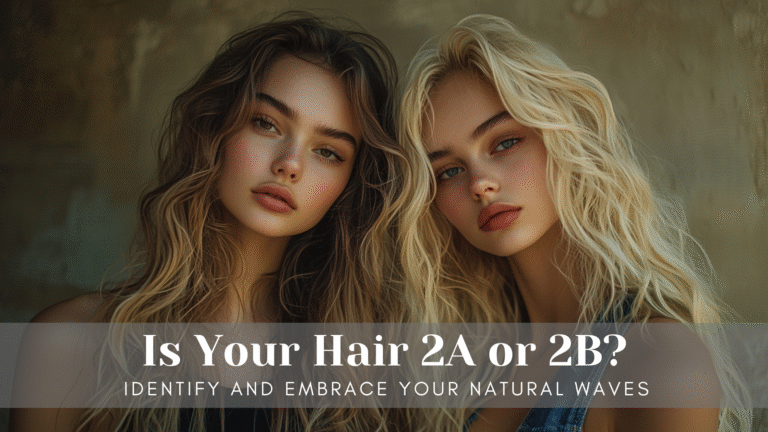
Forget the stereotypes. Mixed-heritage hair isn’t just one thing. You can find everything from pin-straight strands to tight coils, and often, people have multiple curl patterns on their head. Think about it: someone might have looser waves in the front and tighter curls towards the back. This diversity is why relying on broad categories can be tricky. Systems like the Andre Walker curl pattern chart try to categorize textures, but with mixed hair, you often find yourself needing multiple categories to describe it accurately. It’s a beautiful mosaic of textures, and visual guides can help identify these variations.
Debunking Myths About Mixed Race Hair
There are so many myths out there. One common one is that mixed-race hair is always difficult to manage or prone to breakage. While some textures might require specific care, it’s not a universal truth. Another myth is that it’s always a perfect blend of two extremes. In reality, genetics can be unpredictable. Some research suggests that mixed-heritage hair might have more para-cortical cells, which can make it stronger and more elastic than some other hair types. It’s important to look at the actual data rather than relying on assumptions.
It’s easy to get caught up in labels, but the reality of mixed-race hair is its incredible diversity. What works for one person might not work for another, and that’s perfectly okay. Focusing on individual hair needs rather than broad generalizations is key to healthy hair for everyone.
Here’s a quick look at how different ethnicities can present in terms of hair characteristics, though remember mixed heritage means a blend:
| Hair Characteristic | European (%) | African (%) | Hispanic (%) | Asian (%) | Others (%) |
|---|---|---|---|---|---|
| Thick | 32.6 | 40.7 | 33.6 | 26.2 | 32.3 |
| Thin | 34.7 | 25.0 | 31.4 | 23.3 | 37.0 |
| Dry | 33.1 | 46.6 | 35.8 | 35.0 | 37.1 |
| Damaged | 34.6 | 34.1 | 44.1 | 47.6 | 42.4 |
And when it comes to curl patterns:
| Hair Type | European (%) | Asian (%) | Hispanic (%) |
|---|---|---|---|
| Straight | N/A | Most Frequent | N/A |
| Wavy | Most Frequent | Most Frequent | N/A |
| Curly | N/A | Most Frequent | Most Frequent |
| Kinky | N/A | N/A | Most Frequent |
These numbers show that while there are general trends, the actual experience of hair texture is incredibly varied, especially when you consider the blending of these groups.
Hair Growth Patterns and Mixed Heritage
When we talk about hair, growth rate is a big part of the conversation, and for those with mixed heritage, it can be a bit of a mixed bag too. It’s not as simple as saying all mixed-race hair grows at one specific speed. Genetics really do play the starring role here, influencing how quickly your hair makes its way down your back. While some studies suggest general trends across different ethnic groups, individual variation is huge.
Comparing Growth Rates Across Ethnicities
Research into hair growth rates across various ethnicities shows some interesting patterns. Generally, individuals of Asian descent tend to have the fastest hair growth, while those of African descent often show the slowest rates. European and Hispanic/Latino groups typically fall somewhere in between. For instance, some studies point to Japanese individuals having a growth rate around 0.5 inches per month, whereas South African individuals might be closer to 0.32 inches per month. It’s important to remember these are averages, and your personal growth rate can differ.
| Ethnicity | Average Growth Rate (inches/month) |
|---|---|
| Asian | ~0.50 |
| European | ~0.40 |
| Hispanic/Latino | ~0.38 |
| African | ~0.32 |
The Anagen and Telogen Phases in Hair Growth
Every strand of hair goes through a cycle: anagen (growth), catagen (transition), and telogen (rest/shedding). The length of the anagen phase is what really dictates how long your hair can grow. For people with mixed heritage, the duration of these phases can be influenced by the genetic mix. Some studies look at the percentage of hair in the telogen phase to understand shedding. For example, one study found that West Africans had about 18% of their hair in the telogen phase, compared to about 14% in Caucasian Americans. This can mean a slightly higher rate of shedding for some, but it’s a normal part of the hair cycle.
Factors Influencing Hair Growth
Beyond genetics and the hair cycle phases, a bunch of other things can affect how your hair grows. Your overall health plays a big part – think nutrition and stress levels. Hormonal changes, like those during pregnancy or menopause, can also make a difference. Even environmental factors and how you treat your hair day-to-day, like using heat styling or harsh chemical treatments, can impact its growth and health. It’s a complex interplay of internal and external influences that shape your hair’s journey. Understanding these factors can help you better care for your unique hair type, whether it’s straight, wavy, curly, or coily. Learning about hair growth cycles can offer more insight.
Hair Structure and Strength
Cortical Cell Composition and Elasticity
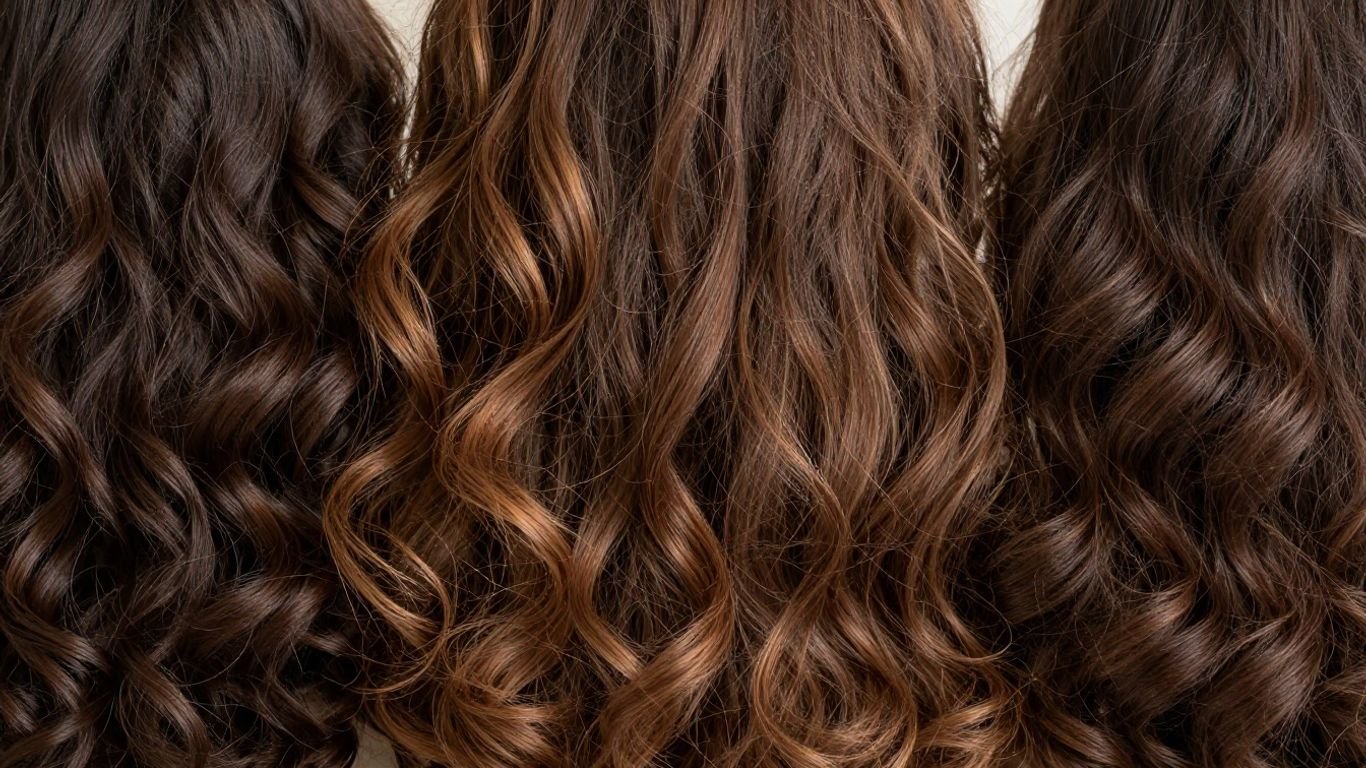
The core of your hair strand, the cortex, is where the magic happens when it comes to texture and strength. It’s made up of these things called cortical cells, which are basically packed with keratin, the same protein that makes up your nails. What’s really interesting is that there are different types of these cortical cells, and how they’re arranged seems to be a big deal in determining whether your hair is straight, wavy, or curly. Genetics really calls the shots here, dictating the specific arrangement of these cells and, consequently, your hair’s natural pattern. Think of it like building with LEGOs – the way you snap them together changes the final shape. The way these keratin filaments are organized within the cortical cells influences the hair’s elasticity, or how much it can stretch before snapping back. Different ethnicities often have variations in these cell types and their distribution, which is why hair textures can vary so widely across different groups. It’s not just about appearance; this internal structure directly impacts how your hair behaves and feels.
Cuticle Layers and Damage Resistance
On the very outside of your hair is the cuticle, which is like a protective shield made of tiny, overlapping scales. When these scales lie flat and smooth, your hair tends to look shiny and is less likely to get tangled or damaged. However, if the cuticle gets lifted or roughened up, it can lead to problems like dryness, frizz, and breakage. Studies have shown that hair from different ethnic backgrounds can have variations in cuticle thickness and how tightly those scales are packed. For instance, Asian hair is often noted for having a thicker cuticle layer, which might contribute to its known strength and resistance to damage. On the flip side, curly and coily hair types, which are common in many mixed-heritage individuals, can be more prone to cuticle lifting, especially towards the ends of the hair strand, due to their shape and the way they’re styled or manipulated over time. This makes them more susceptible to environmental stressors and mechanical damage. Understanding this outer layer is key to protecting your hair.
Follicle Shape and Strand Thickness
The shape of your hair follicle, the tiny pore in your scalp where hair grows from, plays a significant role in determining the shape and thickness of the hair strand that emerges. Generally, a round follicle tends to produce straight hair, while oval or flatter follicles are associated with wavy, curly, or coily textures. The diameter of the hair strand itself is also influenced by this. For example, research suggests that individuals of African descent often have a higher proportion of oval-shaped follicles, leading to curlier and sometimes thicker strands compared to those with predominantly round follicles. In mixed-heritage individuals, you might find a mix of follicle shapes, which can result in hair that has multiple textures – perhaps straight in some areas and curly in others, or even a combination within a single strand. This variation in follicle shape and the resulting strand thickness is a defining characteristic of mixed-race hair and influences everything from how it feels to how it holds styles. It’s a fascinating interplay between genetics and physical structure that gives each person’s hair its unique qualities. You can find more information on hair shape criteria.
The internal structure of hair, from the cortical cells that dictate curl pattern to the outer cuticle layer that protects the strand, is incredibly complex. For those with mixed heritage, this complexity is often amplified, leading to a diverse range of textures and strengths within a single head of hair. Recognizing these structural differences is the first step toward effective care.
Challenges and Breakage in Mixed Race Hair
Understanding Hair Breakage Mechanisms
When you have mixed-heritage hair, it’s not uncommon to run into issues with breakage. This often happens because different hair textures within the same head can behave differently. For instance, curly or coily strands are naturally more fragile than straight hair. This means they can snap more easily if not handled with care. Studies show that intense mechanical stress, like aggressive brushing or styling, can cause cracks to form in the hair shaft, especially closer to the tips where hair has seen more action. The cuticle, the outer protective layer of the hair, can lift or crack under strain, making the hair more vulnerable.
Factors Contributing to Breakage
Several things can make mixed-race hair more prone to breaking. Over-manipulation is a big one – think frequent brushing, tight hairstyles, or excessive heat styling. Chemical treatments, like relaxers, can also weaken the hair structure significantly. Sometimes, even the way different hair types within one person’s hair interact can lead to tangles and knots that, when pulled, cause breakage. It’s a delicate balance, and sometimes, the hair’s natural structure just makes it more susceptible. For example, a 2019 study on biracial hair noted severe damage at the roots, possibly due to the interplay of different hair types and thicknesses. This is why understanding your specific hair needs is so important, especially when dealing with a mix of textures. Learning about your curl type can be a good starting point.
Strategies for Maintaining Hair Integrity
Keeping your hair strong and healthy involves a gentle approach. Minimizing harsh treatments like heat and chemicals is key. When you do style your hair, try to be as gentle as possible. Detangling should be done with a wide-tooth comb, starting from the ends and working your way up, especially when hair is wet and more elastic. Regular moisturizing is also vital, as dry hair is more brittle. Using products suited for your specific texture, whether it’s wavy, curly, or coily, can make a big difference.
- Avoid excessive heat styling.
- Be gentle when detangling.
- Use moisturizing products regularly.
- Consider protective styles that don’t pull too tightly.
It’s easy to get frustrated when hair breaks, but often it’s a sign that the hair needs a different kind of care. Paying attention to how your hair reacts to different products and styling methods is the best way to figure out what works.
Hair Density and Volume
Follicle Density Across Different Groups
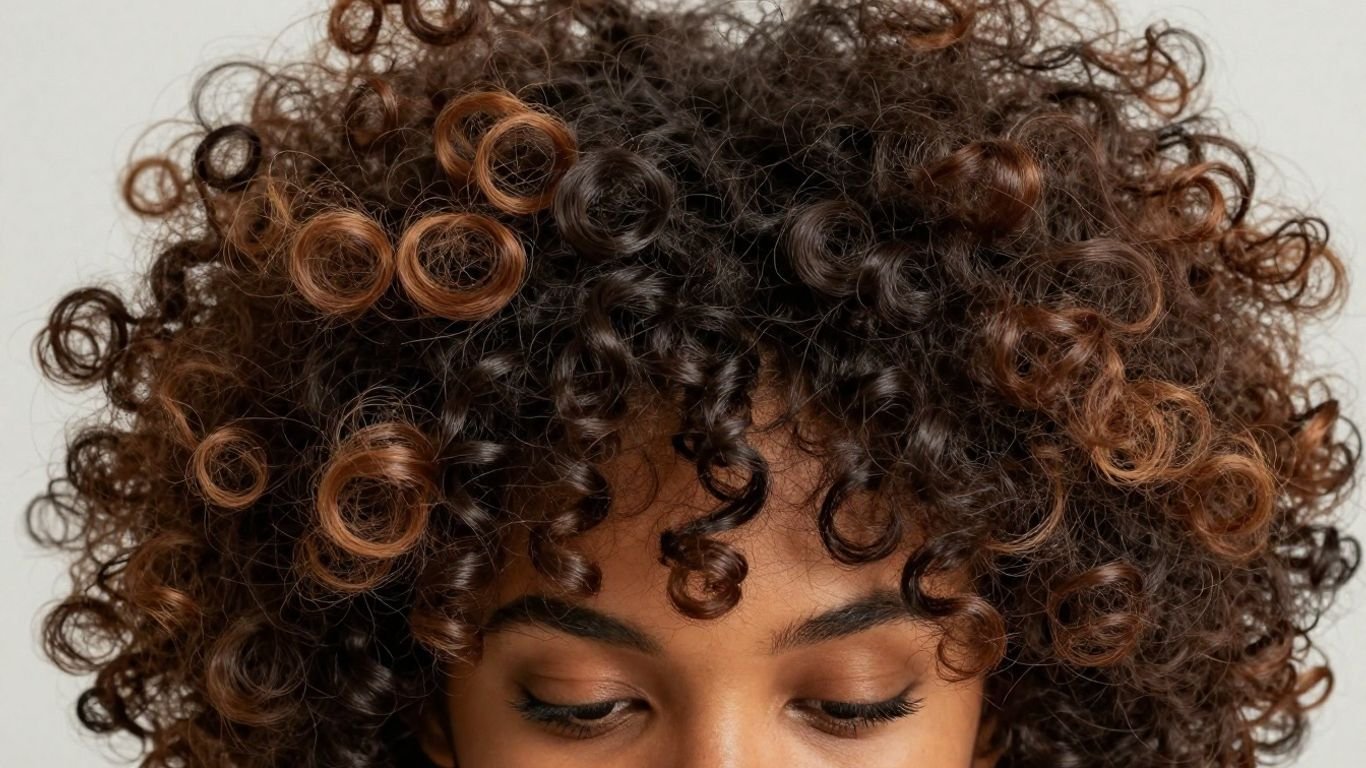
So, how much hair are we actually talking about? Hair density, which is basically the number of hair strands on your scalp per square inch, can really vary. Studies show that people of European descent often have the highest density, while those of African descent tend to have the lowest. Asian and Middle Eastern populations fall somewhere in between. It’s not just about the total number of hairs, though; the thickness of each strand also plays a huge role in how full your hair looks.
Perceived Volume and Hair Characteristics
It’s interesting how we perceive volume. Sometimes, even with a lower number of follicles, hair can look voluminous if the strands are thicker or have a lot of texture. On the flip side, finer hair, even if there are many strands, might not give that same impression of fullness. This is where things get complicated for mixed-heritage individuals, as they often have a combination of traits that influence perceived volume. For instance, a study looking at hair properties across different ethnic groups found variations in thickness and curl patterns, which directly impact how much volume hair appears to have.
Ethnic Variations in Hair Density
When we look at the numbers, there are definitely differences. For example, Caucasian Australians in one study had a density of about 225 hairs per square centimeter, while South Africans had around 153 hairs per square centimeter. It’s important to remember that these are averages, and there’s a wide range within any group. For people with mixed heritage, their hair density can be a blend of these variations, making it unique. Understanding these differences helps in appreciating the diversity of hair types and managing expectations for hair care. It’s also worth noting that while hair density might differ, the percentage of hair in the active growth phase (anagen) can be quite similar across different ethnicities, which is a fascinating bit of biological overlap. Ethnic differences in hair are a key factor in understanding these variations.
The perception of hair volume is a complex interplay between the actual number of hairs on the head and the characteristics of those individual strands, such as thickness and texture. What looks dense and full to one person might appear less so to another, depending on their own hair experiences and expectations.
Here’s a quick look at some general density findings:
- European Descent: Often reported with higher hair density.
- African Descent: Tend to have lower hair density on average.
- Asian Descent: Varies, but generally falls within a broad range.
It’s a reminder that hair is incredibly diverse, and what works for one person might not be the best approach for another, especially when dealing with the unique characteristics often found in mixed-heritage hair. The average human head has a lot of hair, somewhere between 80,000 and 150,000 hairs, and this number can be influenced by genetics and ethnicity average number of hairs.
Navigating Hair Care for Mixed Race Individuals
Dealing with mixed-race hair can sometimes feel like a puzzle, right? It’s not just one thing; it’s a whole spectrum. Because genetics play such a big role, hair texture, thickness, and even how it grows can be a mix of different heritages. This means what works for one person might not work for another, even if they have similar backgrounds. The key is to figure out what your specific hair needs are.
Tailoring Regimens to Specific Needs
Since mixed-race hair can be so varied, a one-size-fits-all approach just doesn’t cut it. You might have different curl patterns on your head, or maybe your hair is a mix of fine and coarse strands. Understanding your unique texture is the first step. For instance, if you have looser waves, you might need lighter products to keep them defined without weighing them down. On the other hand, if you have tighter coils, richer, more moisturizing products are usually the way to go. It’s all about finding that balance.
Here’s a quick breakdown to help you think about it:
- Curl Pattern: Are you dealing with waves, curls, or coils? Or maybe a bit of everything?
- Porosity: How well does your hair absorb and hold moisture? Low porosity hair needs lighter products, while high porosity hair benefits from thicker ones.
- Thickness: Are your strands fine, medium, or coarse? This affects how much product your hair can handle and how prone it is to breakage.
The Importance of Gentle Manipulation
Because mixed-race hair can sometimes be more prone to dryness or breakage, being gentle is super important. Think about how you handle your hair daily. Rough brushing, tight hairstyles, and excessive heat can all cause damage. It’s better to use wide-tooth combs, especially when your hair is wet, and opt for looser styles. This helps protect the hair shaft and keeps your strands healthier in the long run. A good routine for Afro hair care often emphasizes moisture retention and gentle handling, which is great advice for many mixed-heritage hair types too [e5d5].
Setting Realistic Hair Health Expectations
It’s easy to get caught up in what hair
Wrapping It Up
So, what’s the takeaway from all this hair talk? It’s pretty clear that when we talk about mixed-race hair, there’s no single description that fits everyone. Genetics really do their thing, leading to a huge variety of textures and growth patterns. While some might assume ‘mixed’ means a specific curl type, the data shows it’s way more complex. We’ve seen that hair growth rates and density can differ across ethnicities, and it’s important to remember that. Instead of trying to fit hair into neat boxes, it’s more helpful to understand the unique characteristics of your own hair and care for it accordingly. This means ditching the one-size-fits-all approach and embracing what makes your hair, well, yours.
Frequently Asked Questions
What makes mixed-race hair unique?
Mixed-race hair is special because it can be a mix of different textures. Since it comes from parents with different backgrounds, it might be wavy, curly, coily, or even a combination of these. It’s not just one type of hair; it’s a whole spectrum!
Does mixed-race hair grow slower or faster than other hair types?
Hair growth rates can differ a lot. While some studies suggest that hair from people of African descent might grow a bit slower on average, it’s not a hard rule for everyone. Many factors, including your specific genes, play a role, so growth can vary a lot from person to person.
Is mixed-race hair stronger or weaker than other hair types?
Generally, mixed-race hair can be quite strong and elastic. It often has more of the stuff that keeps hair cells together and more layers on the outside, which helps protect it from damage compared to some other hair types.
Why does my mixed-race hair get tangled or break easily sometimes?
Even strong hair can face challenges. Things like brushing too hard, using too much heat, or certain hairstyles can cause breakage. Understanding your specific hair texture and being gentle are key to keeping it healthy and preventing knots and breaks.
Does mixed-race hair have more or less density than other hair types?
Hair density, meaning how many hairs you have on your head, can vary. Some research indicates that people of European descent might have higher hair density on average. However, this doesn’t mean mixed-race hair is thin; it just means the number of strands can be different.
How can I find the best way to care for my mixed-race hair?
The best approach is to pay attention to what your hair needs. Since mixed-race hair can have many textures, a routine that works for one person might not work for another. Focus on gentle washing, moisturizing, and avoiding harsh treatments to keep your hair looking and feeling its best.