Here are the main things to remember when caring for your low porosity mixed hair to help it absorb moisture better and stay healthy.
Key Takeaways
- Low porosity hair has tightly closed cuticles, making it hard for moisture and products to get in.
- Use warm water and steam to help open the hair cuticles for better absorption.
- Opt for lightweight, water-based products and humectants; avoid heavy butters and oils.
- Section your hair when applying products and consider the LCO method (Liquid, Cream, Oil) to seal moisture.
- Regular trims and gentle handling are important to prevent dryness and breakage.
Understanding Low Porosity Mixed Hair
So, you’ve got mixed hair and you’re wondering what’s up with it not soaking up products like you thought it would? Let’s talk about low porosity hair. It’s basically hair where the outer layer, called the cuticle, is super tight and flat. Think of it like shingles on a roof that are packed down really close together. This tight structure is great for keeping moisture in and making your hair look shiny, but it makes it really hard for water and products to get in in the first place.
What Defines Low Porosity Hair?
Low porosity hair is defined by its tightly bound cuticles. This means water and moisture have a tough time penetrating the hair shaft. It’s often something you’re born with, thanks to genetics, and it usually doesn’t become less porous over time, though damage can make it more so. The main characteristic is that it deflects moisture, leading to a feeling that products just sit on top of your hair instead of sinking in. This can also mean your hair takes a really long time to get wet in the shower and even longer to dry.
Recognizing the Signs of Low Porosity
How do you know if you’re dealing with low porosity hair? Well, a few things might give it away. Your hair might feel dry, especially at the ends, even if you’re using moisturizing products. You’ll probably notice product buildup pretty easily, making your hair look greasy or feel weighed down. It takes ages for your hair to get fully saturated when you wash it, and then it seems to take forever to air dry. If you’ve ever tried a protein treatment and your hair felt stiff or straw-like afterward, that’s another big clue. Basically, if moisture struggles to get in and products seem to just hang out on the surface, you’re likely in the low porosity club.
The Challenge of Moisture Absorption
The biggest hurdle with low porosity hair is getting moisture to actually penetrate the hair shaft. Because those cuticles are so tightly packed, water molecules and beneficial ingredients from your products have a hard time getting inside. This can lead to a cycle where your hair looks okay on the outside but is actually quite dry within. It’s like trying to water a plant with a tightly closed fist – the water just runs off. This lack of internal hydration is what often leads to issues like dryness, frizz, and even breakage over time, despite your best efforts to moisturize your hair.
It’s important to remember that low porosity hair isn’t ‘bad’ hair; it just has specific needs. Understanding these needs is the first step to helping your hair thrive. The key is to work with your hair’s natural structure, not against it, by choosing the right methods and products.
Optimizing Product Application for Low Porosity
So, you’ve got low porosity hair, and you’re wondering why that fancy conditioner just seems to slide right off. It’s a common puzzle! Because the hair cuticles are so tightly packed, products can have a tough time getting in. It’s like trying to pour water into a sealed bottle – it just sits on top. But don’t worry, there are smart ways to get those good ingredients where they need to be.
The Power of Sectioning and Warm Water
This is a game-changer, seriously. Instead of just slathering product all over, take the time to divide your hair into smaller sections. This gives you better control and ensures each strand gets some love. When you apply your conditioner or styling products, mix them with a little bit of warm water. The warmth helps to gently lift those cuticles, making it easier for the product to actually soak in. It might sound like extra work, but it makes a huge difference in how well your hair absorbs moisture.
- Divide your hair into at least four sections before applying any product.
- Use lukewarm water to mix with your conditioner or leave-in.
- Gently massage the product into each section, focusing on the mid-lengths and ends.
Embracing Lightweight Formulations
Forget those super thick, heavy creams and butters for a minute. For low porosity hair, they often just weigh your strands down and sit on the surface, leading to buildup and a greasy feel. Instead, look for products that are labeled as lightweight. Water-based formulas are usually a great bet because water is the first or second ingredient. These lighter options can penetrate the hair shaft more easily, providing hydration without the heavy residue. You’ll find that your hair feels cleaner and more moisturized when you choose wisely.
When selecting products, always check the ingredient list. If water is listed as one of the first few ingredients, it’s a good sign that the formula is lightweight and suitable for low porosity hair. This approach helps avoid product buildup that can make your hair feel dull and lifeless.
The Role of Humectants in Moisture Retention
Humectants are like tiny magnets for moisture. They pull water from the air into your hair, which is exactly what low porosity hair needs. Ingredients like glycerin, honey, and hyaluronic acid are your best friends here. You can find them in a variety of products, from shampoos and conditioners to styling creams. Using products with humectants helps to keep your hair hydrated and prevents moisture from escaping, especially in humid conditions. Just be mindful that in very dry climates, humectants can sometimes pull moisture from your hair if there’s no moisture in the air to begin with, so balance is key. For summer styling, the LCO method can be particularly effective for sealing in moisture.
Effective Cleansing and Conditioning Strategies
When you have low porosity hair, getting it clean without stripping it and then conditioning it so it actually absorbs moisture can feel like a puzzle. It’s not about using more product, but using the right products and techniques. Let’s break down how to make your wash days work for you.
Choosing the Right Cleansers
For low porosity hair, the goal with cleansing is to remove buildup without leaving your hair feeling dry and brittle. Heavy shampoos can sometimes leave a residue that prevents moisture from getting in later. Look for sulfate-free options that are gentle but still effective at getting your scalp clean. Sometimes, a clarifying shampoo used just once a month can be helpful to really get rid of any stubborn product buildup that’s making your hair feel weighed down. A good starting point is a cleansing rinse that focuses on the scalp.
- Gentle, Sulfate-Free Shampoos: These clean without stripping natural oils.
- Clarifying Shampoos: Use sparingly (e.g., monthly) to remove buildup.
- Co-washes: Can be an option for very dry or delicate hair, but ensure they rinse clean.
The Benefits of Steam Treatments
Steam is like a spa day for your low porosity hair. It gently opens up the hair cuticle, making it much more receptive to moisture and conditioning treatments. You don’t need fancy equipment; just running a hot shower with the door closed while you condition can create enough steam. Alternatively, you can use a shower cap and a warm towel, or even invest in a handheld hair steamer. This step is key for helping conditioners penetrate effectively.
Steam helps to relax the hair cuticle, allowing water molecules to enter the hair shaft more easily. This is especially helpful for low porosity hair, where the cuticle layers lie flat and tight, making it difficult for moisture to get in.
Strategic Deep Conditioning
Deep conditioning is where you really get to infuse moisture, but it needs to be done strategically for low porosity hair. After cleansing and rinsing with warm water (to help open those cuticles!), apply your deep conditioner. Then, add some heat. This could be a heated cap, a warm towel wrapped around your head, or even just sitting under a hooded dryer for a bit. The heat, combined with the conditioner, encourages the cuticle to open further, allowing the moisturizing ingredients to sink in. Remember to rinse thoroughly with cool water afterward to help seal the cuticle. If your hair feels weighed down, you might be using a conditioner that’s too heavy, or perhaps it contains too much protein, which can make low porosity hair stiff and prone to breakage. Look for conditioners with humectants and lighter moisturizing ingredients. You might find a good lightweight conditioner that works well for your routine.
Here’s a simple deep conditioning process:
- Apply your chosen deep conditioner to clean, damp hair.
- Cover your hair with a shower cap.
- Apply gentle heat using a hooded dryer, a warm towel, or a heat cap for 15-30 minutes.
- Rinse thoroughly with cool water.
Essential Styling Techniques for Low Porosity
Styling low porosity hair can feel like a puzzle, especially when it comes to getting products to actually sink in. The key is to work with your hair’s natural tendencies, not against them. This means choosing the right application methods and product types to maximize moisture absorption and keep your strands happy.
The LCO Method for Sealing Moisture
The LCO method, which stands for Liquid, Cream, Oil, is a fantastic way to layer moisture onto low porosity hair. Because your hair cuticles are tightly packed, they don’t let much in easily. This layering technique helps to seal in hydration effectively. Start with a water-based liquid, like a leave-in conditioner or mist, to provide initial moisture. Then, follow up with a cream to help that liquid penetrate a bit further. Finally, a lightweight oil can be used to seal everything in, preventing moisture from escaping. This careful layering is your best bet for lasting hydration.
Water-Based Products as a Foundation
When you’re styling, always think water-first. Low porosity hair needs products that are lightweight and water-based because they can penetrate the hair shaft more easily than heavy creams or oils. Look for ingredients like aloe vera, glycerin, or hyaluronic acid, which are humectants that draw moisture into the hair. Gels, milks, and light lotions are your friends here. They provide hydration without sitting on top of your hair and causing buildup. You can find some great water-based formulas that are specifically designed for this hair type.
Avoiding Heavy Butters and Oils
It’s tempting to slather on thick butters and oils, thinking more is better for moisture. However, with low porosity hair, this often backfires. Heavy products tend to sit on the surface of the hair shaft, creating a barrier that prevents moisture from getting in and can lead to a greasy, weighed-down feeling. Instead, opt for lighter oils like jojoba, grapeseed, or argan oil, and use them sparingly. If you love the feel of a butter, try a whipped version that’s less dense. Remember, the goal is penetration, not just coating.
Maintaining Hair Health with Low Porosity
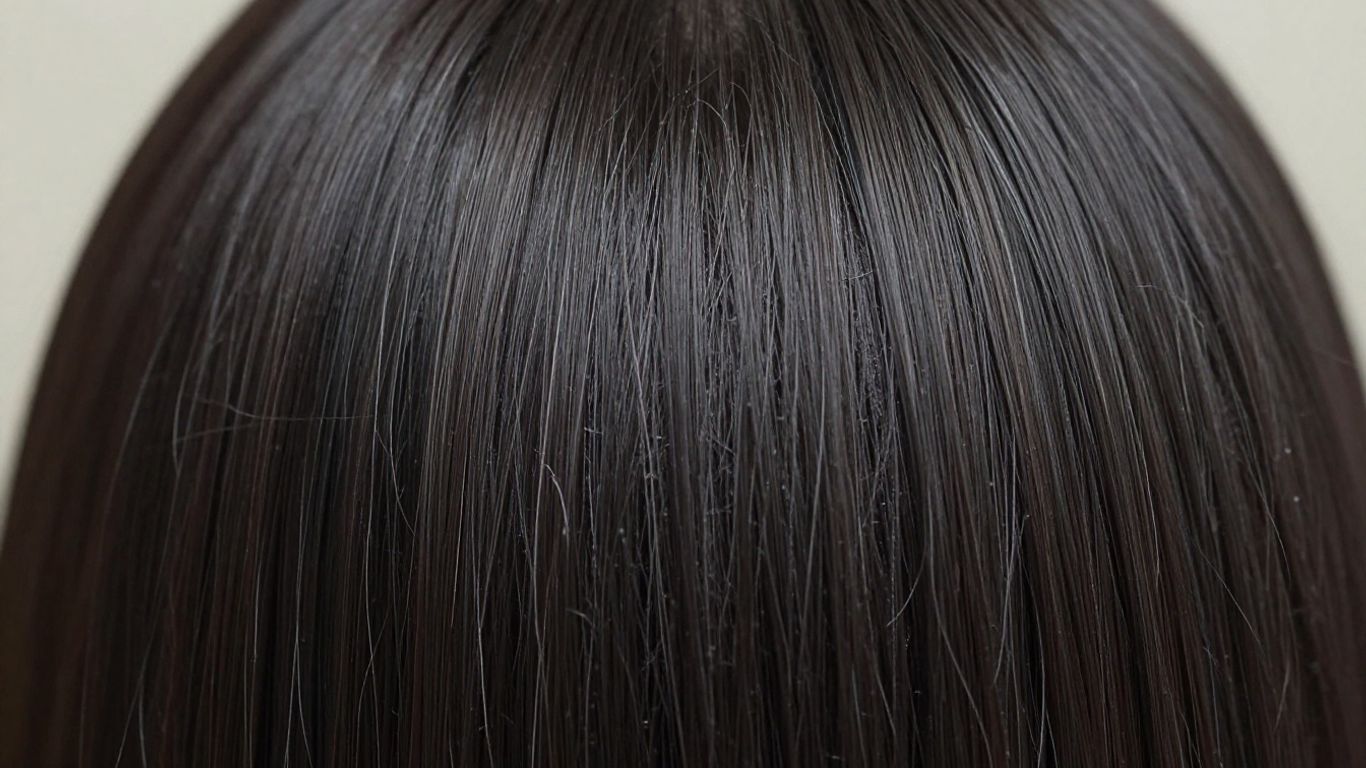
Taking care of low porosity hair is all about being smart with your routine and product choices. It might seem tricky at first, but once you get the hang of it, your hair will thank you. The main goal is to keep that precious moisture locked in without weighing your hair down.
The Importance of Regular Trims
Think of trims not as losing length, but as a way to keep your hair looking its best and prevent bigger problems down the line. Split ends can travel up the hair shaft, causing more damage and making your hair look less healthy. For low porosity hair, which can sometimes struggle with dryness, keeping those ends neat is even more important. It helps maintain the overall integrity of your strands.
Gentle Handling to Prevent Breakage
Low porosity hair can be a bit delicate, especially when it’s wet. The cuticles are tightly closed, which is great for sealing in moisture, but it also means they can be more prone to snapping if handled roughly. Always be gentle when detangling, preferably with a wide-tooth comb or your fingers, and start from the ends, working your way up. Avoid excessive heat styling, as this can dry out your hair and make it brittle. Remember, patience is key when dealing with your hair.
Protecting Moisture Overnight
To keep your hair moisturized and prevent friction while you sleep, consider using a satin or silk bonnet or pillowcase. This helps to reduce moisture loss and prevent tangles. If you’re using the LCO method, a bonnet will help keep everything in place overnight. It’s a simple step that makes a big difference in how your hair feels in the morning. You can find some great options for satin bonnets online.
Here are a few more tips to keep in mind:
- Clarify regularly: Since low porosity hair can get product buildup easily, a clarifying shampoo every few weeks can help remove any gunk without stripping your hair. Look for ones that are sulfate-free if possible.
- Listen to your hair: Pay attention to how your hair reacts to different products and techniques. What works for one person might not work for you, so don’t be afraid to experiment.
- Hydrate from within: Don’t forget that drinking enough water is also good for your hair’s overall health, not just what you put on it.
Conclusion
Dealing with low porosity mixed hair can feel like a puzzle, but it’s totally solvable. By understanding how your hair likes to take in and hold moisture, you can switch up your routine to get the best results. Remember to use warm water, lighter products, and give your hair the time it needs to soak everything up. With a little patience and the right approach, your hair can look and feel healthier than ever.
Frequently Asked Questions
What exactly is low porosity hair?
Low porosity hair means the outer layer of your hair, called the cuticle, is very tight and flat. Think of it like a closed door. This makes it tough for water and hair products to get inside and do their job, which is why your hair might feel dry even when you use products.
How can I tell if I have low porosity hair?
A simple test is to put a strand of clean hair in a glass of water. If it floats on top, it’s likely low porosity. Other signs include hair taking a long time to get wet in the shower, taking a long time to dry, and products often sitting on top of your hair instead of sinking in.
Why do heavy creams and oils not work well for my hair?
Because your hair cuticles are so tightly packed, heavy products can’t easily get through. They just end up sitting on the surface, making your hair feel greasy or weighed down, and preventing moisture from actually getting in. Lighter formulas are much better.
What is the LCO method?
LCO stands for Liquid, Cream, Oil. It’s a way to layer products to lock in moisture. First, you apply a liquid (like water or a leave-in spray), then a cream to define and hydrate, and finally, a lightweight oil to seal everything in. This helps keep moisture from escaping.
Should I use heat when conditioning my hair?
Yes, using heat, like with a steamer or even just sitting in a steamy bathroom, can really help. Heat, like warm water, encourages your hair cuticles to open up a bit, allowing the conditioner or deep treatment to penetrate better and work more effectively.
How often should I get my hair trimmed?
For low porosity hair, getting regular trims every 6 to 8 weeks is a good idea. Since this hair type can be prone to dryness and brittleness, trims help get rid of split ends before they can cause more breakage and keep your hair looking its best.