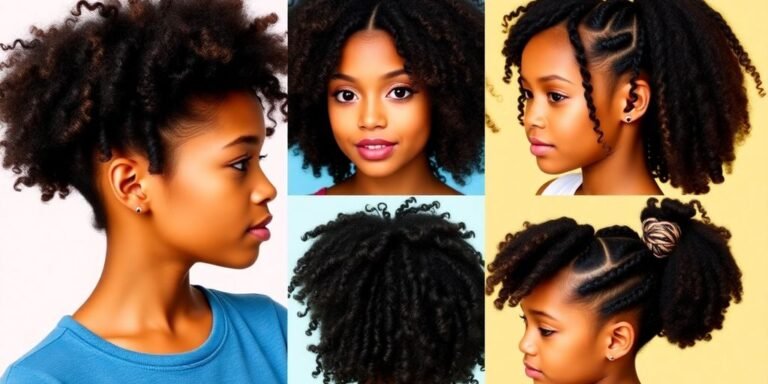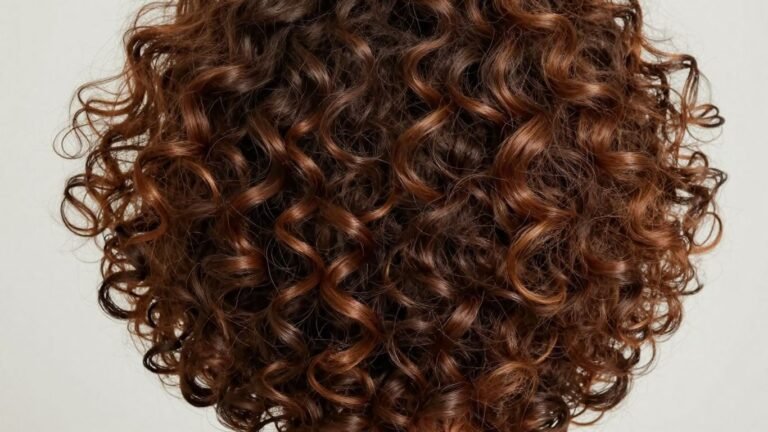
Hey there! So, you’ve got type 4a 4b hair and you’re looking to really make those curls pop and stay healthy. It can feel like a puzzle sometimes, right? Figuring out what works best for your unique coils can be a journey. This guide is all about making that journey a bit easier, giving you a solid type 4a 4b hair routine to help your hair thrive. We’ll cover everything from washing to styling, so you can feel confident about your gorgeous curls.
Key Takeaways
- Type 4a and 4b hair are coily textures that need extra moisture and gentle handling to prevent breakage.
- A good type 4a 4b hair routine focuses on gentle cleansing, deep conditioning, and effective hydration.
- Using the right styling products, like leave-in conditioners, creams, and gels, helps define curls and add hold.
- Protective styles are important for minimizing manipulation and protecting fragile coils, but shouldn’t be kept in too long.
- Regular scalp care and trims are vital for promoting healthy hair growth and maintaining overall hair health.
Understanding Your Type 4A 4B Hair
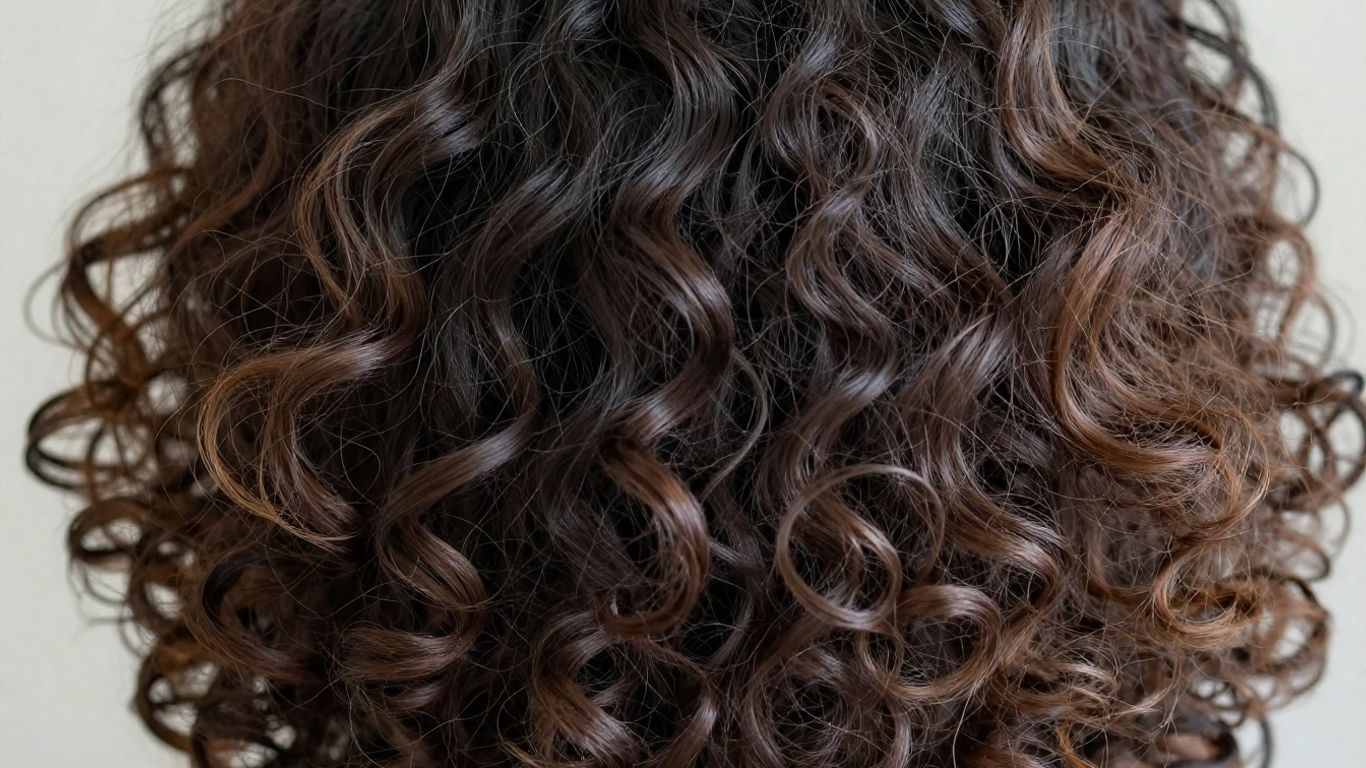
Alright, let’s get down to business and talk about what makes your gorgeous 4A and 4B curls so special. It’s not just about having curly hair; it’s about understanding the unique structure and needs of these specific curl patterns. Knowing your hair type is the first step to really making it thrive.
Defining Type 4A and 4B Curls
So, what exactly separates 4A from 4B? Think of it like this: both are in the ‘coily’ family, but they have slightly different vibes.
- Type 4A hair has a pattern of tight, well-defined coils. If you look closely, these coils often form an ‘S’ shape and are usually about the size of a crochet needle. They tend to spring right from the scalp and can have a good amount of definition.
- Type 4B hair is a bit more zig-zaggy. Instead of a clear ‘S’ shape, the coils often form a ‘Z’ pattern, with sharper angles. These coils are typically smaller in circumference than 4A and can feel a bit more cottony or fluffy. They also tend to have a higher shrinkage factor.
It’s also super common to have a mix of both patterns on your head! If that’s you, don’t stress. You’ll want to focus on a routine that supports the needs of both, or whichever pattern is most dominant.
Key Characteristics of Coily Hair
Coily hair, in general, is known for its beautiful volume and texture. Here are some common traits you’ll likely recognize:
- Shrinkage: This is a big one. Coily hair can shrink up significantly when it’s dry, sometimes appearing much shorter than its actual length. It’s totally normal and just part of the curl’s nature.
- Density: Type 4 hair often appears very dense, meaning there are a lot of strands packed closely together. This gives it that amazing fullness.
- Fragility: Because of the twists and turns in the hair strand, coily hair can be more prone to dryness and breakage if not handled with care. Moisture is absolutely key.
- Porosity: This refers to how well your hair absorbs and retains moisture. Coily hair can have low, medium, or high porosity, and understanding yours helps you pick the right products. For example, hair with low porosity might need lighter products that don’t sit on top, while high porosity hair needs richer products to seal in moisture.
Understanding these characteristics isn’t about putting your hair in a box; it’s about appreciating its unique beauty and learning how to give it exactly what it needs to flourish. It’s about working with your hair, not against it.
Why Understanding Your Hair Type Matters
Honestly, knowing if you have 4B hair or 4A hair isn’t just a fun fact. It’s the foundation for everything else. When you know your curl pattern and its typical needs, you can:
- Choose the Right Products: You’ll stop wasting money on products that just don’t work. Instead, you’ll look for ingredients and formulas designed for coily textures, focusing on moisture and gentle care.
- Develop an Effective Routine: You’ll know whether to focus on deep conditioning, sealing in moisture, or gentle detangling techniques. This makes your hair care routine much more successful.
- Minimize Damage: By understanding your hair’s potential for dryness and breakage, you can adopt practices that protect it, leading to healthier growth and less frustration.
- Embrace Your Texture: Ultimately, knowing your hair type helps you celebrate its natural beauty and learn how to style it in ways that show it off, rather than fighting against its natural tendencies. It’s about loving what you have!
The Foundation: Cleansing and Conditioning
Alright, let’s get down to the nitty-gritty of keeping your gorgeous coils clean and happy. This is where we build the base for everything else, so it’s pretty important. Think of it like prepping a canvas before you paint – you gotta have a good surface to start with.
Gentle Cleansing for Moisture Retention
So, for our type 4A and 4B hair, the biggest thing is not to strip all the natural oils. These oils have a tough time traveling down the hair shaft because of our coils’ tight pattern, so we need to be extra careful. Instead of harsh shampoos that can leave your hair feeling like straw, we’re looking for something gentler. Some folks even opt for cleansing conditioners, which can be great for keeping things moisturized. But here’s the thing: your scalp still needs a good clean! Product buildup, oils, and dead skin cells can clog things up, and a happy scalp means happy hair growth. It’s a balancing act, for sure.
- Listen to your scalp: Does it feel tight and dry, or oily and itchy? This will guide how often you cleanse.
- Consider co-washing: Using a conditioner to wash your hair can be a good option between shampoos.
- Look for sulfate-free shampoos: These are much kinder to your hair and scalp.
A clean scalp is the starting point for healthy hair. Even with coily hair, where it’s harder to reach, regular, gentle cleansing is key to preventing issues that can slow down growth.
The Power of Deep Conditioning
After cleansing, it’s time to really drench those coils in moisture. Deep conditioning is like a spa treatment for your hair. It helps to replenish lost moisture, improve elasticity, and make your hair feel super soft and manageable. For our hair types, leaving a deep conditioner on for a good 10-20 minutes, maybe even longer with some gentle heat, can make a world of difference. It really lets those good ingredients sink in.
- Apply generously to clean, damp hair.
- Focus on the mid-lengths and ends, where hair tends to be driest.
- Use a shower cap and gentle heat (like a hooded dryer or a warm towel) to help the product penetrate better.
Choosing the Right Moisturizing Conditioner
Your daily conditioner is your best friend for keeping moisture locked in between washes. You want something that provides good slip for detangling and leaves your hair feeling soft, not stiff. Think about conditioners that are rich and creamy. Applying it to soaking wet hair can help it spread more easily and seal in that water. For type 4B hair, sometimes a second round of conditioning after rinsing the first can really help with moisture retention [03c9].
- Slip is key: This helps with detangling without causing breakage.
- Richness matters: Look for ingredients like shea butter, natural oils, and glycerin.
- Don’t skimp: Use a generous amount to ensure all your strands are coated.
Hydration and Styling Strategies
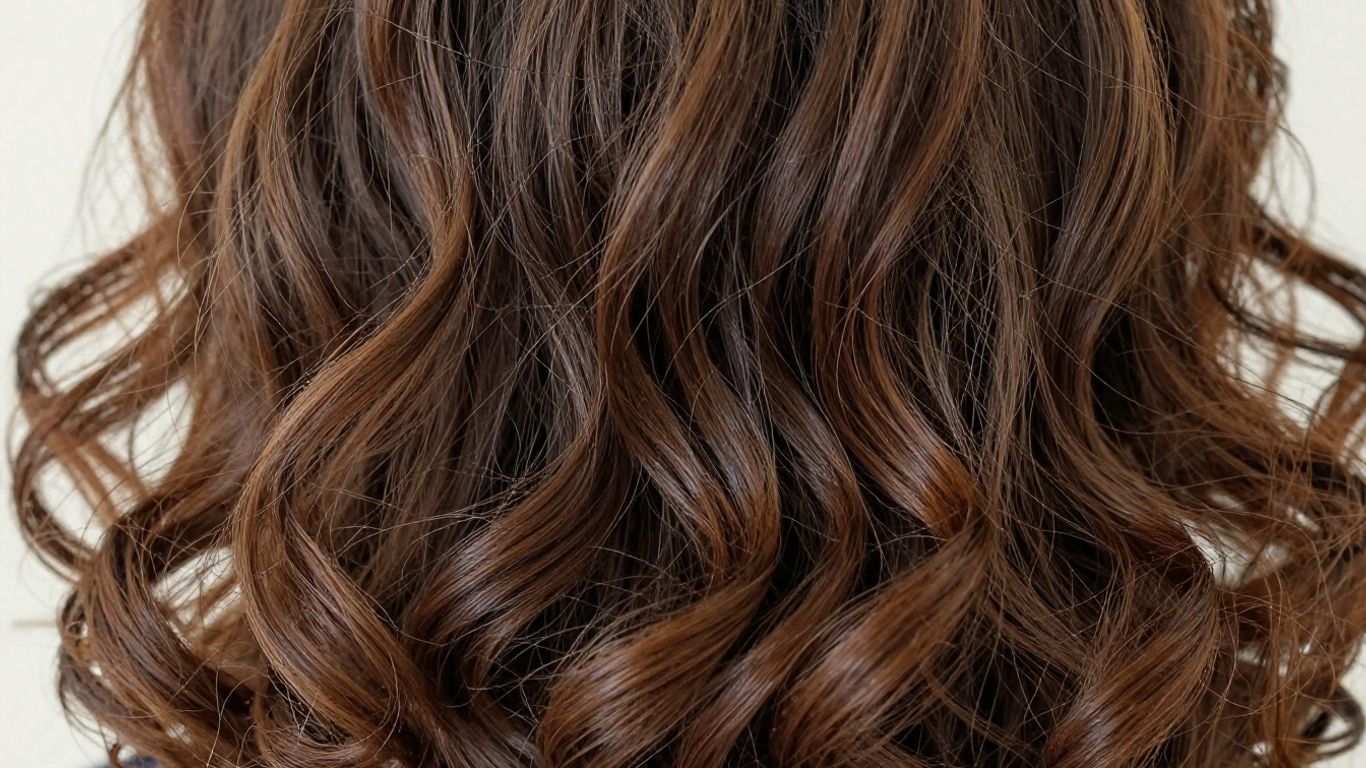
Keeping your coils happy and defined means focusing on what they truly need: moisture and the right touch. It’s not just about slapping on any product; it’s about understanding how to layer them for maximum benefit.
Essential Leave-In Treatments
After you’ve cleansed and conditioned, a good leave-in is your first line of defense against dryness. Think of it as a primer for your styling products. It adds an extra layer of moisture and helps to make detangling a bit easier, which is always a win. For 4a and 4b hair, look for creamy formulas that won’t feel too heavy but still provide that much-needed hydration. Applying it to damp hair is key, as it helps to seal in the water.
- Apply leave-in conditioner evenly from root to tip.
- Gently work it through with your fingers or a wide-tooth comb.
- Don’t skip this step, especially if your hair tends to get dry quickly.
Styling Products for Definition and Hold
Once your hair is prepped with a leave-in, it’s time to think about definition and how long you want your style to last. Gels and curl creams are your best friends here. Gels often provide more hold, which is great for styles like wash-and-gos that you want to last. Curl creams, on the other hand, can give you softer definition and add more moisture. Some people like to layer these, using a curl cream first and then a gel over the top. It really depends on the look you’re going for and how your hair responds.
The right product combination can make all the difference in how your curls clump together and stay put.
The Role of Hair Oils in Your Routine
Oils are fantastic for sealing in moisture, adding shine, and giving your hair that final touch. After you’ve applied your styling products and your hair is mostly dry, a few drops of oil can go a long way. You can also use oils for a quick refresh between wash days or to tame any flyaways. For 4b hair, lightweight oils are often recommended so they don’t weigh down the coils. You can even mix a bit of oil into your leave-in or curl cream for an extra boost. Just remember, a little goes a long way, and you don’t want to overdo it, or your hair might feel greasy. Using oils can help manage coils, making them easier to handle [bce4].
Keeping your hair moisturized is the most important advice for 4a hair. Taking your time with your curls will pay off in the long run.
Protecting Your Coils
Type 4A and 4B hair, with its beautiful coils and zig-zag patterns, can be a bit more delicate than other hair types. Because of this, protecting your coils from damage is super important for keeping them healthy and growing strong. It’s all about being gentle and making smart choices with how you handle and style your hair.
The Importance of Gentle Detangling
Detangling can feel like a battle sometimes, right? But how you approach it makes a huge difference. Always detangle your hair when it’s wet and coated with a good conditioner or a detangling product. This provides slip, allowing your comb or fingers to glide through the coils without snagging. Start from the ends and work your way up to the roots. This way, you’re not forcing knots down the hair shaft, which can cause breakage. Using a wide-tooth comb or even just your fingers is usually the best bet. Trying to detangle dry hair is a recipe for disaster, trust me.
- Apply conditioner or a leave-in liberally to damp hair.
- Section your hair to make the process more manageable.
- Start detangling from the ends, moving upwards towards the roots.
- Be patient! Rushing will only lead to more tangles and potential breakage.
Embracing Protective Hairstyles
Protective styles are your best friend when it comes to minimizing manipulation and shielding your ends. These styles tuck away your fragile ends, reducing exposure to the elements and everyday friction. Think about styles like:
- Braids and Twists: These can be done in various ways, from simple two-strand twists to intricate cornrows. They keep your hair neatly contained and reduce tangles.
- Buns and Updos: A simple bun or a more elaborate updo can keep your hair off your shoulders and protected, especially at night.
- Wigs and Weaves: When worn correctly with a silk or satin bonnet underneath, these can give your natural hair a much-needed break.
Remember, even protective styles shouldn’t be too tight, as that can cause tension and breakage along the hairline. It’s about finding that balance between protection and comfort. For great options designed for your hair type, check out Aunt Jackie’s specialized hair care collection [6b67].
Minimizing Breakage with Smart Styling Choices
Beyond detangling and protective styles, the products you use and how you style your hair daily play a big role. Avoid excessive heat styling, as it can dry out and damage your coils. If you do use heat, always apply a heat protectant. When styling, try to use products that offer moisture and hold without being too stiff or flaky. Gels and creams that encourage curl definition are great, but make sure they don’t leave your hair feeling brittle once dry. Also, be mindful of accessories; harsh hair ties or clips can snag and break delicate strands. Opt for fabric-covered elastics or snag-free clips.
When you’re sleeping, friction from your pillowcase can cause a lot of damage. Always sleep on a satin or silk pillowcase, or wear a satin or silk bonnet or scarf. This one simple step can drastically reduce breakage and help your coils retain moisture overnight.
Using nourishing oils can also be a game-changer for sealing in moisture and adding a layer of protection. Oils like olive oil or batana oil are fantastic for this purpose [ccca]. They help keep your hair soft and less prone to snapping when you’re out and about or just going about your day.
Promoting Healthy Growth
Growing healthy hair is about more than just waiting for it to get longer. It’s about creating the best environment for your strands to thrive from the root up. For our beautiful type 4a and 4b coils, this means focusing on a few key areas that really make a difference.
Nourishing Your Scalp for Growth
Think of your scalp as the garden bed for your hair. If the soil isn’t healthy, the plants won’t grow well, right? The same applies here. A clean, balanced scalp is where strong hair begins. Product buildup, oils, and dead skin cells can clog your follicles, which isn’t good for growth. It’s important to cleanse your scalp thoroughly, but gently. Some people think you should never use shampoo, but a good, mild shampoo can actually help clear away buildup without totally stripping your hair, especially if you follow up with a good conditioner. Keeping your scalp happy means it can do its job of producing healthy hair.
The Benefits of Regular Trims
I know, I know, cutting your hair when you’re trying to grow it might sound backward. But trust me, it’s not. Regular trims are super important for getting rid of split ends. Those little splits can travel up the hair shaft, causing more damage and breakage. By snipping off the damaged ends, you prevent further issues and allow your hair to grow out healthier and stronger. Aim for a trim every 8 to 12 weeks, or whenever you notice your ends looking a bit rough, tangled, or just not holding moisture well. It’s about maintaining the health of the hair you have so it can reach its full length potential.
Incorporating Treatments for Strength
Sometimes, our coils need a little extra boost. This is where targeted treatments come in. Think about treatments that focus on strengthening the hair shaft and improving elasticity. Ingredients like proteins can help rebuild weakened strands, while deep conditioners packed with moisturizing agents keep your hair supple and less prone to snapping. You might also consider treatments that focus on scalp health, like those containing Jamaican Black Castor Oil, which is often recommended for stimulating growth and thickening hair. Consistency is key here; find a treatment that works for your hair and incorporate it into your routine regularly, maybe once or twice a month, depending on your hair’s needs.
Taking care of your scalp and ends is just as vital as moisturizing your lengths. Healthy hair growth is a marathon, not a sprint, and requires consistent, gentle care from root to tip.
Styling Your Type 4A 4B Hair
Now that we’ve covered the basics of cleansing, conditioning, and hydration, it’s time for the fun part: styling! Getting your coils to look their best involves a mix of techniques that celebrate your natural texture while keeping it healthy. The goal is to define your curls, add volume, and maintain moisture throughout the day.
Achieving the Perfect Wash-and-Go
The wash-and-go is a favorite for a reason – it lets your natural curl pattern shine. It’s all about applying the right products to damp hair and letting it do its thing. This style is perfect for showcasing the beautiful definition of your coils.
Here’s a simple way to get a great wash-and-go:
- Start with freshly washed and conditioned hair. Make sure it’s still quite damp.
- Apply a good amount of leave-in conditioner. Work it through your hair from root to tip.
- Follow up with a curl-defining cream or gel. Distribute it evenly using your fingers or a wide-tooth comb.
- Let your hair air dry completely, or use a diffuser on a low heat setting to speed things up and add some lift.
Exploring Twist-Outs and Braid-Outs
Twist-outs and braid-outs are fantastic for creating defined, elongated curls with a bit more polish than a wash-and-go. They also offer a protective element, keeping your ends tucked away.
- Two-Strand Twists: Section your damp hair. Apply a styling product to each section, then twist the two strands around each other from root to tip. Secure the ends. Let your hair dry completely before gently unraveling.
- Braid-Outs: Similar to twists, but you’ll create small braids instead. This often results in a softer, more wavy curl pattern.
Everyday Styling for Defined Curls
Beyond the wash-and-go and twist-outs, there are other ways to style your hair daily. Think about styles that minimize manipulation and keep your hair moisturized.
- Bantu Knots: These are great for creating uniform, bouncy curls. Section your hair, apply product, twist each section tightly, and then wrap it around itself to form a knot. Secure with a pin or elastic. Once dry, unravel for defined coils.
- Pineapple Method: For sleeping or just to get some volume, gather your hair loosely at the very top of your head. This helps preserve your style overnight and adds lift in the morning.
When styling, remember that your hair is most vulnerable when wet. Be gentle during application and avoid excessive tugging or pulling. Using a wide-tooth comb or your fingers for detangling is key, especially when products are in your hair. This approach helps prevent breakage and keeps your coils intact. For more on protecting your coils, check out tips for type 4 hair.
Experimenting with different products and techniques is part of the journey. What works wonders one week might need a tweak the next. Pay attention to how your hair responds, and don’t be afraid to try new things to find your signature styles that keep your coils happy and healthy. Remember, the goal is definition and moisture, and there are many ways to achieve that with 4B hair products.
Keep Those Curls Poppin’
So, that’s the rundown on keeping your 4a and 4b curls looking their absolute best. It might seem like a lot at first, but honestly, it’s mostly about being consistent and paying attention to what your hair tells you. Finding the right products and sticking to a routine that works for you is key. Don’t get discouraged if something doesn’t work right away; hair care is a journey, and sometimes it takes a little trial and error. Just remember to keep things moisturized, handle your hair gently, and give it the love it deserves. You’ve got this!
Frequently Asked Questions
What’s the difference between 4A and 4B hair?
Think of 4A hair as having tighter, springy curls that look like little corkscrews. 4B hair has curls that are even tighter and tend to form a ‘Z’ shape rather than a distinct spiral. Both are beautiful and coily!
How often should I wash my 4A or 4B hair?
It really depends on your hair! Since this hair type can get dry easily, washing once a week or even every two weeks is often enough. Listen to your hair – if it feels dry, wash less; if it feels oily, wash a bit more often. Co-washing (washing with conditioner only) can be a great option between shampoos.
What are the best products for my curly hair?
Look for products that are super moisturizing! Things like leave-in conditioners, creamy moisturizers, and oils are your best friends. Ingredients like shea butter, coconut oil, and aloe vera are great. Avoid products with harsh alcohols that can dry out your hair.
How do I keep my hair from breaking?
Be super gentle! Always detangle with a wide-tooth comb or your fingers when your hair is wet and has conditioner in it. Try not to pull or tug. Protective styles like braids or twists can help, but don’t keep them in too long, and avoid styles that are too tight around your hairline.
Is deep conditioning important for my hair type?
Absolutely! Deep conditioning is a must. It helps to add lots of moisture deep into your hair strands, making them stronger and softer. Try to do it at least once a week, especially if your hair feels dry or needs some extra love.
Can I use heat on my 4A or 4B hair?
It’s best to use heat tools like blow dryers or flat irons as little as possible. When you do use them, always, always use a heat protectant spray first. Letting your hair air dry or using a diffuser on a low setting is a much gentler option.