Key Takeaways
A few careful habits can lower the chance of a hair dye reaction, though no home step can guarantee that a product will be safe for everyone.
- Read the full ingredient list and check for allergens you already know you react to.
- Follow the dye’s patch-test directions every time, even if you have used it before.
- Keep dye off your skin as much as possible and rinse it away as directed.
- If you have reacted before, ask a dermatologist about allergy testing and alternatives.
- Stop using a dye if symptoms appear, and seek urgent care for facial swelling or breathing trouble.
Understand what causes hair dye contact dermatitis
Contact dermatitis is skin inflammation that can follow contact with a substance. With hair dye, symptoms may be caused by irritation or by an allergic response, and the two can be difficult to distinguish without medical advice. Knowing the difference helps you choose sensible precautions and recognize when to stop.
Irritant reactions versus allergic reactions
An irritant reaction happens when a substance directly bothers or damages the skin; it does not require an allergy. Allergic contact dermatitis is an immune response to an ingredient, and symptoms may show up after a delay rather than during the application. Both can cause discomfort, so the timing alone cannot confirm what is happening. If a reaction recurs, a clinician can help identify the cause instead of relying on guesswork.
Common triggers, including PPD
Para-phenylenediamine, usually shortened to PPD, is used in some permanent hair dyes and can trigger allergic contact dermatitis in people who are sensitized to it. Other ingredients can also irritate or cause allergy, so a product’s shade or marketing language cannot tell you what is in it. For background on this ingredient, see this overview of PPD in hair dye.
A quick ingredient comparison can help you focus on what to check, while remembering that labels vary by product. These are examples, not a complete list of potential triggers.
| Ingredient or label detail | Why it may matter | What to do |
|---|---|---|
| PPD | Can cause allergic contact dermatitis in some people | Check the full ingredient list |
| Fragrance | May irritate or trigger sensitivity in some people | Look for fragrance information on the label |
| Other dye ingredients | Reactions are not limited to PPD | Ask a clinician about suspected ingredients |
| Previous reaction | May point to an ingredient worth investigating | Keep the product packaging for review |
Use the table as a prompt to read the actual label, not as a diagnosis. A dermatologist can help determine whether a specific ingredient is relevant to your symptoms.
Why a reaction can develop after years of use
A person can become sensitized after repeated exposure, so a product that seemed fine in the past may later cause a reaction. Previous use is not proof that the next application will be uneventful. In other words, past tolerance is not a guarantee. If your skin changes or you develop symptoms, stop and reassess rather than assuming the dye cannot be responsible.
Check products before choosing a dye
Choosing a product starts with its actual ingredients, not the color on the box or a broad claim on the front. If you have a known allergy, compare the list with the specific ingredient names your clinician has advised you to avoid. Mixed Nature’s hair dye inspiration offers beauty and style ideas, but a style guide is not a substitute for checking the product label.
Read the ingredient list for known allergens
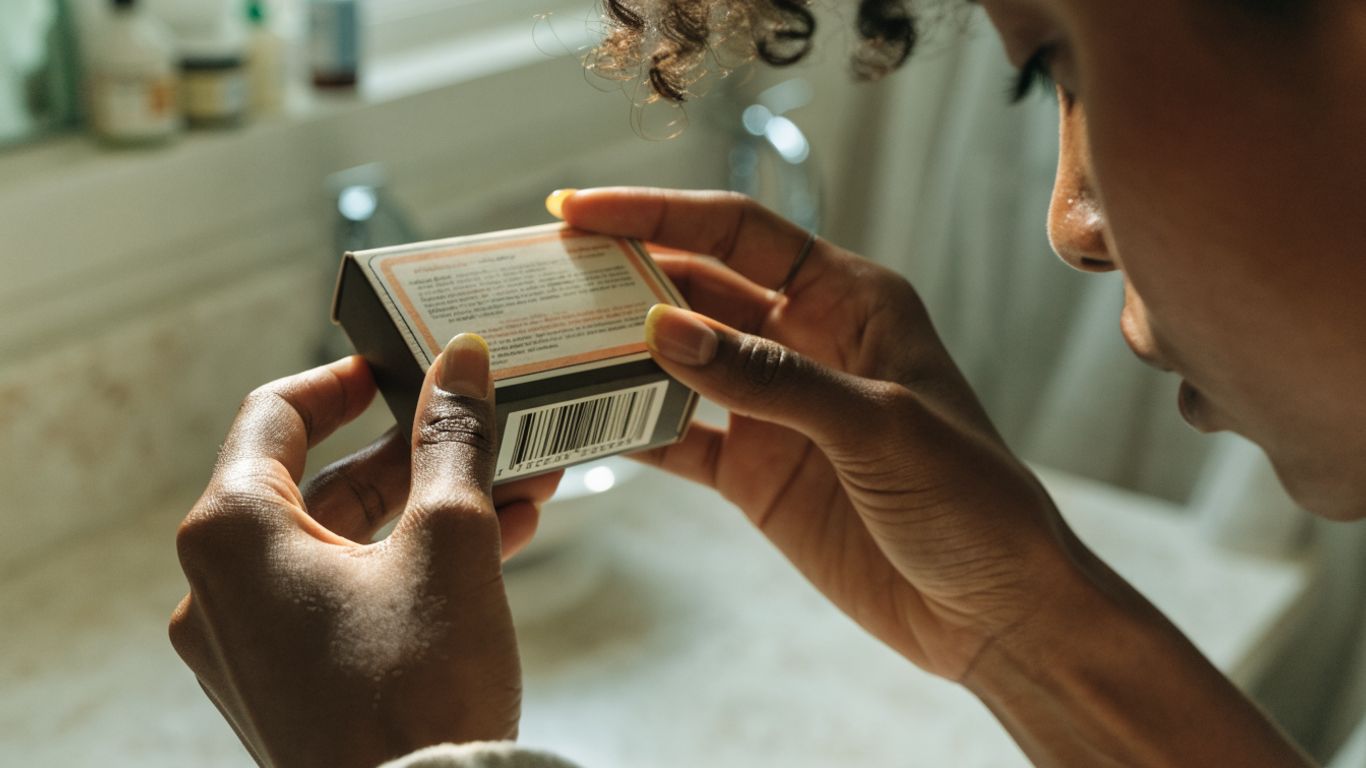
Check the complete ingredient list each time you buy a dye, since formulations can differ across products and may change. If a label is unclear or you cannot confirm whether a known allergen is present, do not use the product until you can get reliable guidance. Keeping a photo of the ingredient list can make it easier to discuss a suspected reaction with a dermatologist.
Consider fragrance-free or alternative formulations
A fragrance-free product may be worth considering if fragrance is a known concern for you, but fragrance-free does not mean allergy-proof. Likewise, an alternative dye may still contain an ingredient that bothers your skin. Mixed Nature shares safe hair color options as beauty inspiration; assess any specific product separately and read its label before use.
Treat “natural” and “hypoallergenic” claims with caution
Words such as “natural” and “hypoallergenic” do not guarantee that a product will not irritate your skin or cause an allergy. Plant-derived ingredients can still cause reactions, and products described as gentle can still contain substances that are not right for you. Mixed Nature’s non-toxic dye ideas are presented as natural beauty inspiration, not as a promise that a dye is free of allergens or safe for every person.
Careful comparisons are useful in many kinds of buying decisions, though the details differ by subject: readers may also compare garage door options, auto-transport theft prevention, ergonomic workplace design, and curtain wall coordination. For hair dye, the practical equivalent is checking the product’s own ingredients and instructions rather than relying on a broad label claim.
Test for sensitivity before every application
A patch test is a precaution, not a diagnosis or a guarantee against a later reaction. Follow the instructions supplied with the exact product you plan to use, even if you have dyed your hair many times. Repeating the test matters because your sensitivity and the product formula may change over time.
Follow the product’s patch-test instructions
Use the product’s own directions for when and how to test, including the stated waiting period. Do not substitute a test method from another brand or skip the test because the shade is familiar. If the instructions are missing or unclear, contact the manufacturer or ask a health professional before applying the dye.
A simple sequence can make the precaution easier to remember:
- Check that the directions are for the exact product you plan to use.
- Follow the stated test method and timing precisely.
- Watch the test area for the full period described in the instructions.
- Do not proceed if the test causes symptoms or the result is uncertain.
Treat the test as one part of a cautious routine, not as clearance to ignore symptoms. A negative result cannot promise that a reaction will not happen during or after full application.
Know what a patch test can and cannot tell you
A home test may help identify a reaction to the product under the conditions described by its instructions, but it cannot rule out every possible reaction. It also does not establish which ingredient caused a symptom. If you have reacted to hair dye before, a dermatologist can discuss formal allergy testing; a home patch test is not a replacement for that evaluation.
Don’t use the dye if testing causes a reaction
If the test area becomes itchy, red, swollen, blistered, or otherwise uncomfortable, do not apply the dye to your hair. Avoid repeating the test with the same product to see whether the result changes. If the reaction is significant, persists, or worries you, contact a healthcare professional for advice.
Reduce skin exposure during dyeing
Following the product directions and limiting skin contact are practical precautions, though they cannot remove all risk. Set up before you begin so you are not improvising while dye is on your hair. If your scalp or surrounding skin is already irritated, postpone dyeing until you have recovered or received medical guidance.
Apply dye only as directed
Use the product only in the way described on its packaging, including its stated application and timing instructions. Do not leave it on longer, mix it with other products, or use it for a purpose the label does not describe. If the directions are unclear, pause and ask the manufacturer or a clinician rather than guessing.
Protect your hands, hairline, and ears
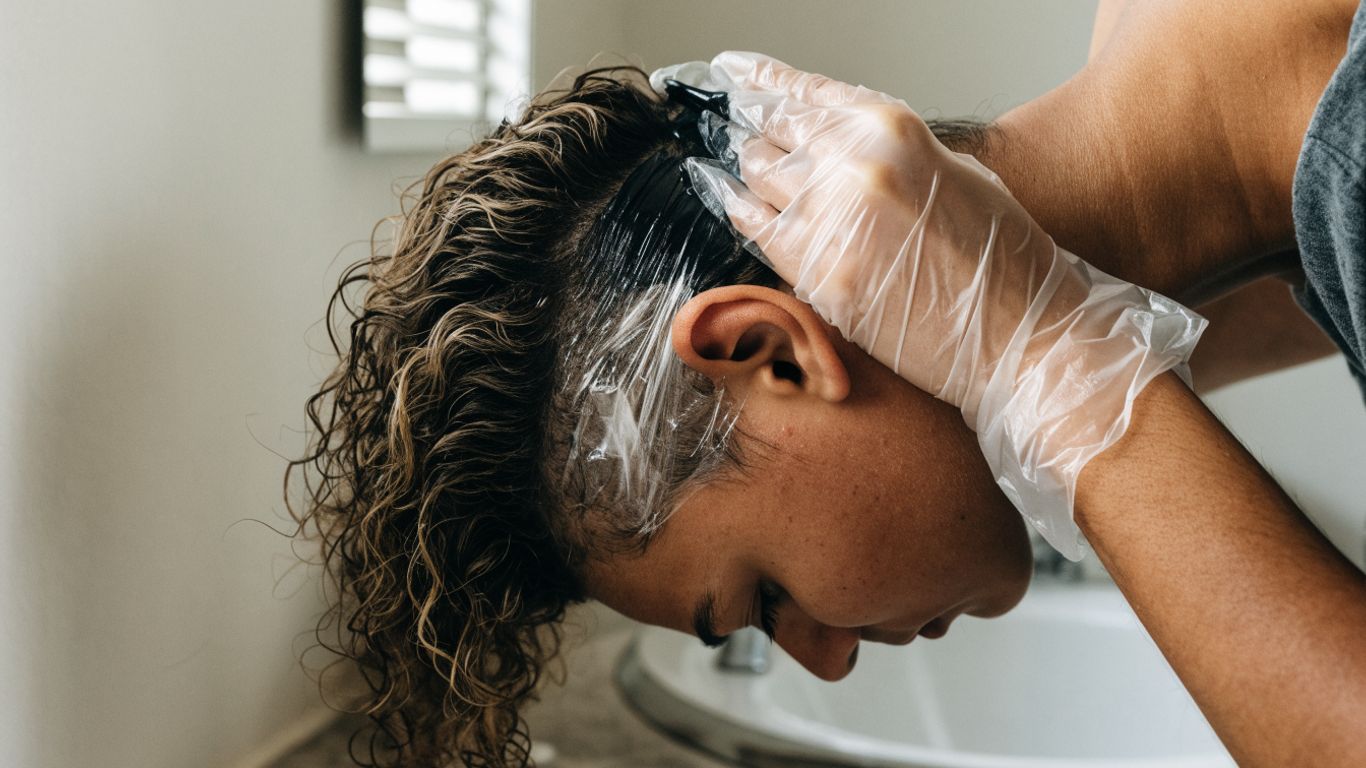
Use the protective gloves supplied or specified by the product, and take care to avoid smearing dye onto the hairline, ears, or other skin. Do not use a barrier product unless the dye instructions allow it, since directions vary. If dye gets onto your skin, follow the package guidance for removing it.
Rinse thoroughly and avoid applying dye to irritated skin
Rinse your hair and scalp as directed, making sure product residue is washed away. Do not apply dye over broken, inflamed, or already uncomfortable skin. A sore or itchy scalp deserves a pause, not another chemical exposure; if symptoms are persistent, ask a dermatologist for advice.
Choose safer options if you have a history of reactions
A previous reaction is a reason to be more cautious, not to guess which product might be safe. The ingredient that caused the problem may not be obvious, and different products can share ingredients. Before trying another dye, consider getting professional advice and compare its ingredients carefully.
Ask a dermatologist about allergy testing
A dermatologist can assess your history and discuss whether formal patch testing could help identify the substance involved. Bring the product packaging or ingredient list if you still have it, along with a description of when symptoms started and where they appeared. Information about clinical patterns in hair dye reactions may also help frame why medical evaluation is useful, but it cannot identify your personal trigger.
Discuss non-oxidative dyes and other alternatives
Ask a dermatologist whether non-oxidative dyes or other approaches are appropriate for you. The term describes a broad category, not a guarantee that a product will be free of allergens or irritation risks. If a clinician identifies an ingredient to avoid, use that information to assess any alternative before applying it.
Avoid switching products without checking their ingredients
Changing brands, shades, or product types does not automatically remove the ingredient that caused a reaction. Read the complete label and compare it with any allergens you have been advised to avoid. If you cannot tell whether a product is suitable, wait for professional guidance rather than testing it on your scalp.
Respond promptly to possible symptoms
Hair dye reactions can range from mild skin discomfort to more serious symptoms. Some allergic reactions are delayed, so pay attention to changes after application as well as during it. If you are unsure whether symptoms are related to the dye, stop using the product and seek advice rather than applying more.
Recognize itching, redness, swelling, and blisters
Possible symptoms include itching, redness, swelling, burning or stinging, and blisters; appearance can vary across skin tones. Symptoms may not begin immediately, so note when they started and where they occur. This guide to hair dye reaction symptoms covers common signs and when to get help, while information on hair dye allergy explains why assessment may be needed.
Wash off the dye and stop using it if a reaction occurs
If symptoms begin while dye is on your hair, rinse it off as the product directions advise and do not use that dye again unless a healthcare professional tells you otherwise. Do not try to cover up the reaction by applying another product. Keep the packaging so a clinician can review the ingredients; further guidance on hair dye allergy and prevention can complement, but not replace, medical advice.
Seek urgent care for facial swelling or breathing difficulty
Get urgent medical care if you develop swelling of the face, lips, tongue, or throat, or have trouble breathing. These symptoms can signal a severe allergic reaction and should not be managed at home. When in doubt about a rapidly worsening reaction, contact emergency services.
Conclusion
The most practical way to lower your risk is to check ingredients, follow the product’s patch-test and application instructions, limit skin exposure, and take any symptoms seriously. If you have had a reaction before, a dermatologist can help you make a more informed choice than trial and error. No label claim or home test can promise a reaction-free result, so let your skin’s response guide your next step.
Frequently Asked Questions
Can hair dye cause contact dermatitis?
Yes. Hair dye can cause irritant contact dermatitis or an allergic reaction to an ingredient. A clinician can help distinguish the cause when symptoms occur.
Can I react to hair dye after using it for years?
Yes. A person can become sensitized after repeated exposure, so past tolerance does not guarantee that a future application will be reaction-free.
Does a negative patch test mean the dye is safe for me?
No. A home patch test cannot rule out every reaction or guarantee that symptoms will not occur during or after full application. Follow the product instructions and seek medical advice if you have a reaction history.
Should I patch-test hair dye every time?
Follow the instructions for the specific product every time you use it. Formulas and your sensitivity can change, so do not rely on a test or result from an earlier use.
Is natural or hypoallergenic hair dye less likely to cause a reaction?
Those terms do not guarantee that a product is free of allergens or irritation risks. Review the ingredient list and consider any known sensitivities.
What should I do if my scalp itches after dyeing?
Stop using the product, rinse it off according to its directions if it is still on your hair, and contact a healthcare professional if symptoms persist or worsen. Keep the package so the ingredients can be reviewed.
When is a hair dye reaction an emergency?
Facial, lip, tongue, or throat swelling and difficulty breathing require urgent medical care. Do not wait to see whether these symptoms resolve on their own.