Key Takeaways
Choosing the best wedding foundation for brown skin is less about chasing one universal formula and more about matching shade, finish, coverage, and wear to your ceremony and reception plans.
- Match both depth and undertone in natural light.
- Test the foundation before the wedding day, including in photos.
- Choose coverage according to your comfort, not bridal expectations.
- Consider how heat, dancing, tears, and touch-ups may affect wear.
- Keep the rest of the complexion routine balanced with the foundation finish.
1. Estée Lauder Double Wear Stay-in-Place Foundation for maximum longevity
A wedding foundation has a long day ahead of it, from getting ready through photographs, greetings, dinner, and dancing. Estée Lauder Double Wear Stay-in-Place Foundation is often considered when maximum longevity is the priority. For brown skin, longevity still begins with a close shade match rather than a formula alone.
Test the shade along the jaw and allow it time to settle before deciding. Check it near a window, under indoor lighting, and with a phone camera, since a match that looks right in one setting may feel different in another. A thin, even application is usually easier to adjust than a heavy first layer.
The best wedding foundation for brown skin should feel secure without making you monitor your face all day. If this option suits your skin and preferred finish, bring a small amount for a planned touch-up rather than layering repeatedly over oil or perspiration.
2. Fenty Beauty Pro Filt’r Soft Matte Longwear Foundation for an inclusive shade range
Shade range matters especially when your complexion has a nuanced undertone or changes slightly between face and body. Fenty Beauty Pro Filt’r Soft Matte Longwear Foundation is a sensible name to consider when an inclusive shade range is central to the search. The right shade should disappear at the jaw, not merely look close in a bottle.
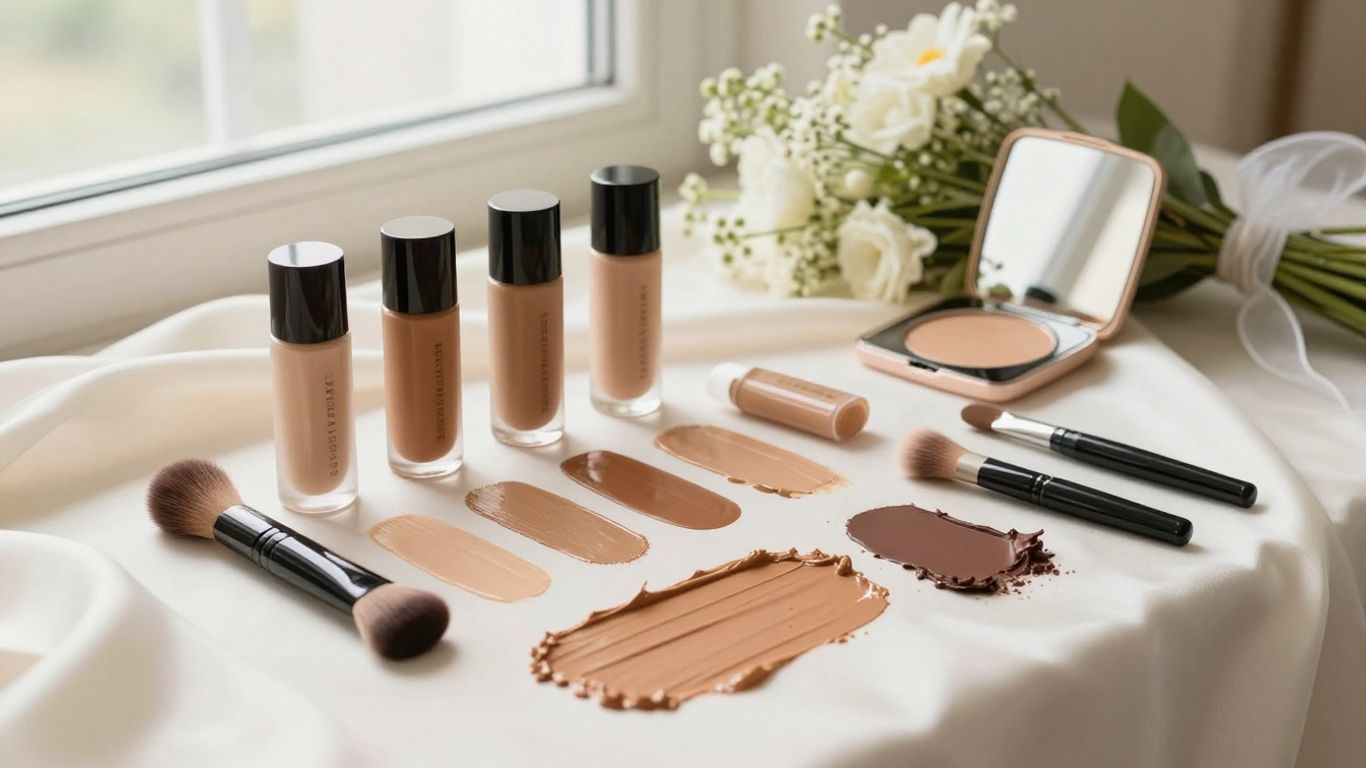
Swatch two or three nearby options and compare them after a short wait. Brown skin can read differently under warm venue lighting, cool daylight, and flash, so a trial should include more than one environment. If you work with a makeup artist, share which direction you prefer when a shade sits between two matches.
Soft matte finishes can look polished without requiring a flat, powdery complexion, but the final effect depends on skin preparation and application. Keep the base light around expressive areas and add coverage only where you want more evening-out.
3. NARS Light Reflecting Foundation for a natural, camera-friendly finish
A natural finish can be especially appealing for wedding photographs because it leaves room for skin to look like skin. NARS Light Reflecting Foundation belongs on a consideration list when the desired result is natural and camera-friendly. The goal is not to remove every trace of texture, but to create an even surface that still feels like you.
Photograph the trial from a few distances and angles rather than relying on a close mirror inspection. Look at the forehead, cheeks, and around the mouth, where movement can reveal whether the base feels too heavy. A balanced finish usually works best when blush, bronzer, and highlight are applied with restraint.
For a ceremony with lots of close-up images, a comfortable, believable match may matter more than maximum coverage. Discuss the finish you want in plain language: skinlike, softly even, radiant, or matte can help translate a visual preference into an application plan.
4. Huda Beauty #FauxFilter Luminous Matte Foundation for full coverage
Full coverage can be useful when you want a more perfected bridal complexion or need to even out visible discoloration. Huda Beauty #FauxFilter Luminous Matte Foundation is included here for readers who are specifically exploring a full-coverage direction. Full coverage does not have to mean applying the same amount everywhere.
Start at the center of the face, then sheer the edges with a damp sponge or a lightly loaded brush. This keeps the complexion more dimensional and reduces the chance that the base competes with the eyes or lips. On deeper complexions, careful blending at the hairline and jaw is particularly worthwhile.
A full-coverage trial should include several hours of wear, a few facial expressions, and photographs with and without flash. If the result looks smooth in person but overly present on camera, reduce the amount before changing the entire product.
5. Lancôme Teint Idole Ultra 24H Long Wear Foundation for all-day bridal wear
An all-day wedding base needs to fit the rhythm of the day, not just the first hour after application. Lancôme Teint Idole Ultra 24H Long Wear Foundation is a natural option to investigate when all-day bridal wear is the organizing idea. Your skin preparation, venue, and touch-up plan will still influence how any foundation behaves.
A useful trial can follow the likely wedding schedule: apply in the morning, spend time moving around, and check the finish later in the day. Take notes on where shine appears, whether dry areas become noticeable, and how the base looks after gentle blotting. These observations are more helpful than a quick swatch alone.
For a long celebration, keep the touch-up kit simple. The essentials are usually a small mirror, blotting material, the chosen complexion product, and a clean tool or sponge. A short, realistic routine is easier to follow between photographs and conversations.
- Match the shade in daylight before finalizing it.
- Wear the trial through movement and several hours of normal activity.
- Photograph the complexion under the venue’s likely lighting.
- Decide in advance where a touch-up may be needed.
That small rehearsal gives you practical information without turning the wedding morning into an experiment. It also helps your artist understand what you mean by long wear, since comfort and appearance can matter equally.
6. MAC Studio Fix Fluid SPF 15 Foundation for customizable coverage
Customizable coverage is useful when different areas of the face need different levels of attention. MAC Studio Fix Fluid SPF 15 Foundation fits the outline for readers considering a customizable-coverage approach. Rather than treating the whole face as one canvas, build the complexion gradually and keep the first layer thin.
A quick comparison can make the decision less abstract:
| Wedding priority | Useful trial question | What to observe |
|---|---|---|
| Longevity | How does it look after several hours? | Shine, separation, and comfort |
| Shade match | Does it disappear at the jaw? | Depth and undertone in daylight |
| Photography | How does it appear in test photos? | Texture, flash, and tonal balance |
| Coverage | Can it be built without heaviness? | Areas needing a second layer |
The table is only a starting point; your own wear test should make the final call. Apply more around redness or uneven tone and less over areas that already look even. This approach can preserve a fresh appearance while still giving you the control that customizable coverage promises.
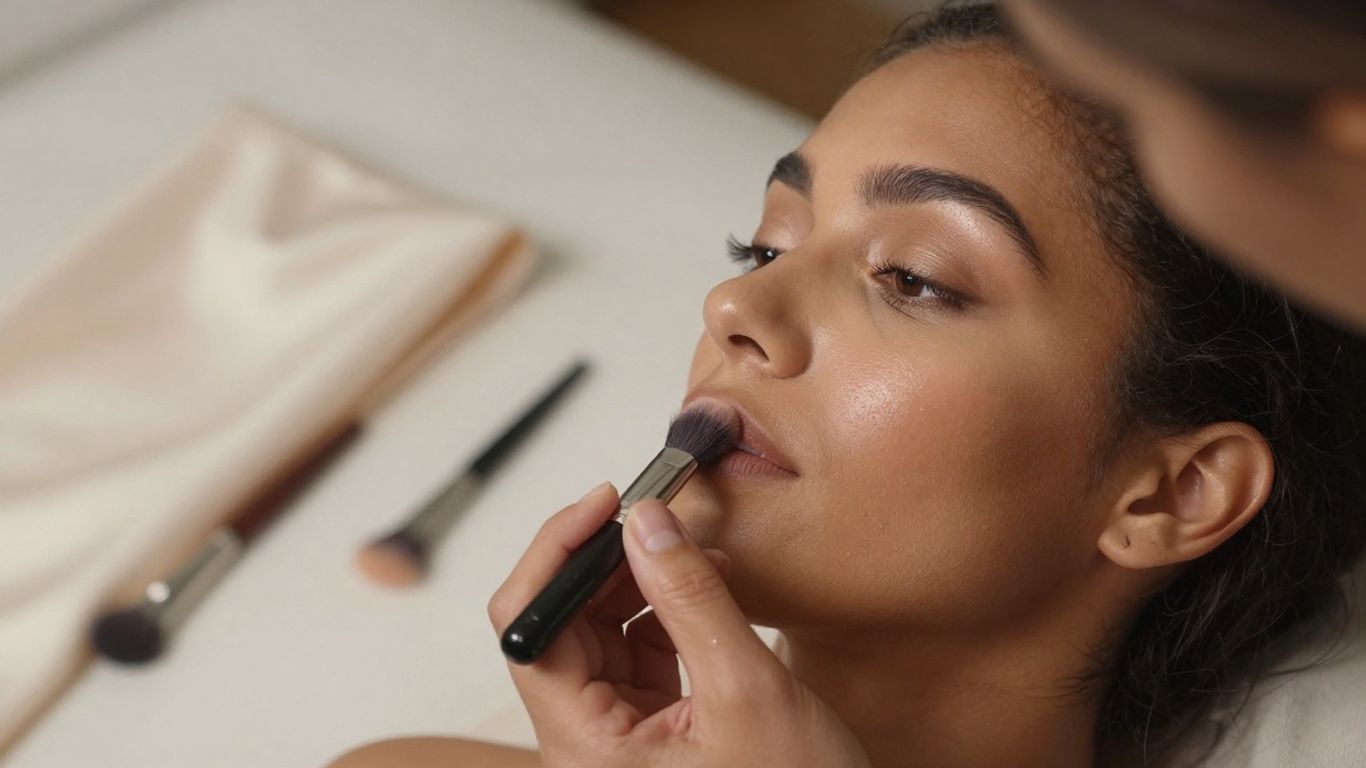
If you are comparing several shades or finishes, label your trial notes by date and lighting. That simple record prevents a last-minute guess and makes it easier to recreate the version you liked.
7. Make Up For Ever HD Skin Foundation for wedding photography
Wedding photography rewards a foundation trial that happens in front of a camera, not only in a bathroom mirror. Make Up For Ever HD Skin Foundation is a relevant option to investigate when wedding photography is the main concern. The photograph should help you judge the whole complexion, including how foundation sits beside blush, concealer, and powder.
Take one image in daylight and another in the kind of indoor light you expect at the venue. Avoid editing the pictures before comparing them. A useful test looks for a continuous tone from face to neck, comfortable texture, and a finish that still feels like your own face.
The phrase high definition can sound more complicated than the process needs to be. Use the trial to answer ordinary questions: Does it crease when you smile? Does it separate around the nose? Does the shade remain harmonious when the rest of the makeup is added? Those answers are more actionable than a product label.
For additional reading, this bridal foundation guide offers another way to think through shade, coverage, finish, and photographs. Use outside advice as a prompt for testing rather than a substitute for seeing the formula on your own skin.
8. Pat McGrath Labs Sublime Perfection Foundation for a lightweight finish
A lightweight finish can be the right choice if you dislike the sensation of a substantial base. Pat McGrath Labs Sublime Perfection Foundation is worth considering in that lighter direction. The prettiest wedding complexion is not necessarily the one with the most product; it is the one you can wear comfortably and confidently.
Use a small amount first, spreading it from the center outward. Give it a moment before deciding whether more is needed, since a fresh application can look different as it settles. Concealer can remain focused on specific areas instead of turning a light base into a full layer across the face.
Ask yourself how you want to feel during the ceremony. If you want to forget you are wearing foundation, prioritize flexibility and comfort during the trial. If you prefer a more perfected appearance, build only where the camera or your own eye actually calls for it.
9. Dior Backstage Face & Body Foundation for buildable, sweat-resistant coverage
Warm weather, crowded dance floors, and an emotional ceremony can all make sweat resistance part of the conversation. Dior Backstage Face & Body Foundation is included for readers looking toward buildable, sweat-resistant coverage. The best test is active enough to reflect the wedding day without creating unnecessary stress.
Wear the trial while walking outside, sitting in a warm room, or moving through a normal afternoon. Check the areas that tend to change first, such as the sides of the nose, upper lip, and forehead. Blot gently rather than rubbing, then see whether the complexion can be refreshed without disturbing the layers beneath.
A buildable base gives you room to adapt. Keep the first pass sheer, add coverage selectively, and reserve powder for places that truly need it. That sequence can help the finish remain more natural while still supporting a busy, warm celebration.
10. Giorgio Armani Luminous Silk Foundation for a radiant bridal look
Radiance can bring warmth and softness to a bridal complexion, especially when the rest of the makeup is kept balanced. Giorgio Armani Luminous Silk Foundation is a natural consideration for someone drawn to a radiant bridal look. Radiance should look intentional rather than oily, so skin preparation and placement of powder deserve as much attention as the foundation itself.
Try the finish beside your planned blush and highlight. If every product reflects light strongly, the complexion may look less even in close photographs. A controlled glow on the high points, paired with a more settled center of the face, often gives you a clearer sense of dimension during the trial.
There is no single correct bridal finish for brown skin. Guides on foundations for deep skin tones, foundation matching for darker complexions, and tested dark-skin foundation choices can help broaden your options, while a wedding foundation checklist can keep the practical details in view. Bring those ideas back to your own shade, skin preferences, and wedding setting.
Conclusion
The best wedding foundation for brown skin is the one that matches your undertone, suits your desired coverage and finish, and remains comfortable through the day you have planned. Give yourself time for a real wear test, take photographs in more than one kind of light, and choose the complexion that lets you feel present rather than preoccupied.
Frequently Asked Questions
How should I match foundation for brown skin?
Test shades along the jaw and compare them in natural light, indoor light, and photographs. Consider both depth and undertone, then allow the formula time to settle before choosing.
Should wedding foundation be matte or radiant?
Either finish can work. Choose based on your skin, the venue, your makeup preferences, and how the finish appears in photographs after several hours.
How early should I test my wedding foundation?
Test it well before the wedding so you have time to compare shades, assess comfort, and adjust your preparation or application method if needed.
How can I prevent foundation from looking ashy?
Start with an accurate undertone match and check the complexion in daylight. Avoid choosing a shade only because its depth looks close in artificial lighting.
Should I use full coverage for wedding photos?
Not necessarily. Coverage should reflect what makes you feel comfortable. A lighter base with targeted concealing can photograph beautifully when the shade and finish are well matched.
How can I check whether foundation will last through the reception?
Wear a trial for several hours while moving normally, then inspect the areas where makeup usually changes. Test blotting and a small touch-up before the wedding day.
What should I bring for wedding-day touch-ups?
Pack a small mirror, blotting material, the complexion product, and a clean tool if needed. Keep the kit compact so it is easy to use between photographs and celebrations.