Key Takeaways
Transitioning to a silk pillowcase is a transformative step for maintaining the health and longevity of textured hair. By reducing friction and preserving essential oils, you can wake up with more defined curls and significantly less damage.
- Silk minimizes structural friction that causes breakage compared to rough cotton fabrics.
- Natural protein-based fibers like mulberry silk help hair shaft moisture retention throughout the night.
- Higher momme weights provide increased durability and a more luxurious feel for daily use.
- Consistent nighttime protection prevents mechanical damage by eliminating knots and tangled ends.
- Investing in proper maintenance methods extends the life of natural silk to maximize value.
Why silk matters for curly hair
Reducing friction to prevent hair breakage
Curly textures have an inherent structure where the cuticle layer is often slightly raised, making it prone to snagging against standard bedding. When you sleep on cotton, the fibers act like fine sandpaper, gradually eroding the hair shaft and causing unnecessary friction. Switching to a smoother surface is one of the most effective ways to preserve your delicate curls while you sleep.
Maintaining natural hair moisture levels
Textured hair struggles to distribute sebum from the scalp to the ends, leaving the mid-lengths and tips naturally dry. Unlike porous cotton that wicks away moisture, natural silk is non-absorbent by nature. This allows your hair to retain its vital oils and conditioners, supporting the hydration goals common in curly hair care routines.
Preventing overnight tangles and knots
When strands glide across a smooth fabric, they remain relatively stationary, which discourages the formation of tight knots. Friction-prone fabrics encourage hair to bunch and twist, leading to stubborn morning tangles. By minimizing this movement, you save time during your morning routine and protect the pattern you worked so hard to define.
Key features to evaluate in a silk pillowcase
Mulberry silk versus synthetic alternatives
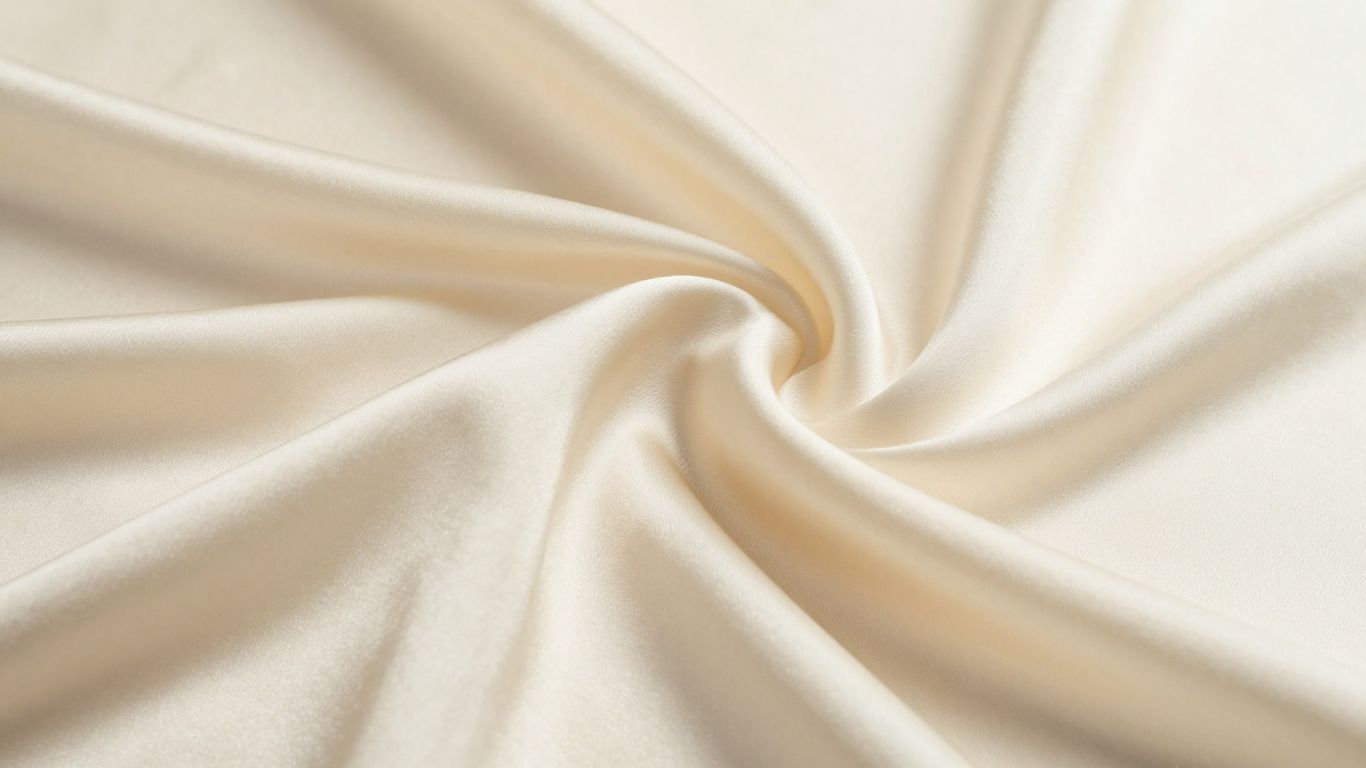
Authentic mulberry silk stands out as the gold standard for hair care because of its long, continuous fibers that result in a seamless surface. While various synthetic fabrics mimic the sheen, they lack the breathability and heat-regulating properties that keep a sleeping environment comfortable. Choosing high-quality materials ensures you get the full benefits for your hair’s overall health.
Understanding momme weight for durability
Momme signifies the density of the silk used in the fabric, much like thread count does for cotton linens. When researching, looking at a comparison chart can help you decide how much density you actually need for your specific sleep habits and longevity expectations.
| Momme Weight | Quality Level | Best Use Case |
|---|---|---|
| 16-19 | Standard | Occasional use, entry-level |
| 22 | Premium | Daily long-term use |
| 25+ | Luxury | Maximum durability and feel |
Selecting a 22 momme weight is often considered the ideal balance between strength and the delicate slip required for curly hair.
Comparing envelope closures and zippered styles
Keeping your pillow securely contained inside the case is essential for a tidy sleep setup. An envelope closure offers a soft, hardware-free edge, while a hidden zipper ensures the pillow stays completely protected from wandering out during the night. For many, a zippered style is the most practical choice for restless sleepers.
Silk versus satin: choosing the right fabric for your routine
Natural silk benefits for delicate hair textures
Silk is a natural protein-based fiber that is inherently hypoallergenic and breathable. Because Fishers Finery offers highly rated options, many users find that natural silk provides a superior slip that synthetic fabrics simply cannot replicate. It feels cooler to the touch, supporting better sleep quality.
Satin as a budget-friendly vegan alternative
Satin refers to a weave rather than a specific material, meaning it can be crafted from polyester or nylon and act as a reliable slip surface. This is a common choice for those seeking a vegan-friendly option that effectively reduces friction without the higher investment of pure silk. It provides a similar protective barrier, helping to prevent tangles for those starting their curly hair journey.
Differences in surface texture and slip
While silk is consistently smooth, lower-quality satin can sometimes feel slightly waxy or show signs of wear faster. It is important to evaluate the quality of the finish, as the most effective protective pillowcase should allow your hair to glide effortlessly without catching on textured weave patterns.
Managing frizz and moisture retention overnight
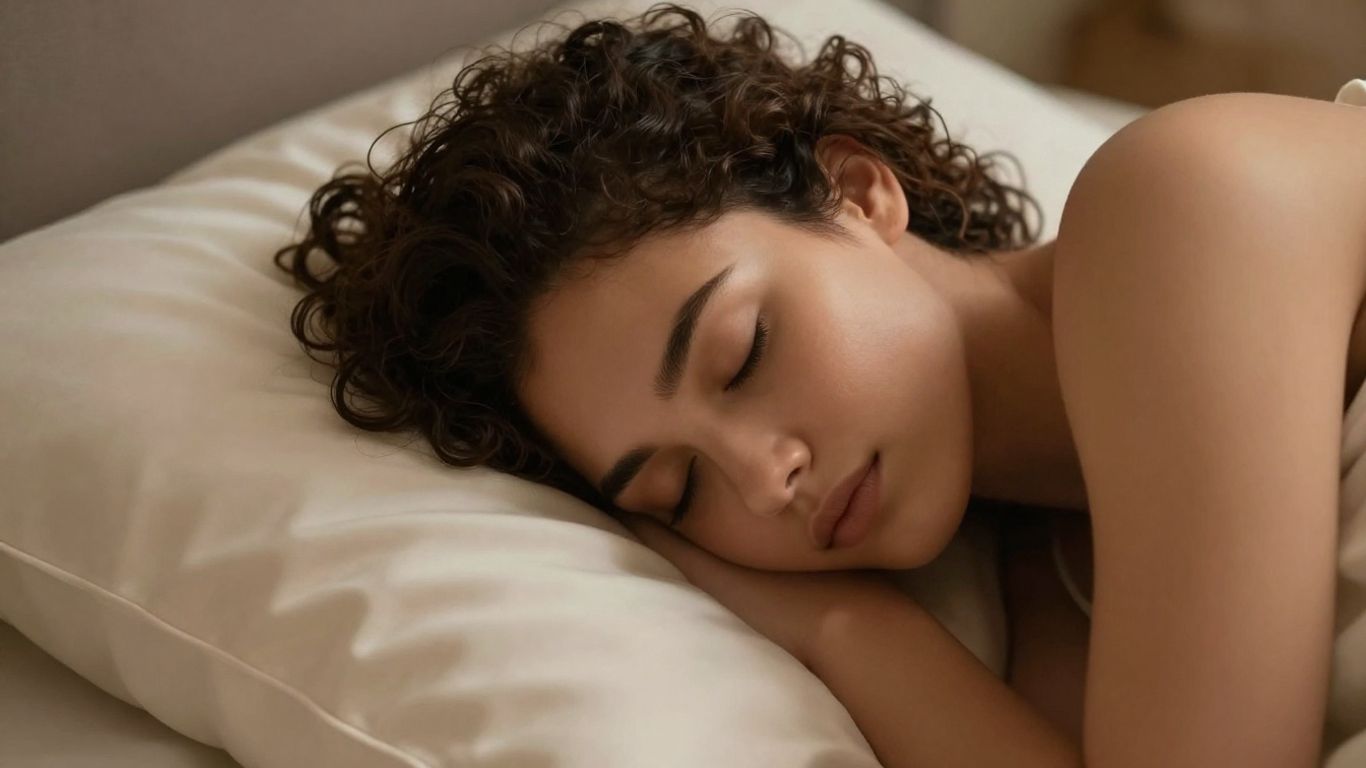
Avoiding cotton pillowcases that absorb hair moisture
Cotton is highly thirsty and will immediately begin soaking up leave-in products and natural oils from your hair the moment it touches the pillow.
- It strips away hydrating ingredients meant to stay in the shaft.
- It leaves hair feeling brittle and prone to breakage by morning.
- It creates an environment where frizz is the default state.
Moving away from cotton is the first meaningful step in your hair care evolution.
Promoting consistent curl patterns for next-day styling
Consistency happens when you maintain the structural integrity of your curls throughout the night. Applying the LCO method alongside a silk pillowcase helps ensure that your curl definition remains intact. This reduces the need for heavy restyling upon waking, which inherently protects your ends from repetitive heat or mechanical damage.
Optimizing sleep temperatures for curly hair health
Maintaining a steady, cool temperature in your bedroom helps prevent overheating, which can lead to scalp sweating and potential moisture loss or unwanted frizz when the air is humid.
By keeping your bedroom environment temperate, you assist your hair’s cuticle in remaining closed and smooth throughout the night, further aiding the overall goal of frizz-free waves and curls.
Proper care and maintenance for long-lasting silk
Hand washing protocols versus delicate machine cycles
To preserve the natural fibers, hand washing in cool water is always the safest route. If you must use a machine, ensure you use a mesh bag and place the setting on the lowest possible spin cycle to keep the material from snagging against the dryer drum or other linens.
Selecting appropriate detergents for natural silk fibers
Standard laundry soaps contain enzymes that can actually break down the proteins in your silk pillowcase, leading to faster deterioration. Always opt for a pH-neutral, silk-specific soap to keep the protein structure healthy. This is especially vital if you use a Blissy high-quality case.
Best practices for air drying to prevent material damage
Never place your silk pillowcase in the mechanical dryer even on the lowest heat setting. Heat is the natural enemy of fine silk, causing it to become brittle over time. Instead, lay it flat on a clean towel and allow it to air dry completely away from direct sunlight, which can cause colors to fade.
How to select the right silk pillowcase for your curls
Recommendations for tight coily hair textures
For tight, coily textures, you need maximum friction reduction because the hair is more prone to dryness. Investing in a high-momme silk case is a smart move, as it offers the most slip possible. You might also want to look into hair porosity assessments to see if your specific texture needs extra moisture-locking products beneath your protective setup.
Balancing material quality with your budget
It is easy to get caught up in high price tags, but focus on the momme weight and silk type first. High-quality silk lasts significantly longer if cared for properly, making it a better value over time. For those mindful of costs, prioritize your budget by selecting a high-quality case rather than buying multiple lower-quality synthetic sets.
Considering the impact of hair products on fabric longevity
Oils and leave-in creams naturally migrate from your hair to your pillowcase. While silk is durable, it is porous enough to soak up heavy styling products over time, which can weigh down the fibers. Frequent, gentle washing based on your specific product usage will ensure the fabric remains smooth and effective for years to come.
Conclusion
Selecting the best silk pillowcase for curly hair is about more than just comfort; it is a foundational investment in your hair’s long-term health and growth. By prioritizing natural, high-momme silk and maintaining your gear with gentle wash protocols, you create an ideal environment that protects your unique curl pattern, preserves moisture, and saves your morning routine from the exhaustion of excessive detangling.
Frequently Asked Questions
Does a silk pillowcase actually work for all curl types?
Yes, the friction-reducing properties of silk work across the spectrum from loose waves to tight coils, as all textures benefit from a smoother surface that prevents structural damage and moisture loss.
Should I use a silk bonnet and a silk pillowcase together?
While they can be used together for extra protection, many find that a high-quality silk pillowcase is sufficient on its own, especially if the bonnet feels too restrictive or uncomfortable during the night.
Can I wash my silk pillowcase with other items?
It is highly recommended to wash your silk pillowcase separately or inside a protective mesh bag to prevent it from catching on zippers or rougher cotton items that could cause snags or pills.
How often should I replace my silk pillowcase?
With proper care, a high-quality 22 momme silk pillowcase can last for many months of daily use, though you should look for signs of thinning or fabric degradation that suggest it is time for a replacement.
Does silk improve hair shine?
By minimizing the friction that lifts the cuticle of each hair strand, silk allows the hair to remain smoother, which directly results in increased shine and reduced overall frizz.
Will silk help with sleep creases on my face?
While the primary focus is on hair, the gentle nature of natural silk is also renowned for being kinder to your skin than textured fabrics, potentially reducing the formation of sleep-related creases.
Is there a specific color of silk that is better for hair?
There is no evidence that fabric color impacts the health of your hair, so you can choose any aesthetic that suits your bedroom decor without worrying about your curls.