Key Takeaways
Neutral and olive complexions can wear a surprisingly broad blush palette, especially when the finish and depth are chosen with care.
- Peach, apricot, and coral shades add lively warmth.
- Dusty rose, mauve, and rosy beige create a softer flush.
- Terracotta, cinnamon, and caramel suit deeper olive complexions.
- Cream formulas give a skin-like finish, while powders add polish.
- Build color slowly and check the result in natural light.
1. Muted peach cream blush for a fresh, natural flush
Muted peach is one of the easiest places to begin if your skin looks balanced between pink and golden. It brings a little warmth to olive tones without making the complexion look orange. In a cream formula, the shade tends to melt into the skin rather than sit visibly on top.
Choose a peach that looks slightly softened instead of neon-bright. A beige or apricot base can make it especially flattering on light to medium skin, while a richer peach gives medium and deep complexions enough contrast. The goal is a gentle lift, not a stripe of color.
Tap a small amount onto the high point of the cheek and blend toward the temples. Cream blush usually looks most natural over lightly moisturized skin, but it can also be pressed over a thin base. A sheer first layer makes it easier to add intensity without losing that fresh finish.
2. Rosy beige powder blush for neutral undertones
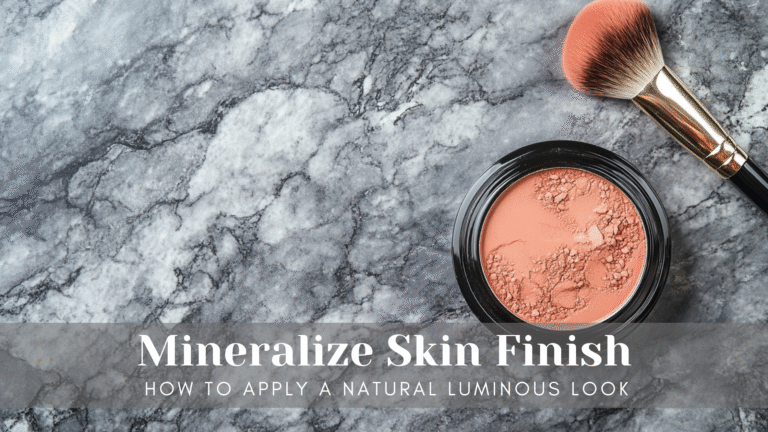
Rosy beige is quiet, balanced, and remarkably wearable. It gives neutral skin a healthy tint without pulling strongly pink or strongly yellow, which makes it a useful everyday choice. Powder adds a softly finished look and can be adjusted from barely there to more defined.
Look for a shade with enough rose to prevent dullness and enough beige to keep it grounded. If the color disappears immediately, it may be too close to your skin depth; if it looks gray, try a warmer version. Testing blush near a window is more revealing than judging it under bright store lighting.
For a smooth result, swirl a fluffy brush into the powder, tap off excess, and place it slightly above the apples of the cheeks. This placement keeps the face looking lifted while still retaining softness. People who enjoy understanding undertones may also appreciate this neutral undertone guide when choosing a coordinated base.
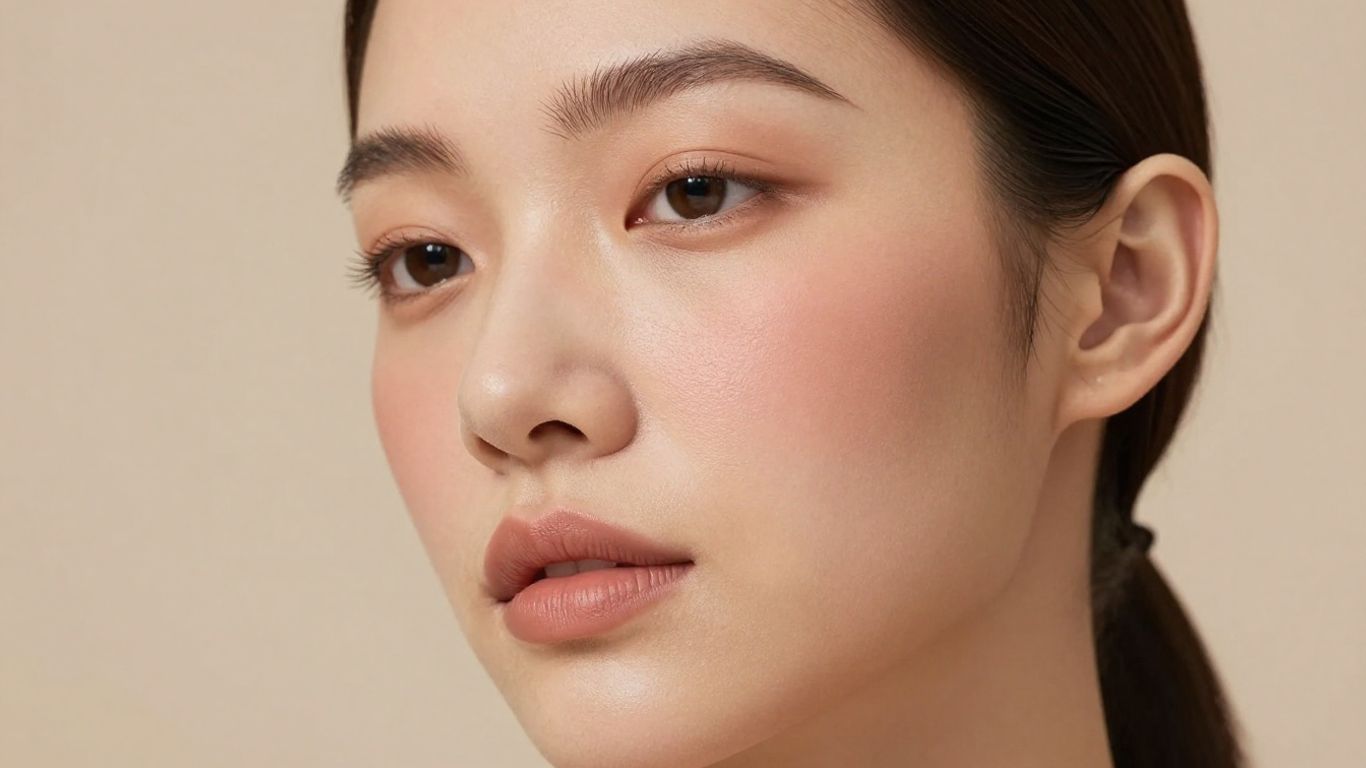
3. Soft terracotta cream blush to warm olive skin
Soft terracotta works beautifully when olive skin leans golden or seems muted beside very pink shades. Its earthy warmth brings dimension to the face, and a cream texture keeps the result from becoming too flat. Think clay, cinnamon, and sun-warmed peach rather than bright orange.
On fair or light olive skin, choose a diluted terracotta and use a very small amount. Medium olive complexions can usually handle a fuller wash, while deep olive skin often benefits from a richer terracotta with more red or brown in the mix. The same color can look entirely different depending on depth.
Warm the product between your fingertips or use a compact brush before pressing it into the cheek. Blend the edges carefully around the nose and toward the hairline so the color appears to come from within the skin. If your complexion changes seasonally, keep the application light in winter and build more warmth in summer.
4. Dusty rose powder blush for an everyday look
Dusty rose is a dependable middle ground for neutral olive skin. It has enough muted pink to look fresh but enough beige or brown to avoid turning chalky. The powder format makes it particularly convenient for a quick morning routine or for touching up later.
Choose a rose that is slightly deeper than your natural cheek color, rather than an icy pastel. Olive undertones can make very cool pinks appear disconnected, while a softened rose blends more naturally into the complexion. A satin or softly matte finish is usually easier to wear every day than heavy shimmer.
Apply it with a loose brush, concentrating color on the outer half of the cheek and diffusing inward. One light pass keeps the shade polished; a second pass adds definition for evening. Dusty rose also pairs easily with neutral eyeshadow and muted berry or rose-brown lip colors.
5. Apricot blush for brighter, sun-kissed color
Apricot is brighter than muted peach, but it still has a golden softness that complements many olive complexions. It can make the face look more awake, especially when the rest of the makeup is simple. The shade is lively without requiring a full, dramatic look.
On light skin, seek an apricot with a milky or beige base so it does not overwhelm the face. Medium and deep skin tones can explore clearer, more saturated apricots, including shades with a hint of orange-red. A cream or liquid formula will give the color a more skin-like transparency.
Place the blush across the cheeks and slightly over the bridge of the nose if you like a sun-touched effect. Keep the layer thin and add color only where needed. For a broader complexion routine, Mixed Nature’s golden undertone makeup tips offer a useful way to coordinate warm blush with the rest of the face.
6. Mauve cream blush for neutral olive complexions
Mauve can be an excellent answer when pink blushes look too sweet and brown blushes look too heavy. A neutral mauve has a subtle balance of rose, plum, and beige that sits comfortably against olive skin. In a cream formula, it leaves a softly blurred flush rather than a powdery veil.
For lighter complexions, choose a pale mauve with a little warmth. Medium and deep olive skin can wear a deeper mauve, especially one with berry or terracotta undertones. If a mauve looks purple on the skin, sheer it out or switch to a version with more brown in its base.
Use a fingertip to tap the color onto the center of the cheek, then soften the perimeter with a clean sponge or brush. This technique preserves the color while keeping the edges hazy. It is also a lovely shade family for anyone who prefers makeup that feels understated but still considered.
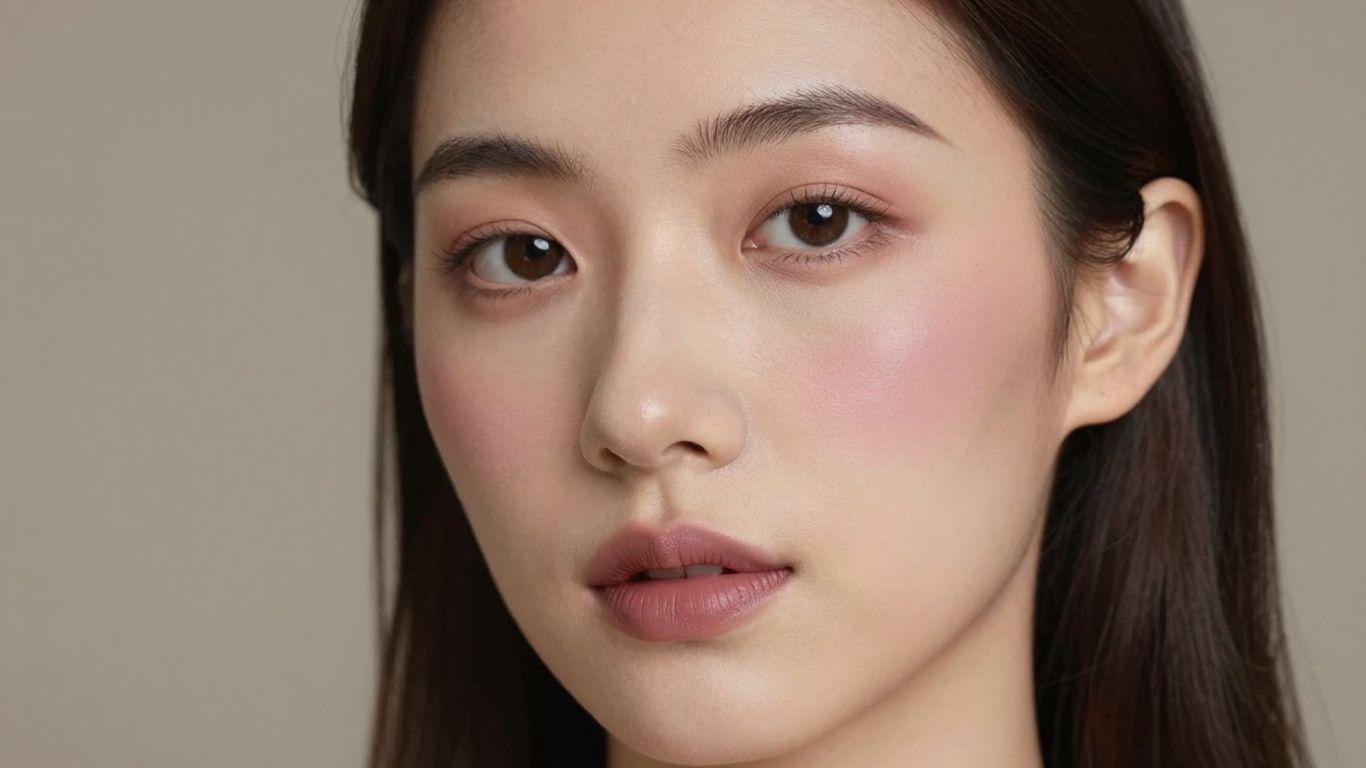
7. Cinnamon and caramel blush shades for deeper olive skin
Cinnamon and caramel shades offer warmth and depth without relying on a stark red or pink contrast. They are especially appealing on medium-deep to deep olive complexions, where pale blush can look ashy or simply vanish. A cream-to-powder texture can make these earthy shades especially easy to layer.
The right cinnamon may have red, orange, or brown undertones, so consider the overall balance of your skin before choosing. Caramel works well when you want a softer sculpting effect, while cinnamon creates a more visible flush. Both can be adapted by changing the amount applied.
A quick comparison helps narrow the choice when several shades look promising:
| Shade family | Visual effect | Best starting approach |
|---|---|---|
| Cinnamon | Warm, earthy flush | Use a small amount and build |
| Caramel | Soft, bronzed dimension | Sweep lightly along the cheek |
| Red-brown | Richer contrast | Tap onto the high points |
| Terracotta | Sun-warmed color | Blend outward for diffusion |
After applying, step back from the mirror rather than inspecting only one cheek up close. Deeper shades often look more seamless once they are balanced with the eyes and lips. If you are also matching complexion products, a guide to olive undertone skincare can help you think about the tones and finish that suit your skin overall.
8. Berry powder blush for contrast and definition
Berry blush brings crisp contrast to olive skin, making the cheeks look sculpted and lively with very little product. It is not limited to dramatic makeup; a sheer berry powder can look surprisingly natural when applied with a light hand. The key is choosing the depth and opacity thoughtfully.
Fair skin usually benefits from a softened raspberry or berry-rose, while medium and deep skin can explore plum-berry and wine tones. Very blue berries may look stark against warm olive undertones, so shades with red or brown warmth are often easier to blend. A satin powder keeps the color dimensional without making texture too obvious.
For controlled application, keep these small adjustments in mind:
- Use a clean, fluffy brush for a translucent first layer.
- Tap off excess powder before it reaches the cheek.
- Place the deepest color near the outer cheekbone.
- Soften the inner edge with whatever remains on the brush.
That sequence lets the berry shade add definition without becoming a hard circle of pigment. If the finish still feels intense, sweep a little translucent face powder over the edges instead of wiping away the whole application. Mixed Nature’s natural blush ideas can also be useful if you prefer a more ingredient-conscious makeup routine.
9. Burnt coral blush for warm olive undertones
Burnt coral has the brightness of coral with a smoky, earthy base. It is particularly flattering on warm olive skin because it echoes golden undertones while adding enough red to keep the face from looking flat. Compared with a clear coral, it feels more grown-up and adaptable.
Light olive skin can wear a sheer wash of burnt coral, especially in a cream or satin formula. Medium and deep olive skin can take on more saturation, including shades that lean toward rust. If the color feels too orange, balance it with a slightly cooler lip or a neutral eye.
Apply it high on the cheeks and blend back toward the temples for a softly sun-warmed shape. Avoid dragging too much product toward the center of the face, where strong coral can compete with the nose and under-eye area. The best result is warm, diffused, and a little imperfect in a natural way.
10. Plum and raisin blush for a polished evening look
Plum and raisin shades create a refined evening flush with more depth than mauve or dusty rose. They can make olive skin look luminous rather than washed out, particularly under warm indoor lighting. Powder formulas are easy to layer, while a thin cream base can make the color look richer and more dimensional.
A soft raisin is a graceful choice for medium olive skin, and deeper plum works beautifully on deep olive complexions. On lighter skin, use a brush with loose bristles and pick up very little pigment. The shade should appear as a veil of color, not as a dense patch.
Pair the blush with softly defined eyes and a lip in a related rose-brown family. Pressing the brush onto the back of your hand first removes excess and makes the first application forgiving. For another perspective on blush choices across olive tones, this olive blush guide can help you compare warm, muted, and deeper color families.
Conclusion
The best blush for neutral olive skin is less about finding one universal shade than finding the right balance of depth, warmth, texture, and placement. Start with a thin layer, assess the color in natural light, and let your own undertone guide the final choice.
Frequently Asked Questions
What blush colors suit neutral olive skin best?
Muted peach, rosy beige, dusty rose, mauve, terracotta, apricot, berry, and soft coral are all useful starting points. The most flattering choice depends on your skin depth and whether your olive undertone leans warmer or cooler.
Is cream or powder blush better for olive skin?
Neither is universally better. Cream usually gives a fresh, skin-like finish, while powder offers more control and a softly polished look; both can work well when the shade is balanced.
Can olive skin wear pink blush?
Yes. Choose softened pinks such as dusty rose, rose-beige, mauve, or berry-rose instead of very icy pastels if cool shades tend to look stark on you.
Which blush is best for deeper olive skin?
Deeper olive skin can often carry cinnamon, caramel, terracotta, burnt coral, berry, plum, and raisin shades beautifully. Select enough pigment to create visible contrast, then build gradually.
How can I stop blush from looking orange?
Try a more muted peach, rose, mauve, or brown-balanced coral. Applying less product and checking the color in daylight can also prevent warmth from becoming overpowering.
Where should blush be placed for a lifted look?
Place most of the color on the upper outer cheek and blend toward the temples. A small amount can be softened toward the apples, but keeping the strongest pigment higher usually creates a more lifted effect.
How do I choose blush for changing seasons?
Use lighter, sheerer shades when your skin is paler and richer or warmer shades when your complexion deepens. You can also keep the same color and change the amount applied or the formula finish.