Lots of people think hair loss is just a guy thing, but that’s really not the case. Millions of women deal with thinning hair or bald spots at some point in their lives. It can be pretty upsetting, and honestly, it’s something many of us don’t talk about much. This article is going to break down the facts and figures about hair loss statistics for women, covering everything from why it happens to what people are doing about it. We’ll look at the numbers, the causes, and how it affects us.
Key Takeaways
- Around 33% of women will experience some form of hair loss during their lifetime.
- Androgenetic alopecia, or female pattern baldness, is the most common type of hair loss in women.
- Factors like stress, nutritional deficiencies, and hormonal changes, especially after menopause, can significantly impact hair health in women.
- The global market for hair loss products is substantial, with women showing a willingness to invest in treatments.
- Hair loss can have a significant emotional and psychological impact on women, affecting self-esteem and relationships, but celebrity openness is helping to reduce stigma.
Prevalence Of Hair Loss In Women
It’s a topic that many women don’t talk about openly, but hair loss is surprisingly common. You might think it’s mostly a guy thing, but that’s just not the case. Millions of women experience some form of hair thinning or loss during their lives. It can be a really personal and sometimes isolating experience, which is why understanding the numbers can help make it feel less like you’re alone in this.
Lifetime Hair Loss Statistics For Women
So, how many of us are actually dealing with this? While men might be more prone to noticeable bald spots, women often experience a more diffuse thinning. It’s estimated that up to 50% of women will experience some hair loss in their lifetime. That’s a huge number, right? It means that if you’re noticing more hair in your brush or shower drain, you’re definitely not the only one. This can happen at different stages of life, too, not just as we get older.
Common Causes Of Hair Loss In Women
Why does it happen? Well, there are a bunch of reasons. Genetics plays a big role, of course, but it’s not the only factor. Hormonal changes are a major player for women – think pregnancy, childbirth, menopause, or even just stopping birth control. Stress, whether it’s from work, family, or life in general, can also trigger shedding. Then there are nutritional deficiencies; not getting enough iron or certain vitamins can really impact your hair health. Sometimes, it’s even a side effect of medications or underlying health conditions like thyroid issues. It’s a complex web, for sure.
Age-Related Hair Thinning In Women
As we age, it’s pretty normal for our hair to get a bit thinner. It’s just a natural part of getting older, kind of like how our skin changes. This age-related thinning, often a form of androgenetic alopecia, can start subtly. You might notice your ponytail isn’t as full as it used to be, or your part seems wider. While it’s a natural process, it doesn’t mean you have to just accept it if it bothers you. There are ways to manage it and keep your hair looking its best for longer. Understanding these statistics helps put things into perspective and shows that seeking solutions is a common and valid pursuit.
Understanding Different Types Of Female Hair Loss
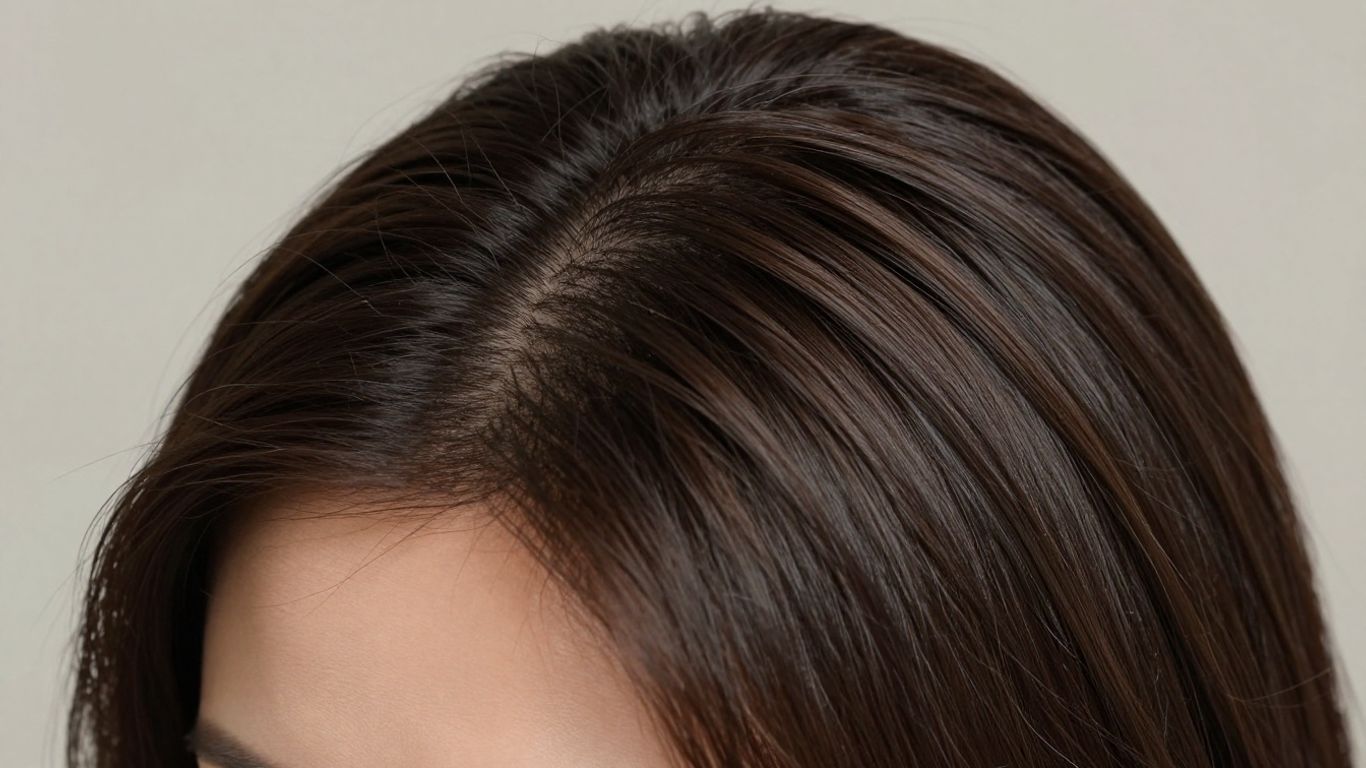
It can be really unsettling when your hair starts to thin or fall out, and it’s even more confusing when you don’t know why. There are actually several distinct types of hair loss that affect women, and knowing the difference can help you figure out what’s going on and what you might be able to do about it. It’s not just one big category of ‘hair loss’; it’s more nuanced than that.
Androgenetic Alopecia In Women
This is probably the one you’ve heard of most often, sometimes called female pattern hair loss. It’s genetic, meaning it runs in families, and it’s super common. Unlike male pattern baldness, which often creates a receding hairline or a bald spot on top, women usually experience a general thinning all over their scalp. The hair might get finer, and the part might start to look wider. It’s estimated that by age 50, about 40% of women will experience some degree of this type of hair loss. It can start anytime after puberty, but it tends to become more noticeable as women get older, especially around menopause. While it’s hereditary, it’s not always a straightforward inheritance pattern. It’s a slow process, so noticing subtle changes early is key.
Telogen Effluvium In Women
Telogen effluvium, or TE, is different. Instead of a genetic predisposition, it’s usually triggered by a significant event or stressor in your life. Think of it like your hair follicles hitting a pause button all at once. A major surgery, giving birth, a high fever, starting or stopping certain medications, or even a period of intense emotional stress can push a larger-than-usual number of hairs into the resting phase (telogen). A few months later, all those hairs shed at once, leading to noticeable thinning. The good news is that TE is typically temporary. Once the trigger is removed or your body recovers, your hair usually starts to grow back. It’s a common reason for women to seek help for hair loss, often linked to hormonal shifts like those during pregnancy and postpartum.
Cicatricial Alopecia And Frontal Fibrosing Alopecia
These types of hair loss are a bit more serious because they involve scarring. Cicatricial alopecia, or scarring alopecia, means the hair follicle is damaged and replaced by scar tissue, so hair can’t grow back there. Frontal fibrosing alopecia (FFA) is a specific type of scarring alopecia that often affects the hairline, causing it to recede. It’s more common in post-menopausal women and can also affect the eyebrows. Other forms of cicatricial alopecia, like lichen planopilaris, can cause patchy hair loss and inflammation around the follicles. Early diagnosis and treatment are really important for these conditions to try and stop further loss, though regrowth isn’t usually possible in the scarred areas.
Hair Loss Statistics By Demographics
It’s easy to think of hair loss as a universal problem, but the reality is that its prevalence and patterns can shift quite a bit depending on where you are in the world and your background. Understanding these differences helps paint a clearer picture of who is affected and how.
Global Hair Loss Data
Hair loss isn’t confined to any one region; it’s a global phenomenon. However, the numbers can be quite striking when you look at different countries. For instance, in China, it’s estimated that about 250 million people, or roughly one in six individuals, experience hair loss. India also sees high numbers, with nearly 63% of men between the ages of 21 and 61 reporting some form of hair loss. Even in the UK, millions are affected, with around 8 million women and 6.5 million men dealing with thinning hair or baldness. These figures show that while the experience is personal, it’s a shared concern across diverse populations.
Hair Loss Trends Across Different Ethnicities
Genetics play a significant role in hair loss, and this often ties into ethnic background. Androgenetic alopecia (AGA), the most common type of hereditary hair loss, tends to be more prevalent in certain groups. While it affects people of all ethnicities, research suggests it’s most commonly seen in those of Caucasian, Asian, African, Native American, and Eskimo heritage, in that order. This doesn’t mean other groups are immune, but these trends highlight the genetic predispositions that can influence hair loss patterns. It’s important to remember that while genetics are a factor, they aren’t the only story when it comes to hair health.
The way hair loss manifests can also differ. For example, female pattern hair loss often appears as a more diffuse thinning across the scalp, whereas male pattern baldness typically starts with receding hairlines and thinning at the crown. These distinct patterns are influenced by hormonal differences and genetic factors.
The Impact Of Lifestyle On Female Hair Loss
It’s easy to think of hair loss as something that just happens, maybe due to genetics or age. But what we do every day, our lifestyle choices, can play a surprisingly big role. It’s not just about what products we use, but how we live.
Smoking And Hair Loss
We all know smoking isn’t great for our health, and it turns out, it’s not great for our hair either. The chemicals in cigarettes can mess with blood flow, including to your scalp. Less blood flow means less oxygen and fewer nutrients reaching your hair follicles. Over time, this can weaken them and contribute to thinning. It’s one of those habits that might seem unrelated, but it adds up.
Nutritional Deficiencies And Hair Health
What you eat directly impacts your hair. If your diet is missing key vitamins and minerals, your hair might show it. Think about iron, vitamin D, and protein – these are super important for strong, healthy hair. A lack of these can lead to shedding. It’s not just about eating something, but eating the right things to support hair growth. Sometimes, even with a decent diet, certain nutrients might be hard to absorb, leading to deficiencies that affect your hair.
Stress As A Trigger For Hair Shedding
Life gets hectic, and stress is a common part of it. But when stress levels get really high, it can actually trigger a type of hair loss called telogen effluvium. This is when a significant number of hairs shift into the resting phase all at once, leading to noticeable shedding a few months later. It’s like your body’s way of saying, ‘Whoa, too much going on!’ Managing stress, whether through exercise, mindfulness, or just taking breaks, can really help your hair bounce back. It’s a tough cycle to break when the stress causes hair loss, which then causes more stress, but recognizing the connection is the first step. Dealing with stress is key for overall well-being, including your hair.
Our daily routines and habits, from what we eat to how we cope with stress, have a direct line to our hair’s health. It’s a reminder that taking care of ourselves holistically often shows up in visible ways, like healthier, fuller hair.
Treatments And Spending On Hair Loss Solutions
When it comes to dealing with hair loss, it’s not just about finding a fix; it’s also about understanding the market and what people are willing to invest. The global market for hair loss products is pretty substantial, with projections showing it could reach over $16 billion by 2030. That’s a lot of shampoo, treatments, and consultations!
Market Size For Hair Loss Products
It’s clear that hair loss is a big concern worldwide. In the US alone, millions of people are using hair growth products. And it’s not just here; sales are booming in places like China, with hair loss shampoos seeing huge increases. This shows a widespread demand for solutions.
Consumer Willingness To Spend On Treatments
Women, in particular, seem ready to open their wallets to get their hair back. Research indicates that women in the United States are willing to spend a significant amount, even up to $5,000, on effective hair loss treatments. Interestingly, women are also more open to considering hair transplantation than men, though fewer women are typically candidates for this procedure. This willingness to spend highlights how much hair health impacts confidence and well-being.
Common Hair Loss Treatments For Women
So, what are people actually using? The most common approach often starts with over-the-counter or prescription medications. Think of things like Minoxidil, which you might know as Rogaine. There are quite a few options available on the market. Beyond topical treatments, other solutions exist, ranging from specialized shampoos to more involved procedures. The most effective hair-loss treatment is determined by its underlying cause.
Here’s a quick look at some common avenues:
- Medications: Topical solutions and oral prescriptions are often the first line of defense.
- Therapies: Low-level laser therapy and platelet-rich plasma (PRP) treatments are gaining traction.
- Surgical Options: Hair transplantation is an option for some, though it’s more complex for women.
- Cosmetic Solutions: Wigs, hairpieces, and scalp micropigmentation offer immediate aesthetic results.
It’s important to remember that not all hair loss is permanent. Many conditions can be treated, and with the right approach, you can see improvement. Finding the right treatment often involves a bit of trial and error, and sometimes, professional guidance is key.
For those looking for more information on specific interventions, exploring various medical procedures can provide a clearer picture of what’s available. It’s also reassuring to know that effective treatments exist for certain types of hair loss, offering hope for reversal or slowing down the condition.
Psychological Effects Of Hair Loss On Women
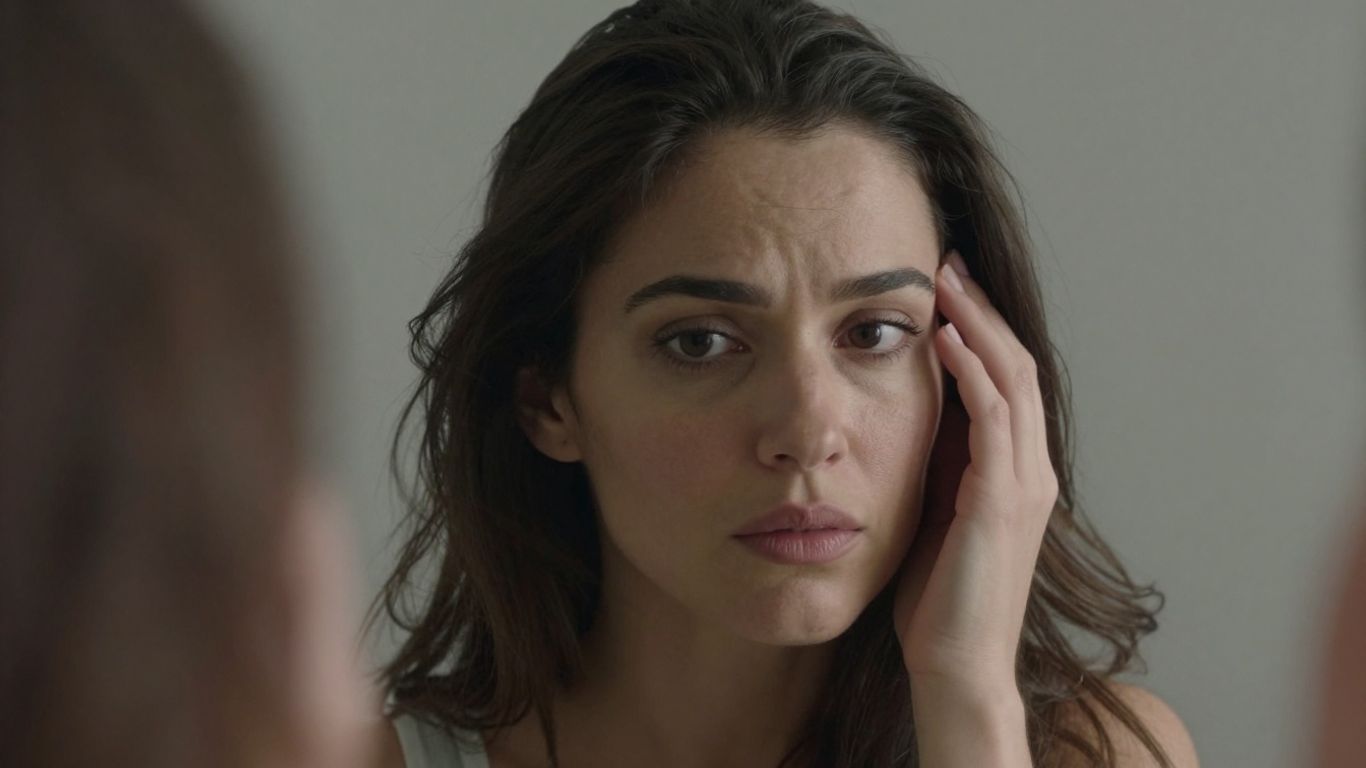
Losing hair can be a really tough experience for anyone, but for women, it often comes with a heavy emotional toll. It’s not just about how you look; it can really mess with your head. Many women report feeling a significant drop in their self-esteem and confidence when they start noticing thinning or loss. This can lead to feelings of shame and anxiety, making everyday social interactions feel like a big challenge. It’s a deeply personal issue, and the isolation it can bring is often overlooked.
Mental Health And Hair Loss
The connection between hair loss and mental health is a two-way street. On one hand, conditions like anxiety and depression can sometimes trigger or worsen hair loss. On the other hand, experiencing hair loss can absolutely lead to or exacerbate these mental health issues. Studies show that a significant number of women experiencing hair loss also show signs of depression. This creates a difficult cycle where the physical symptom impacts mental well-being, which in turn can affect the physical symptom.
Impact On Self-Esteem And Relationships
When your hair starts to change, it can feel like a part of your identity is slipping away. This can lead to a noticeable dip in self-esteem. Women might avoid social events, feel self-conscious at work, or even withdraw from friends and family. The fear of judgment can be overwhelming. It’s not uncommon for women to feel less attractive or feminine, which can strain relationships and make forming new connections feel daunting. The emotional burden of hair loss is often underestimated.
Celebrity Experiences And Reducing Stigma
It’s becoming more common for public figures to share their own struggles with hair loss, which is a really positive step. When celebrities talk openly about their experiences, it helps to break down the stigma surrounding the issue. Seeing someone you admire go through something similar can make you feel less alone and more understood. It normalizes the conversation and encourages others to seek support without feeling embarrassed. These personal stories can be incredibly validating and help chip away at the shame associated with hair loss, making it easier for everyday women to discuss their own journeys and find resources. For instance, seeing public figures discuss their hair loss can be a step towards greater acceptance of hair loss.
The emotional impact of hair loss is profound, affecting not just appearance but also a woman’s sense of self and her interactions with the world. It’s a complex issue that requires empathy and understanding, recognizing that the psychological distress can be as significant as the physical changes.
Wrapping Up: What We’ve Learned About Women’s Hair Loss
So, we’ve gone over a lot of numbers and facts about hair loss in women. It’s pretty clear that it’s a common thing, affecting a good chunk of us at different points in our lives, whether it’s from genetics, stress, or just getting older. It’s not just a cosmetic issue either; it can really mess with how we feel about ourselves. But knowing the statistics and understanding the different types of hair loss, like TE or AGA, can make it feel less scary. Plus, there are more options out there now for treatment and management than ever before. It’s good to remember you’re definitely not alone in this.
Frequently Asked Questions
How much hair fall is normal each day?
It’s perfectly normal to lose about 50 to 150 hairs daily. Our scalps have over 100,000 hair follicles, so this usual shedding doesn’t really change how our hair looks overall. But, if you notice your hair getting thinner or looking patchy, you might be experiencing hair loss.
Is hair loss only passed down from my mom’s side of the family?
No, hair loss isn’t just inherited from your mother’s side. Genes from both parents play a role in how likely you are to experience hair loss.
How common is hair loss for women after they go through menopause?
Hair loss after menopause is quite common. About two out of every three women notice some thinning or hair loss during this time.
When does hair loss after giving birth usually start?
Hair loss that happens after having a baby, often called postpartum hair loss, typically begins around three months after the baby is born.
Can stress really cause hair to fall out?
Yes, significant stress can definitely trigger hair shedding. Big life events or ongoing worry can push many hair follicles into a resting phase all at once, leading to noticeable hair loss. The good news is that hair often grows back once the stress is managed or reduced.
Are there specific times of year when hair loss is more common?
Hair loss can sometimes seem more common in the fall and spring. This is often due to changes in weather like temperature, humidity, and sun exposure, and it’s a normal part of your hair’s growth cycle, sometimes called seasonal shedding.