The way people approach hair care is changing, and it’s happening fast. For anyone watching the natural hair products market, it’s clear that 2026 and beyond will bring some big shifts. We’re not just talking about what’s in the bottle anymore; it’s about how products make us feel, where they come from, and if they actually work for our unique hair. Let’s take a look at what’s driving these changes and what we can expect.
Key Takeaways
- Consumers are increasingly looking for hair products that support overall well-being, not just appearance, treating hair and scalp health as part of a bigger picture.
- Scents are becoming a major selling point, turning daily hair routines into more enjoyable, sensory experiences that boost mood.
- Transparency is key; people want to know exactly what’s in their products and where ingredients come from, pushing brands towards cleaner and more ethical practices.
- Sustainability is no longer a niche concern, with a growing demand for eco-friendly packaging, waterless formulas, and cruelty-free options.
- Personalization is on the rise, with technology and data helping to create tailored product recommendations and solutions for specific hair types and concerns.
The Evolving Landscape of Natural Hair Products
The world of hair care is really changing, and it’s not just about what products we use, but how we think about our hair and scalp. It feels like we’re moving beyond just washing and conditioning to a more complete approach to hair health. This shift is driven by a deeper understanding of how our hair connects to our overall well-being.
The Rise of Holistic Hair and Scalp Health
It’s becoming super clear that a healthy scalp is the foundation for healthy hair. People are realizing that focusing just on the strands isn’t enough. We’re seeing a big push towards treating the scalp like skin – think cleansing, exfoliating, and moisturizing it just as carefully. This means more products are coming out that are specifically designed for scalp care, addressing issues like dryness, irritation, and even promoting better hair growth from the root. It’s like tending to a garden; you need good soil for the plants to thrive.
Ingredient Transparency and Clean Beauty Demands
Consumers are way more informed now. They’re not just grabbing anything off the shelf. People are actually looking at ingredient lists and want to know exactly what they’re putting on their hair and scalp. This has really pushed brands to be more upfront about what’s in their products. The demand for clean beauty is huge, meaning fewer synthetic chemicals and more natural, recognizable ingredients. It’s about feeling good about the products you use, not just because they work, but because they’re made responsibly.
The Growing Influence of K-Beauty Principles
Korean beauty, or K-Beauty, has definitely made its mark, and its influence is still growing. The K-Beauty philosophy often emphasizes a multi-step routine and a focus on achieving healthy, glowing skin – and this is translating into hair care. Think about the idea of building a strong skin barrier; that concept is now being applied to the scalp. It’s about long-term hair health and achieving that natural, healthy shine, rather than just a quick fix. This approach often involves gentle yet effective ingredients and a commitment to consistent care. This focus on hair longevity is a big part of the K-Beauty influence.
The beauty industry is seeing a major shift towards viewing hair care as an extension of overall wellness. This means consumers are looking for products that not only improve the appearance of their hair but also contribute to the health of their scalp and, by extension, their general well-being. Brands that embrace this holistic perspective are likely to connect more deeply with today’s consumers.
Key Growth Drivers in the Natural Hair Products Market
Sensory Experiences and Fragrance Innovation
Forget just clean ingredients for a second; people are really starting to care about how their hair products feel and smell. It’s like the beauty industry realized that washing your hair shouldn’t just be a chore, it should be a little moment of luxury. Think about it – a really nice scent can totally change your mood, right? It’s no surprise that fragrance is a huge reason why people pick up certain beauty items. Brands are catching on and partnering with perfume makers or creating their own signature smells for shampoos and conditioners. It’s about making that daily routine feel special, almost like a mini-spa experience at home. This push for better scents is a big part of why the haircare market is poised for significant growth.
Personalization Through Technology and Data
We’re moving past one-size-fits-all solutions. Now, companies are using tech to figure out exactly what your hair needs. Imagine apps that can analyze your hair and scalp, then suggest products or routines just for you. It’s like having a personal hair consultant in your pocket. This data-driven approach means products are becoming more effective because they’re tailored to individual concerns, whether that’s dryness, frizz, or thinning. It’s a smart way to make sure you’re not wasting money on stuff that doesn’t work for your specific hair type.
Value Proposition Beyond Price Point
People are getting smarter about where they spend their money, especially with everything going on. It’s not just about the cheapest option anymore. Consumers want to know they’re getting real bang for their buck. This means brands need to offer more than just a low price. They’re looking at things like waterless formulas, which are good for the planet and can be a good value, or products that really target specific hair issues effectively. The idea is that a product is worth more if it truly solves a problem or offers a unique benefit, not just because it’s inexpensive. This focus on quality and purpose is driving a lot of innovation in the natural hair care products market.
Sustainability and Ethical Considerations
It’s not just about what’s in the bottle anymore; it’s about the whole story behind it. Consumers in 2026 are really paying attention to how products are made and what impact they have. This means brands need to be upfront about their practices.
Eco-Conscious Packaging and Formulas
Think less plastic, more planet-friendly materials. We’re seeing a big push for packaging that can be reused, refilled, or is easily biodegradable. It’s not just about looking green; it’s about actually being green. Formulas are also getting a makeover, with a focus on ingredients that are kind to both your hair and the environment. This includes using fewer harsh chemicals and opting for more natural or sustainably sourced components.
- Refillable options are becoming standard.
- Biodegradable or compostable materials are gaining traction.
- Concentrated formulas reduce water usage and packaging.
Traceable Sourcing and Ethical Production
People want to know where their ingredients come from and that the people making the products are treated fairly. Transparency in the supply chain is becoming non-negotiable. This means brands need to be able to show proof of where their shea butter or argan oil originates and confirm that fair labor practices were followed. It builds trust and aligns with a growing demand for ethical consumption. This is a big part of the natural beauty market’s expansion.
Consumers are increasingly looking beyond just the product’s performance. They want to feel good about their purchases, knowing that the brand operates with integrity from start to finish. This ethical lens is shaping purchasing decisions more than ever.
The Demand for Vegan and Cruelty-Free Options
This is a pretty straightforward one. No animal testing, ever. And for many, that extends to avoiding any animal-derived ingredients. The market for vegan and cruelty-free products continues to grow, and brands that don’t meet these standards are getting left behind. It’s a clear signal that compassion is a key ingredient in modern beauty. This aligns with the broader trend of haircare in 2026 prioritizing values.
Addressing Specific Hair Concerns
It’s no longer enough for natural hair products to just be ‘natural.’ Consumers are looking for targeted solutions that actually work for their unique hair needs. This means brands are really stepping up to create formulas that address specific issues, from thinning to dryness to curl definition.
Targeted Solutions for Hair Loss and Thinning
This is a big one. People are more open about hair loss and thinning, and they want products that can help. We’re seeing a lot more ingredients like niacinamide, which helps with scalp barrier health, and salicylic acid, which clears away buildup. Rosemary and caffeine are also showing up a lot, with some studies suggesting they can help stimulate hair follicles. While prescription treatments are still the most effective for significant hair loss, the cosmetic market is catching up with products designed for scalp penetration and therapeutic benefits. Think serums that actually reach the hair root, not just sit on top of your head. It’s about treating the scalp like an extension of your skincare routine.
Formulations for Diverse Hair Types and Textures
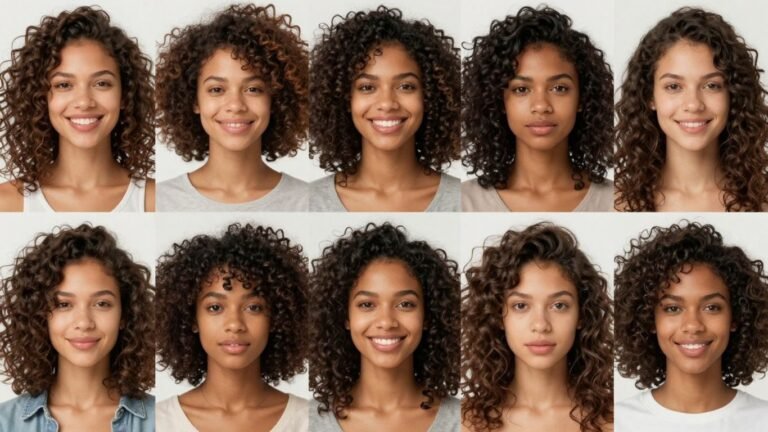
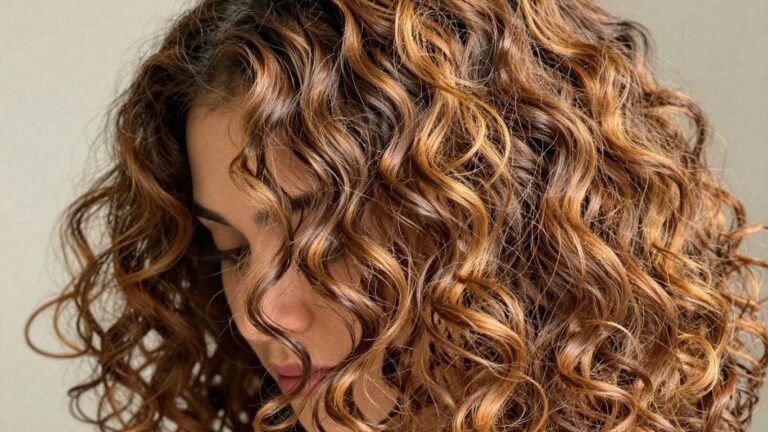
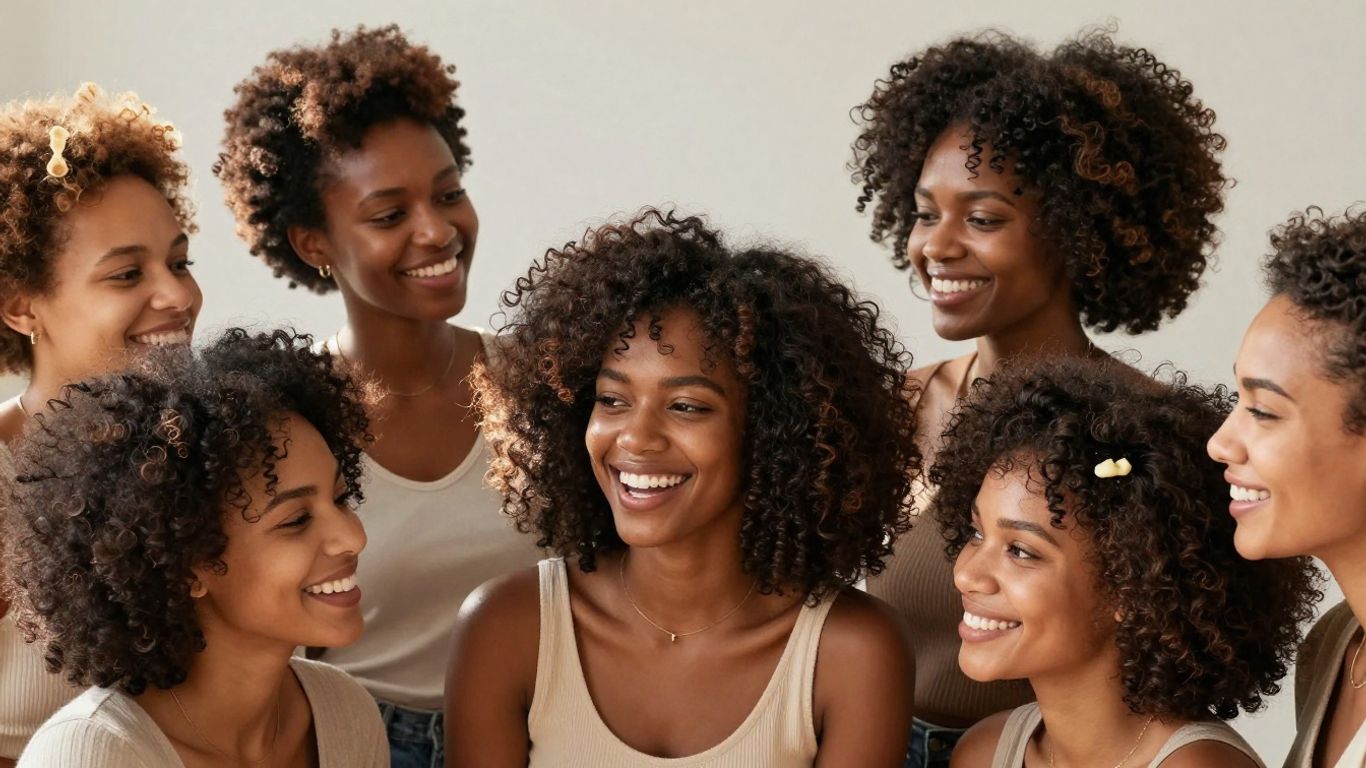
One-size-fits-all just doesn’t cut it anymore. The natural hair community is incredibly diverse, and products need to reflect that. This means more specialized formulas for different curl patterns, densities, and porosities. Brands are focusing on ingredients that provide moisture without weighing hair down, or that offer definition and hold for textured styles. It’s about understanding that a product that works for someone with fine, wavy hair might not do anything for someone with thick, coily hair. This push for inclusivity means better results for everyone.
The Importance of Scalp Care Routines
Seriously, your scalp is the foundation for healthy hair. For a long time, people focused only on the hair strands, but now the focus is shifting. Scalp care is becoming a major part of hair routines. This includes things like exfoliating scalp scrubs to remove dead skin and product buildup, and hydrating treatments to keep the scalp balanced. A healthy scalp environment is key for promoting stronger, healthier hair growth. It’s not just about washing your hair; it’s about nurturing the skin on your head. Many are looking for effective hair growth products that start with scalp health.
The trend is moving towards products that offer preventative and restorative solutions, starting right at the root. Consumers are increasingly treating their scalp as a critical part of their overall skincare regimen, seeking out formulations designed for deep penetration and genuine therapeutic effects, rather than just superficial benefits like shine or scent.
Market Expansion and Consumer Behavior
It feels like the whole beauty world is shifting, and the natural hair products market is right in the middle of it. Consumers are looking at things differently now, and brands really need to pay attention to keep up. It’s not just about what a product does anymore; it’s about the whole experience and what the brand stands for.
The Impact of Stress on Hair Health
Life’s been pretty hectic lately, right? All that stress, whether it’s from what’s happening in the world or just daily life, really takes a toll. And guess what? Our hair and scalp often show it first. Stress can mess with your body’s natural rhythm, leading to more breakage, dryness, or even thinning. It’s like your scalp is sending out an SOS signal. Because our hair grows from the scalp, keeping that skin healthy is super important for how strong and good your hair looks. So, when people are feeling the pressure, they’re more likely to look for products that help calm their scalp and hair.
Shifting Consumer Preferences Towards Value
Let’s be real, nobody wants to waste money. With prices going up and the economy feeling a bit shaky, people are being way more careful about where their cash goes. This means brands need to show that their products are truly worth the price. It’s not just about being expensive; it’s about being better than the cheaper options. Consumers are expecting more, and if they’re going to splurge on a fancy shampoo, it better deliver. This is why we’re seeing more focus on things like unique scents, which are an accessible luxury, and also on products that are better for the planet, like waterless formulas. The North America hair care market, for instance, is projected to see significant growth, moving from USD 38.2 billion in 2026 to USD 50 billion in the coming years, showing consumers are willing to invest when value is clear [f5fc].
The Role of Inclusivity in Product Development
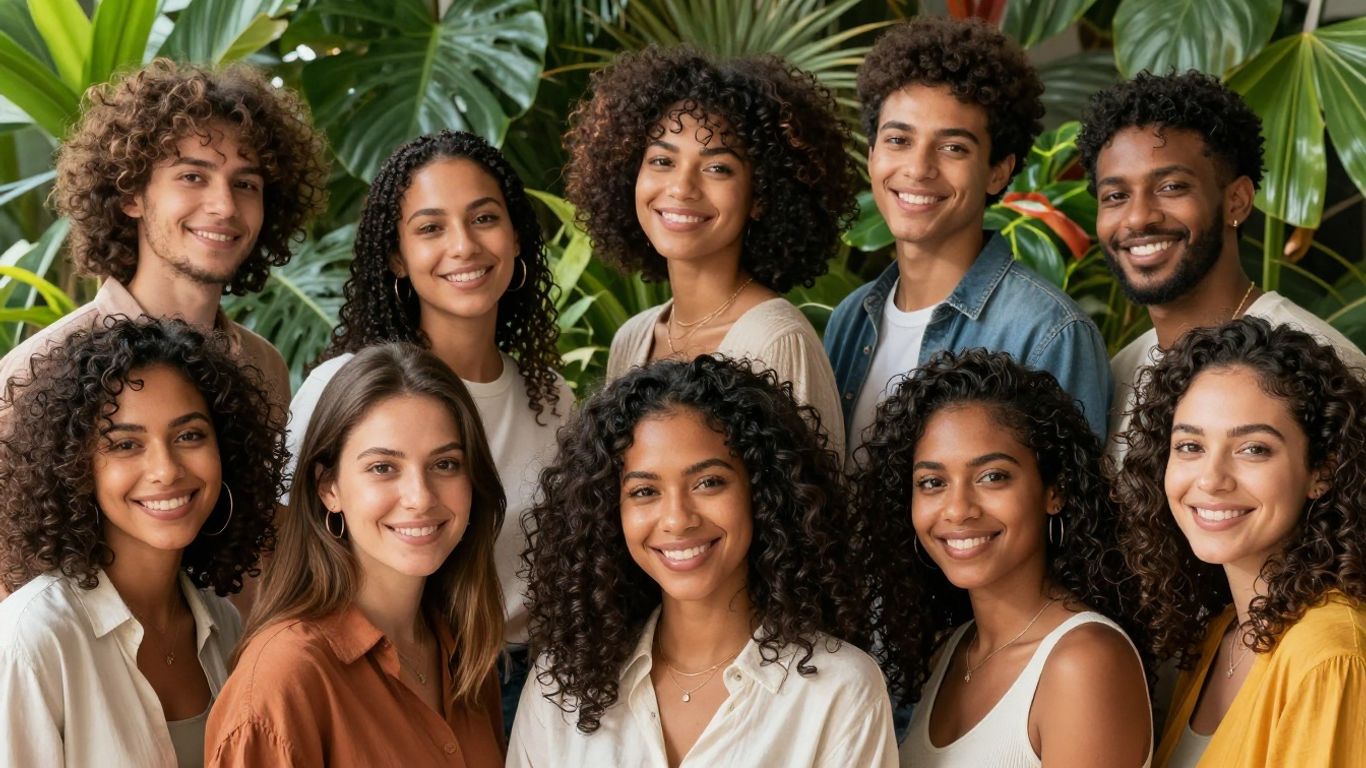
Brands can’t afford to ignore anyone anymore. The beauty industry is finally waking up to the fact that everyone deserves products made for them. This means going beyond just different hair colors or genders. It’s about thinking about all sorts of people – different ages, backgrounds, abilities, and body types. For too long, certain groups have been overlooked, and that’s not just unfair, it’s bad for business. When brands make an effort to be inclusive, they connect with more people and create products that actually work for a wider range of needs. This is a big part of why the market is expanding, as more diverse needs are finally being met with specialized solutions [af69].
Consumers are looking for brands that reflect their values and understand their unique needs. This means that inclusivity isn’t just a buzzword; it’s a business imperative. Brands that embrace diversity in their product development and marketing will build stronger connections with their customers and capture a larger share of the market.
Looking Ahead
So, what does all this mean for the natural hair products market heading into 2026 and beyond? It’s clear that consumers are more informed and intentional than ever. They’re not just looking for products that make their hair look good; they want items that align with their values, promote overall health, and offer a genuinely good experience. From the rise of clean, sustainable ingredients to the demand for personalized solutions powered by new tech, the market is shifting. Brands that pay attention to these trends, focusing on transparency, efficacy, and a connection to well-being, are the ones that will really connect with people. It’s an exciting time, and it looks like healthy, happy hair is the ultimate goal for pretty much everyone.
Frequently Asked Questions
What’s new in natural hair products for 2026?
Get ready for products that focus on your whole body’s health, not just how your hair looks. Think of hair care as part of staying healthy overall. Brands are also making products that smell amazing and feel good to use, turning your daily routine into a treat. Plus, there’s a big push for ingredients that are good for you and the planet.
Why are ingredients in hair products becoming more important?
People want to know exactly what they’re putting on their hair and scalp. They’re looking for ‘clean’ ingredients that are safe and effective. This means fewer harsh chemicals and more natural, plant-based stuff. Brands are being more open about where their ingredients come from and how they’re made.
How is technology changing hair care?
Technology is helping to make hair care more personal. Apps and online tools can help figure out what your hair needs and suggest the best products for you. This means you get solutions made just for your hair type and concerns, rather than a one-size-fits-all approach.
What does ‘sustainability’ mean for hair products?
It means brands are trying to be kinder to the Earth. This includes using packaging that can be recycled or reused, making formulas that don’t harm the environment, and making sure ingredients are gathered and produced in ways that are fair to people and the planet. Many products are also becoming vegan and never tested on animals.
How does stress affect hair, and what can be done?
Stress can really mess with your hair, causing it to break more easily, become dry, or even fall out. Because of this, there’s a growing focus on scalp care. Treating your scalp well is seen as key to having healthy, strong hair. Products are being made to help calm the scalp and encourage hair growth.
What is ‘K-Beauty’ and how does it influence hair care?
K-Beauty, which comes from South Korea, is all about taking good care of your skin and hair for long-term health, not just quick fixes. It emphasizes strengthening the skin barrier (which includes your scalp!) and using gentle, effective ingredients. This ‘skin-first’ idea is now being applied to hair care, focusing on scalp health and achieving that healthy glow.