So, I’ve been looking into the world of textured hair care, and wow, there’s a lot going on. It feels like just yesterday it was a small corner of the beauty world, but now? It’s a major player. We’re talking billions of dollars and a whole lot of people paying close attention to what goes into their products. It’s not just about looking good anymore; it’s about health, routine, and feeling good about what you’re using. Let’s break down some of the numbers and trends that are shaping this market right now.
Key Takeaways
- The market for textured hair products is growing steadily, expected to hit around $8.44 billion in 2026 and keep climbing. This isn’t a fad; it’s a solid, long-term thing.
- People are really into specific hair routines now. It’s not just one product; they want a whole system, from washing to styling, and they’re looking for products that support that.
- Scalp care is a big deal. Think of it like skincare for your head – people want clean, healthy scalps to grow healthy hair, and they’re buying special products for it.
- Brands that are real and honest about their ingredients and where they come from are doing well. People want to know what’s in their products and if they’re good for them and the planet.
- Online shopping and social media are huge. They’re how people find new brands, learn about routines, and connect with companies that understand their hair needs.
The Expanding Textured Hair Care Market Landscape
It’s pretty clear the market for textured hair care products isn’t just growing, it’s really taking off. We’re seeing a significant expansion, moving beyond what used to be considered a niche area into a major segment of the beauty industry. This shift is driven by a lot of factors, including a better understanding of what textured hair actually needs and a growing demand for products that cater specifically to it.
Projected Market Value and Growth Trajectory
The numbers are looking good for this sector. By 2026, the global Black hair care market alone is estimated to be worth around $8.44 billion, up from $7.96 billion the year before. Projections show this trend continuing, with the market expected to hit about $14.26 billion by 2035. That’s a steady growth rate, suggesting long-term demand rather than a fleeting trend. This kind of consistent expansion is often fueled by repeat customers and strong brand loyalty, which is great news for brands in this space. The overall haircare products market is also seeing robust growth, with sales increasing and unit volume rising, indicating a healthy and expanding market for hair products in general [abd5].
Drivers of Sustained Demand
So, what’s keeping this market so active? For starters, textured hair often requires a more involved routine. Think cleansers, conditioners, leave-ins, oils, and styling products – sometimes multiple steps for each. This naturally leads to consumers using more products overall. Plus, the sheer number of people with textured hair worldwide is substantial, spanning continents. The natural hair movement has also played a huge role, pushing demand for formulas that are free from harsh chemicals and really work with curls and coils. It’s a combination of necessity, cultural shifts, and a growing awareness of specialized needs.
The increasing focus on inclusivity within the beauty industry has spotlighted the unique requirements of textured hair, transforming it from an underserved market into a significant growth sector. Both established and emerging brands are now dedicating entire product lines to meet these specific needs.
Global Market Size and Projections
Looking at the bigger picture, the global haircare market is projected to reach $168.8 billion by 2035, growing at a compound annual growth rate of 5.5%. Within this, the textured hair segment is a key contributor. While North America currently leads in terms of market value, Africa represents a massive volume opportunity due to its large population. Europe is also showing strong demand, particularly for premium and clean beauty options. This global distribution highlights the widespread and varied nature of the textured hair care market [d026].
Key Consumer Behaviors Shaping Product Demand
It’s pretty clear that folks with textured hair aren’t just grabbing any old bottle off the shelf anymore. They’re way more informed and have specific needs. We’re seeing a big shift towards people who really understand their hair and what it needs, often following detailed routines.
Regimen-Minded Shoppers and Multi-Step Routines
People are treating their hair care like a serious skincare routine. It’s not just about a wash and a condition; it’s a whole process. Think cleansers, treatments, leave-ins, and stylers – the whole nine yards. This means brands need to offer products that work together for every step.
- Cleansing: Gentle shampoos or co-washes to clean without stripping.
- Treating: Deep conditioners, masks, and scalp treatments.
- Styling: Leave-in conditioners, curl creams, gels, and mousses.
- Refreshing: Products to revive styles between washes.
The days of a one-size-fits-all approach are long gone. Consumers are actively seeking out products that cater to the unique demands of their hair texture, often investing in a full suite of items to achieve their desired results.
Ingredient Awareness and Evolving Preferences
Consumers are reading labels more than ever. They want to know what’s in their products and why it’s there. There’s a growing interest in natural ingredients, but also a demand for products that are backed by science and actually work. This is why we’re seeing a move towards more specialized formulas that address specific concerns like dryness, breakage, or frizz. It’s about finding that sweet spot between what’s natural and what’s effective for specific hair textures.
The Influence of Social Media and Education
Social media platforms have become huge hubs for learning about textured hair care. Influencers and online communities share tips, product reviews, and tutorials, educating consumers and driving demand for certain products and routines. This digital word-of-mouth is incredibly powerful, shaping purchasing decisions and pushing brands to be more transparent and engaging online. Brands that provide educational content and connect authentically with their audience tend to do much better. This focus on education is a big part of why consumers are becoming more ingredient-aware.
Here’s a quick look at what consumers are looking for:
| Product Type | Key Consumer Focus |
|---|---|
| Cleansers | Gentle, sulfate-free, moisturizing |
| Conditioners | Deep hydration, detangling, protein-rich |
| Styling Products | Definition, hold, frizz control, moisture retention |
| Scalp Treatments | Soothing, balancing, growth-promoting |
Emerging Trends in Textured Hair Product Innovation
It feels like every time you turn around, there’s something new popping up in the world of textured hair care. Brands are really listening, and it’s exciting to see what they’re coming up with. We’re seeing a big push in a few key areas that are changing how people approach their hair routines.
Protective Styling Support as a Core Need
Protective styles like braids, locs, and weaves aren’t just a passing phase; for many, they’re a way of life. This means the products that help maintain these styles are becoming super important. Think braid sprays that keep things fresh, oils that nourish the scalp underneath, and mousses or gels that help with neat edges and installs. People aren’t just styling; they’re actively preserving their hair, and they need products that help them do that consistently. It’s about making sure the hair stays healthy and looks good, day after day.
The Rise of Scalp Care as a Dedicated Category
Remember when scalp care was just an afterthought? Those days are definitely over. Now, scalp treatments are getting their own spotlight. We’re seeing a lot more products specifically designed for the scalp, like exfoliating scrubs, pre-shampoo treatments, specialized leave-ins, and serums. It’s like the whole “skinification” of hair is really taking hold. People are treating their scalp with the same attention they give their face, looking for things that balance, hydrate, and keep things clean. This subcategory is seeing some serious growth, and it makes sense.
Evolving Curl Definition Formulas
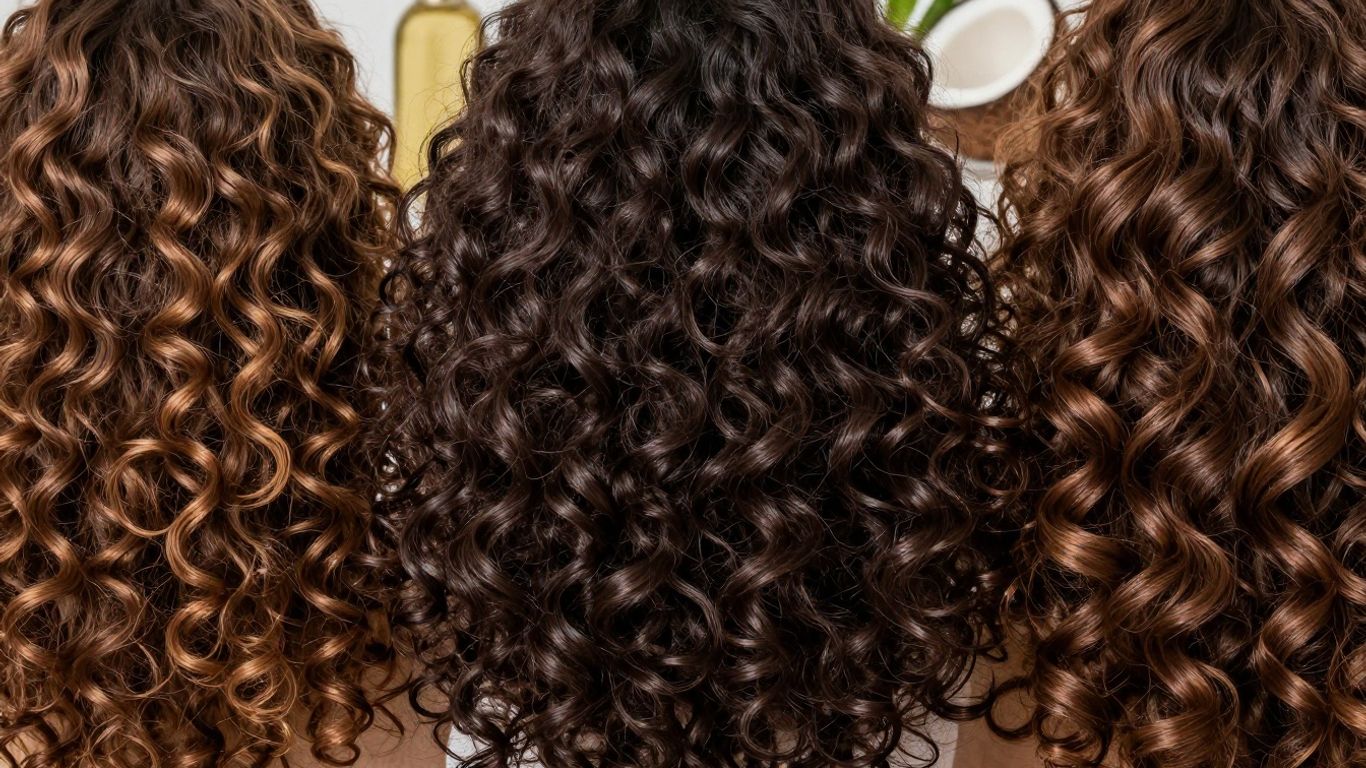
Curl definition products are still a big deal, making up a good chunk of sales. But the formulas are changing. Gone are the days when heavy, crunchy-feeling products were the only option. Now, the focus is shifting towards lighter, more flexible stylers. These new formulas aim to define curls without making them stiff, allowing for easier restyling and layering. The goal is to have styling products that work with your lifestyle, not against it, offering more versatility and a natural feel. It’s about achieving that definition while keeping hair feeling soft and manageable, and brands are getting really good at it. You can find some great options at places that focus on textured hair needs.
The innovation we’re seeing isn’t just about creating new products; it’s about understanding the deeper needs of textured hair. It’s about supporting lifestyles, promoting scalp health as a foundation, and offering styling solutions that are as dynamic as the people who use them. This thoughtful approach is what’s driving the market forward.
Regional Dynamics and Global Market Distribution
When we look at where textured hair care products are being bought and sold, things get pretty interesting. It’s not just one big global market; different areas have their own vibes and needs.
North America’s Leading Market Value
North America is currently the big player when it comes to how much money is spent on textured hair care. Think of it as the top spot for dollar value. This is partly because consumers here are often willing to spend more on specialized products that really work for their hair type. The market here is pretty mature, with lots of brands already established and consumers who know what they’re looking for. The US hair care market is a huge part of this, showing just how much is being invested in products for textured hair.
Africa’s Volume Contribution and Opportunities
Now, Africa is a different story, and it’s super important for a different reason: volume. A massive chunk of the world’s population with textured hair lives on the continent. While the amount of money spent per person might be lower than in North America, the sheer number of people means Africa is a huge market for how many products are sold. Protective styles like braids and twists are really common, which means there’s a constant need for things like oils and scalp treatments. As cities grow, more people are getting access to packaged goods, opening up opportunities for brands. There’s a big chance for affordable, natural products and smaller sizes that people can buy more easily.
European Demand for Premium and Clean Beauty
Europe has its own unique angle. Consumers here are really into premium products and, increasingly, clean beauty. This means they’re paying close attention to what’s in the products – things like vegan and cruelty-free labels are a big deal. Because so many people in Europe have internet access, online shopping is a major way for smaller, niche brands to reach customers. There’s also a growing interest in products that are good for both your hair and the planet. This trend is pushing companies to think more about natural ingredients and eco-friendly packaging.
The global market for textured hair care is shaped by these distinct regional preferences. While North America leads in overall spending, Africa’s large population drives significant product volume. Europe, meanwhile, is a hub for premium and clean beauty innovations within the textured hair space. Understanding these differences is key for brands looking to grow.
The Significance of Brand Loyalty and E-commerce
When it comes to textured hair care, folks tend to stick with what works. It’s not just about finding a product; it’s about finding the product that understands your specific hair needs. This often leads to really high brand loyalty. People aren’t usually experimenting wildly once they’ve found their holy grail curl cream or moisturizing leave-in. They want consistency, and that means brands that deliver reliable results see customers coming back again and again.
Understanding High Brand Loyalty in Textured Hair Care
Think about it: textured hair can be complex. What works for one curl pattern might not work for another, and finding that perfect match can feel like a quest. Because of this, consumers often develop strong attachments to brands that consistently meet their hair’s demands. This loyalty isn’t just a nice-to-have for brands; it’s a solid foundation for steady sales. It means less money spent on acquiring new customers and more predictable revenue streams. This repeat business is a huge part of why the textured hair market is so stable.
E-commerce and Direct-to-Consumer Scaling
Online shopping has totally changed the game, especially for smaller, specialized brands. E-commerce platforms and direct-to-consumer (DTC) models have made it way easier for brands to reach people directly, cutting out some of the traditional retail hurdles. This is particularly true for indie brands that might not have the budget for massive store rollouts. They can build a community online, share educational content, and sell their products straight to consumers. It’s a smart way to grow without needing a huge upfront investment. Many brands are finding success by focusing on niche retail and DTC strategies.
Cultural Authenticity and Digital Engagement
Beyond just selling products, brands that connect with their audience on a deeper level tend to do much better. For textured hair care, this often means showing a real understanding of the culture and experiences of the people they serve. This isn’t just about slapping a diverse face on an ad; it’s about genuine representation and speaking the language of the community. When brands get this right, they build trust and a loyal following. Social media plays a massive role here, acting as a hub for education, community building, and direct interaction. Brands that are active and authentic online can really stand out.
Building a brand in the textured hair space means more than just having good products. It’s about creating a connection, understanding the unique needs of diverse hair types, and being present where your customers are. For many, this means embracing digital platforms and showing genuine cultural awareness.
The Growing Importance of Clean and Sustainable Options
It feels like everywhere you look these days, people are talking about "clean" beauty and sustainability. And honestly, it’s about time. For textured hair, this isn’t just a passing trend; it’s becoming a major factor in how people choose their products. We’re seeing a real shift where folks want to know what’s in their hair care and where it comes from.
Consumer Demand for Vegan and Cruelty-Free Formulations
This push for cleaner products means a lot of us are checking labels more carefully. We’re looking for things that are vegan, meaning no animal-derived ingredients, and definitely cruelty-free, so no animals were harmed in the making. It’s not just about feeling good; it’s about aligning our purchases with our values. Many brands are stepping up, and it’s great to see. For example, many brands are now focusing on vegan and cruelty-free formulations that are gentle on hair and the planet.
Environmentally Friendly Packaging Solutions
Beyond the ingredients themselves, how products are packaged is a big deal too. Think less plastic waste. We’re seeing more brands offer solid shampoo and conditioner bars, which cut down on water and packaging. Recycled materials and refillable options are also gaining traction. It’s a move towards less waste overall, which is a win-win.
The Shift Towards Natural and Organic Ingredients
There’s a growing preference for ingredients that are natural and organic. People are more aware of harsh chemicals and are seeking out gentler alternatives. This means brands that focus on sourcing high-quality, natural ingredients are really standing out. It’s about finding products that work well without compromising on health or environmental impact. Many brands are now looking into clean beauty product formulations for textured hair, which often means a focus on these types of ingredients.
The demand for transparency in the beauty industry is only going to grow. Consumers want to feel confident that the products they use are not only effective but also ethically produced and environmentally responsible. This means brands need to be honest about their sourcing, ingredients, and manufacturing processes.
Here’s a quick look at what consumers are prioritizing:
- Vegan & Cruelty-Free: A non-negotiable for many.
- Natural & Organic Ingredients: Seeking out the goodness of nature.
- Sustainable Packaging: Reducing waste is key.
- Ethical Sourcing: Knowing where ingredients come from matters.
Wrapping It Up
So, looking at all the numbers and what people are actually buying, it’s pretty clear that textured hair care isn’t just a small corner of the beauty world anymore. It’s a big deal, and it’s only getting bigger. We’re talking billions of dollars, with steady growth expected for years to come. People with textured hair often need more specific products, and thankfully, more brands are stepping up to meet that need. From protective styles to focusing on a healthy scalp, consumers are paying attention and looking for products that really work. It’s exciting to see this market continue to expand, driven by real demand and a growing awareness of what textured hair needs.
Frequently Asked Questions
How much is the textured hair care market worth right now?
In 2026, the global market for textured hair care is estimated to be worth about $8.44 billion. It’s growing steadily, showing that more and more people are looking for products made just for them.
Why are people buying more textured hair products?
Several things are making people buy more. Textured hair often needs special care with different products like moisturizers and oils. Plus, more people are learning about how to care for their hair through social media and online videos, which makes them want to try new things.
What are some new trends in hair products for textured hair?
People are really interested in products that help with protective styles like braids and locs. Also, taking care of your scalp is becoming a big deal, just like taking care of your face. And, companies are making better formulas to make curls look great without making them stiff.
Where is the most money being spent on textured hair products?
North America currently spends the most money on these products. However, Africa is a huge market when you look at how many people live there and use these products. Europe is also important, especially for fancy, natural, and safe products.
Do people stick with the same hair brands?
Yes, brand loyalty is pretty strong in the textured hair care world. When people find products that work well for their hair type, they tend to keep buying them. This is why many smaller brands do well by selling directly to customers online.
Are natural and safe ingredients becoming more popular?
Absolutely! More and more people want hair products that are vegan, not tested on animals, and made from natural stuff. They also want packaging that’s good for the planet, like using recycled materials or making solid shampoo bars instead of liquid ones.