Getting your mixed hair to look and feel its best doesn’t have to be a mystery. These simple points will help you on your way to healthier, happier hair.
Key Takeaways
- Understanding the balance between moisture and protein is key for mixed hair health.
- Watch out for signs of too much moisture, like hair feeling mushy or undefined.
- Properly preparing your hair before deep conditioning helps the treatment work better.
- Using heat during deep conditioning can help the product sink in more effectively.
- Consistency is more important than using a million different products.
Understanding Your Mixed Hair’s Needs
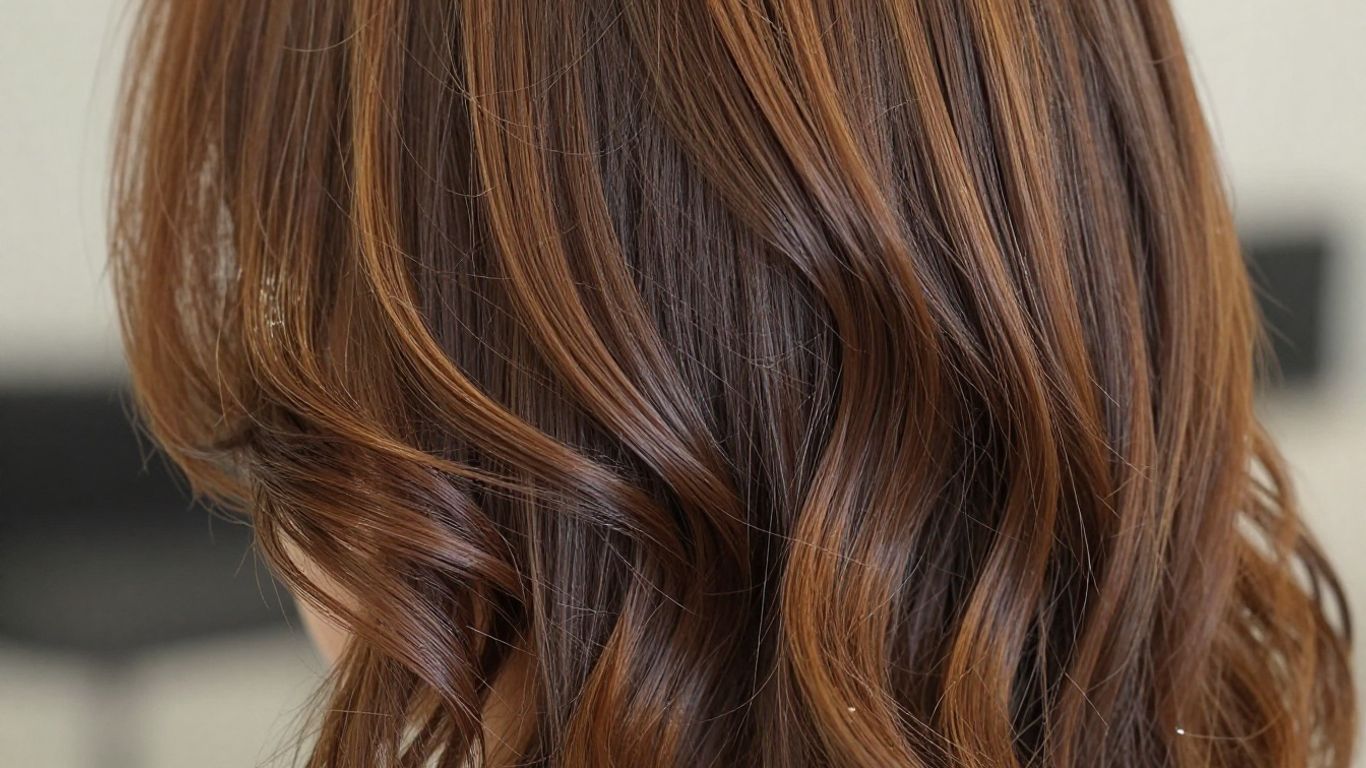
Mixed hair textures can be a bit of a puzzle, right? It’s like having a little bit of everything going on, from waves to coils, all on one head. Because of this, figuring out exactly what your hair needs can feel like a guessing game. But don’t worry, it’s totally doable once you get the hang of it. The biggest thing to pay attention to is the balance between moisture and protein. Think of it like a seesaw; if one side is too heavy, things get out of whack.
The Protein-Moisture Balance Explained
Your hair is actually made up of a lot of protein, specifically keratin. This protein gives your hair its structure and strength. Moisture, on the other hand, is what keeps your hair flexible and soft. For mixed hair, finding that sweet spot where you have enough of both is key. Too much moisture without enough protein can make your hair feel weak and mushy, while too much protein without enough moisture can make it feel dry and brittle. It’s a delicate dance, and getting it right means your hair will look and feel its best. You want your hair to be strong enough to handle styling but soft enough to feel touchable. Striking this balance is super important for healthy hair growth and appearance. Learning about hair care routines can help you manage this.
Identifying Signs of Moisture Overload
So, how do you know if you’re giving your hair too much of a good thing, especially when it comes to moisture? There are a few tell-tale signs. Your hair might feel unusually limp and have no bounce. It could also feel a bit gummy or slimy when wet, which isn’t a good sign. Sometimes, hair that’s overloaded with moisture can start to look undefined, with curls losing their shape. You might also notice frizz that just won’t quit, or your hair might feel weaker than usual, leading to breakage. It’s like overwatering a plant; it looks hydrated, but it’s actually suffering.
It’s easy to fall into the trap of thinking more moisture is always better, but for mixed hair types, this isn’t always the case. Over-moisturizing can actually weaken the hair shaft, making it more prone to damage and breakage, even though it feels soft.
Assessing Your Hair’s Porosity
Another big piece of the puzzle is hair porosity. This just means how well your hair can absorb and hold onto moisture. There are three main types: low, medium, and high porosity. Low porosity hair has cuticles that are tightly closed, so it’s hard for moisture to get in, and it can also lead to product buildup. High porosity hair has cuticles that are more open, so it absorbs moisture easily but also loses it quickly. Medium porosity hair is kind of in the middle, absorbing and retaining moisture pretty well. Knowing your porosity helps you pick the right products and treatments. For example, if you have high porosity hair, you’ll want products that help seal in moisture, like a good deep conditioner. If you have low porosity hair, you might need lighter products that won’t weigh your hair down or cause buildup.
Mastering the Deep Conditioning Process
Alright, so you’ve figured out what your mixed hair is craving – maybe it’s a big drink of water, or perhaps it needs a little structural support. Now, let’s talk about how to actually do the deep conditioning thing. It’s not rocket science, but a few key steps make all the difference between ‘meh’ and ‘wow, my hair feels amazing!’
Pre-Treatment Hair Preparation
Before you even think about slathering on that rich conditioner, give your hair a good starting point. This means washing it, but not just any wash. You want to use a gentle, sulfate-free shampoo. Think of it as clearing the runway for your deep conditioner to do its best work. Sulfates can be pretty harsh, especially on mixed hair which can sometimes be a bit more delicate. After rinsing out the shampoo, gently squeeze out excess water. You don’t want dripping wet hair, but you also don’t want it bone dry. Some folks like to detangle at this stage with a wide-tooth comb while the conditioner is still in their hair from the wash, which can help smooth things out before the main event.
Effective Application Techniques
Now for the fun part: applying the treatment. Grab a generous amount of your chosen deep conditioner. Start applying it from the mid-lengths of your hair down to the ends. These areas are usually the oldest and driest parts of your strands, so they need the most love. Try to avoid piling it directly onto your scalp, especially if your scalp tends to get oily. You can use your fingers to work it through, or a brush designed for wet hair. Make sure every single strand gets coated – no skipping sections! If you’re feeling fancy, you can mix in a tiny bit of a nourishing oil, like argan oil, for an extra hydration boost.
The Role of Heat in Deep Conditioning
This is where things get interesting. Applying heat can really help the deep conditioner penetrate the hair shaft. It’s not strictly necessary, but it can make a big difference, especially for hair that’s feeling particularly dry or rough. You can achieve this in a few ways. The classic method is to pop on a shower cap or wrap your hair in a warm towel. For a more intense treatment, you could use a hooded dryer on a low setting for about 20-30 minutes. Another option is a microwavable heat cap. The goal is gentle warmth, not scorching heat. This warmth helps to open up the hair cuticle just enough for the good stuff in the conditioner to soak in properly.
Remember, the idea is to help the product work better, not to cook your hair. Gentle warmth is key to maximizing the benefits of your deep conditioning session.
Choosing the Right Deep Conditioning Treatments

Okay, so you know your mixed hair needs some serious TLC, but what kind of deep conditioner should you actually be reaching for? It’s not a one-size-fits-all situation, and picking the wrong one can leave your strands feeling worse than before. We need to get specific here.
Moisture-Rich Formulas for Hydration
If your hair feels dry, brittle, or just generally thirsty, you’re probably in need of some serious moisture. These treatments are packed with ingredients like shea butter, avocado oil, glycerin, and hyaluronic acid. They work to replenish lost water content, making your hair feel soft, pliable, and much easier to manage. Think of it as giving your hair a big drink of water. For mixed textures, finding a conditioner that hydrates without weighing down looser curl patterns is key. Some people swear by options like Miss Jessie’s Rapid Recovery Treatment for this very reason.
Protein-Packed Treatments for Strength
On the flip side, if your hair feels weak, stretchy, or is prone to breakage, it might be crying out for protein. Protein treatments help to rebuild the hair’s structure, filling in gaps in the cuticle and making your strands stronger and more resilient. Ingredients to look for include hydrolyzed wheat protein, keratin, silk amino acids, and collagen. However, too much protein can make hair stiff and brittle, so it’s a balance. You don’t want to go overboard, maybe just once a month or so, depending on your hair’s condition.
DIY vs. Store-Bought Options
This is a big one. You’ve got options! Store-bought deep conditioners are formulated by scientists and often offer targeted solutions for specific hair issues. They’re convenient and usually have a good shelf life. The Cécred Moisturizing Deep Conditioner is a popular choice that many find works wonders. On the other hand, DIY masks can be super cost-effective and allow you to customize ingredients based on what you have on hand. Think mashed avocado, honey, yogurt, or olive oil. While DIY can be great, sometimes salon-grade treatments just have that extra something. It really comes down to your budget, time, and what your hair responds best to.
Here’s a quick rundown:
- Store-Bought: Convenient, scientifically formulated, often targeted. Great for specific concerns.
- DIY: Budget-friendly, customizable, uses natural ingredients. Can be fun to experiment with.
Ultimately, the best treatment is the one that makes your hair feel and look its best. Don’t be afraid to try a few different things to see what your unique mixed hair texture loves the most. What works for your friend might not be the magic bullet for you.
It’s also worth noting that sometimes, combining treatments can be beneficial. For instance, you might use a moisture-rich conditioner one week and a protein treatment the next. Or, some people even mix a little bit of protein into their regular deep conditioner for an added boost. Just be mindful of the type of protein you’re using – gentler, hydrolyzed versions are usually a safer bet for regular use than harsher ones.
Optimizing Your Deep Conditioning Routine
So, you’ve got the hang of deep conditioning, but are you getting the most out of it? It’s not just about slathering on a mask; it’s about making it work for your mixed hair. Think of it like fine-tuning a recipe – small adjustments can make a big difference.
Frequency for Best Results
How often should you deep condition? This is where things get personal. For hair that’s on the drier side or has been through some chemical processing, aiming for a treatment once a week is a good starting point. If your hair is pretty happy and healthy, you might find that every two to four weeks is plenty. Listen to your hair; it’ll tell you what it needs. Overdoing it can sometimes lead to buildup, which is the opposite of what we want.
- Weekly: Very dry, damaged, or chemically treated hair.
- Bi-weekly: Normal to slightly dry hair.
- Monthly: Oily or well-moisturized hair.
The Importance of Cool Water Rinses
After your deep conditioner has done its magic, the way you rinse matters. Forget hot water – it can actually strip away the good stuff you just applied, leaving your hair feeling dry again. Instead, go for cool or lukewarm water. This helps to seal the hair cuticle, locking in all that moisture and leaving your strands smoother and shinier. It’s a simple step, but it really does make a difference in how your hair feels afterward. It’s like closing the lid on a treasure chest to keep the contents safe.
Incorporating Leave-In Conditioners
Think of a leave-in conditioner as the final seal of approval for your deep conditioning session. It’s not just an extra step; it’s a protective layer that helps keep moisture in and environmental stressors out. After rinsing out your deep conditioner, apply a lightweight leave-in product, focusing on your ends. This helps to detangle, add extra hydration, and protect your hair throughout the day. It’s especially helpful for mixed hair types that can be prone to dryness and breakage. You can find some great options for all hair types that won’t weigh your strands down.
Addressing Common Deep Conditioning Concerns
Even with the best intentions, sometimes deep conditioning doesn’t go quite as planned. You might end up with hair that feels weighed down, or maybe it’s still not as soft as you hoped. Let’s tackle some of the usual hiccups.
Preventing Product Buildup
Product buildup happens when layers of conditioners, styling products, and treatments accumulate on your hair and scalp. This can make your hair feel dull, heavy, and less receptive to new treatments. It’s like trying to paint over a dirty canvas – the new color just won’t stick properly.
- Clarify Regularly: Use a sulfate-free clarifying shampoo every few weeks, or more often if you notice buildup. This helps to gently lift away residue without stripping your hair completely. Look for ingredients like Sodium C14-16 Olefin Sulfonate, which are effective yet mild.
- Rinse Thoroughly: Make sure you’re rinsing out all your deep conditioner. Sometimes, just a quick rinse isn’t enough. Spend an extra minute or two making sure no residue is left behind.
- Listen to Your Hair: If your hair starts feeling greasy or heavy even after washing, it’s a sign you might need to clarify. Don’t be afraid to switch up your routine if something isn’t working.
Deep Conditioning for Damaged Strands
When your hair is damaged, whether from heat styling, chemical treatments, or just everyday wear and tear, it needs extra care. Deep conditioning is a lifesaver here, but you need to be smart about it. The key is to choose treatments that address the specific type of damage.
- Moisture Overload vs. Protein Deficiency: If your hair feels mushy or overly elastic, it might have too much moisture and not enough protein. Try a protein-rich treatment. On the other hand, if your hair feels dry and brittle, it’s likely craving moisture. Opt for hydrating masks.
- Focus on Repair: Look for ingredients like ceramides, fatty acids, and natural oils (like shea butter or argan oil) in moisture treatments. For protein treatments, hydrolyzed proteins or amino acids can help rebuild the hair shaft. You can even mix a little protein into your favorite deep conditioner for a dual-action treatment.
- Be Patient: Repairing damaged hair takes time. Don’t expect miracles overnight. Consistent treatments, along with gentle handling, will yield the best results over weeks and months. You might see improvements in texture and shine within a few uses, but true repair is a gradual process.
When to Seek Professional Help
While deep conditioning at home can do wonders, there are times when you need to call in the pros. If you’ve tried everything and your hair is still struggling, or if you’re dealing with significant damage, a stylist or trichologist can offer personalized advice and treatments.
- Persistent Breakage or Hair Loss: If you’re experiencing excessive shedding or breakage that doesn’t improve with home care, it’s time to get it checked out. There could be an underlying issue that needs professional attention.
- Severe Chemical Damage: If your hair has been severely damaged by bleaching, perms, or relaxers, a professional can assess the damage and recommend the best course of action, which might include specialized salon treatments or a haircut.
- Scalp Issues: Problems like persistent dandruff, itching, or inflammation on your scalp can affect hair health. A dermatologist or trichologist can diagnose and treat these conditions, which is often the first step to healthier hair. Sometimes, a professional can help you understand your hair’s needs better than you can on your own.
Sometimes, the best way to fix a problem is to know when to step back and let someone with more experience handle it. It’s not a sign of failure, but a smart move towards getting your hair back on track. Don’t feel bad about asking for help; it’s part of the journey to healthier hair.
Conclusion
Taking care of mixed hair might seem like a puzzle, but with a little effort, you can totally get it looking its best. It’s all about figuring out what your hair likes, using the right stuff, and sticking with it. Don’t be afraid to try different things until you find what works for you. Now go on and enjoy your amazing hair!
Frequently Asked Questions
What is deep conditioning?
Deep conditioning is like giving your hair a super-powered drink of water and nutrients. It’s a treatment that goes deeper than your regular conditioner to make your hair softer, stronger, and easier to manage.
How often should I deep condition my mixed hair?
For most people with mixed hair, deep conditioning once a week is a good starting point. If your hair feels extra dry or damaged, you might do it twice a week for a little while until it gets better.
Can I use heat when deep conditioning?
Yes, you can! Putting on a shower cap and then a warm towel, or using a hooded dryer on a low setting, can help the conditioner soak into your hair better. It’s like giving your hair a warm hug so it can relax and take in all the good stuff.
What’s the difference between moisture and protein for hair?
Think of moisture as water for your hair – it keeps it soft and bouncy. Protein is like the building blocks that make your hair strong. Mixed hair often needs a good mix of both, but too much of one can cause problems.
My hair feels mushy after deep conditioning. What did I do wrong?
That mushy feeling usually means your hair has too much moisture and not enough protein. Try using a protein-rich deep conditioner next time, and maybe don’t deep condition as often. It’s all about finding that right balance.
Can I mix my own deep conditioner at home?
Absolutely! You can make your own masks using ingredients like avocado, honey, yogurt, or oils. It’s a fun way to experiment and see what your hair loves. Just make sure to use fresh ingredients and store any leftovers properly.