Key Takeaways
Creating a long-lasting aesthetic relies on proper preparation and strategic product selection. These steps ensure your look stays fresh regardless of heat or activity level.
- Start with a clean, smooth surface.
- Focus on lightweight, oil-free hydration.
- Utilize gripping primers to secure base layers.
- Use controlled application with damp sponges.
- Lock everything in with precise setting techniques.
Preparing your skin for longevity
Achieving a base that survives the day requires a thoughtful foundation of skin prep. By conditioning your face, you help cosmetics adhere more effectively while preventing oxidation. Establishing a reliable sweat proof makeup routine begins long before your first layer of tint is applied.
Exfoliating to create a smooth surface
Removing dead skin cells is essential for a uniform application. When your canvas is even, the products sit better on the skin rather than settling into texture, which is a common issue with textured hair and skin types. Consistent care ensures you are starting your day with the most balanced base possible.
Selecting an oil-free, lightweight moisturizer
Choosing the right hydration is crucial to prevent mid-day slippage. Heavy creams often conflict with long-wear foundations, causing them to move prematurely. Instead, reach for gel-based textures that hydrate without creating a slick barrier.
Applying a high-performance gripping primer
Primers act as the glue between your skincare and your foundation. By selecting a formula that creates a slightly tacky surface, you lock in your complexion products for hours. This step is non-negotiable for anyone looking to maintain a fresh finish in humid conditions.
Choosing the right base products
Selecting your primary products requires matching your formula to your skin’s needs. Whether you prefer a natural finish or high coverage, identifying the base of your foundation is critical. For instance, knowing if your product is water-based or silicone-based helps you prevent pilling, just as careful organization is necessary when using glass meal prep containers to maintain food freshness.
Comparing water-based and silicone-based foundations
A simple way to determine the best choice for your environment is to categorize your foundation types by their base ingredients. This table helps you visualize how different formulas interact with your skin.
| Feature | Water-Based | Silicone-Based | Oil-Based |
|---|---|---|---|
| Finish | Natural, Dewy | Smooth, Blurred | Radiant, Rich |
| Durability | Moderate | High | Long-lasting |
| Suitability | Dry skin | Humidity-resistant | Mature skin |
The choice between these formulas often dictates how your skin feels at late hours, especially when you are balancing complex schedules as much as one might when arranging car shipping for a big move.
Benefits of long-wear matte formulas for heat resistance
Matte formulas are specifically designed to minimize sebum production throughout the day. These products create a protective film that resists breakdown caused by sweat, ensuring you achieve that sweat-resistant makeup look with ease.
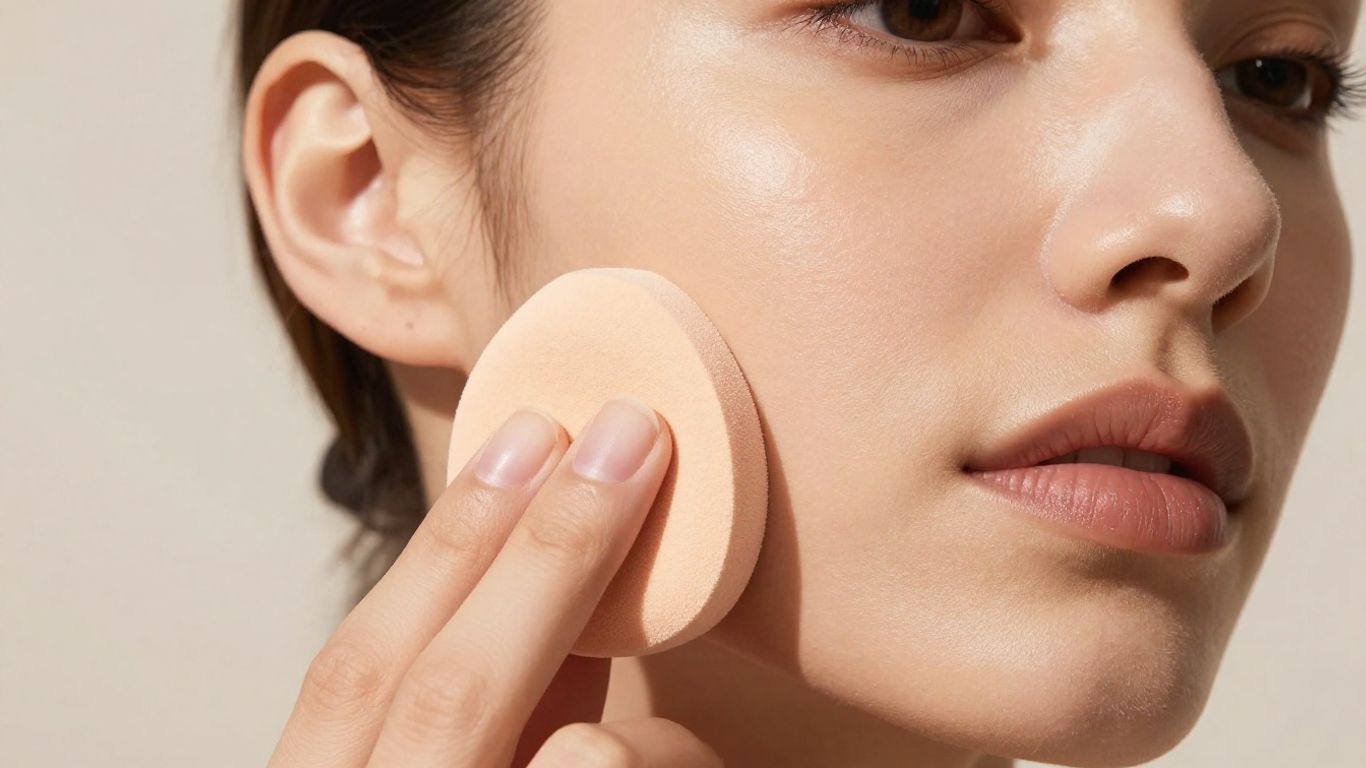
Precision application techniques using a damp sponge
Using a damp sponge allows you to push product into the skin rather than leaving it on the surface. This technique mimics the way you might use an FNIRSI DST-210 oscilloscope to monitor precise signals, ensuring every spot on your face gets enough pigment without excess weight.
Concealing and setting the under-eye area
The under-eye is the first place makeup tends to crease, especially for those looking into the science of skin safety during daily care or those needing to document scarring documentation tips. Securing this delicate area requires a balanced, intentional effort.
Selecting transfer-proof heavy-duty concealer
A thick, pigmented concealer is superior to thin alternatives. Look for transfer-proof labels to guarantee the product stays put under the eyes, even when humidity is high.
Proven techniques for preventing product creasing
Applying concealer in thin, buildable layers prevents it from pooling in fine lines. This is effective because excessive product is the biggest culprit behind unsightly creasing.
Layering methods for maximum coverage and endurance
Focus on the inner corners first, then spread outward. By concentrating the bulk of the pigment where you need it most, you save your skin from looking overdone while maximizing durability.
Using powders to lock in your foundation
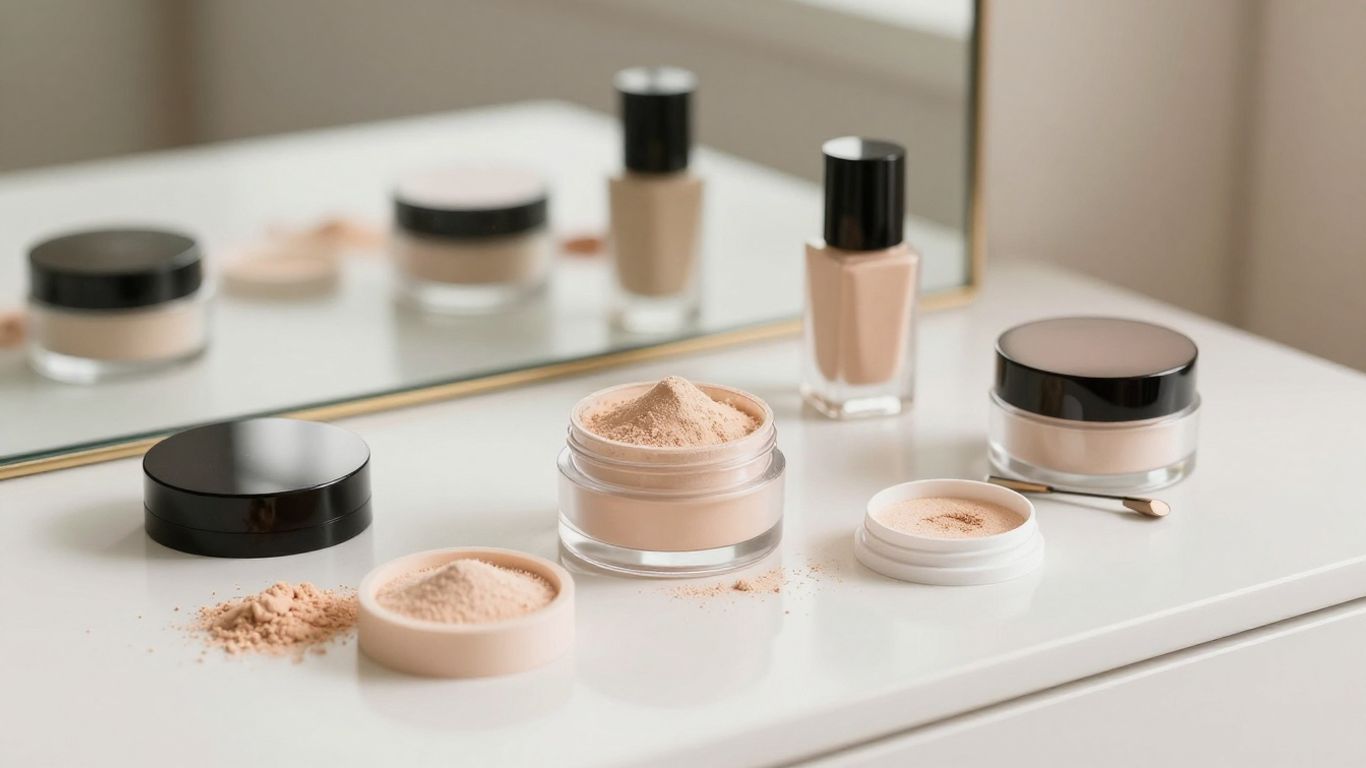
Powdering is the anchor for your entire look. To reach a truly refined result, explore sweatproof beauty products to see how they handle various powders, much like Maybelline’s tips suggest for keeping your style fresh.
Choosing between loose and pressed translucent powders
Loose powders typically offer a finer finish, whereas pressed powders are excellent for on-the-go touch-ups. Both are helpful, but loose powder is generally preferred for the initial lock-down process.
Implementing the baking technique for high-activity days
Baking involves applying a translucent layer of powder and letting it sit for several minutes before dusting it off. This creates a highly durable seal around the eyes and t-zones.
Balancing a matte finish with natural dimension
Don’t powder the high points of your face. By leaving your cheekbones with a subtle glow, you avoid a flat, mask-like effect while keeping your foundation secure.
Waterproofing your color products
If you want your look to last through anything, reach for formulas that are designed to resist water. Learning how to wear less product effectively is a way to incorporate these staples without feeling heavy.
Incorporating cream-to-powder blush and bronzer
Cream-to-powder formulas offer the ease of a cream with the staying power of a powder. They blend seamlessly onto the skin but set down to a budge-proof finish.
Selecting waterproof brow gels and smudge-proof pencils
Brows frame the face, and waterproof gels keep them in place all day. Look for formulas that resist water and oil to avoid smearing when active.
Identifying budge-proof mascara and eyeliner formulas
Always opt for waterproof mascara to stop smudging in its tracks. Pair this with a gel liner that dries down to a permanent finish to keep eyes defined for hours.
Finalizing your look with setting sprays
Setting sprays are not just an afterthought; they are the final barrier against the elements. If you want a flawless summer look, prioritize high-quality sprays that form a protective film.
Selecting a film-forming setting spray
Film-forming polymers are the key ingredients to keep your makeup fixed. These sprays act like a hairspray for your face, keeping everything exactly where you placed it.
Mastering the application distance and technique
Hold your mist at arm’s length to ensure an even distribution that coats the skin without ruining your finish. Ensure you cover all zones with multiple fine passes.
Managing effective touch-ups throughout the day
Keep a streamlined bag with essentials for minor adjustments. This approach prevents the breakdown of your makeup. I recommend packing these items:
- Blotting papers to absorb excess oil
- A pressed powder compact for quick buffs
- A travel-sized mist for refreshing
- A small concealer brush for edges
Maintaining your look through these small steps ensures you remain confident from morning until evening. By focusing on quality product placement rather than quantity, your routine becomes effortless.
Conclusion
Mastering a long-lasting aesthetic is entirely achievable when you focus on the integrity of your base layers and strategic setting methods. By applying the techniques of exfoliation, targeted priming, and deliberate layering, you build a routine that supports your natural skin while standing up to heat and sweat. With a bit of practice and an eye for the right formulas, you can walk through your day with the confidence that your makeup remains as vibrant and fresh as the moment you first finished your look.
Frequently Asked Questions
Does humidity affect how long makeup lasts?
Yes, humidity drastically increases the breakdown of most makeup formulas. Using oil-free products and film-forming setters helps mitigate these effects.
Is it necessary to powder the entire face?
Focusing on the T-zone and under-eyes is usually sufficient. Leaving some areas unpowdered keeps your look dimensional and natural.
Can I use regular moisturizer under long-wear foundation?
Heavy, thick moisturizers often conflict with long-wear foundations. Switching to a lightweight gel or water-based serum is often the better choice.
How often should I reapply setting spray?
One thorough application at the end of your routine is usually enough for most days. You can refresh lightly if you are transitioning from daytime to evening.
Should I avoid cream products if I sweat easily?
Not necessarily, but you should choose cream-to-powder formulas. These provide the texture benefits of creams with the staying power of powders.
What is the purpose of a primer?
Primers create a smooth bridge between skin and foundation. They fill pores, control oil, and provide a surface for makeup to grip.
Does applying less makeup help with longevity?
Applying thinner, intentional layers of product is almost always better. Excessive layers are prone to sliding, crumbling, and losing integrity on the skin.