Key Takeaways
- Global beauty traditions are deeply rooted in the relationship between regional environments and local resources.
- East Asian and South Asian practices emphasize layering hydration, using nutrient-dense natural oils, and facial massage.
- Mediterranean and Latin American remedies leverage abundant botanicals, rich clays, and moisturizing oils for holistic skin and hair health.
- Modern routines can adapt these ancient methods with a focus on ethical sourcing and respect for cultural origins.
- Integrating ancestral practices offers a mindful opportunity to pause, slow down, and elevate daily self-care into a meaningful ritual.
The philosophy behind global beauty traditions
Around the globe, beauty has never been merely about superficial appearance. Ancient communities viewed physical care as an outward reflection of inner harmony, spiritual alignment, and environmental adaptation. By looking closely at how different societies have historically nourished their bodies, we uncover a rich tapestry of cultural beauty rituals that celebrate the earth and the self in equal measure.
Connection between nature and self-care
For millennia, the ingredients used to protect skin and hair came directly from the immediate surroundings. Civilizations did not rely on synthetic laboratory creations; instead, they looked to local flora, minerals, and water sources to cultivate wellness. This direct relationship fostered a deep reverence for the earth’s natural rhythms and cycles. Self-care was deeply personal, intuitive, and bound to the seasons, as people learned to harvest specific plants at their peak potency to maximize their restorative properties.
Spiritual significance of grooming practices
In many indigenous cultures, grooming was and remains a sacred ceremony rather than a mundane chore. The act of cleansing the body, styling the hair, or applying natural pigments was often accompanied by prayers, intentions, and communal bonding. For instance, across various traditions, hair is considered a powerful extension of one’s spirit and life force. Treating it with care, oiling it, and braiding it are acts of love and protection that connect the individual to their ancestral lineage, reinforcing identity and spiritual grounding.
How environment shapes indigenous skincare
Our physical environment dictates the unique challenges our skin and hair face daily. From arid desert dunes to humid tropical forests, human populations have adapted their survival and grooming techniques to thrive in their specific climates. In dry regions, the focus naturally shifted toward heavy, occlusive barriers like wild-harvested butter and dense seed oils. Conversely, in highly humid climates, light, purifying waters and astringent herbs were favored to keep the skin clear and balanced. This ecological wisdom is why traditional practices remain so highly effective; they are born from generations of direct environmental trial and error.
East Asian skincare wisdom
East Asian beauty practices are renowned for their focus on long-term prevention, meticulous layering, and deep respect for the skin’s natural barrier. Rather than looking for quick cosmetic fixes, these traditions emphasize consistent, gentle preservation to achieve a luminous complexion and vibrant hair from the inside out.
The art of K-beauty layering techniques
Modern audiences are highly familiar with Korean skincare methodologies, which center on the slow, deliberate application of multiple lightweight hydration layers. Instead of smothering the skin in a single heavy cream, this process uses watery toners, essences, and targeted serums to deeply saturate the skin cells step-by-step. This meticulous approach ensures that the moisture barrier is thoroughly replenished without clogging pores or weighing down the skin, leaving a bouncy, light-reflective glow that feels completely weightless.
Japanese camellia oil and hair health
In Japan, camellia oil, known as Tsubaki, has been prized for centuries by Geishas and court nobles alike for maintaining sleek, glossy hair. Rich in oleic acid, proteins, and glycerides, this lightweight oil penetrates the hair shaft deeply to seal in essential moisture. For individuals seeking to integrate historical botanical oils into modern routines, consulting professional guidelines, such as those found on the Nikol Beauty website, can offer excellent structural insights into safe cosmetic application and product terms.
Traditional herbal infusions in Chinese medicine
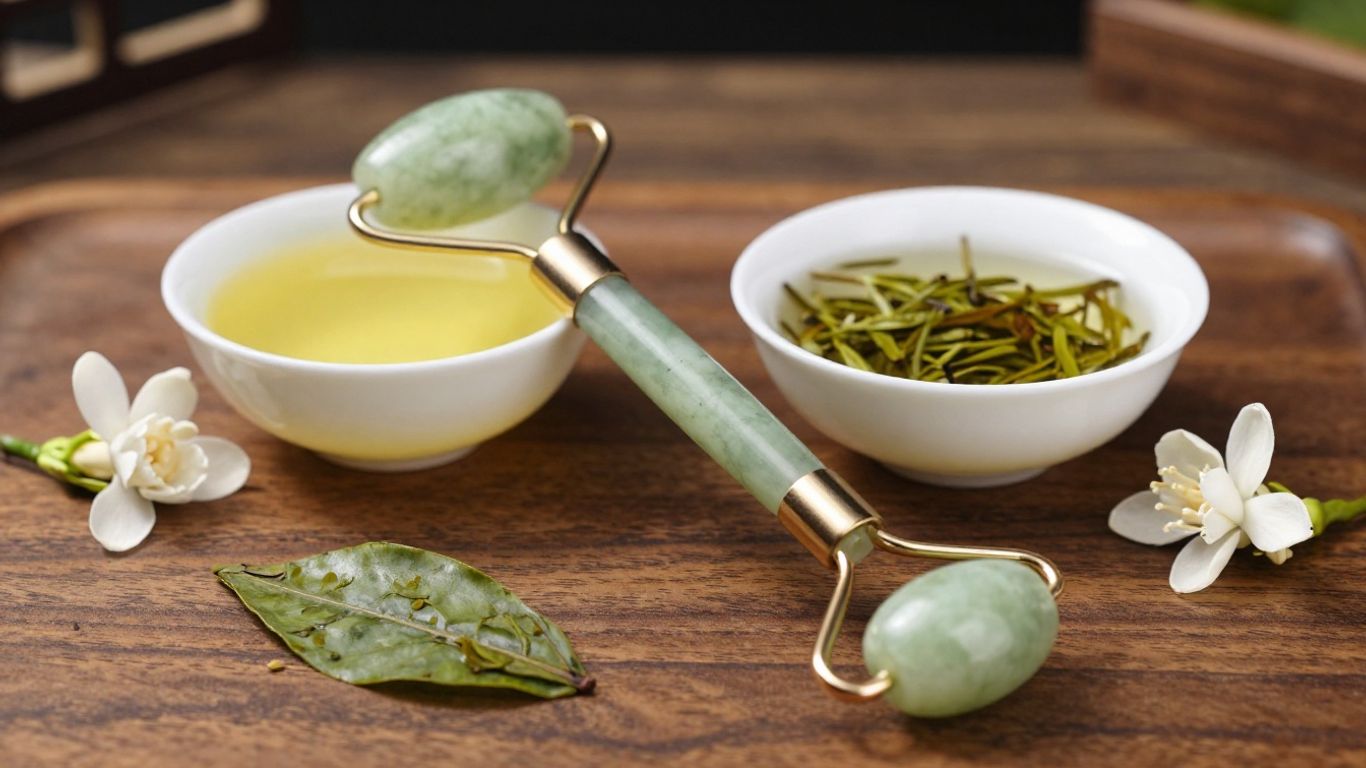
Traditional Chinese Medicine views skin conditions as external signs of internal bodily imbalances. To restore harmony, practitioners utilize herbal decoctions featuring powerful roots and botanicals like ginseng, green tea, cordyceps, and goji berries. These ingredients are brewed into potent teas or infused into topical washes to calm systemic inflammation, boost cellular turnover, and flush out accumulated toxins, illustrating the belief that true beauty is a reflection of overall internal wellness.
Benefits of facial massage tools through history
Facial manipulation has long been integral to preserving youthful skin and relieving muscle tension. Tools crafted from precious stones have played a central role in these manual therapies for centuries:
- Gua Sha stones: Traditionally carved from jade or rose quartz, these flat, contoured tools are scraped gently along the meridians of the face to promote lymphatic drainage and relieve jaw tension.
- Jade rollers: Designed for dual-ended rolling, these tools cool the skin, reduce puffiness, and aid in the even absorption of topical oils and herbal elixirs.
- Acupressure wands: Targeted tools used to stimulate specific energy points on the face, restoring the natural flow of Qi.
Using these cooling stone tools regularly helps sculpt facial contours while providing a grounding, meditative pause in a busy day. This physical manipulation remains a cornerstone of holistic self-care, bridging historical wellness philosophies with modern dermatological science.
Mediterranean beauty secrets
The Mediterranean basin has yielded some of the world’s most enduring wellness secrets, utilizing simple, sun-ripened ingredients to nourish the body. The region’s beauty philosophy centers on uncomplicated, natural abundance, using pantry staples and volcanic earth to maintain radiant skin and thick, resilient hair.
Olive oil as a foundation for hair and skin hydration
Often referred to as "liquid gold" by ancient poets, olive oil is the absolute cornerstone of Mediterranean personal care. Packed with rich antioxidants and squalene, it serves as an incredibly effective deep conditioner for dry hair and a nourishing body moisturizer. Families have passed down the tradition of applying warm olive oil to the scalp and ends of the hair to shield it from harsh ocean winds and intense summer sun, proving that the simplest single-ingredient remedies are often the most powerful.
Mineral-rich mud treatments from the Dead Sea
The Dead Sea has attracted visitors seeking its therapeutic, mineral-dense mud and waters since antiquity. This unique mud contains high concentrations of magnesium, calcium, and potassium, which work in tandem to draw out deep-seated impurities, soothe chronic skin conditions, and improve local blood circulation. Applying these mineral-dense black muds to the face and body acts as a full-system reset, softening the skin’s texture and easing muscle stiffness through natural geological therapy.
The role of citrus and honey in brightening complexions
Mediterranean remedies frequently combine fresh citrus extracts with raw honey to create brightening masks. The natural citric acids act as a mild exfoliant, breaking down dead skin cells and encouraging healthy cell renewal. Meanwhile, raw honey acts as a natural humectant, pulling moisture from the air directly into the skin while providing antibacterial properties to soothe blemishes, resulting in a vibrant, sun-kissed complexion.
South Asian botanical practices
In South Asia, personal grooming is tightly woven with Ayurveda, the ancient holism system that translates to the "science of life." Beauty is approached as a daily ritual that balances the individual’s unique physical constitution with the healing elements of nature.
Ayurvedic principles for balancing skin types
Ayurveda categorizes individuals into three primary constitutional types, or doshas: Vata, Pitta, and Kapha. Each dosha dictates specific skin characteristics and imbalances, requiring customized herbal treatments to maintain equilibrium. For example, a fiery Pitta constitution requires cooling ingredients like aloe vera and rosewater, whereas a sluggish Kapha constitution benefits from stimulating herbs and invigorating massages to keep the skin vibrant and healthy.
Turmeric and sandalwood for radiant skin
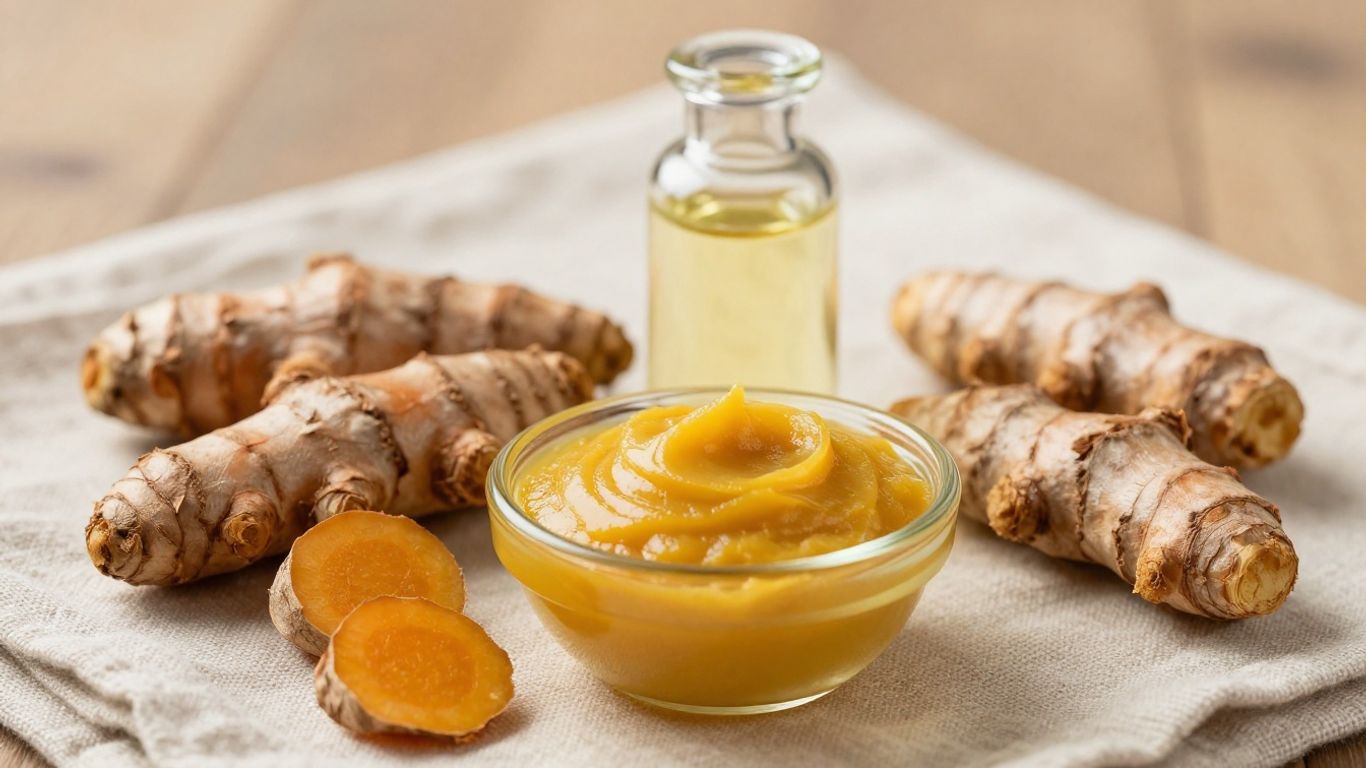
Turmeric and sandalwood form a legendary pairing in South Asian skincare, renowned for their incredible anti-inflammatory and skin-brightening properties. Often mixed into a smooth paste, this golden combination clears acne, calms irritated skin, and imparts an unmistakable, healthy glow. At Mixed Nature, we celebrate these historical mixtures, recognizing how centuries-old botanical knowledge continues to provide gentle, effective alternatives for diverse, textured skin and hair profile needs without harsh chemicals.
Ubtan as a sustainable cleansing method
Ubtan is a traditional, soap-free cleansing paste made from chickpea flour, turmeric, sandalwood powder, and rosewater or milk. Before commercial soaps existed, this natural mixture was used daily to cleanse, gently exfoliate, and soften the skin. Because it is completely biodegradable and made from kitchen staples, ubtan represents a wonderfully sustainable, low-waste cleansing method that honors both the body and the environment.
The cultural importance of daily hair oiling
Daily and weekly hair oiling, known as Champi, is a deeply cherished ritual passed down through generations of South Asian families. Massaging the scalp with warm coconut, sesame, or amla oil stimulates blood flow, strengthens the hair roots, and encourages healthy growth. Beyond the physical benefit of keeping coarse and textured hair moisturized, the practice holds deep familial meaning, frequently performed by a parent or grandparent as a comforting expression of love, connection, and generational care.
Nordic and Slavic cooling therapies
In the harsh, freezing climates of Northern and Eastern Europe, beauty and wellness are defined by contrast. Extreme heat and intense cold are utilized in tandem to stimulate the circulatory system, fortify the body’s natural defenses, and keep the skin resilient.
Sauna culture for systemic detoxification
For Nordic and Slavic peoples, the sauna, or banya, is far more than a luxury; it is a vital communal center for mental and physical purification. The intense dry or wet heat induces deep sweating, which helps flush metabolic waste products from the body while opening up pores. This systemic detoxification thoroughly cleanses the skin from the inside out, leaving it refreshed, clear, and exceptionally receptive to post-sauna hydration.
Contrast therapy benefits for skin elasticity
To complement the intense heat of the sauna, these cultures practice contrast therapy, which involves immediately plunging into freezing cold water or rubbing clean snow over the warm skin. This rapid temperature shift causes blood vessels to constrict and dilate in rapid succession:
| Therapy Phase | Physical Reaction | Skin Benefit |
|---|---|---|
| Extreme Heat (Sauna) | Deep sweating & vasodilation | Opens pores & flushes toxins |
| Cold Plunge / Snow | Rapid vasoconstriction | Calms inflammation & tones |
| Recovery Period | Balanced circulation | Restores natural glow & elasticity |
This deliberate circulatory exercise strengthens the capillaries, tones the skin, and improves overall elasticity. Over time, practicing contrast therapy makes the skin more resilient to environmental stressors, building an natural, healthy glow that shines through even the coldest winter months.
Honey-based scrubs in Baltic spa traditions
Within Baltic spa rituals, raw honey is frequently applied to the skin during sauna sessions. As the heat opens the pores, the honey melts and infuses the skin with vitamins and natural moisture. Often mixed with sea salt or ground berries, this golden glaze acts as a gentle, nutrient-dense physical scrub that sloughs away dry patches and deeply nourishes weather-worn skin.
Latin American and Caribbean natural remedies
Drawing from incredibly biodiverse rainforests and sun-drenched volcanic islands, Latin American and Caribbean beauty remedies center on deeply hydrating tropical fruits, nutrient-rich oils, and volcanic minerals. These rituals emphasize intense moisture and raw, organic purification.
The use of nutrient-dense tropical oils
From cold-pressed avocado oil to rare Amazonian tucuma and cupuaçu butters, Latin American traditions have always utilized ultra-nourishing fats. These botanical lipids are exceptionally rich in essential fatty acids and vitamins A, D, and E. They provide intensive moisture to hair and skin that are frequently exposed to high heat and humidity, restoring elasticity and preventing dehydration.
Coffee grounds for effective skin exfoliation
In coffee-producing regions, leftover coffee grounds are saved from the morning brew to serve as an invigorating body scrub. The coarse texture of the ground beans physically exfoliates rough patches of skin, while the natural caffeine content temporarily tightens blood vessels and reduces inflammation. This kitchen-counter remedy stimulates circulation and leaves the skin feeling exceptionally smooth and energized.
Aloe vera and cactus for sun protection
Growing abundantly in arid and tropical regions, aloe vera and various cactus species have long been used to soothe and shield the skin from intense tropical sun. The cool, gelatinous pulp inside these plants is incredibly rich in water, vitamins, and healing enzymes. Applying this fresh gel directly to inflamed skin instantly lowers its temperature, locks in moisture, and accelerates cellular repair.
Clay masks as ancestral purification rituals
For generations, communities across Central and South America have harvested mineral-rich volcanic clays to purify the body. These clays are mixed with pure water or herbal teas to create deeply absorbing body muds. Embracing these ancestral purification rituals allows modern individuals to extract environmental pollutants from their pores while absorbing essential minerals, connecting contemporary skincare directly back to the therapeutic properties of the earth.
Integrating ancestral rituals into modern routines
Bringing ancient beauty secrets into our fast-paced modern lives is not about mimicking the past perfectly. Rather, it is about adopting the mindful, intentional attitude of these traditions and making them work for our contemporary lifestyles.
Sourcing ingredients ethically and sustainably
As global demand for traditional botanicals rises, it is crucial to ensure that our ingredients are harvested responsibly. Sourcing products from ethical, fair-trade suppliers protects local ecosystems and ensures that indigenous communities are fairly compensated for their generational knowledge. When we choose sustainably harvested materials, our self-care routine supports global environmental conservation.
Adapting traditional methods for modern skin sensitivity
While natural ingredients are incredibly powerful, they can occasionally trigger allergies or sensitivity in modern, compromised skin barriers. It is always wise to perform patch tests on a small patch of skin before fully applying potent raw ingredients like undiluted essential oils or raw spices. Modifying these practices—such as diluting strong herbs in gentle carrier oils—ensures you obtain the historic benefits without risking unnecessary irritation.
Balancing ritualistic self-care with busy schedules
Integrating ancient wisdom into a busy modern lifestyle doesn’t require hours of free time. You can easily elevate standard hygiene into a nourishing ritual by being fully present during the process. Taking three minutes to perform a mindful facial massage while cleansing, or applying a nourishing hair oil once a week, transforms routine maintenance into a grounding practice that calms both the mind and the body.
Respecting the cultural origin of ingredients and practices
When we adopt beauty practices from cultures other than our own, we must do so with respect, education, and gratitude rather than treating them as superficial trends. Understanding the history, meaning, and people behind ancient beauty rituals honors their sacred origins. By treating these techniques as profound systems of healing rather than fleeting aesthetic fads, we foster a deep, global respect for thediverse ways humanity has always cared for itself.
Conclusion
By exploring the rich textures and deep philosophies of global beauty traditions, we learn that self-care is a universal human language. From the mineral-rich muds of the Dead Sea to the nourishing, ancestral hair-oiling rituals of South Asia, these practices remind us to slow down and listen to what our bodies need. Integrating these historic secrets into our modern lives allows us to honor our unique physical needs while connecting with the timeless wisdom of the earth and the diverse cultures that call it home.
Frequently Asked Questions
What are the main benefits of using traditional beauty rituals?
Traditional beauty rituals draw on centuries of botanical and environmental knowledge, offering gentle, time-tested pathways to wellness. They prioritize long-term skin health, deep hydration, and physical relaxation over quick chemical fixes, making them exceptionally compatible with our biological makeup.
How can I safely start using raw botanical oils on my hair?
To safely introduce traditional oils, start with a very small amount applied to the damp ends of your hair, gradually moving upward toward the scalp. Look for cold-pressed, single-ingredient carrier oils, and always perform a patch test on your skin first to rule out any potential botanical sensitivities.
Why is turmeric so highly praised in ancient skincare?
Turmeric contains a powerful natural compound called curcumin, which boasts strong anti-inflammatory, antioxidant, and antimicrobial properties. Historically, it has been used to calm skin irritation, combat breakouts, and brighten dull complexions by gently fading uneven hyperpigmentation.
How do environmental factors affect our skin’s daily needs?
Our surrounding environment dictates our skin’s moisture evaporation rates and exposure to elements like wind, cold, or pollution. Arid climates strip the skin of moisture, requiring heavy lipid-rich creams, whereas humid climates require light, breathable layers to avoid clogging pores.
Can I practice natural facial massage if I have active acne?
If you have active inflammatory acne, it is best to avoid deep-kneading stone tools like Gua Sha directly over the blemishes, as this can spread bacteria and worsen inflammation. Instead, focus on very light lymphatic drainage strokes around the neck and jawline, or wait until the inflammation subsides.
What makes cold-pressed oils better than refined options?
Cold-pressed extraction methods use mechanical pressure rather than high heat or chemical solvents to draw oil from seeds and nuts. This minimal handling preserves the maximum amount of vitamins, essential fatty acids, and natural antioxidants, ensuring the oil remains highly beneficial for your skin and hair.
How do I cultivate a sustainable and zero-waste beauty routine?
You can pursue a highly sustainable routine by replacing disposable products with reusable items, utilizing biodegradable ingredients like botanical washes, and sourcing raw ingredients locally when possible. Opting for simple, multi-purpose items minimizes excess packaging and reduces your overall footprint.