Key Takeaways
Finding your perfect makeup colors starts with recognizing that your skin holds a balanced mix of warm and cool pigments. This guide helps you navigate beauty choices with confidence while embracing your natural glow.
- Neutral undertones allow for the widest variety of flattering color palettes.
- Utilize veins and jewelry tests to determine your precise color temperature.
- Always swatch foundation on your jawline to check how it blends with your neck.
- Avoiding overly artificial cooling or warming agents prevents your makeup from looking muddy.
- Daylight is the only true benchmark for evaluating how a shade looks on you.
Determining if you have neutral undertones
Identifying whether your skin falls into the neutral category is the first step toward a more cohesive beauty routine. Your undertone acts as the canvas for every product you apply, and knowing yours helps you pick shades that actually complement your unique coloring instead of clashing with it. When you have neutral undertones, you will find that your skin does not lean heavily into either the warmth of a golden sunset or the cool depth of a winter sky.
The vein test and jewelry test explained
Observing the small details on your wrist is a simple, effective method for gauging your skin’s temperature. If your veins appear to be a mix of blue, green, and perhaps even a hint of purple, you likely have a neutral composition. Similarly, hold a piece of yellow gold and a piece of silver against your skin. You are likely neutral if both metals look equally flattering, as you do not experience the common "draining" effect that often happens when someone with a purely warm or cool undertone picks the wrong metal.
Why clothing colors matter for identification
Your wardrobe is often the best indicator of your undertone because we naturally gravitate toward what feels right on our skin. If you find that both deep jewel tones and softer earth shades harmonize with your complexion, you are likely working with a balanced, neutral base. While people with strictly warm or cool skin often find they feel "washed out" by certain color families, neutral individuals can experiment broadly. Many enthusiasts find that understanding undertones provides the freedom to wear almost any color, provided the saturation level is right.
Understanding the difference between surface tone and undertone
It is common to confuse surface tone—the redness, sallowness, or tan appearance of your skin—with your actual undertone. While your surface tone can change with sun exposure or seasonal shifts, your true undertone is the color hidden beneath, and it remains consistent throughout your life. Think of the undertone as the temperature, while the surface tone is simply the weather; just because you are tan does not mean your undertone has shifted from neutral to warm permanently. Acknowledging this distinction through platforms like Mixed Nature helps you accept and celebrate the nuance of your specific beauty profile rather than trying to fit into a monolithic standard.
Selecting the right foundation and base products
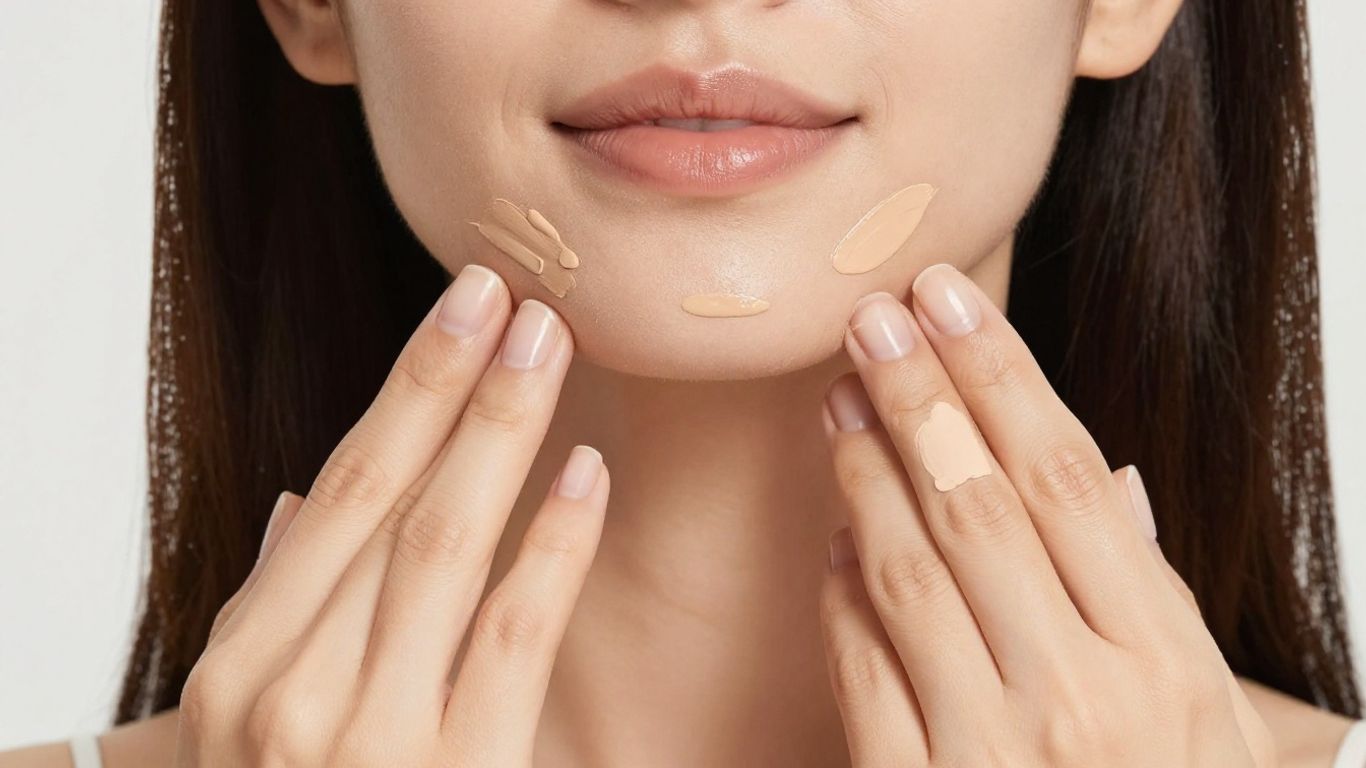
Finding the perfect foundation is often a journey of trial and error, but it becomes much faster once you know what to look for on a label. For neutral skin, the goal is a balance that prevents the skin from looking unnaturally yellow or uncomfortably pink. Many makeup lines offer specific "N" labels, which signal that the product is formulated to bridge the gap between extremes. When you understand how to choose your match, your base makeup becomes a true extension of your features.
How to identify neutral labels on product packaging
Most modern beauty brands use coding systems such as N, W, and C to signify neutral, warm, or cool. If you see a shade labeled with an N, it is designed specifically for neutral undertones, containing a thoughtful mix of both pink and yellow pigments. When you are between shades, looking for these codes is a great starting point for finding your perfect match.
Balancing warmth and coolness in sheer formulas
Sheer formulas are often a lifesaver because they allow your natural color temperature to peek through the product. A heavy, pigmented foundation will often obscure your actual skin tone and force a false color onto you, whereas a sheer base works with your existing skin. Because neutral skin undertones sit in the middle, you can often get away with a wider range of sheer coverage products than those with extreme warm or cool signatures.
Why oxidation changes base shades throughout the day
As you wear makeup, the natural oils on your face can react with the pigments in your foundation, causing them to darken or shift slightly in color. This process, known as oxidation, is particularly noticeable on neutral skin, which can quickly pull an orange or green cast if the formula isn’t quite right. Testing your products for a full day helps you account for this atmospheric changes throughout the routine.
Techniques for mixing shades to bridge the gap
If you find yourself stuck between two foundation shades, mixing a small amount of a warmer tone with a cooler one is a classic pro technique. Creating your own custom shade ensures that your makeup is a perfect reflection of your skin, rather than a generic mass-market guess. Whether you use a metal spatula or just your clean fingers, being able to tweak your foundation is the mark of someone who takes their routine seriously.
| Shade Type | Pigment Mix | Best For |
|---|---|---|
| Neutral-Cool | Slight Pink Focus | Rosier complexions |
| Pure Neutral | Balanced Ratio | Even skintones |
| Neutral-Warm | Slight Yellow Focus | Golden-leaning neutrals |
After balancing your chosen pigments, remember that the texture also plays a massive role in how light reflects off your skin. A light, buildable coverage often sits better than a heavy mask.
Choosing flattering color palettes for eyes and lips
Versatility of muted versus vibrant color families
Because your skin has that balanced flexibility, you have a unique advantage: you can pull off both soft, muted tones and bold, vibrant colors. While cool skin types might get overwhelmed by intense oranges and warm types might get lost in icy blues, neutral skin usually sits safely in the middle. Muted colors tend to lean into your natural sophistication, while vibrant shades add a splash of energy without looking jarring.
Best eyeshadow shades for enhancing balanced skin
Earthy, neutral eyeshadows are the absolute champions for your skin tone. Think soft taupe, dusty rose, and muted champagne. These shades don’t fight with your skin’s natural balance; instead, they highlight your eye shape and add depth to your gaze without making your face look discolored. You can also experiment with soft purples and forest greens to create a subtle contrast that makes your eyes feel like they are popping out.
Lip colors that sit between pink and peach spectrums
Finding a lip color can be frustrating, but your sweet spot exists in the soft space between a cool pink and a warm peach. Look for shades like dusty mauve or honeyed apricot, which have enough complexity to complement your skin without looking too bright or too muted. If you are ever unsure, a tinted balm that enhances your natural lip pigment is always a safe, reliable choice.
Navigating the world of bronzer and blush
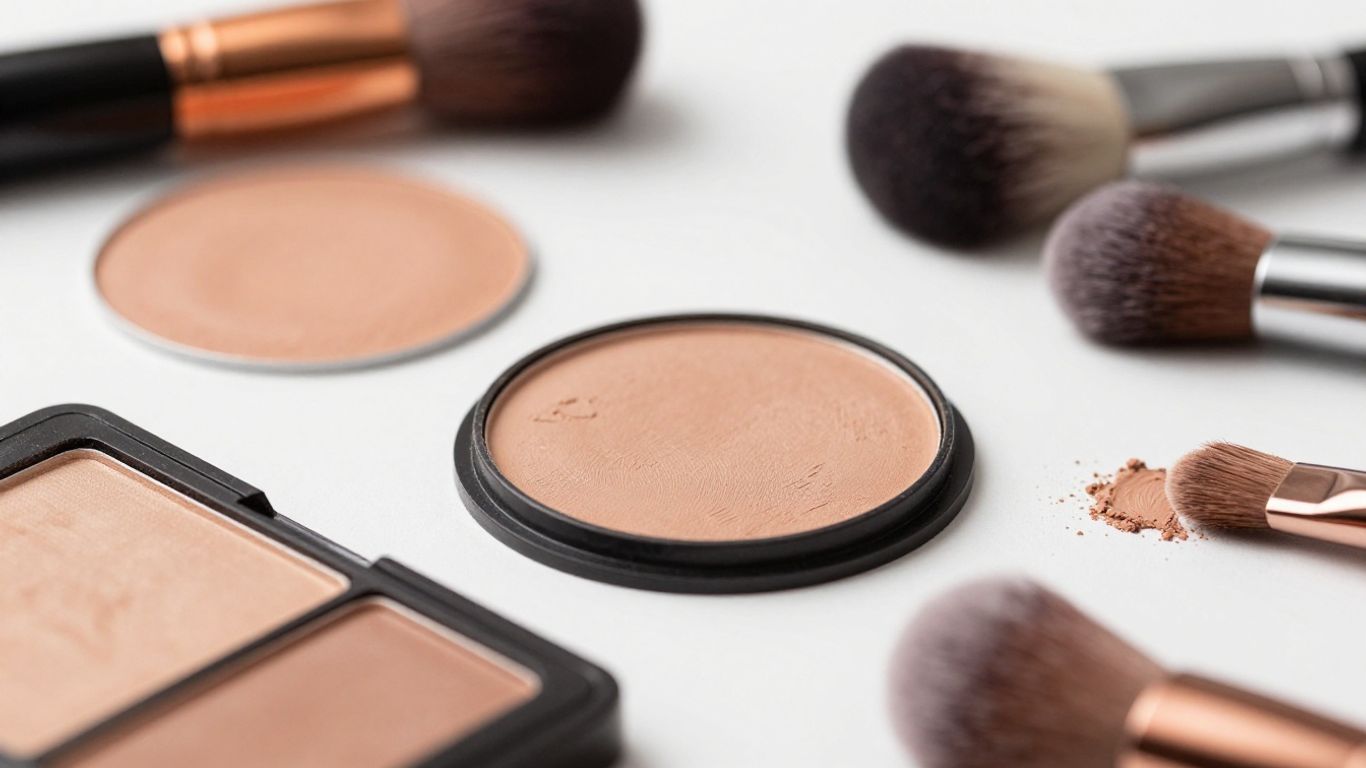
Bronzer and blush are meant to mimic the flush you get from fresh air, not to repaint your face. When you are sculpting with bronzer, look for shades that mimic a natural tan rather than an artificial, neon-orange bronze. The goal is to define your features, not to apply a heavy tint. Just like the experts at medspa clinics aim to enhance your natural beauty during consultations, your makeup should aim to reveal your best complexion rather than mask it.
Avoiding tell-tale orange or ashiness in contour
The biggest challenge with contouring on neutral skin is finding a product that doesn’t go orange or grey. A product with a subtle taupe-brown base is usually the most realistic approach for shadow. When you apply your contour, follow these simple steps to ensure it looks natural:
- Prep the skin with a light moisturizer to ensure consistent blending.
- Apply the product in thin, buildable layers starting at the temples.
- Blend upwards and outwards to lift the face instead of dragging it down.
Following these steps provides a natural look that won’t appear muddy in daylight.
Selecting mauve and berry tones for natural flushing
For blush, stick to tones that provide a subtle, elegant flush. Mauve and berry shades are spectacular for neutral skin because they contain enough depth to prevent them from looking fake or overly vibrant. These colors feel like a natural extension of your own skin’s warmth and coolness, helping you look vibrant and healthy rather than like you’re wearing an intense mask.
How to layer textures for seamless color integration
Layering is essential for longevity and realism. Start with a cream base for your blush, then set it with a light dusting of a powder blush in a similar tone. This creates a cohesive, multi-dimensional look that stays put, mimicking the way skin naturally flushes from both surface sensitivity and blood flow deep below the dermis.
Common mistakes to avoid
Buying foundation based on your tan versus pale seasons
It is tempting to grab a darker foundation when you get a slight summer tan, but doing so often ruins the consistency of your look. Your undertone remains the same; only the depth needs to shift slightly. It is far better to mix a tiny bit of darker pigment into your year-round shade than to swap your whole undertone entirely.
Ignoring the impact of studio and natural lighting
We have all experienced the shock of walking outside and realizing our makeup looks entirely different from how it did in our bathroom mirror. The yellow hue of artificial studio or home bulbs masks the true color, often making you think your makeup is perfectly blended when it is sitting in a patch. Always check your work in natural, indirect daylight to ensure the colors are harmonious.
Over-correcting with too much artificial yellow or pink pigment
If you see a hint of redness in your face, the instinct is to grab a heavy yellow color-corrector. However, this often leads to a sallow, sickly look. Instead, trust the expert guidance of using a sheer, neutral base that evens out your skin rather than fighting it with high-strength opposing pigments.
Best practices for testing makeup in-store
Swatching on the jawline versus the back of the hand
Avoid the common pitfall of swatching on your hand, as the skin there rarely matches your face. Your hands have a different circulation and surface tone, leading to a false sense of what the color will do on your complexion. Always swatch on your jawline, extending the product down toward your neck to ensure a seamless transition.
Requesting samples to evaluate performance in daylight
Don’t be afraid to ask for small takeaway containers for a product performance test. Evaluating how a foundation wears over six hours is a crucial step before investing in a full size, especially given how lighting can change. Wearing a sample in the real world is how you confirm if the product truly works for your neutral undertones and stays true to your skin.
Allowing products to fully set for accurate oxidation checks
Products often change color as they dry down and blend into your skin’s unique lipid profile. Never make a snap decision at the counter. Let the product set for at least ten minutes, then step outside the store to see how the color behaves under natural light. This patience is the difference between a wasted purchase and a perfectly matched vanity staple.
Conclusion
Embracing your neutral skin is about understanding that you possess a rare versatility in the world of beauty. By carefully selecting products that don’t lean too heavily into extremes and prioritizing natural daylight in your testing process, you can build a collection that makes your skin radiant and authentic. Whether you are experimenting with bold, dusty berry lips or sophisticated earthy eyeshadows, remember that your makeup should serve as a tool of self-expression that celebrates your unique, balanced color profile.
Frequently Asked Questions
How do I know if my skin is neutral or just muted?
Neutral skin typically means you have a balanced mix of warm and cool undertones, while muted skin refers to the saturation level, or how "dusty" or "desaturated" your colors appear. You can have a neutral undertone that is either very vibrant or quite muted, but being neutral specifically relates to the temperature balance.
Can I use silver jewelry if I have a neutral undertone?
Absolutely, because neutral skin is characterized by having no strong preference for warm or cool, you are perfectly equipped to rock both silver and gold. Many neutral-skinned people find they can wear mixed-metal jewelry without one looking out of place.
Does my skin tone change as I get older?
Your surface tone may shift due to sun damage, loss of natural pigment, or thinning skin, which can make your veins appear differently through the surface. However, your core genetic undertone—the deep color temperature of your complexion—remains a consistent constant throughout your life.
Why does my foundation look grey on my face?
If your foundation appears grey or ashen, it is likely that the product has too much of an opposing undertone, often a product with too much coolness trying to counteract a warmth that isn’t really there. Always test foundation on your jawline and wait for it to fully oxidize before deciding on the color.
Can I wear bold lipstick if I have neutral undertones?
Neutral undertones are the most versatile when it comes to color choices, so you can absolutely pull off bold shades. The key is in the intensity; look for bold colors that sit in the middle of the spectrum rather than relying on extreme neon neons, which can sometimes overpower your natural balance.
How many foundation shades should I ideally own?
Ideally, you should have one year-round shade that matches your neck and a slightly darker addition you can mix in during the summer months. You do not need an entire shelf of colors if you find a formula that is truly neutral and learn the simple technique of mixing.
What is the most common sign of a neutral undertone?
The most common sign is the inability to easily classify your skin as purely pink or purely yellow, combined with the successful wear of both silver and gold jewelry. If you frequently find that "warm" foundations look too orange and "cool" ones look too pink, you are almost certainly neutral.