Key Takeaways
Creating an effective regimen for multi-textured skin requires balancing hydration with targeted oil control. Here is how you can manage these competing needs through consistent care.
- Identify oily and dry zones to treat them independently.
- Use gentle cleansers to avoid stripping your natural oils.
- Apply oil-control products specifically to the T-zone area.
- Prioritize deep hydration for cheeks during your nightly routine.
- Adjust your product quantities based on seasonal weather shifts.
Understanding your unique combination skin
A face that displays varied textures often feels like a puzzle, but once you observe your daily patterns, it becomes much simpler to manage. The oiliness often found in the center of the face creates a stark contrast against the dryness appearing on your outer cheeks. By paying attention to how your face behaves throughout the day, you set the stage for building the right care strategy.
Identifying the T-zone versus dry patches
Most individuals notice shine developing on their forehead, nose, and chin relatively early in the day, which marks the classic T-zone. In contrast, dry patches tend to settle on the cheeks or around the jawline, often feeling tight or looking dull. You might find that applying a7ca products helps you map out these areas more accurately during your initial assessment.
Factors that influence your skin’s behavior
Genetics play a primary role in how your glands function, but lifestyle and environmental variables are major contributors to temporary imbalances. Stress can lead to cortisol spikes that occasionally trigger excess sebum, while dry indoor air or changing seasons can sap moisture from the cheeks. Understanding these triggers allows for a more flexible approach to your daily habits.
Why a one-size-fits-all approach often fails
Using a single product for the entire face frequently leaves oily spots heavy or dry spots parched. A nuanced routine prevents the mistake of over-treating areas that are already healthy. When you stop looking for a universal solution and start focusing on specific zones, you move closer to achieving a truly balanced complexion.
Essential steps for a daily morning routine
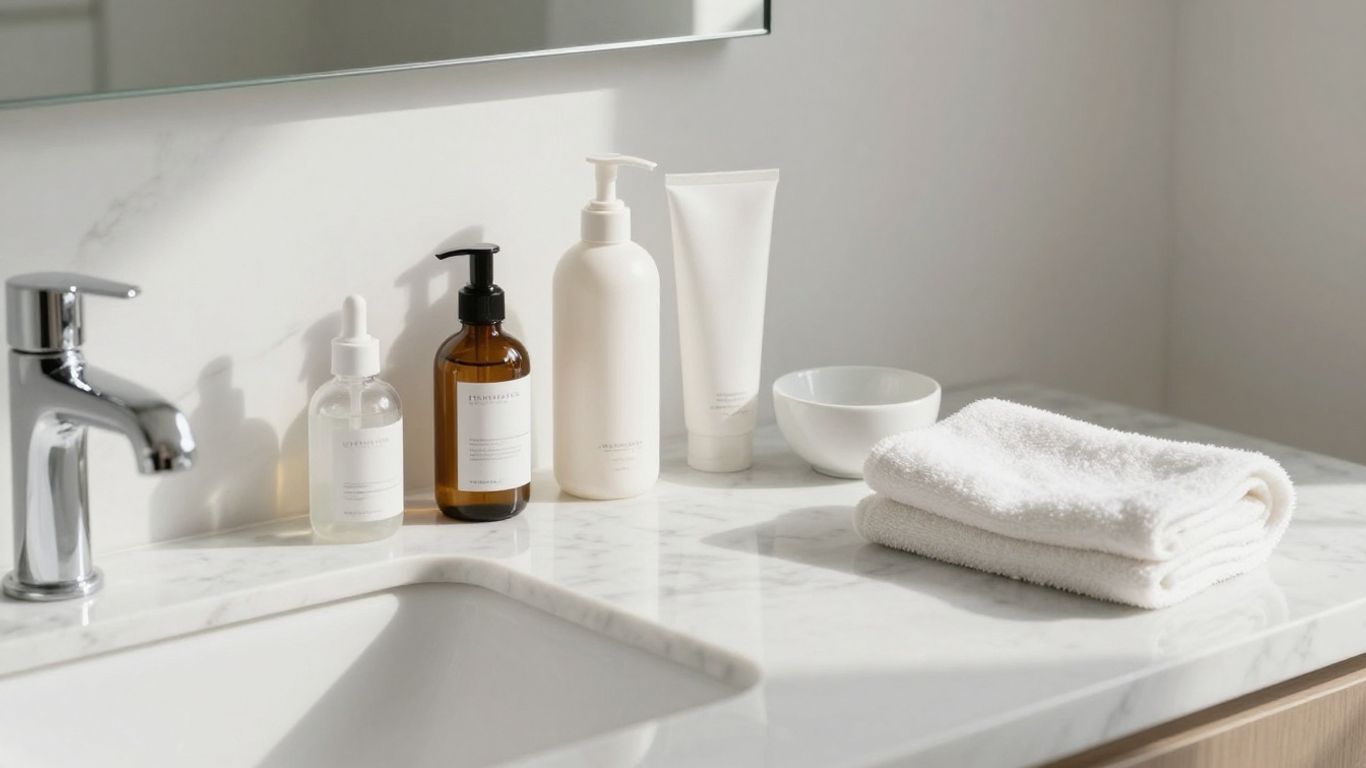
Starting your day with a focused approach ensures that your face remains protected and comfortable until sundown. The right mixture of products can regulate excess shine while keeping the delicate areas of your skin hydrated. Consistency remains your best tool for maintaining this balance.
Gentle cleansing to remove overnight buildup
While sleep is restorative, your face still collects dust and skin oils that need removal before you move forward. Utilizing a mild cleanser such as the 14f3 helps clean your pores without causing the tightness that often accompanies stronger detergents. A soft touch in the morning prevents irritation.
Targeted toning for variable hydration needs
Toners help to prepare the surface for better absorption of later products. You might choose to apply a balancing toner sparingly across the oily regions while pressing extra hydration into the cheeks. This step serves as a bridge, ensuring that your later moisturizers stick where they are needed most.
Lightweight moisturizing and sunscreen protection
Selecting a formula that doesn’t feel heavy is crucial for your comfort. The following table illustrates how to prioritize your morning hydration strategy.
| Area of Face | Priority | Recommended Texture |
|---|---|---|
| T-zone | Oil control | Gel or matte lotion |
| Cheeks | Deep hydration | Cream or emulsion |
| Eyes | Barrier support | Fragrance-free balm |
Selecting these specific textures ensures that your morning application provides long-lasting comfort across your entire face.
Nightly recovery and treatment
Nighttime allows you to focus on repair after the stresses of the day. A restorative routine handles surface debris and delivers nutrients precisely where they are required for overnight health.
Double-cleansing methods for deep pore health
Using an initial cleansing oil or balm dissolves sunscreen and makeup, letting your second cleanser reach the skin itself. This method clears the pores without dehydrating the skin barrier. It is a foundational change for those used to scrubbing their faces aggressively.
Incorporating active serums to treat congestion
Night is the prime time to introduce treatments that might be too strong for daytime use. A targeted serum can manage congestion in the T-zone while preventing acne flare-ups. Be sure to focus these potent liquids only on the areas where oil production feels elevated.
Balancing hydration to prevent overnight dryness
Finishing your night with a soothing moisturizer seals in your prior steps. Using products from b55f ensures your cheeks remain nourished throughout the night. Waking up with a balanced texture is the direct result of this final layer.
Implementing the zoning technique

Zoning is a method where you apply different products to distinct areas of the face rather than covering your whole skin with a single layer. This saves you money on product waste while giving each region exactly what it demands. Integrating this technique takes practice, but it improves your outcome over time.
Applying oil-control products to the T-zone
Focus your balancing serums and mattifying lotions purely on the T-zone. When you avoid the cheekbones with these specific formulas, you ensure that your skin isn’t stripped of the natural moisture needed to maintain a plump, healthy appearance.
Focusing rich hydrators on the cheeks
Because your cheeks often lack natural oils, they demand richer lipids that stay on the skin surface. Follow these steps to optimize your routine:
- Use a mild foaming wash for the center of your face.
- Apply a thin layer of oil-regulating gel to your forehead.
- Pat a richer, emollient cream onto your dry cheek patches.
- Avoid rubbing the T-zone product into your cheek area.
This simple sequence ensures your skin barrier remains stable throughout the day.
Adjusting application frequency based on climate
Your habits should shift when the weather becomes humid or significantly drier. Dry winter air may call for a slightly thicker cream overall, while intense summer heat might require you to switch to thinner layers for the entire face. Being reactive to your environment is key to long-term success.
Key ingredients for mixed skin
Salicylic acid for controlling sebum
This ingredient penetrates deeply into the pore lining to help manage excess oil production. Used correctly, it keeps the T-zone clear and prevents common issues like blackheads or whiteheads from forming.
Hyaluronic acid for locking in moisture
Hyaluronic acid is exceptionally effective for drawing water into the skin, making it a perfect partner for the thirsty areas of your face. It is lightweight enough that it rarely clogs pores during application.
Niacinamide for barrier health and calming
Niacinamide supports the skin’s surface and helps to minimize the look of visible pores. It is a versatile ingredient that calms inflammation that often follows breakouts in your more oily zones.
Tips for long-term consistency
Observing how stress affects skin balance
Keep an eye on how your complexion shifts during periods of high pressure. Stress responses often manifest through increased oil production or sudden sensitivity. Keeping your routine simple during these times prevents adding extra stress to your skin.
Adjusting your routine for seasonal changes
Seasonal shifts require you to pay close attention to your hydration levels. Transitioning through different temperatures helps you find the right weight of moisturizer for each part of the year.
Knowing when to simplify during sensitive periods
When your skin feels inflamed, it is best to pull back and stick to neutral products. Stripping your routine down to a gentle cleanser and a basic moisturizer allows your skin time to recover. Once the sensitivity fades, you can gradually reintroduce your targeted treatments at a slower pace.
Conclusion
Achieving a stable complexion is a continuous process of observation and adjustment rather than a rigid set of rules. By tailoring your products to the specific needs of your T-zone and dry patches, you can enjoy a routine that fosters lasting health and radiance.
Frequently Asked Questions
How often should I exfoliate combination skin?
Exfoliating once or twice per week is usually sufficient, as over-exfoliation can disrupt the protective barrier of your dry patches.
Can I use the same moisturizer for my whole face?
Using one product is possible if you choose a balanced, medium-weight formula, but layering different textures often yields superior results for distinct zones.
Why does my makeup fade only in certain areas?
Excess oil in the T-zone can break down foundation, while flaky skin on the cheeks may cause makeup to cling to patches.
Is it normal to have breakouts and dry patches simultaneously?
Yes, this is very common because the T-zone produces excess sebum while the cheeks struggle to retain their natural moisture levels.
Should I avoid soap-based cleansers entirely?
Traditional soap bars can be too harsh and drying, so opting for a gentle, pH-balanced cleanser is generally better for your health.
What should I do if my skin reacts to a product?
Discontinue use immediately and return to a very simple routine using only gentle, fragrance-free basics until the inflammation subsides.
Are toners strictly necessary for this skin type?
Toners are beneficial for balancing your skin’s pH, but they are optional if you already use a gentle, high-quality cleanser that leaves your skin feeling clean.