Key Takeaways
Understanding the landscape of beauty requires looking beyond basic offerings to find products that truly serve every skin tone. This guide explores the essential components of genuinely inclusive beauty and how to identify brands that prioritize systemic changes.
- Shade range expansion is the foundation of modern inclusivity.
- Marketing must reflect actual product performance and diversity.
- Technology now assists in more accurate shade identification.
- Corporate leadership composition often correlates with authentic representation.
- True accessibility covers packaging, formulas, and global reach.
The evolution of inclusive makeup brands
For a long time, the beauty industry operated on restricted standards that ignored the needs of many consumers, particularly those with deeper skin tones. This limitation is rapidly fading as modern beauty standards shift to embrace human diversity in its entirety. Brands that recognize this evolution are those that prioritize the lived experiences of a global customer base rather than defaulting to exclusionary industry norms.
The shift toward 40+ shade ranges
Providing 40 or more shades has become the benchmark for inclusive makeup brands. While a decade ago, companies felt satisfied with a dozen options, today, they understand that complex undertones require granular variety. This expansion allows products from Fenty Beauty to resonate with diverse audiences by acknowledging that beige is not a universal constant.
Addressing historic market gaps for deep skin tones
Historically, the market ignored deep skin tones by creating shades that looked ashen or orange rather than authentic. Addressing these gaps means moving away from simply adding "dark" versions of existing products and honestly assessing pigmentation needs. Brands like Juvia’s Place have filled these voids by creating high-pigment formulas specifically designed to complement richer skin tones effectively.
The role of consumer advocacy in driving change
Social media has empowered beauty fans to demand more from their favorite companies through persistent feedback loops. This advocacy holds brands accountable for their claims, forcing them to move beyond performative statements. By documenting their personal experiences with products, everyday creators act as a catalyst for industry-wide shifts in foundation shade ranges and product accessibility standards.
Essential features of inclusive color ranges
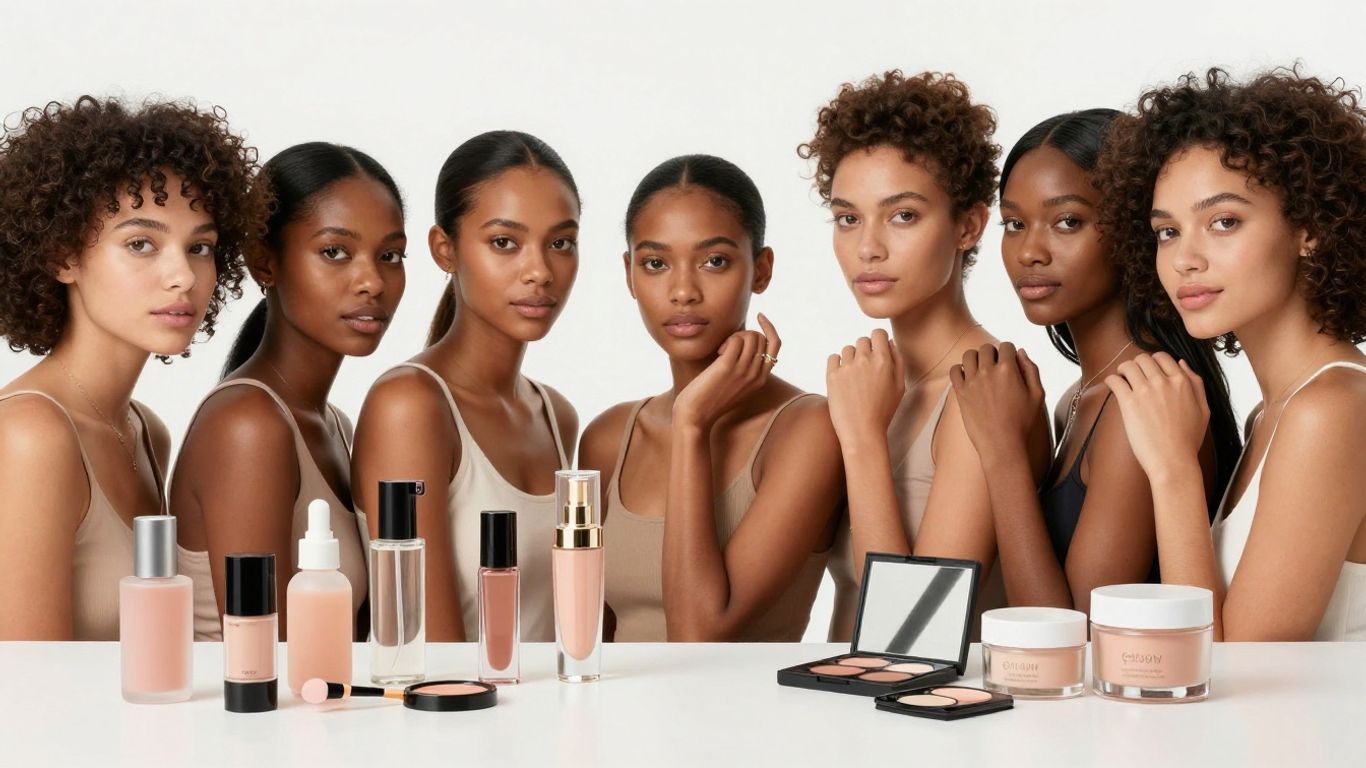
Truly diverse beauty lines are built on a scientific understanding of how colors interact with various types of melanin. Designers now look at the nuance of skin, recognizing that surface color is only one small part of the complex puzzle. True inclusivity requires a deliberate approach to formulation that respects the chemistry of real skin.
Designing for cool, warm, and neutral undertones
Understanding the spectrum of coolness and warmth is critical for creating a natural finish. Many products fail because they force a neutral tone onto skin that actually has strong olive or red undertones. High-performance brands, as highlighted in studies on innovative makeup brands, now formulate products that respect these delicate balance points.
Balancing color depth with chromatic intensity
When developing products for deeper complexions, the intensity of pigments must be high to avoid a muddy finish. It serves no purpose to have a dark shade if the color payoff is weak or prone to fading. To visualize the essential requirements for top-tier collections, consider these key balancing factors:
| Feature | Requirement | Benefit |
|---|---|---|
| Color Depth | Multi-level range | Perfect match |
| Chromatic Intensity | High pigment load | Rich saturation |
| Undertone Balance | Cool/Warm/Neutral | Natural finish |
These metrics ensure that every product delivers consistent, vibrant results that hold up throughout the day.
The importance of diverse swatching strategies in marketing
Showing products on only one type of skin is no longer acceptable for modern consumers. Brands that show multiple swatches on a range of models demonstrate confidence in their formula’s versatility. This strategy offers clarity to the buyer while visibly proving that the brand intends to serve a wide and varied customer base.
Evaluating brand authenticity and representation
It is easy to release a wide shade range, but true authenticity goes deeper than just the number of bottles on a shelf. Authentic inclusivity is rooted in a company’s DNA and its historical commitment to diversity. Consumers often look for evidence of this through external indicators and internal company practices.
Analyzing marketing imagery versus product reality
Marketing often presents a vision of diversity that does not match the actual user experience of the product. When imagery looks more inclusive than the reality of the range, it can indicate a lack of follow-through. Authentic brands align their visuals with the actual performance of their offerings on real, varied skin tones.
Reviewing the composition of corporate leadership
Who leads a company often determines whose needs are considered during the research and development process. Research into inclusive beauty brands shows that organizations with diverse leadership teams are better equipped to integrate intersectional thinking. This structural commitment leads to more nuanced products that avoid common pit-falls affecting marginalized communities.
Identifying performative marketing versus ongoing systemic change
Performative marketing often appears as a single, one-off campaign meant to capitalize on current trends. In contrast, systemic change is evidenced by consistent updates, feedback integration, and the demonstrable growth of inclusive product lines over several years. Consumers who track brand history can easily distinguish between temporary trends and a genuine, long-term dedication to providing high-quality tools for everyone.
Finding your perfect shade among diverse options
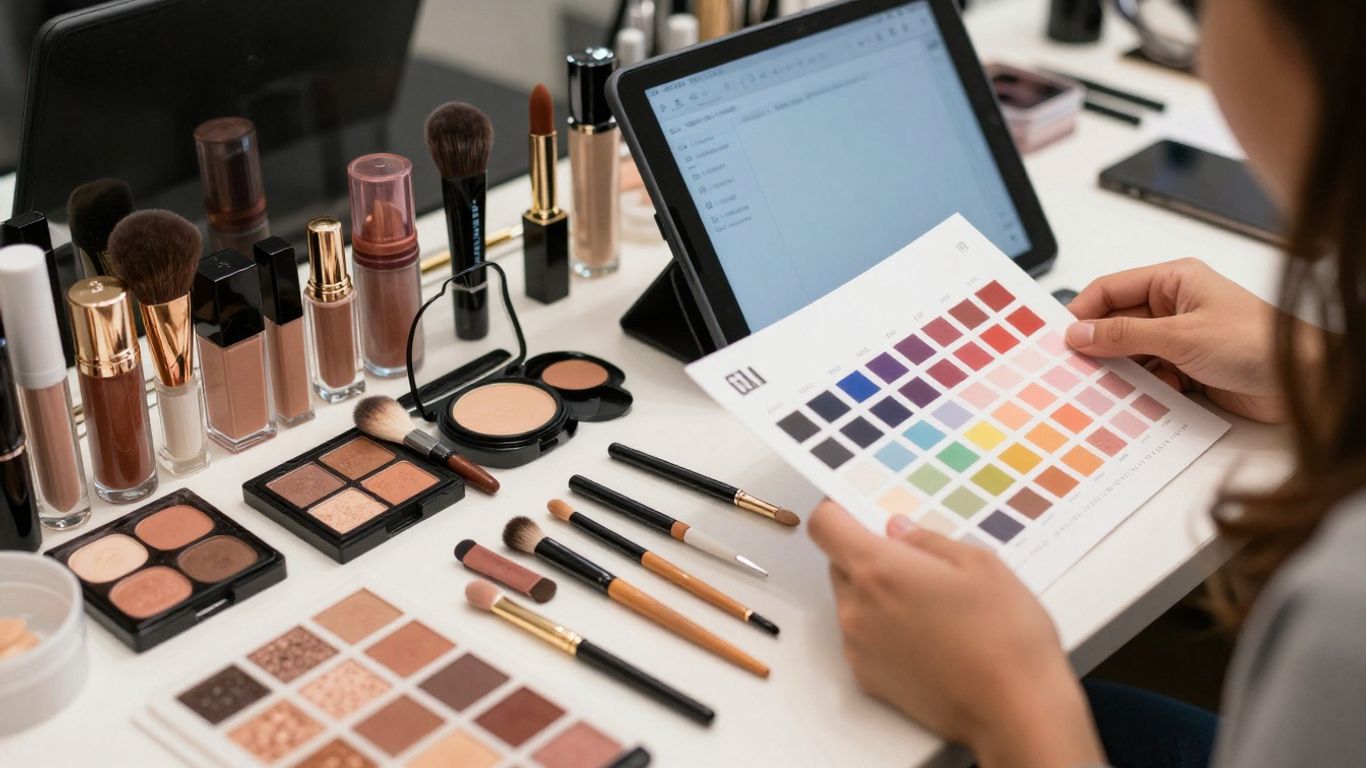
Navigating the current market can feel overwhelming, but many modern tools have simplified the process significantly. It is best to combine digital resources with physical testing to find the most accurate match. By following a structured approach, you can narrow down the complex options to find your absolute favorite product.
Utilizing online shade matching tools and quizzes
Many brands now provide digital experiences to help you determine your undertone based on specific light and skin characteristics. These tools reduce the guesswork by asking targeted questions about how your skin reacts to the sun or what veins look like under your wrist. Such digital resources offer a convenient starting point for discovering the right category for your unique needs:
- Use consistent natural lighting.
- Cross-reference your results across multiple brands.
- Compare suggested shades to current products you own.
- Check reviewer photos for real-world color matches.
These steps create a reliable foundation for your search.
Understanding skin depth versus individual tone categories
Deeply understanding your own skin often requires differentiating between depth and tone. Depth refers to the lightness or darkness of your complexion, while tone refers to whether your skin leans warm, cool, or neutral. A product that matches your depth but misses your undertone will never look perfectly natural on the face.
The benefit of requesting professional samples before purchasing
Testing products in person or through samples remains the gold standard for confirmation. Because monitors and screen brightness settings vary, the digital shade match may slightly differ from the product in your hands. Requesting a trial size allows you to test the formula for reaction, oxidation, and longevity throughout a full day of wear.
Beyond foundation: broader inclusivity in beauty
True beauty inclusivity extends well beyond foundation, reaching into every corner of the makeup bag. Eye shadows, blushes, and even the physical design of products must be considered. Inclusivity means making sure that the act of applying makeup is accessible and rewarding regardless of one’s background or physical abilities.
Inclusive formulas for hyper-pigmentation and sensitive skin
Formulas must address the specific needs of sensitive skin and hyper-pigmentation without being overly abrasive. Ingredients that soothe, color-correct, and provide hydration without causing irritation or blocking pores are essential components for modern formulations.
Expanding color palettes for high-pigment products like blush and eyeshadow
Products like blushes previously followed restrictive, muted color schemes that faded into richer skin tones without impact. Today, the focus is on developing vivid colors that can be layered for depth without appearing chalky or flat. This shift ensures that every user can express their personal style with bold and vibrant choices.
Accessibility in makeup packaging design for varied physical abilities
An often overlooked aspect of inclusivity is the ease of using cosmetic containers if you have specific physical or motor-skill needs. Innovative brands are now implementing tactile labeling and ergonomic shapes that make opening and applying products easier for everyone. > True access in beauty means considering the physical interactions between the user and the product container to ensure simple, frustration-free application for everyone.
This thoughtful approach to packaging is a necessary step that elevates the brand-to-consumer relationship.
The future of inclusive beauty industry standards
Looking ahead, the commitment to diversity must move toward a future that incorporates advanced technology and global consciousness. Standards are naturally evolving toward a model where diversity is not an add-on, but the standard operation of the beauty industry itself.
Integrating AI for personalized shade formulation
Artificial intelligence allows for incredibly precise measurements that could one day lead to fully bespoke shade manufacturing. This technology helps bridge geographic gaps and ensures that regional skin tone needs are met with scientific precision. By analyzing data on human skin variation, brands can avoid past mistakes in color consistency.
Global expansion to meet regional skin tone needs
Beauty is a global phenomenon, and brands are increasingly realizing that a one-size-fits-all approach based on only one region is fundamentally flawed. As these companies expand, they are customizing their launches to cater to the unique needs of different demographics worldwide. This global thinking fosters a more representative beauty landscape that values regional uniqueness.
Environmental sustainability and ethical sourcing in diverse product lines
Inclusivity is increasingly tied to the ethical implications of a product, including where ingredients come from and how they impact the planet. Consumers are demanding that social justice and environmental sustainability go hand-in-hand within their beauty routines. A brand’s commitment to diversity is solidified when it sources materials responsibly, ensuring that their growth does not come at the expense of equitable treatment for supply chain communities.
Conclusion
Navigating the world of beauty is increasingly rewarding, as brands that embrace everyone continue to set the industry standard. By staying informed about the products you choose and prioritizing those that demonstrate consistent effort, you contribute to a more inclusive, vibrant future for the entire community of beauty lovers everywhere.
Frequently Asked Questions
What does shade range inclusivity actually mean?
It refers to a company offering a variety of makeup shades that accurately account for both the depth of one’s complexion and the specific undertones present, ensuring no groups are excluded.
Are expensive brands always more inclusive than budget ones?
Price point does not determine inclusivity. Many affordable beauty lines have set the standard for diverse ranges, proving that accessibility is a business choice, not a budget constraint.
How can I tell if a brand is being performative?
Performative brands often focus on optics during single-event campaigns without making long-term adjustments to their shade ranges, leadership, or marketing practices. Authentic brands demonstrate continuous, sustained progress.
Why is undertone so hard to match?
Undertones are subtle and vary greatly depending on factors like lighting and skin health; standard foundational knowledge often relies on simplified categories that do not capture this biological reality.
Does AI actually help in choosing a good shade match?
AI tools provide a data-driven starting point that correlates consumer inputs with vast shade databases, significantly increasing the probability of a successful match compared to manual guessing.
Should I trust store lighting for shade matching?
Store lighting can be extremely deceptive; it is always better to test products in natural, indirect daylight to ensure the shade remains perfectly matched in real-world conditions.
What role does packaging play in inclusivity?
Inclusive packaging ensures all individuals, including those with different physical or motor abilities, can open, use, and enjoy their beauty products safely and effectively without creating unnecessary barriers.