Key Takeaways
Acne-prone skin can be oily, dry, tight, or reactive at the same time. The most useful moisturizer is the one that supports comfort and consistency without making your routine feel heavier than necessary.
- Lightweight hydration can still support a stressed skin barrier.
- A simpler routine is often easier for reactive skin to tolerate.
- Gel textures suit some oily, dehydrated complexions, while creams may feel better on dry areas.
- Introduce one new product at a time and watch how your skin responds.
- Persistent irritation, painful acne, or sudden changes deserve professional guidance.
1. CeraVe PM Facial Moisturizing Lotion for lightweight, noncomedogenic barrier support
When acne-prone skin feels both shiny and tight, a light lotion can be a sensible starting point. This kind of texture adds comfort without making the routine feel coated. For anyone searching for the best skin barrier moisturizer, the practical question is less about a universal winner and more about what your skin can use consistently.
A noncomedogenic label may feel reassuring, but it is not a guarantee that every formula will suit every person. Apply a modest amount to clean, slightly damp skin, then give it time before adding another new product. If your face still feels tight, the issue may be cleansing frequency or treatment intensity rather than a need for a much richer cream.
Keep the rest of the routine quiet while you assess it. A gentle cleanser, moisturizer, and daytime sunscreen make a clearer baseline than several acids or spot treatments introduced together. That approach also makes it easier to notice whether dryness, stinging, or congestion is actually changing.
2. La Roche-Posay Toleriane Double Repair Face Moisturizer for sensitive, acne-prone skin
Sensitive, breakout-prone skin often needs a moisturizer that feels uncomplicated. This option fits the idea of daily support for a complexion that becomes uncomfortable after cleansing or acne treatment. It may be worth considering when a bare-bones routine needs a little more cushioning without turning into a multi-step repair project.
The useful comparison is how your skin feels an hour after application, not only how it looks in the first five minutes. A comfortable finish that does not prompt rubbing or reapplication can help you stay consistent. If you are still deciding between textures, our guide to balanced combination-skin care offers helpful context for oily zones and dry patches.
A small amount applied evenly is usually a better test than layering generously. Give the formula several ordinary days, and avoid changing your cleanser, exfoliant, and acne treatment at the same time. This makes the result easier to interpret and keeps a temporary adjustment from becoming a confusing flare-up.
A quick way to compare the choices is to focus on the kind of discomfort you are trying to reduce:
| Skin situation | Texture to consider | Routine priority |
|---|---|---|
| Tightness after cleansing | Light lotion or cream | Reduce stripping steps |
| Shine with hidden dehydration | Gel cream or lotion | Add steady hydration |
| Flaking from treatment | More cushioning cream | Use fewer active products |
| Easily stinging skin | Simple, comfortable formula | Patch test first |
This table is a starting point, not a diagnosis. Skin can move between categories with weather, medication, stress, and treatment use, so reassess the feel of your routine rather than forcing yourself to stay with one texture forever.
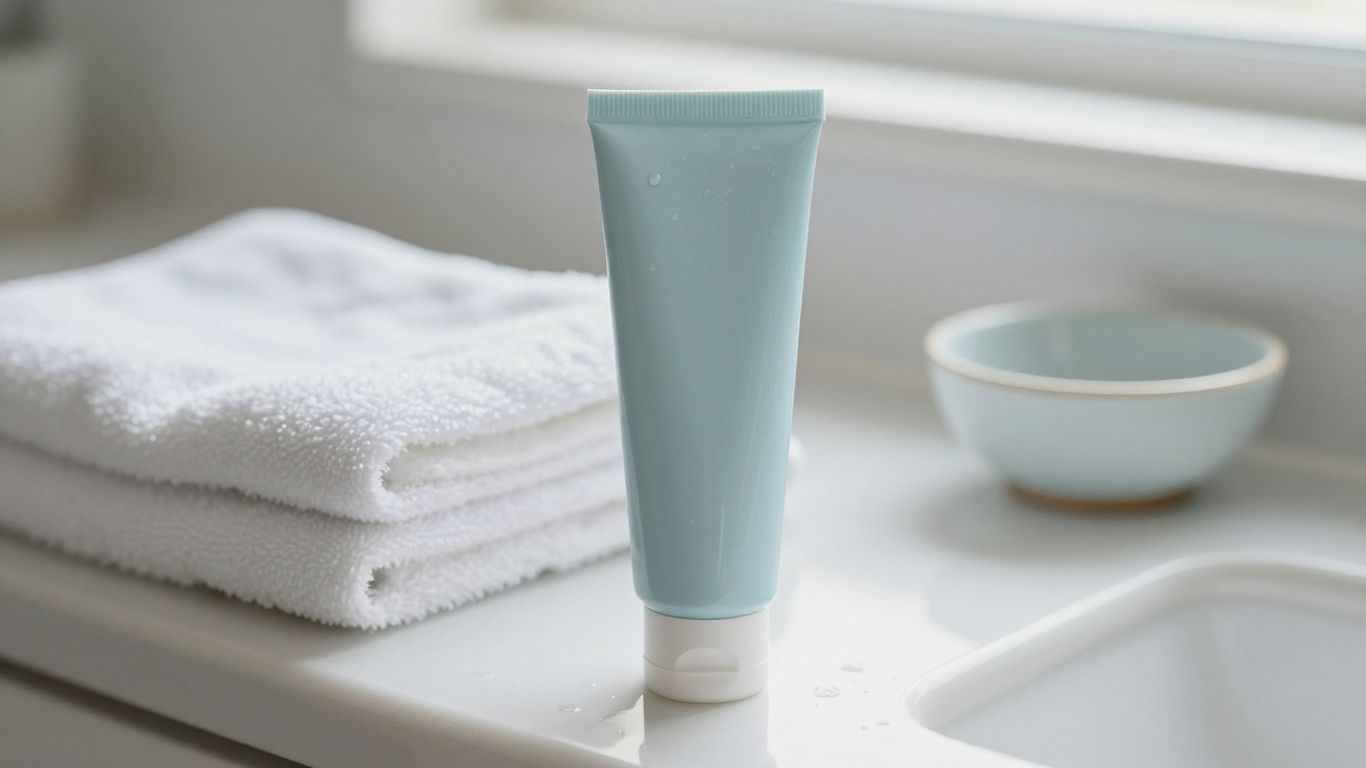
3. Vanicream Daily Facial Moisturizer for a minimal-ingredient routine
Minimal routines have a particular appeal when acne-prone skin seems to react to everything. A daily facial moisturizer in this category can help you establish a steady hydration step without making the routine feel elaborate. That is useful when you are trying to separate genuine sensitivity from irritation caused by too many products.
Start with clean hands and a small amount, especially if you dislike a noticeable film. The best test is repeated use under your normal sunscreen or makeup, since a product that feels fine alone may not suit the rest of your morning layers. At night, you can adjust the amount according to tightness and flaking.
Minimal does not mean risk-free. New products can still cause individual reactions, and a patch test is a reasonable precaution. If the skin becomes increasingly itchy, swollen, painful, or rash-like, stop experimenting and seek advice from a qualified clinician.
4. Aveeno Calm + Restore Oat Gel Moisturizer for irritated, redness-prone skin
Redness changes the way moisturizer shopping feels. A formula described as a calming oat gel may appeal to people who want hydration with a lighter, fresher finish. It can be especially attractive when richer products feel too present on the skin, yet skipping moisturizer leaves the face uncomfortable.
Apply it after cleansing while the skin still has a little residual moisture. Pressing rather than rubbing can make the process feel gentler when the face is warm or reactive. Keep expectations realistic: a moisturizer can support comfort, but it is not a substitute for evaluating persistent redness or an acne treatment that is causing ongoing irritation.
Environmental shifts matter, too. Cold air, dry indoor heat, and frequent washing can make a previously comfortable routine feel insufficient. You might use a slightly larger amount on dry areas while keeping the application thinner across oilier zones, rather than changing every product at once.
5. Neutrogena Hydro Boost Fragrance-Free Gel Cream for dehydrated oily skin
Dehydrated oily skin is easy to misread. The surface may look glossy while the face feels tight after washing, which can lead to the unhelpful cycle of cleansing harder and moisturizing less. A fragrance-free gel cream is a logical texture to explore when you want hydration without a heavy finish.
Use enough to make the skin comfortable, but do not treat a weightless feel as proof that more is always better. If tightness returns quickly, look at the entire routine: hot water, frequent cleansing, strong acne actives, and dry weather can all affect how the skin feels. Our combination-skin routine guide explains why different areas may need different amounts.
A gel can also layer more comfortably beneath sunscreen than a dense cream, though personal preference and product pairing still matter. Try the moisturizer on one ordinary morning before adding it to every step of your routine. This small test can reveal pilling, shine, or discomfort early.
When oily skin is also dehydrated, keep the routine practical:
- Cleanse gently and avoid repeated washing during the day.
- Apply moisturizer to slightly damp skin.
- Use acne treatments as directed rather than increasing frequency impulsively.
- Add sunscreen in the morning and observe how the layers sit together.
These habits do not promise clear skin overnight, but they can reduce the constant tug-of-war between treating blemishes and keeping the face comfortable. Consistency gives you better information than a rapid succession of new formulas.
6. Dieux Air Angel Gel Cream for a lightweight damaged-skin barrier moisturizer
A damaged-feeling barrier does not always call for the thickest product on the shelf. Some people prefer a gel cream because it supplies a moisturized feel without the sensation of a dense layer. This type of option belongs on a shortlist for anyone who wants lightweight support while simplifying an irritated routine.
The word “damaged” can describe tightness, flaking, stinging, or general discomfort, but those signs have many possible causes. Consider what changed before reaching for more products. A new active, over-exfoliation, weather shift, or aggressive cleansing habit may need attention alongside the moisturizer.
Use a thin, even layer first and let it settle. If your skin remains uncomfortable, adding more steps may not solve the problem; temporarily reducing strong actives may be more useful. Persistent or severe symptoms should be assessed professionally, particularly when acne and irritation appear together.
7. Etude SoonJung 2x Barrier Intensive Cream for dry, reactive acne-prone skin
Dry, reactive skin often benefits from a creamier approach, especially during colder weather or periods of treatment-related flaking. An intensive barrier cream can feel more protective than a gel, but the right amount matters when pores are also a concern. Begin with a thin layer and adjust only where dryness calls for it.
Cream texture is not automatically the enemy of acne-prone skin. What matters is how your own face responds over several uses, including whether it feels itchy, congested, or comfortably soft. Applying it mainly to the cheeks and lightly over oilier areas can be a useful way to test that balance.
Do not confuse a richer finish with faster healing. Barrier comfort usually improves through steady, low-irritation care rather than dramatic overnight changes. Keep cleansing gentle, avoid picking at flakes, and introduce only one variable at a time so you can tell what is helping.
8. Purito Oat-in Calming Gel Cream for soothing hydration without heaviness
A calming gel cream is a natural fit for readers who want soothing hydration but dislike an occlusive finish. It can be considered when the skin feels unsettled yet still produces visible oil. The appeal is simple: a comfortable layer that does not make the routine feel like a treatment in itself.
Apply it after watery products, if you use them, and before sunscreen in the morning. At night, it can stand alone while you observe whether the skin feels less tight by the following day. If it is not enough for dry patches, add a richer product only to those areas instead of coating the whole face.
Acne-prone skin rarely responds well to endless switching. Allow a new moisturizer a fair trial unless there is clear burning, swelling, or a rash. Product comfort, ease of use, and willingness to apply it regularly are meaningful parts of choosing a routine.
9. BYOMA Barrier+ Treatment for replenishing lipids without a greasy finish
When the skin feels rough or unusually vulnerable, people often look for a product that supports the barrier without leaving an oily finish. A barrier treatment in this category may suit someone who wants a more replenishing step while still preferring a relatively neat texture. The name alone, however, should not replace observing your skin’s response.
Use it after cleansing or after lighter hydration, depending on how your routine is arranged. A smaller amount can be enough during humid weather, while dry conditions may call for more attention to the areas that feel tight. Keep the application even and resist layering multiple rich products during the first trial.
Barrier care works best as part of a calm routine. If breakouts are active, do not abandon prescribed treatment without medical guidance; instead, consider whether your moisturizer can make that routine more comfortable. For additional reading on products for mixed skin, see this skincare product guide, which discusses balancing oiliness and dryness.
10. Stratia Liquid Gold for persistent dryness and barrier damage during acne treatment
Persistent dryness during acne treatment can make even a sensible routine feel difficult to maintain. A liquid-style barrier product may appeal to people who want replenishment in a format that is different from a traditional cream. It is best approached as one possible supporting step, not as a promise to resolve acne or irritation by itself.
Pay attention to timing and amount. Applying too much can make the rest of the routine feel cumbersome, while too little may not ease tightness. Start with the smallest useful layer and consider using it only where the skin feels depleted until you understand how your complexion responds.
If acne treatment is producing ongoing burning, cracking, or significant redness, contact the prescriber rather than simply adding more moisturizer. A well-chosen barrier step may improve comfort, but the underlying treatment plan may need adjustment. Gentle care, patience, and professional input are often more useful than chasing a perfect product.
Conclusion
The best skin barrier moisturizer for acne prone skin is usually the one that feels comfortable enough to use consistently and fits the skin’s current texture needs. Choose a lighter gel or lotion when weight is the main concern, a cream when dryness dominates, and simplify the rest of the routine while you evaluate the change.
Frequently Asked Questions
Can acne-prone skin use a barrier moisturizer?
Yes. Acne-prone skin can still become dehydrated or irritated, and appropriate moisturization may make a routine easier to tolerate. Choose a texture that feels comfortable, introduce it gradually, and stop if you develop a clear reaction.
How can I tell whether my skin barrier feels stressed?
Common clues include tightness, stinging, flaking, roughness, unusual sensitivity, or redness after products that previously felt fine. These signs can have different causes, so persistent or severe changes warrant professional advice.
Should I choose a gel or a cream?
A gel may feel preferable for oily or humid conditions, while a cream can feel more comfortable when dryness and flaking are prominent. Combination skin may do well with different amounts on different areas of the face.
Can moisturizer clog pores?
Any individual product may feel unsuitable for a particular complexion, even when it is marketed for acne-prone skin. Patch testing, using a moderate amount, and changing one product at a time can help you identify what works for you.
How often should I apply a barrier moisturizer?
Many people apply moisturizer after cleansing, once or twice daily according to their skin’s needs and the product directions. More frequent application is not automatically better if it causes discomfort or makes the routine difficult to maintain.
Should I stop acne treatments when my skin feels dry?
Do not change a prescribed treatment without speaking with the clinician who recommended it. You can discuss the dryness, frequency, and supporting routine with them so the plan addresses both breakouts and tolerability.
When should I see a dermatologist?
Seek professional guidance for painful or persistent acne, spreading redness, swelling, cracking, severe burning, or symptoms that do not settle after simplifying your routine. A clinician can distinguish irritation from other skin conditions and recommend an appropriate plan.