Key Takeaways
The best gel for 2C 3A hair depends on how easily your strands lose shape, how much moisture they need, and whether you prefer a soft finish or firmer hold.
- Start with a small amount and add more only where definition is needed.
- Fine 2C hair usually benefits from lighter layering and careful application.
- 3A curls may need more hold around the outer layers to manage frizz.
- Apply gel to wet or very damp hair for more even curl formation.
- A light refresh can bring back shape without repeating the entire wash-day routine.
1. Best overall: Bounce Curl Light Creme Gel
Choosing one overall gel for a mixed 2C and 3A audience is tricky because the textures can behave quite differently. Some sections may form waves easily, while others need stronger encouragement to become defined spirals. The most useful overall choice is therefore the one that fits your preferred finish and application habits, rather than a universal promise.
Use a modest amount on soaking-wet hair, then spread it between your palms before smoothing it over the lengths. Scrunch upward to help the natural pattern gather, and avoid repeatedly touching the hair as it dries. If the result feels too firm, gently squeeze the dry curls once the surface is no longer damp.
A good test is to use the same amount on two wash days and change only the water level in your hair. More water generally helps distribute styling product, while less water can make a small amount feel concentrated. This simple comparison makes it easier to decide whether the overall pick suits your density, porosity, and desired definition.
2. Best for lightweight definition: Giovanni L.A. Natural Styling Gel
Lightweight definition matters when 2C waves flatten easily or when fine strands lose lift under too much layering. Begin with wet hair and work in sections, using your hands to guide the wave rather than pulling it straight. The goal is an even coating that supports shape without making the roots feel coated.
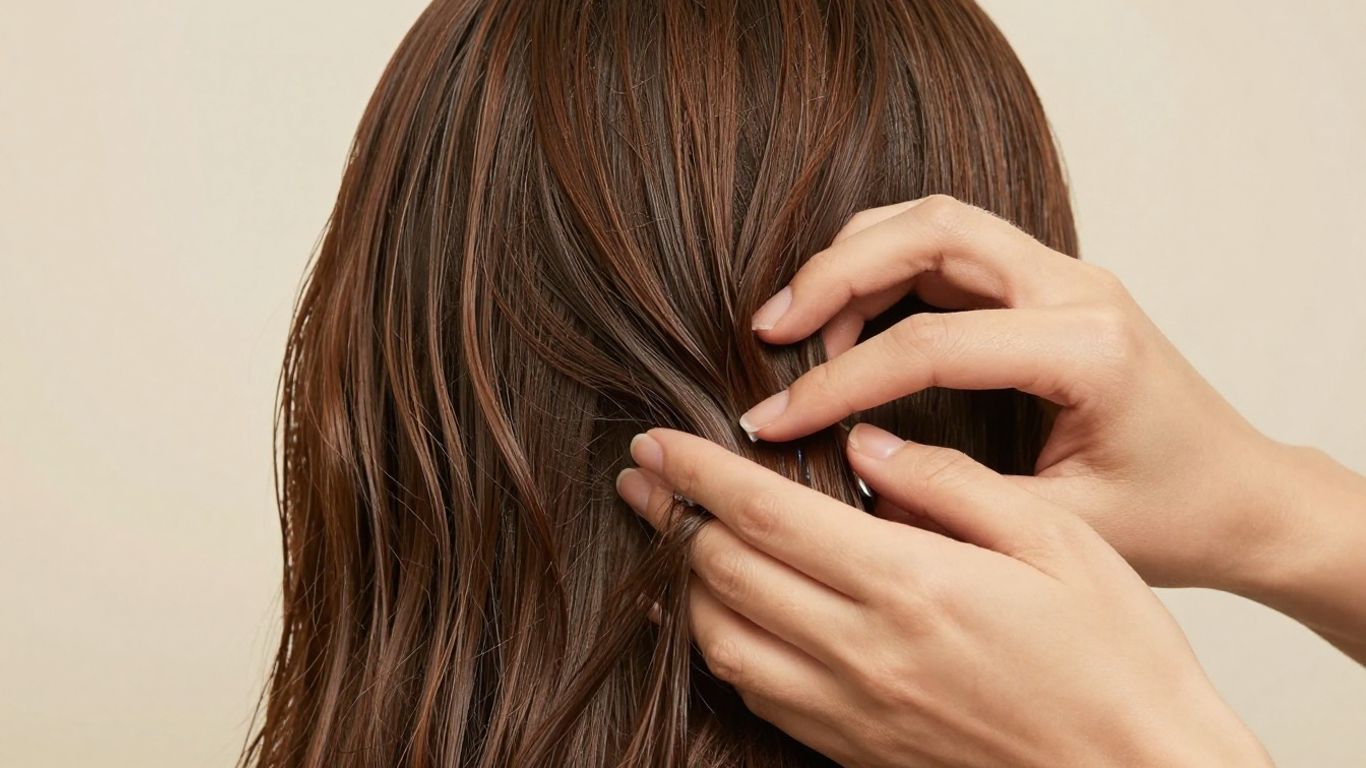
Keep the product concentrated from the middle of the hair toward the ends if your roots need volume. A gentle scrunch can encourage bends, but vigorous handling may create unnecessary fuzz before the hair has dried. Small amounts build control more reliably than one heavy application.
If you are comparing gel with mousse, the gel versus mousse guide can help clarify the difference between definition and lift. For a broader routine, the Type 2C hair guide is also a useful reference when deciding how much moisture and manipulation your waves can handle.
3. Best for soft, touchable curls: Innersense I Create Hold
A soft finish is not the same as no hold. Curls can feel touchable while still keeping a recognizable shape, especially when the product is applied evenly and the hair is allowed to dry without constant rearranging. This approach works well for anyone who dislikes a stiff or overly lacquered result.
Try raking a small amount through the wet lengths, then follow with praying-hands smoothing over areas that tend to frizz. Scrunch once or twice, blot excess water with a soft cotton fabric, and let the curls settle. If the ends feel dry, add water before adding more gel; extra product is not always the missing step.
The finish will also depend on drying technique. Air-drying may leave a gentler surface, while diffusing can encourage more lift when used with low heat and low airflow. Whichever method you choose, wait until the hair is fully dry before judging whether the hold feels too firm.
4. Best for humidity control: Ouidad Advanced Climate Control Heat & Humidity Gel
Humidity can make carefully shaped waves expand and can blur the edges of 3A curls. Application matters as much as the product category: hair should be evenly wet, sections should be coated, and the outer layer should not be ignored. A thin, consistent film is usually easier to manage than concentrated patches.
For a practical humidity-focused routine, keep the sequence simple:
- Detangle while the hair is wet and conditioned.
- Apply gel in sections, smoothing from roots toward ends.
- Scrunch upward without rough towel drying.
- Let the hair dry completely before separating curls.
These steps reduce the handling that can disturb the pattern before it sets. The anti-humidity gel guide offers another place to compare application ideas, especially if your hair changes noticeably between dry and humid weather.
5. Best for fine 2C hair: Uncle Funky’s Daughter Curly Magic
Fine 2C hair often needs definition without losing its airy movement. The safest starting point is less product than you think you need, applied over very wet strands so it can spread rather than sit in one place. Keep the roots light, and place more attention on the areas where the wave disappears first.
If your hair has low density, divide it into fewer sections and avoid layering several rich stylers at once. If it has more density, smaller sections may help you reach the interior without adding excessive product overall. The lightweight products guide gives useful context for fine, low-density 2B, 2C, and 3A hair.
Watch how your hair behaves on the following day, not only immediately after styling. Flat roots, sticky ends, or a dull surface may indicate too much product, while fuzzy ends and rapidly falling waves may suggest you need more even coverage. Adjust one variable at a time so you can tell what actually helped.
6. Best for frizz-prone 3A curls: Jessicurl Spiralicious Styling Gel
Frizz-prone 3A curls usually benefit from a deliberate application pattern. Smooth gel over small sections, encourage each curl to coil naturally, and resist separating clumps until the hair is dry. This is especially helpful around the crown and perimeter, where movement and friction can disturb definition first.
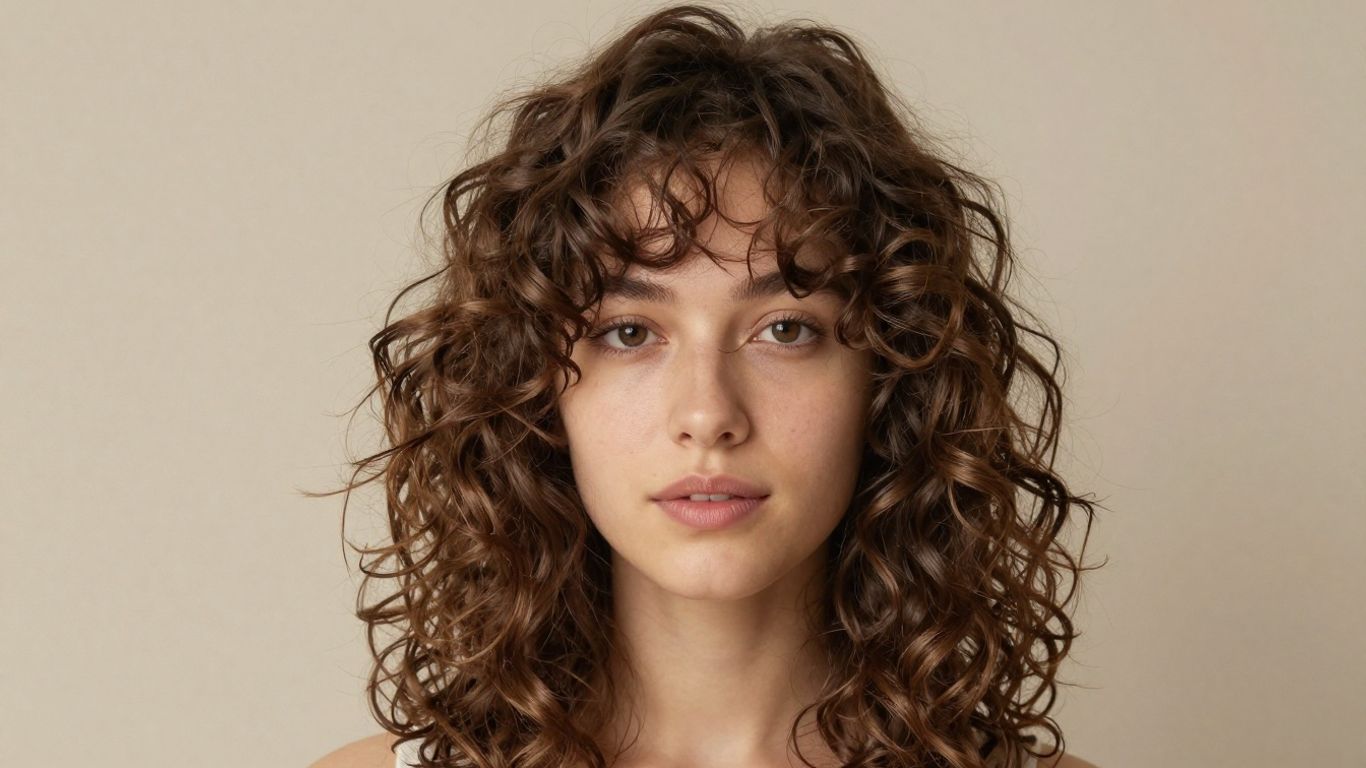
A stronger-looking result does not require brushing every strand into place. Use your fingers to group curls, then scrunch with open hands. Once dry, loosen any firm feeling gently, beginning at the ends and moving upward instead of pulling through the whole head.
For more pattern-specific care, the Type 3A hair guide covers everyday considerations such as moisture, frizz prevention, and styling. Those fundamentals matter even when you change gels, because a product cannot fully compensate for rough detangling or repeated touching while the hair dries.
7. Best curl custard alternative: Kinky-Curly Original Curling Custard
A custard-style option can appeal to people who want their curls to look grouped and moisturized rather than sharply set. With 2C and 3A hair, the key is to assess how much slip and weight your strands can tolerate. Start with wet hair and a thin layer, especially if your waves lose volume quickly.
Think of the product as one part of the styling routine, not a replacement for every other step. Clean, well-conditioned hair may need less, while dry or porous lengths may distribute product unevenly unless you add water as you work. Scrunching can bring the curl pattern together, but squeezing too aggressively can create frizz.
A useful comparison is to style one side with your usual gel and the other with the custard-like texture. Keep the section size and drying method similar, then compare softness, definition, and next-day shape. That small experiment is more revealing than judging a formula from its texture in your palm.
8. Best for wash-and-go styles: Curlsmith In-Shower Style Fixer
Wash-and-go styling works best when the routine is prepared before the hair begins drying. Detangle thoroughly, apply styling product while the strands are still wet, and use a consistent motion from section to section. This helps the curls form without requiring a long finishing session.
The order of operations is simple, but the details make a difference. Keep a spray bottle nearby if sections start drying too soon, and avoid piling wet hair on top of already styled hair. The gels for curly hair guide can provide another general reference when you want to compare hold, finish, and styling goals.
After styling, allow the hair to dry fully before fluffing the roots or breaking up any cast. A wash-and-go does not have to look identical every time; the same routine may create looser waves on one day and tighter curls on another depending on moisture, handling, and drying conditions.
9. Best budget-friendly gel: Eco Style Olive Oil Styling Gel
A budget-friendly gel can be useful when you are still learning how much product your hair needs. Rather than applying a large amount because the container is economical, begin with a small portion and spread it through wet hair. This keeps the test fair and helps prevent the heavy, coated feeling that can come from overapplication.
Use your hands to smooth the product over the surface, then scrunch the lengths. If the roots need lift, leave them relatively free of product and focus on the mid-lengths and ends. Clarifying or cleansing thoroughly when buildup appears can help you evaluate the gel again with a clean starting point.
The same practical mindset applies to styling tools and routines. For example, the LED lighting guide discusses matching an upgrade to the existing setup; hair care also benefits from matching product amount to the hair you actually have, rather than following a fixed quantity.
10. Best for refreshing curls between wash days: Not Your Mother’s Curl Talk Frizz Control Sculpting Gel
Refreshing is usually a matter of reactivating what is already there, not recreating wash day. Mist the hair lightly with water, smooth a tiny amount over frizzy or collapsed areas, and scrunch only where the pattern needs help. Applying product to the whole head can add weight before you know whether the curls actually need it.
Work in a few practical zones: the front, the crown, and the ends. If only one area has lost shape, leave the rest alone. A refresh should preserve the good parts of the previous style while giving the tired sections enough moisture and control to regroup.
Give the hair time to dry before deciding whether the result worked. If curls feel tacky, use less gel next time and more water; if they feel dry and undefined, begin with a little more water and check whether the original wash-day application was evenly distributed. Small adjustments make between-wash styling much more predictable.
Conclusion
The best gel for 2C 3A hair is the one that respects the difference between airy waves and springier curls. Start with wet hair, use less than you think, watch how the style behaves after drying, and adjust based on your own density, porosity, and preferred finish rather than chasing a single definition standard.
Frequently Asked Questions
Is 2C hair the same as 3A hair?
No. Type 2C is generally wavier, while type 3A forms more visible spirals, though one head can naturally include both patterns.
How much gel should I use on fine hair?
Start with a small amount, spread it with wet hands, and add only where the hair still needs definition. Fine strands are often easier to weigh down.
Should gel go on wet or dry hair?
Gel usually spreads more evenly on wet or very damp hair. Water helps distribute the product and can make the final finish less concentrated.
How can I avoid crunchy curls?
Use a smaller amount, allow the hair to dry completely, and gently squeeze the curls afterward if a firm cast remains.
Why does my hair look frizzy after styling?
Frizz can come from uneven product coverage, rough towel drying, touching the hair while it dries, or insufficient moisture. Change one part of the routine at a time.
Can I use gel to refresh curls?
Yes. Lightly mist the hair with water first, then apply a very small amount only to areas that have lost shape or become fuzzy.
How do I choose between lighter and stronger hold?
Choose lighter hold when volume and movement matter most. Choose stronger hold when your curls lose definition quickly or expand noticeably in humidity.