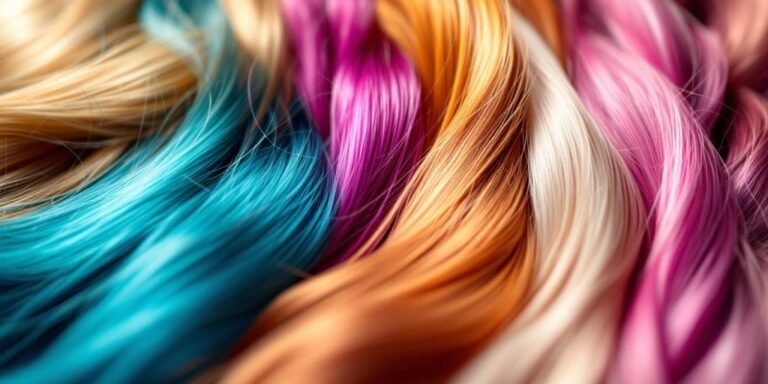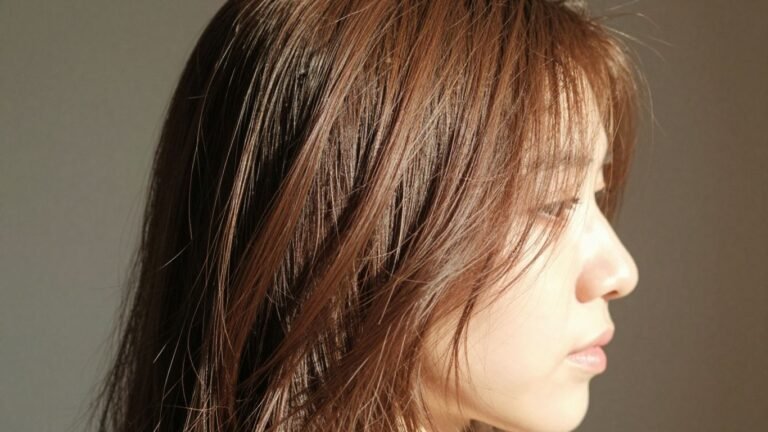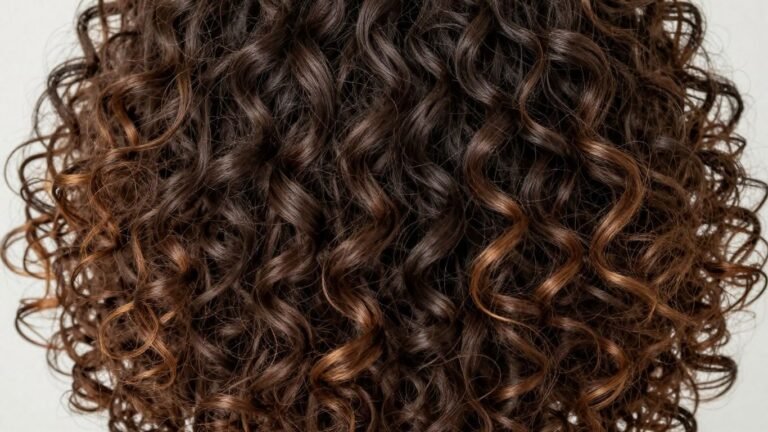
Caring for diverse hair textures requires a thoughtful approach. Here are the main things to keep in mind for healthy, happy hair:
Key Takeaways
- Understand that different hair textures have unique needs, especially when it comes to moisture.
- Choose gentle cleansing methods like co-washing or sulfate-free shampoos to avoid stripping natural oils.
- Detangle hair carefully using the right tools and conditioners to prevent breakage.
- Regularly deep condition with moisture-rich treatments to keep hair hydrated and strong.
- Protect your hair with gentle styling and nighttime routines to maintain its health and length.
Understanding Your Unique Hair Needs
Embracing your natural hair is a big step, and knowing what it actually needs is the first part of the journey. It’s not just about picking up any product off the shelf; it’s about understanding the unique characteristics of your strands. Your hair is not like anyone else’s, and that’s the beauty of it.
Recognizing Diverse Hair Textures
Hair comes in a spectrum of textures, often categorized by numbers and letters. You’ve probably heard of Type 1 (straight), Type 2 (wavy), Type 3 (curly), and Type 4 (coily). But within those categories, there’s so much variation. Think about the diameter of a single strand – is it fine, medium, or coarse? This texture, along with your curl pattern, dictates how your hair behaves and what it needs. For instance, fine hair might get weighed down easily, while coarse hair might need richer products. Understanding this helps you choose the right tools and treatments, like knowing which detangling tools work best for your specific pattern.
The Importance of Moisture for Textured Hair
Many textured hair types, especially those with tighter coils and curls, have a harder time retaining moisture. The natural oils produced by your scalp often struggle to travel down the entire length of the hair shaft due to its twists and turns. This means dryness can be a constant battle. Keeping your hair hydrated is key to preventing breakage and maintaining elasticity. Without enough moisture, hair becomes brittle and prone to damage, especially when styled or manipulated. It’s why focusing on moisture-rich products and techniques is so important for hair health.
Genetics and Environmental Factors in Hair Health
Your hair’s behavior is a mix of what you inherited and what you’re exposed to. Genetics plays a huge role in determining your hair’s natural texture, density, and even how it grows. But don’t forget about your environment. Things like humidity levels, the water quality where you live, and even the climate can affect your hair. For example, dry, arid air can strip moisture, while high humidity might make hair frizzier. Your lifestyle also matters – how often you exercise, your diet, and even stress levels can impact your hair’s health and appearance. It’s a complex interplay that means what works for someone else might not be the perfect fit for you, and knowing your hair type is just the starting point.
Gentle Cleansing for Multicultural Hair Care
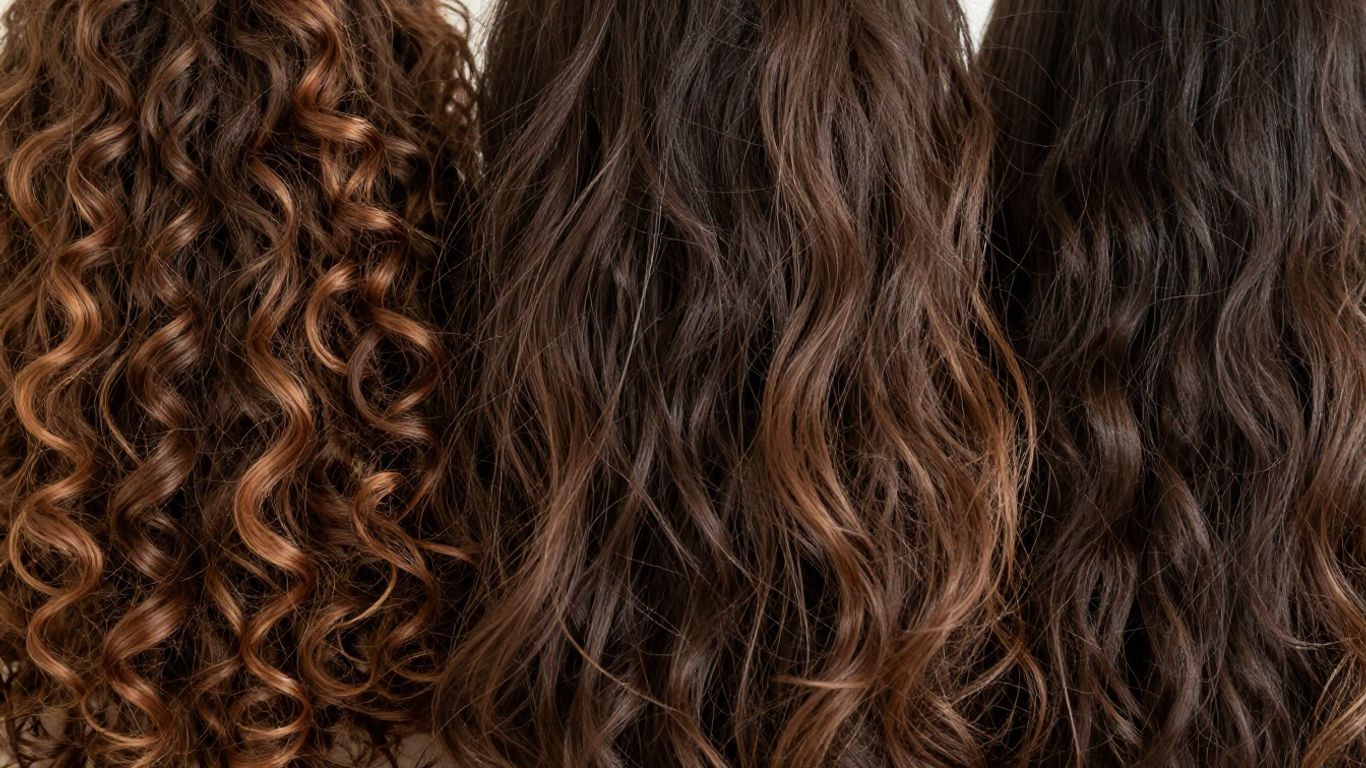
When it comes to keeping your hair clean without turning it into a dry, frizzy mess, cleansing is where a lot of people stumble. It’s not just about getting rid of dirt; it’s about doing it in a way that respects your hair’s natural oils and structure. The goal is to clean your scalp and strands without stripping them bare.
Co-Washing: A Moisture-Preserving Alternative
Think of co-washing as a gentle hug for your hair. Instead of a harsh shampoo, you use a conditioner to wash your hair. This is fantastic for keeping moisture in, especially if you find regular shampoos too drying. You can do this every other wash, or whenever your hair feels like it needs a refresh but not a deep clean. It helps maintain that natural lubrication that keeps hair soft and manageable. Some conditioners are specifically made for this, but even a good moisturizing conditioner can work in a pinch. It’s a game-changer for hair that’s prone to dryness.
Choosing Sulfate-Free Shampoos
If co-washing isn’t enough, or you prefer a shampoo, make sure it’s sulfate-free. Sulfates are those strong detergents that make shampoo foam up, but they can also strip away all the good oils your hair needs. For multicultural hair, which often has a natural tendency towards dryness, this is a big no-no. Look for shampoos with ingredients like shea butter, coconut oil, or aloe vera. These are much kinder and help clean without that harsh stripping feeling. You can find some great options at places that focus on natural hair products.
Focusing on Scalp Health During Cleansing
Don’t forget your scalp! A healthy scalp is the foundation for healthy hair. When you’re cleansing, take a few extra moments to really massage your scalp. This helps to remove any buildup of product, dead skin cells, or excess oil that can clog your follicles. A gentle massage also increases blood flow, which is good for hair growth. If you have a sensitive scalp, using lukewarm water instead of hot water can make a big difference. Remember, the scalp is skin, and it needs care too.
Cleansing multicultural hair requires a delicate balance. It’s about removing impurities while preserving the natural oils that keep your hair hydrated and vibrant. Opting for gentler methods and products is key to maintaining hair health and preventing dryness or damage.
Effective Detangling Techniques
Detangling textured hair can feel like a battle sometimes, right? It’s not just about pulling a comb through; it’s a whole process that needs a gentle touch and the right approach. The key is to work with your hair’s natural pattern, not against it. Rushing this step is a fast track to breakage and frustration. We want to preserve as much moisture and integrity as possible.
Selecting the Right Detangling Tools
Forget those fine-tooth combs that snag and pull. For textured hair, you need tools designed for the job. Think wide-tooth combs, picks, and brushes with flexible bristles that can glide through kinks and coils without causing a fuss. Your fingers are also amazing detanglers, especially when paired with the right products. When choosing tools, look for ones made with materials that don’t create static, like plastic or wood. Some people swear by brushes specifically made for textured hair, like the Denman brush or a Tangle Teezer, but always start with the gentlest option available.
The Role of Slippery Conditioners
This is where the magic happens. A good detangling session relies heavily on slip. You want a conditioner that feels super slick between your fingers when you apply it. This slipperiness helps the comb or brush glide through knots and tangles with minimal resistance. It’s like giving your hair a protective coating that allows the tool to slide through instead of getting stuck. Look for conditioners with ingredients like plant-based oils (think avocado, coconut, or argan oil) that help smooth the hair cuticle. Using a generous amount of a good conditioner is way better than forcing your way through dry, tangled strands. You can even do this in the shower with warm water running to help the conditioner work its way in.
Sectioning for Easier Detangling
Trying to detangle your entire head of hair at once is a recipe for disaster. It’s overwhelming for you and your hair. The best strategy is to divide your hair into manageable sections. Start by clipping up larger portions of your hair, then work on one small section at a time. This allows you to focus your attention and product on a smaller area, making it much easier to find and gently work out any knots. Always start detangling from the ends of your hair and work your way up towards the roots. This prevents you from pulling tangles tighter and causing more damage. Be patient; this method might take a bit longer, but the results are worth it for healthier, happier hair. It’s a bit like untangling a necklace – you start at the end and work your way back to the clasp.
Detangling is not a race. It’s a mindful practice. Treat your hair with the care it deserves, and it will thank you with less breakage and more manageability. Patience is truly a virtue when it comes to caring for textured hair.
Deep Conditioning for Optimal Hair Health
Okay, so we’ve talked about washing and detangling, but what about that extra boost of goodness? That’s where deep conditioning comes in. Think of it as a spa day for your hair, giving it some serious TLC.
The Necessity of Regular Deep Treatments
Seriously, don’t skip this step. Textured hair, with all its twists and turns, can have a tough time keeping moisture all the way down the hair shaft. This means it’s often drier and more prone to breaking. Regular deep conditioning treatments are your secret weapon against dryness and damage. They help to replenish lost moisture, strengthen the hair strands, and improve overall elasticity. How often you do it really depends on your hair, but aiming for weekly or bi-weekly is a good starting point. You’ll notice a difference in softness and manageability pretty quickly.
Moisture-Rich Masks and Protein Treatments
When you’re picking out a deep conditioner, you’ll see a lot of options. For most of us, focusing on moisture-rich masks is key. Look for ingredients like shea butter, coconut oil, avocado oil, and honey. These are like a big drink of water for your hair. However, sometimes your hair might need a little more than just moisture. If your hair feels weak or overly stretchy, a protein treatment can help. These treatments help to rebuild the hair’s structure. It’s a good idea to alternate between moisture masks and protein treatments, paying attention to how your hair responds. Too much protein can make hair stiff, so balance is important.
Here’s a quick way to think about it:
- Moisture Masks: For dryness, frizz, and general softness.
- Protein Treatments: For weakness, breakage, and lack of elasticity.
Enhancing Penetration with Heat or Caps
So, you’ve slathered on that amazing deep conditioner. Now what? To really get the good stuff to soak in, you can give it a little help. Using a plastic shower cap is a simple way to trap your body heat, which helps the conditioner penetrate the hair shaft better. You can even take it up a notch by using a hooded dryer or a steamer for about 15-30 minutes. This gentle warmth opens up the hair cuticles, allowing the nourishing ingredients to work their magic more effectively. It might seem like a small step, but it makes a big difference in how soft and hydrated your hair feels afterward. It’s a great way to get salon-level results at home, especially if you’re looking for intense hydration.
Sometimes, the simplest routines yield the best results. Don’t overcomplicate things; focus on consistent care and observe how your hair reacts to different treatments. What works wonders for one person might not be ideal for another, so personal observation is your best guide.
Mastering Moisture Retention Strategies
Keeping moisture in your hair can feel like a constant battle, especially with textured hair types. It’s not just about applying products; it’s about how and when you apply them. Different curl patterns and densities hold onto moisture differently, so what works for one person might not work for another. The goal is to create a routine that seals in hydration and prevents it from escaping.
Sealing Strands with Lightweight Oils
After washing and conditioning, your hair is most receptive to moisture. This is the perfect time to lock it all in. Instead of heavy oils that can weigh down finer textures, opt for lighter ones. Think grapeseed, jojoba, or even a good quality fractionated coconut oil. These oils are great for sealing the cuticle without leaving a greasy residue. Gently smooth a small amount over damp hair, focusing on the mid-lengths and ends. This step is particularly helpful if you have hair that tends to dry out quickly. For those with lower porosity hair, lighter oils are often a better choice as they won’t sit on top of the cuticle. You can find some great options for lightweight hair oils that won’t weigh your strands down.
Layering Leave-In Conditioners and Creams
This is where the LOC (Liquid-Oil-Cream) or LCO (Liquid-Cream-Oil) method comes into play. It’s all about building layers of hydration. Start with a water-based leave-in conditioner. This provides the initial hydration. Then, follow up with a cream-based moisturizer. Creams are fantastic for providing a thicker layer of moisture and definition. If you’re using the LOC method, you’d apply your oil after the leave-in and before the cream. If you’re going with LCO, the oil comes last to seal everything in. Experiment to see which order works best for your hair. This layering approach helps to keep your hair hydrated for longer periods.
Daily Hydration Rhythms
Don’t wait until wash day to rehydrate your hair. Throughout the week, your hair might need a little pick-me-up. A light mist of water or a diluted leave-in conditioner can make a big difference, especially in dry environments. You can also try spritzing your hair with water and then applying a small amount of your favorite hair cream or oil to refresh your style and add moisture back in. This daily attention helps maintain your hair’s softness and manageability between washes. It’s about consistency, not just big treatments. Think of it as a gentle, ongoing conversation with your hair about its hydration needs.
Keeping your hair moisturized isn’t a one-time event; it’s a continuous process. By understanding how different products interact with your hair’s unique structure and implementing a consistent routine, you can significantly improve its health and appearance. Pay attention to how your hair feels and adjust your product choices and application methods accordingly.
Protective Styling for Hair Longevity
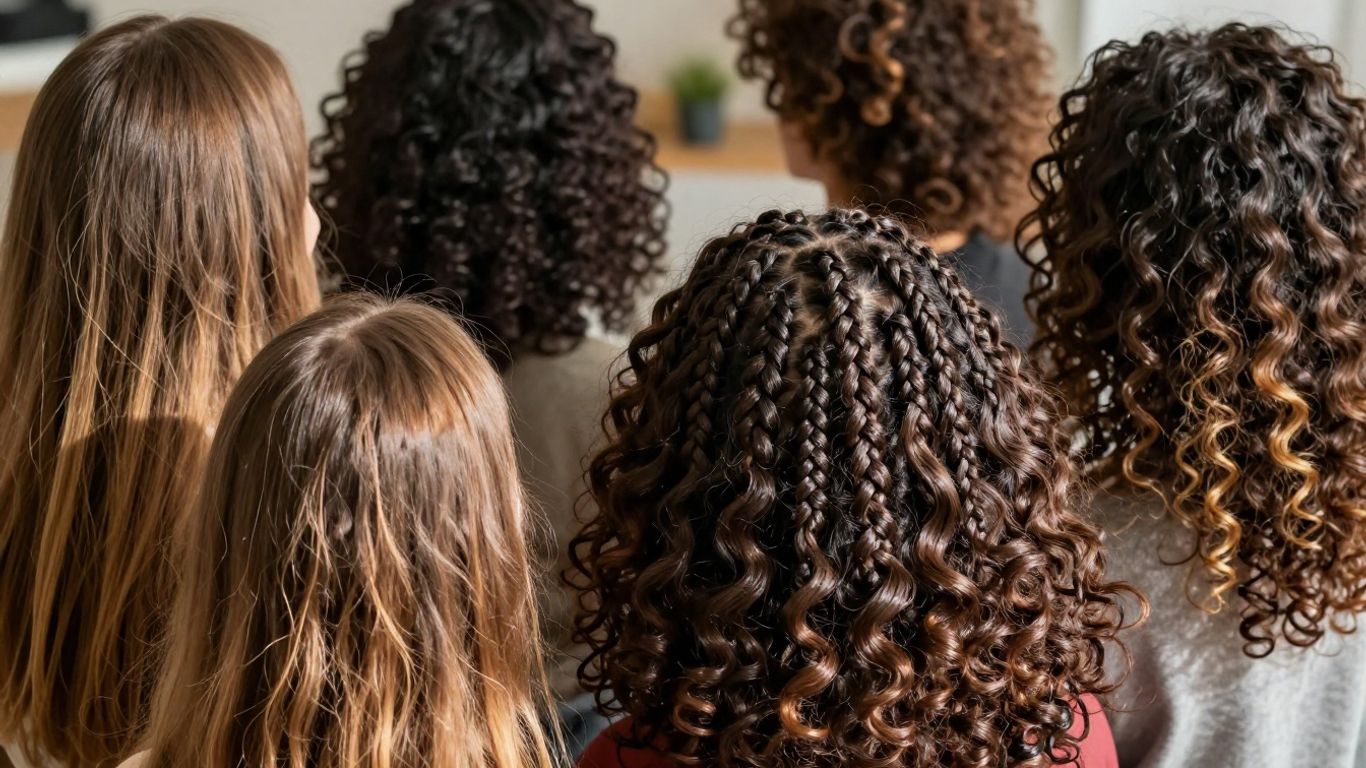
Protective styles are a game-changer when you’re trying to keep your hair healthy and growing. The main idea is to tuck away your ends, which are the oldest and most fragile parts of your hair, and give them a break from all the daily fuss. Think of it as giving your hair a vacation from friction and manipulation.
Shielding Ends from Friction
This is probably the most important part of why protective styles work. When your ends rub against clothes, your shoulders, or even just the air, they can split and break. Styles like braids, twists, or even a neat bun keep those ends safely tucked away. This means less breakage and more length retention over time. It’s a simple concept, but it makes a huge difference. You can find some great ideas for summer protective hairstyles that are both stylish and functional.
The Benefits of Braids and Twists
Braids and twists are super popular for a reason. They’re versatile, they look great, and they really do protect your hair. When you get them done, make sure the person installing them isn’t pulling too tight, especially around your hairline. Too much tension can lead to hair loss, which is the opposite of what we want. Keeping the installation gentle is key to getting the benefits without the drawbacks. These styles are a fantastic way to minimize damage and breakage.
Avoiding Traction Alopecia with Gentle Styles
This is a big one, and it’s worth repeating: gentleness is everything. Traction alopecia happens when hairstyles pull too tightly on your scalp for a long time. This can cause permanent hair loss. So, when you’re getting braids, twists, cornrows, or any style that involves tension, speak up if it feels too tight. Also, don’t keep styles in for too long. Give your scalp and roots a break in between. Rotating styles and giving your hair periods of rest is just as important as the style itself. It’s all about balance and listening to your hair and scalp.
Nighttime Routines for Hair Protection
Okay, so you’ve done all the work during the day – cleansing, conditioning, styling – and now it’s time to sleep. What you do (or don’t do) before hitting the pillow can make a huge difference in how your hair looks and feels in the morning. It’s all about preserving that hard-earned moisture and preventing damage while you catch some Zs.
Satin Bonnets and Pillowcases
This is probably the most talked-about tip, and for good reason. Cotton pillowcases are like little moisture-sucking vampires for your hair. They create friction, leading to frizz and breakage. Switching to a satin or silk pillowcase is a simple change that really helps. Your hair will thank you for it. If you prefer something more secure, a satin bonnet or scarf works wonders too. It keeps your hair contained and protected from rubbing against anything rough. It’s a game-changer, especially if you toss and turn a lot. For kids, this is especially helpful to keep their delicate curls protected overnight.
Reapplying Moisturizers Before Bed
Think of this as a little top-up for your hair’s hydration. If your hair feels a bit dry or you know you’ll be sleeping on it for a while, a light application of moisturizer can be beneficial. You don’t need a lot – just a fingertip amount of your favorite leave-in conditioner or a lightweight oil. Focus on the ends, as they’re the oldest and most fragile part of your hair. This extra bit of hydration helps keep your strands supple and less prone to snapping.
Gentle Twisting for Overnight Care
If you’ve styled your hair in twists or braids during the day, you might want to maintain that structure overnight. Instead of just letting it all hang loose, gently twist larger sections of your hair. This helps prevent tangles and keeps your style intact without putting too much stress on your roots. It’s a way to extend the life of your style and reduce the need for aggressive detangling in the morning. It’s not about creating a super tight style, but more about loosely grouping your hair to minimize friction and matting. This is a great strategy for managing curly hair overnight.
Conclusion
Taking care of multicultural hair is a journey, not a destination. It’s about learning to listen to your hair’s needs and adapting your routine as you go. Remember that moisture is your best friend, gentle handling is key, and protective styles can make a world of difference. Don’t be afraid to experiment with different products and techniques to find what works best for you. With patience and the right approach, you can keep your beautiful hair healthy, vibrant, and strong. Embrace the process and enjoy the results!
Frequently Asked Questions
What’s the biggest difference between caring for different hair types?
The main thing is how much moisture each hair type needs and how easily it loses it. Some hair, like very curly or coily types, has a harder time getting natural oils from the scalp all the way down the hair shaft. This means you often need to add extra moisture back in.
Is co-washing really better than shampoo?
Co-washing, or washing with conditioner, is great for adding moisture and is gentler than many shampoos. It’s a good idea to do it sometimes, but you might still need a regular shampoo every so often to get rid of buildup, especially if you use a lot of styling products.
How can I detangle my hair without causing pain or breakage?
The secret is to use a lot of conditioner to make your hair slippery. Then, use a wide-tooth comb or your fingers, starting from the ends and working your way up to the roots. It’s also helpful to work in small sections.
How often should I deep condition my hair?
It really depends on your hair, but most people with textured hair benefit from deep conditioning at least once a week or every other week. This helps to restore moisture and keep your hair feeling soft and healthy.
What are protective styles and why are they good for my hair?
Protective styles are hairstyles that tuck away your ends, like braids, twists, or buns. They help prevent friction and damage from things like clothing or the environment, which can lead to less breakage and help your hair grow longer.
Why should I use a satin bonnet or pillowcase at night?
Cotton can soak up the moisture from your hair while you sleep, leaving it dry and frizzy. Satin or silk is smoother and doesn’t absorb moisture, so it helps keep your hair hydrated and reduces tangles and breakage overnight.