Embarking on the journey of transitioning to natural hair can feel like a big step. To help you navigate this exciting time, here are some key points to keep in mind as you embrace your natural texture.
Key Takeaways
- Decide if you want to do a ‘big chop’ or transition gradually by letting your natural hair grow out.
- Moisture is super important for keeping your transitioning hair healthy and defined.
- Protective styles are your best friend to minimize manipulation and help retain length.
- Be gentle when detangling, especially where your natural and relaxed hair meet.
- Patience and self-love are key; don’t compare your journey to others.
Understanding Your Transitioning to Natural Hair Journey
So, you’ve decided to embrace your natural hair texture. That’s awesome! This whole process can feel like a big step, and honestly, it’s a journey that’s totally unique to you. It’s not always straightforward, and there will be moments you question things, but knowing what to expect can make a world of difference. The most important thing is to remember why you started this in the first place.
The Decision to Go Natural
Why did you decide to go natural? Was it a sudden realization, or something you’ve been thinking about for a while? Whatever the reason, holding onto that ‘why’ is super helpful for those days when things feel a bit tricky. It’s about reclaiming your hair’s original state and learning to love its natural form. This decision is the first step in a rewarding process of self-discovery and hair care.
Choosing Between the Big Chop and Gradual Transition
When you decide to go natural, you’ve got two main paths: the ‘big chop’ or a more gradual transition. The big chop means cutting off all your relaxed or chemically treated hair at once, leaving you with a fresh, short natural style. It’s a bold move! On the other hand, a gradual transition involves letting your natural hair grow out while slowly trimming away the relaxed ends over time. This method lets you keep more length as you go. Neither is better than the other; it’s all about what feels right for you and your lifestyle. If you’re someone who prefers keeping length, a gradual transition might be your best bet for length retention.
Here’s a quick look at the two approaches:
- Big Chop:
- Pros: Instant natural hair, less waiting time, easy to manage short styles.
- Cons: Can be a shock, requires adjusting to a very short length.
- Gradual Transition:
- Pros: Keeps length, allows time to adjust to natural texture, more styling options during the process.
- Cons: Requires patience, managing two different textures can be challenging.
Transitioning from relaxed to natural hair is a unique journey for every woman, and the emotional experiences involved are unpredictable. This process involves navigating the changes and feelings that arise as hair reverts to its natural state.
Embracing Your Unique Hair Texture
Your natural hair has its own personality – its own curl pattern, density, and porosity. Learning about these characteristics is key to understanding how to care for it. Don’t get caught up comparing your hair to others; what works for one person might not work for you. It’s about experimenting and discovering what makes your hair happy. This is where the real fun begins, getting to know your unique strands and celebrating their natural beauty. You might find yourself trying out different curly hair products to see what your hair loves most.
Navigating the Stages of Transitioning to Natural Hair
So, you’ve decided to go natural! That’s awesome. But let’s be real, the in-between phase can feel a bit… awkward. It’s like having two different hair textures living on your head at once. Don’t worry, though, every journey has its phases, and understanding them can make things so much smoother. It’s all about knowing what to expect and how to care for your hair as it grows out.
Early Growth: Experimentation and New Treatments
This is where it all begins, usually within the first three months. You’ll start to see a bit of new growth, and this is the perfect time to get friendly with new hair treatments. Think of it as a playground for your curls! You might be wondering how to start transitioning to natural hair, and this stage is all about trying things out. Don’t be afraid to experiment with different products and techniques to see what your new growth likes.
- Try out new moisturizing shampoos and conditioners.
- Experiment with leave-in conditioners.
- Consider gentle protein treatments if your hair feels weak.
This initial phase is all about discovery. Your hair is telling you what it likes, and you’re learning to listen. It’s a beautiful process of getting reacquainted with your natural texture.
Mid-Transition: Protective Styles and Nourishment
Around the four-month to six-month mark, the difference between your relaxed ends and your natural roots might become more obvious. This is where protective styles become your best friend. They help minimize manipulation and protect your delicate new growth. It’s also a time to really focus on nourishing your hair.
- Twists and braids: These are great for keeping ends tucked away and preventing tangles. You can find some really cool styles for transitioning hair that blend textures well.
- Bantu knots and flexi-rods: These can help define your natural curl pattern while keeping the relaxed ends from causing too much trouble.
- Deep conditioning: Make this a regular part of your routine. Your hair needs all the moisture it can get.
Approaching the Year Mark: Length Retention and Routine
As you get closer to the one-year mark, or even beyond, your natural hair will be significantly longer. The focus now shifts to maintaining the health of your length and solidifying a routine that works. Regular trims become more important to get rid of those relaxed ends, and minimizing heat styling is key to preventing damage.
- Schedule regular trims: Even if it’s just a little bit every few months, it helps keep split ends at bay.
- Stick to your moisturizing routine: Consistency is everything.
- Continue with low-manipulation styles: This helps retain length and prevents breakage.
The key is patience and consistency. You’re building a foundation for healthy, beautiful natural hair, and each stage has its own unique challenges and rewards. Embrace the process, and remember why you started this amazing natural hair journey. It’s a rewarding experience!).
Essential Care for Transitioning to Natural Hair
Taking care of your hair while it’s in transition can feel like a balancing act, especially with two different textures to manage. But don’t worry, it’s totally doable with the right approach. Focusing on gentle care and consistent hydration will make a huge difference.
Moisture is Key for Healthy Strands
Think of moisture as your transitioning hair’s best friend. As your natural texture starts to grow in, it might feel drier than your relaxed ends did. Keeping your hair hydrated from root to tip is super important. This means using products that add and seal in moisture. You’ll want to pay attention to how your hair feels after washing and conditioning. If it feels tight or dry, it’s probably asking for more moisture. A good leave-in conditioner can be a lifesaver here.
Deep Conditioning for Hydration and Definition
Deep conditioning is where the magic happens for hydration and getting those curls to pop. Aim to do a deep conditioning treatment at least once a week. This helps replenish lost moisture and can really improve your hair’s definition. You can find some great masks out there, or even make your own. Look for ingredients like shea butter, avocado, or honey. It’s all about giving your hair that extra boost of nourishment. This is a great time to experiment with different deep conditioning treatments to see what your hair loves most.
Gentle Detangling Techniques
Detangling transitioning hair requires a bit of patience. The line where your natural hair meets the relaxed ends is the most fragile part. You’ll want to work in small sections and always start detangling from the ends, working your way up to the roots. Using a wide-tooth comb or your fingers is best. Always detangle when your hair is damp and has a good amount of conditioner or a detangling spray in it for slip. This minimizes breakage and frustration. Trying to rush this step can lead to a lot of unnecessary shedding.
Here’s a quick rundown of what you’ll need:
- A spray bottle with water to keep hair damp
- A good conditioner or leave-in product for slip
- A wide-tooth comb or your fingers
Remember, your hair is going through a lot of changes. Being gentle and patient with it will pay off in the long run. Don’t be discouraged by a little shedding; it’s a normal part of the process. Focus on what you can control: gentle handling and consistent moisture.
Styling and Product Selection for Transitioning Hair
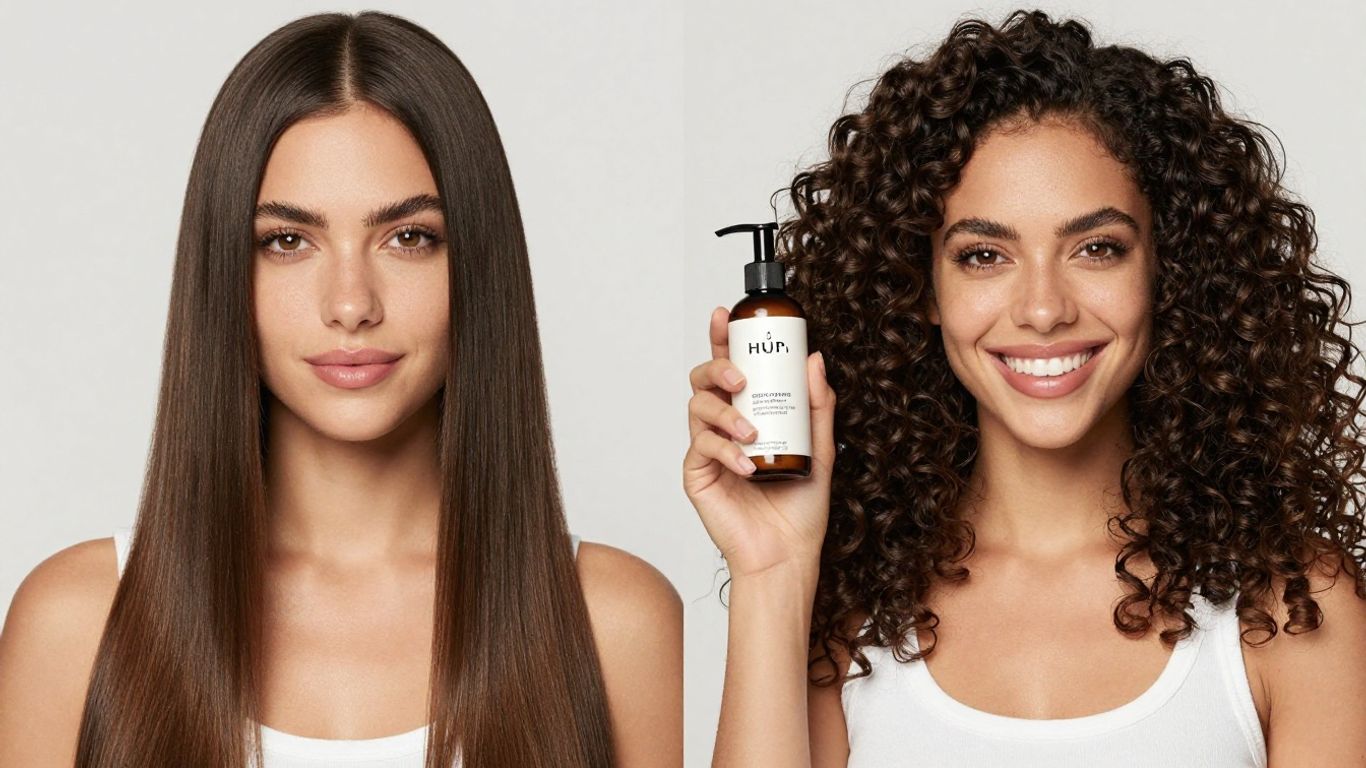
This stage of your journey is all about figuring out what works for your hair as it grows out. It can feel like a bit of a guessing game at first, but don’t worry, that’s totally normal. Finding the right products and styles can make a huge difference in how you feel about your hair day-to-day.
Low Manipulation and Heat-Free Styles
When your hair is transitioning, it’s often at its most fragile. The line where your natural texture meets the processed ends is a weak spot. That’s why keeping styling low-key is super important. Think about styles that don’t require a lot of tugging or heat.
- Bantu Knots: These are great for creating waves and curls without heat. You can do them on damp hair and let them air dry.
- Braids and Twists: Whether it’s cornrows, box braids, or simple two-strand twists, these protective styles keep your ends tucked away and minimize manipulation.
- Pineapple: For sleeping, gathering your hair loosely at the top of your head can help preserve your curls and reduce frizz.
- Wash and Go: While it sounds simple, a wash and go can be a great way to let your natural texture shine, especially if you use the right products to define your curls.
It’s really about finding styles that let your hair rest and recover. You might even find you love rocking these looks even after you’re fully natural!
Experimenting with Products That Work for You
This is where you get to be a bit of a product junkie, and that’s okay! Your hair’s needs will change as it grows, so don’t be afraid to try different things. Look for products that focus on moisture and gentle cleansing. Ingredients like shea butter, coconut oil, argan oil, and aloe vera are often good starting points.
Pay attention to how your hair reacts to different products. Some things might make your hair feel soft and moisturized, while others might leave it feeling dry or heavy. It’s a process of trial and error to discover what your unique strands love.
When you’re looking for products, consider what your hair type needs. If your hair feels dry, you’ll want richer creams and oils. If it feels weighed down, lighter leave-in conditioners might be better. Don’t forget about your scalp, too; a healthy scalp is the foundation for healthy hair growth. You can find some great options for natural hair care that cater to different needs.
Understanding Product Application Order (LOC/LCO)
This is a game-changer for keeping your hair moisturized. LOC and LCO are acronyms that stand for the order in which you apply your moisturizing products. Getting this right can help seal in hydration and keep dryness at bay.
- LOC Method: This stands for Liquid, Oil, Cream. You start with a water-based liquid (like a leave-in conditioner or water itself), then apply an oil, and finish with a cream (like a curling cream or butter).
- LCO Method: This is Liquid, Cream, Oil. The only difference is you apply your cream before your oil. Some people find this method works better for their hair type.
Here’s a quick breakdown:
| Method | Step 1 | Step 2 | Step 3 |
|---|---|---|---|
| LOC | Liquid | Oil | Cream |
| LCO | Liquid | Cream | Oil |
Experiment to see which order helps your hair retain moisture the longest. It might take a few tries to figure out what feels best. Sometimes, just smoothing your hair with the right product can make a world of difference.
Maintaining Hair Health During Transition
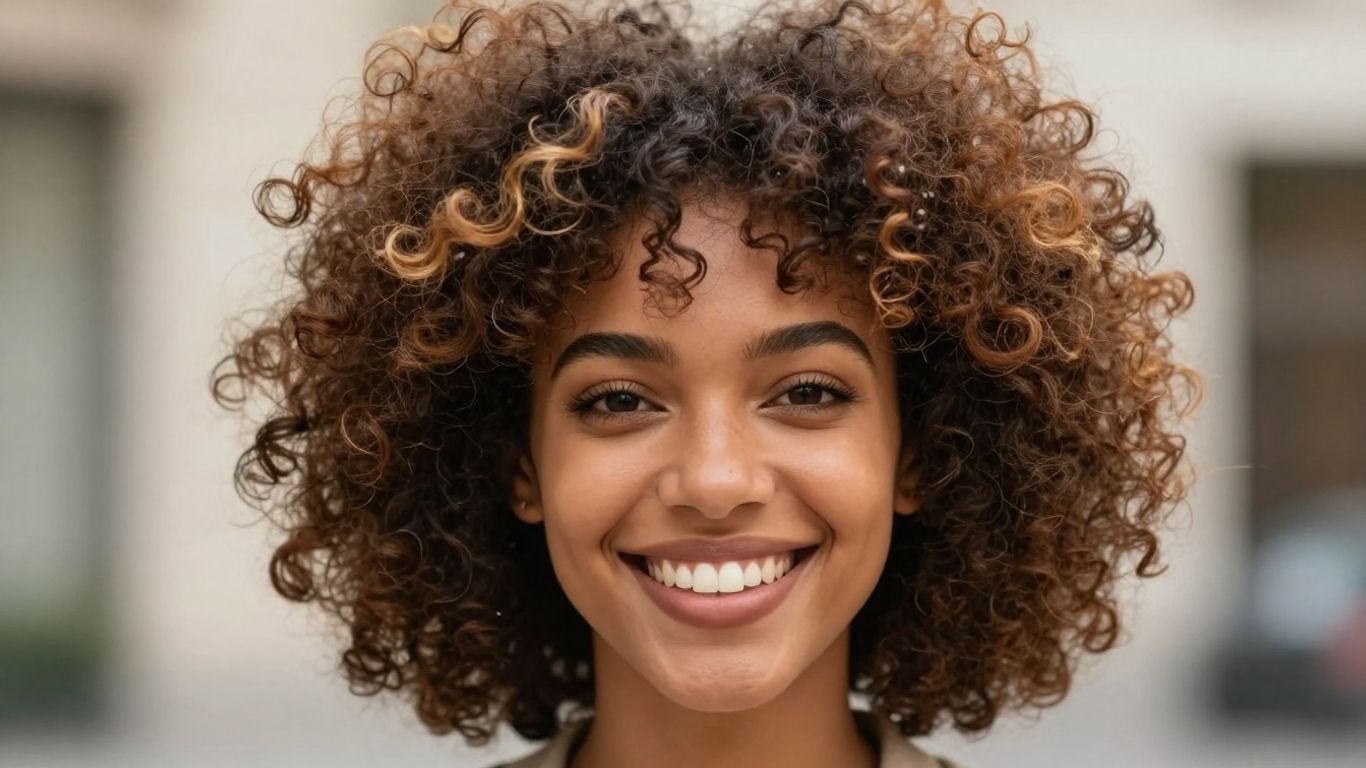
Transitioning means you’re juggling different textures, which can be tough on your strands. Keeping your hair healthy during this time pays off with less breakage, better length retention, and strong, beautiful growth. Here are a few ways to make sure your hair stays in good shape as you move toward fully natural hair.
The Importance of Regular Trims
Split ends and breakage can quickly ruin your progress. Trimming isn’t about cutting off all your hard-earned length—it’s about keeping your ends neat and stopping damage from going up the shaft. Aim to trim about half an inch every 2–3 months. It might feel scary, but regular trims will actually help you see more length over time, because you’re preventing splits from creeping upward. Here’s a quick schedule to consider:
| Time Between Trims | Amount to Trim |
|---|---|
| 2 months | 0.5 inches (1.25 cm) |
| 3 months | 0.5–1 inch (1.25–2.5 cm) |
- Check your ends often: If you see fraying, it’s time for a trim.
- Focus on healthy ends over long, thin ones.
- Don’t skip trims to "gain length"—that almost always backfires.
If you’ve ever kept rough ends just to hold on to length, you probably noticed more breakage and tangles—a sign that regular trims are worth it.
Minimizing Heat Styling
Heat styling, like flat ironing or blow-drying, makes transitioning hair especially vulnerable. When you combine two textures and add heat, you’re more likely to get damage right where your old and new growth meet. Cutting back on heat usage makes a big difference:
- Embrace air-drying and low-heat settings when you can.
- Try heat-free styles like twists, braids, or bantu knots.
- If you must use heat, always apply a heat protectant before styling.
Consistently avoiding heat can keep your strands softer and less brittle. For hydration tips, you can find guidance on consistent moisture routines that double as heat-free maintenance.
Managing Shedding and Breakage
Shedding is normal, but breakage is something you want to control as much as possible. The line of demarcation (where relaxed and natural textures meet) is especially fragile. Here are some ways to deal with this:
- Be gentle when detangling, and always work in sections.
- Finger detangling is slower but much less stressful on your hair.
- Use wide-tooth combs and lots of conditioner or slip product.
- Protect your hair at night with a satin scarf or pillowcase.
- Moisturize regularly and seal in hydration with a light oil.
A little extra care here keeps your strands intact, making the whole process smoother and a lot less frustrating.
Transitioning can have some tough days, but focusing on simple healthy habits every week leads to fuller, stronger hair in the long run. It’s about the small daily choices—not perfection.
The Psychological and Emotional Aspects of Transitioning
Patience and Self-Love Throughout the Process
Okay, let’s be real. Transitioning your hair isn’t just about waiting for new growth or figuring out new products. It’s a whole mental game, too. There will be days you look in the mirror and feel a bit… meh. Your hair might feel awkward, a mix of textures that don’t quite cooperate. This is where patience and a whole lot of self-love come in. It’s easy to get discouraged, especially when you see amazing transformations online. But remember, everyone’s journey is different. Your hair is unique, and so is your path. Try to focus on the progress, not perfection. Celebrate the small wins, like a good hair day or discovering a product that finally works. It’s a process of rediscovery, and that takes time. Embracing this phase means accepting where you are right now, even if it’s not where you want to be eventually. It’s about being kind to yourself as your hair changes.
Documenting Your Hair Journey
Seriously, take pictures. Even if you feel like your hair looks a mess, snap a photo. You’ll be so glad you did later. It’s like a visual diary of your hair’s progress. You can track how much it’s grown, how your texture is changing, and what styles are actually working. It’s also a great way to see how far you’ve come when you hit those moments of doubt. Sometimes, looking back at where you started can give you the boost you need to keep going. It’s a tangible reminder of your commitment.
Finding Community and Inspiration
Don’t go through this alone! The natural hair community is huge and incredibly supportive. Finding others who are on a similar path can make all the difference. You can find tons of inspiration and advice on social media, hair blogs, and forums. Seeing other people’s successes and how they overcame challenges can be super motivating. Plus, you can share your own experiences and help others, which feels pretty good. It’s a space where you can ask all the questions, share your frustrations, and celebrate your victories. Connecting with others can help you feel less alone and more confident about your choices. It’s also a great place to learn about new techniques and products that might work for your hair type, especially if you’re dealing with changes due to menopause or other life stages [91f6].
The transition period can feel like a rollercoaster. Some days your hair will cooperate, and other days it won’t. It’s important to remember that this is temporary. Focus on the long-term goal and trust the process. Your hair is on a journey to becoming its healthiest, most vibrant self, and you are too.
Conclusion
Transitioning to natural hair is a journey, not a race. It’s about learning to love and care for your hair in its most authentic state. Be patient with yourself and your hair. Celebrate the small wins, learn from the challenges, and remember why you started. With the right care and a positive mindset, you’ll discover a world of beautiful textures and styles. Your natural hair adventure awaits!
Frequently Asked Questions
What’s the difference between a big chop and gradual transition?
A big chop means cutting off all your relaxed hair at once, leaving you with only your natural texture. Gradual transition means you let your natural hair grow out while keeping your relaxed ends, and you trim them off over time.
Will my hair shed more when I transition?
Yes, it’s pretty common to notice a bit more shedding during the transition. The spot where your natural hair meets the relaxed hair can be a little weak. Using gentle methods and protective styles can help.
How often should I deep condition my transitioning hair?
Deep conditioning once a week is a good starting point for most people. It really helps keep your hair moisturized and can make your curls look better. But, listen to your hair – if it feels like it needs it more or less often, adjust your routine.
What are some good styles for transitioning hair?
Protective styles are fantastic! Think about twist-outs, braid-outs, bantu knots, or even wearing wigs or extensions. These styles help protect your hair from damage and manipulation, and they look great too.
How do I detangle my hair without causing breakage?
Always detangle when your hair is wet and has conditioner in it for slip. Work in small sections, starting from the ends and gently moving up towards the roots. A wide-tooth comb or your fingers are your best tools.
Is it okay to use heat on my transitioning hair?
It’s best to cut back on heat styling as much as possible. Heat can be really drying and damaging, especially to the fragile line between your natural and relaxed hair. Try to embrace heat-free styles instead.