Achieving amazing curls starts with a healthy scalp. Here are the most important things to remember for fantastic curly hair.
Key Takeaways
- Curly hair needs gentle cleansing without harsh sulfates to keep natural oils intact.
- Detangle carefully from ends to roots, using slip-enhancing products to avoid breakage.
- Deep condition weekly to add much-needed moisture and keep curls soft and bouncy.
- Protect your curls from heat and the environment, and get regular trims to manage split ends.
- Nighttime routines, like using silk pillowcases or bonnets, help preserve your curl pattern.
Understanding Your Curly Hair’s Unique Needs
Embrace Your Individual Curl Pattern
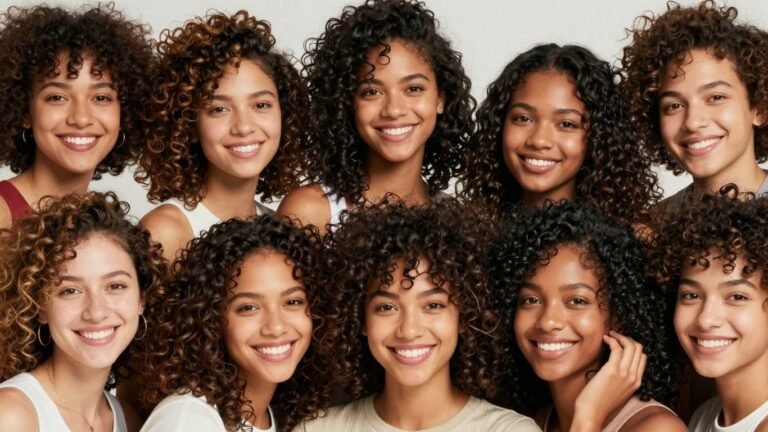
Curly hair is wonderfully diverse, and that’s the first thing to really get. Your curls aren’t meant to look like someone else’s, and trying to force them into a different pattern is a losing game. Instead, focus on what makes your curls healthy and defined. This means understanding that your hair might be more wavy than coily, or perhaps a mix of different patterns. It’s all about working with what you’ve got, not against it. Learning about your specific curl type is the starting point for everything else.
The Role of Porosity and Climate
Did you know that how your hair absorbs and holds moisture, known as porosity, plays a big part in how your curls behave? High porosity hair drinks up moisture but loses it just as fast, while low porosity hair can be a bit stubborn about letting moisture in. Then there’s the climate. Living in a humid place means dealing with frizz differently than someone in a dry desert. These factors really influence the products and techniques that will work best for you. It’s a bit of a puzzle, but figuring it out makes a huge difference.
Nurturing Your Healthiest Curl Definition
So, what does it mean to nurture your healthiest curls? It’s about consistency and using the right approach. Curly hair naturally struggles to get oils from the scalp all the way down the strand, making it prone to dryness and frizz. This is why gentle cleansing and adding moisture back in are so important. Think of it as giving your hair what it needs to thrive. When you pay attention to these details, your curls will thank you by looking their absolute best. You can find some great products designed for this at Fix My Curls.
Curly hair’s unique structure means it needs a different kind of care than straighter hair types. The twists and turns make it harder for natural oils to travel down the hair shaft, leading to dryness and a greater chance of frizz and tangles. Understanding this is key to choosing the right products and methods.
Foundational Scalp Care for Curly Hair
Taking care of your scalp is just as important as tending to your curls themselves. A healthy scalp is the bedrock for healthy hair growth, and for those with curly textures, this means being extra mindful about what you’re using and how you’re cleansing.
Gentle Cleansing Without Stripping Oils
Curly hair naturally tends to be drier than other hair types because the scalp’s natural oils, called sebum, have a harder time traveling down the twists and turns of each curl. This means that harsh cleansing can really strip away what little moisture your scalp and hair have. The goal is to clean your scalp effectively without leaving it feeling tight or dry. Think of it like washing a delicate fabric – you want to get it clean but not damage it in the process. This is why choosing the right cleanser is a big deal.
The Importance of Sulfate-Free Shampoos
Sulfates are strong detergents that create a lot of lather. While they do a great job of stripping away dirt and oil, they can be too aggressive for curly hair and scalps. They can strip away natural oils, leading to dryness, frizz, and even irritation. Opting for sulfate-free shampoos is a game-changer. These formulas are much milder and help to preserve your hair’s natural moisture balance. You can still get a good clean without that squeaky-clean feeling that often signals dryness. Many brands now offer fantastic sulfate-free options specifically designed for curly hair, making it easier than ever to find what works for you. If you’re looking for a good starting point, check out gentle cleansing options.
Balancing Scalp Health and Hydration
It’s a bit of a balancing act, really. You need to keep your scalp clean to prevent buildup and irritation, but you also need to make sure it stays hydrated. This is where the type of products you use comes into play. Some people with oilier scalps or finer curls might find they can cleanse a bit more often with a gentle shampoo, but they still need to follow up with hydrating treatments. Others might need to extend the time between washes.
Here’s a quick look at what to consider:
- Cleanser Choice: Always go for sulfate-free, and look for ingredients that add moisture, like glycerin or aloe vera.
- Washing Frequency: This really depends on your scalp type and how much product you use. Listen to your hair and scalp – if it feels dry, wash less. If it feels oily or heavy, you might need to wash more often, but stick to gentle formulas.
- Post-Wash Care: Always follow up with a good conditioner or a moisturizing treatment to replenish lost hydration. This helps keep your scalp happy and your curls defined.
Keeping your scalp clean and hydrated is key to preventing common issues like itchiness and flakiness. A healthy scalp environment directly supports the growth of strong, vibrant curls. It’s not just about the hair strands; the foundation matters immensely.
Remember, consistency is more important than perfection. Finding that sweet spot for your scalp and curls might take a little experimentation, but it’s totally worth it for healthier, happier hair. If you’re curious about how often to wash, understanding your scalp’s needs can be really helpful.
Mastering Detangling for Curly Hair
Detangling curly hair can feel like a wrestling match sometimes, right? It’s easy to get frustrated when knots seem to multiply the moment you touch your hair. But here’s the thing: the way you detangle can seriously make or break your curl health. Being gentle is the absolute golden rule. If you’re yanking or pulling, you’re likely causing breakage and frizz, which is the opposite of what we want for healthy curls.
Gentle Techniques for Knot Prevention
First off, let’s talk about when you should be detangling. Most curly folks find it easiest and safest to detangle when their hair is wet and has some product in it. This provides lubrication and helps the comb or fingers glide through without snagging. Always start from the ends of your hair and slowly work your way up towards the roots. This way, you’re not just pushing tangles higher up the hair shaft, creating a bigger mess.
Here are some tips to keep those knots at bay:
- Section your hair: Don’t try to tackle all your hair at once. Divide it into manageable sections, maybe 4 to 6, depending on how much hair you have.
- Use the right tools: A wide-tooth comb or a brush specifically designed for detangling curly hair is your best friend. Your fingers can also work well, especially for finer curls.
- Be patient: Seriously, take your time. Rushing the process is a recipe for disaster (and breakage).
Using Slip-Enhancing Leave-In Conditioners
This is where the magic happens. Products with good
Deep Conditioning for Vibrant Curls
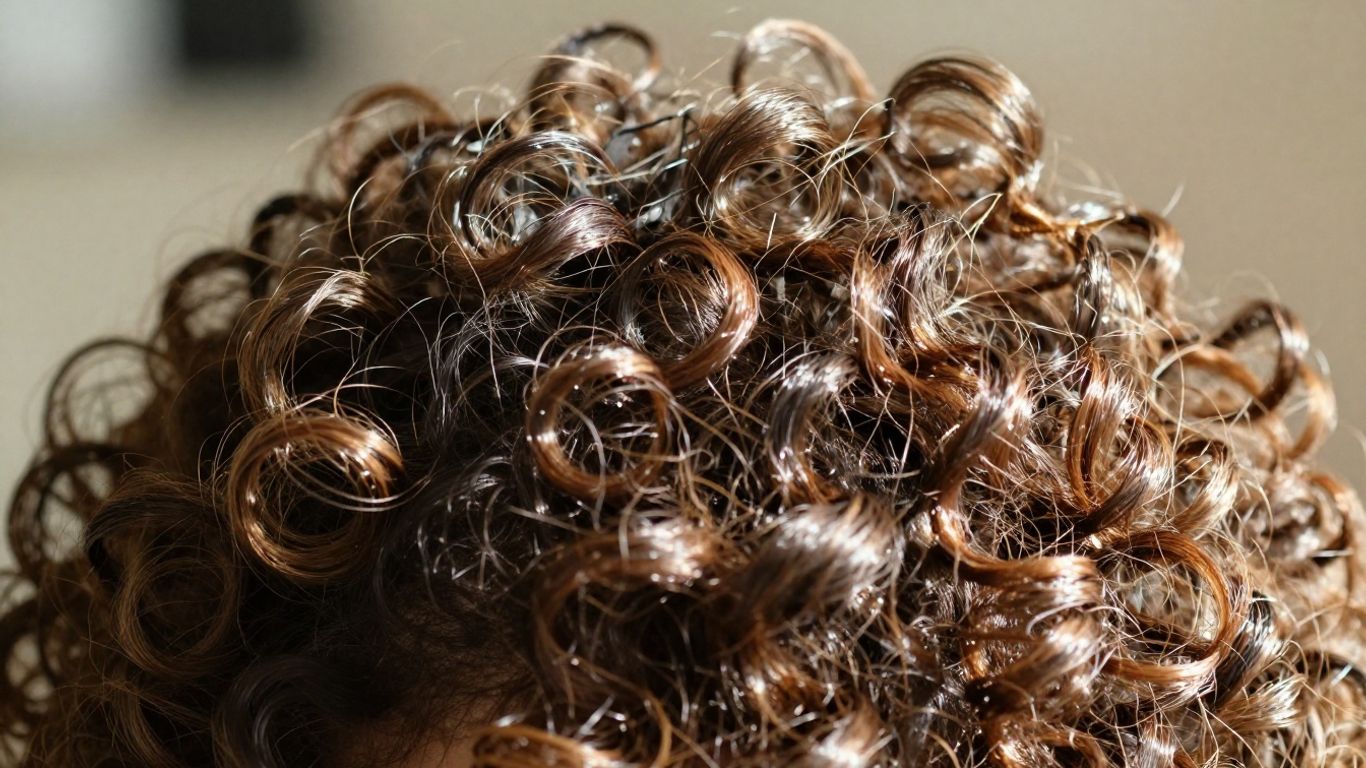
Curly hair, with its twists and turns, often struggles to get moisture from the scalp all the way down to the ends. This is where deep conditioning comes in. Think of it as a super-boost of hydration and nourishment that your regular conditioner just can’t match. Regularly treating your curls to a deep conditioner can make a world of difference in their health and appearance. It helps replenish what’s lost, making your curls softer, more manageable, and way less prone to breakage.
Replenishing Moisture Weekly
Aim to deep condition at least once a week. This isn’t just a nice-to-have; it’s pretty much a requirement for happy, healthy curls. Over time, your hair loses moisture due to environmental factors, styling, and even just daily life. A weekly deep conditioning session helps put that moisture back, keeping your curls from feeling dry and brittle. It’s a simple step that pays off big time.
Nourishing Ingredients for Curl Health
When you’re picking out a deep conditioner, keep an eye out for certain ingredients. Things like shea butter, various plant oils (like coconut, argan, or avocado oil), and hydrolyzed proteins are fantastic. Humectants, such as glycerin or panthenol, are also great because they draw moisture into the hair shaft. These ingredients work together to strengthen, soften, and add shine to your curls. You can find a good list of common hair conditioning ingredients here.
Choosing the Right Deep Conditioner
Not all deep conditioners are created equal, and what works for one person might not work for another. If your hair is fine, you might want to opt for lighter formulas that won’t weigh your curls down. For thicker, coarser curls, richer, more intensive treatments might be better. Pay attention to how your hair feels after using a product. Does it feel soft and hydrated, or heavy and greasy? Adjust your choices based on your hair’s reaction. A good deep conditioner will leave your hair feeling noticeably better, with improved texture and shine [070a].
Deep conditioning is more than just a treatment; it’s an investment in the long-term health and beauty of your curls. It addresses the unique challenges curly hair faces in retaining moisture and strength, leading to more defined, resilient, and vibrant results.
Protecting Your Curls from Damage
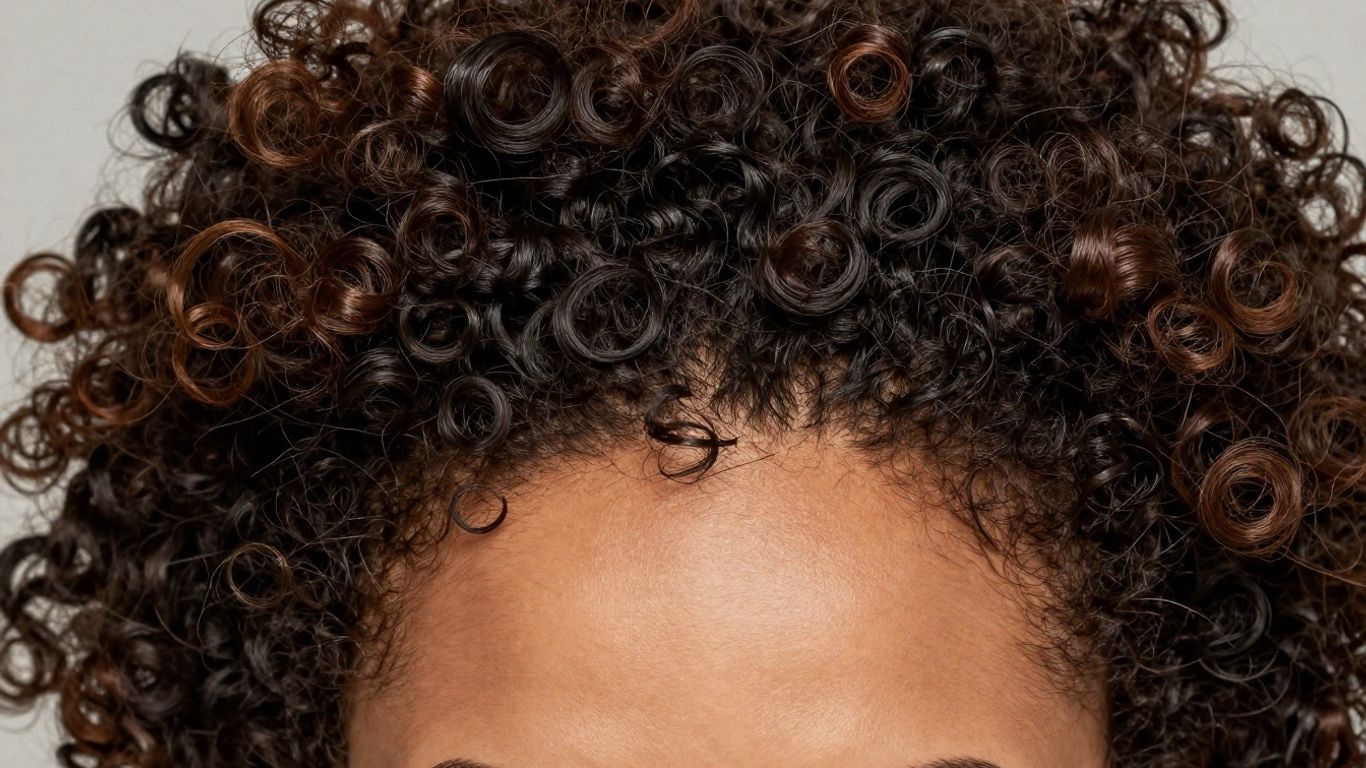
Curly hair, with its beautiful bends and twists, can be more prone to dryness and breakage than straighter hair types. This is because the natural oils produced by your scalp have a harder time traveling down the hair shaft. So, keeping your curls safe from harm is a big deal. It’s not just about looking good; it’s about keeping your hair healthy and strong for the long haul.
Minimizing Heat Styling
Look, I get it. Sometimes you just want a change, and heat styling tools can offer that. But honestly, using flat irons or curling wands too often can really mess with your curl pattern. It dries out your hair and can lead to split ends and breakage. If you absolutely have to use heat, make sure you’re using a good heat protectant spray. It’s like a shield for your hair. For most of us, though, embracing heat-free styling methods like twist-outs or braid-outs is a much better way to go. It gives you variety without the damage.
Shielding Hair from Environmental Elements
Your hair faces a lot of stuff out there. The sun can dry it out, wind can cause tangles and frizz, and chlorine from pools is a big no-no. When you’re going to be out in the sun for a while, wearing a hat, especially one with a satin lining, can make a huge difference. If you swim, rinse your hair with fresh water before and after getting in the pool to minimize chlorine absorption. It might seem like a small thing, but these steps really help keep your curls protected.
The Benefits of Regular Trims
This is one of those things people often skip, but it’s super important. Split ends are like a bad rumor; once they start, they just keep traveling up the hair shaft, causing more damage. Getting regular trims, even just a little bit off the very ends, every 3 to 6 months, helps get rid of those damaged bits. It keeps your hair looking healthier and prevents bigger problems down the line. Finding a stylist who really knows curly hair and how to cut it dry is key, because curly hair behaves differently when it’s wet versus dry. A good trim can make your curls look more defined and feel so much better. It’s a simple step that makes a big impact on overall curl health.
Protecting your curls isn’t about avoiding change; it’s about making smart choices. Think of it as giving your hair the best chance to thrive, no matter what you throw at it. Consistency in these protective measures is what truly builds resilience over time.
Nighttime Routines for Curl Preservation
What you do with your curls after a long day can make a huge difference in how they look when you wake up. Sleeping on cotton can really mess with your curl pattern, creating frizz and tangles. It’s like your hair is constantly rubbing against a rough surface all night. Protecting your curls while you sleep is one of the best-kept secrets to maintaining their health.
Silk or Satin Pillowcases
This is probably the easiest change you can make. Cotton absorbs moisture from your hair and causes friction. Silk or satin, on the other hand, are smooth materials that let your hair glide. This means less frizz, less breakage, and your curls stay more defined. It’s a simple swap that really pays off. You can find some great options for smooth pillowcases that won’t snag your hair.
The Pineapple Method
If you have longer or more defined curls, the "pineapple" method is your best friend. It involves loosely gathering your hair on top of your head, almost like a pineapple. You can use a soft scrunchie or a satin tie for this. The idea is to keep your curls from getting flattened or squished against the pillow. It sounds a bit silly, but it works wonders for preserving your curl definition overnight. For shorter styles, some people use clips to gather sections of hair on top of their head, sometimes called "medusa clipping."
Satin Bonnets and Other Protectors
For extra protection, or if the pineapple method doesn’t quite work for your hair length or style, a satin bonnet or scarf is a great option. These cover your hair completely, creating a barrier against friction. They’re especially helpful if you toss and turn a lot. Look for one that’s breathable and has an adjustable band so it’s comfortable and stays put all night without causing headaches. It’s a solid way to keep your curls looking fresh for another day.
Protecting your curls overnight isn’t just about looking good the next morning; it’s about reducing long-term damage. Less friction means less breakage and less frizz, which ultimately leads to healthier, stronger curls over time. It’s a small step that contributes significantly to your hair’s overall well-being.
Styling Strategies for Healthy Curls
Okay, so you’ve got your cleansing and conditioning routine down, but what about actually styling your curls? This is where things can get a little tricky, right? It’s easy to end up with hair that feels stiff, sticky, or just plain weighed down. The goal here is to work with your natural texture, not against it, to get that bouncy, defined look without all the drama.
Avoiding Heavy, Weighing Products
Let’s be real, nobody wants curls that feel like a helmet. Heavy creams and gels can sometimes do just that, making your hair feel stiff and crunchy. Instead, look for products that are lightweight and formulated specifically for curl definition. You want something that gives your curls hold and shape without making them feel like they’re coated in glue. Think about products that offer a soft hold, allowing your curls to move naturally.
Using Lightweight Serums for Frizz Control
Frizz is like that uninvited guest at every curly hair party. It shows up when you least expect it, usually when humidity decides to join the fun. A good lightweight serum can be your secret weapon. These aren’t the heavy oils that weigh your hair down; instead, they create a barrier against moisture in the air, sealing in your hair’s natural hydration. A little bit of serum goes a long way in keeping your curls smooth and defined. You can find some great options that really help tame flyaways and keep your style looking fresh all day long. Check out some of the best frizz-fighting serums available.
Proper Drying Techniques
How you dry your hair after washing can make a huge difference in the final outcome. Forget those rough, terry-cloth towels that just create friction and frizz. Instead, try gently blotting your hair with a microfiber towel or even a soft cotton t-shirt. If you use a hairdryer, always attach a diffuser. This helps to spread out the airflow, reducing frizz and helping your curls keep their shape. It might take a bit of practice to get the hang of it, but it’s worth it for smoother, more defined curls.
Here’s a quick rundown of drying tips:
- Blot, Don’t Rub: Gently squeeze excess water out with a microfiber towel or t-shirt.
- Diffuse Wisely: Use a diffuser on a low heat and speed setting to dry your curls without disturbing their pattern.
- Air Dry When Possible: If you have the time, letting your hair air dry can be the gentlest option.
Styling curly hair is all about finding the right balance. It’s about using products that support your curls without weighing them down, and employing techniques that respect their natural pattern. Patience and experimentation are key to discovering what works best for your unique texture.
Conclusion
Taking care of your scalp is just as important as caring for your curls. A healthy scalp is the foundation for healthy hair, and with the right approach, you can achieve the vibrant, bouncy curls you’ve always wanted. Remember, consistency is key, and by incorporating these practices into your routine, you’ll be well on your way to your healthiest, happiest curls yet. Don’t forget to explore products designed specifically for curly hair to support your journey.
Frequently Asked Questions
Why is scalp care so important for curly hair?
Your scalp is like the soil for your hair plants! If it’s not healthy, your curls won’t grow as well. A happy scalp means healthier, stronger curls that are less likely to break or get dry.
Can I wash my curly hair every day?
Probably not. Curly hair needs its natural oils to stay moisturized. Washing too often, especially with regular shampoos, can strip these oils, leaving your curls dry and frizzy. Try to wash only a few times a week.
What kind of shampoo should I use for curly hair?
Look for shampoos that are sulfate-free. Sulfates are strong cleaning agents that can be too harsh for curly hair, drying it out. Sulfate-free options clean gently without taking away all the good oils.
How often should I deep condition my curly hair?
Deep conditioning is like a big drink of water for your hair. Doing it at least once a week is a good idea. This helps keep your curls super hydrated, soft, and less prone to tangles.
Is it okay to use heat on my curly hair?
It’s best to limit heat styling tools like blow dryers and straighteners because they can really damage curly hair, making it dry and brittle. If you do use heat, always use a heat protectant spray first and keep the heat on a low setting.
What’s the best way to detangle my curly hair?
Always detangle when your hair is wet and has conditioner in it for slip. Start from the very ends of your hair and slowly work your way up towards the roots. Use your fingers or a wide-tooth comb. Never yank or pull!