Curly hair can be a beautiful thing, but sometimes it feels like a puzzle, right? Keeping it hydrated and defined can be a whole journey. We’re talking about finding those special natural ingredients for curly hair that really make a difference. Forget all the complicated stuff; we’re going back to basics with what nature gives us to make curls happy and healthy. Let’s get those locks looking their best!
Key Takeaways
- Coconut oil and shea butter are great for keeping curls moisturized.
- Argan oil adds shine and helps protect your hair.
- Aloe vera is good for soothing and adding moisture.
- Using sulfate-free shampoos and co-washing helps keep moisture in your hair.
- Gentle drying, like plopping, and using natural slip for detangling are important for curl health.
Harnessing Nature’s Hydration for Luscious Curls
Curly hair has a mind of its own, right? It seems to have a natural tendency towards dryness, which is why keeping it hydrated is super important. If your curls are feeling a bit parched or looking less than lively, turning to nature’s pantry is a smart move. The right ingredients can make a world of difference, bringing back that bounce and shine.
The Power of Coconut Oil and Shea Butter
When we talk about deep moisture, coconut oil and shea butter are like the dynamic duo for curls. Coconut oil is known for its ability to penetrate the hair shaft, offering serious hydration from the inside out. Shea butter, on the other hand, is incredibly rich and creamy. It forms a protective layer on the hair, sealing in moisture and adding a lovely softness. These ingredients are particularly great for drier curl types. They help combat frizz and leave your hair feeling smooth and manageable. If your hair feels rough or brittle, incorporating products with these natural wonders can be a game-changer.
Argan Oil for Shine and Protection
Ever notice how some curls just seem to glow? Argan oil might be the secret. Hailing from Morocco, this liquid gold is packed with fatty acids and vitamin E. It’s fantastic for adding a beautiful shine without making your hair greasy. Plus, it helps to protect your strands from damage, whether it’s from the sun or styling tools. Think of it as a natural shield that also makes your hair look and feel healthier. It’s a great addition for anyone looking to tame flyaways and add a bit of polish to their look.
Aloe Vera’s Soothing and Moisturizing Benefits
Aloe vera is another plant powerhouse that deserves a spot in your curl care routine. It’s famous for its soothing properties, which can be a real relief for an itchy or irritated scalp. But it’s also a fantastic moisturizer. The gel inside the aloe plant is full of vitamins, minerals, and amino acids that hydrate your hair and scalp. It helps to calm frizz and leaves your curls feeling soft and refreshed. It’s like a cool drink of water for your hair, especially when the weather gets warm or if your scalp feels a bit sensitive.
Curly hair naturally needs more moisture than straighter hair types because the scalp’s natural oils have a harder time traveling down the hair shaft. Focusing on hydration is key to keeping curls healthy, defined, and free from frizz.
Cleansing and Conditioning: The Foundation of Healthy Curls
Getting your curls clean without stripping them of their natural goodness is a bit of an art form. Curly hair is naturally drier than other hair types because the scalp’s oils have a harder time traveling down the hair shaft. This means we need to be extra careful about what we use to wash and condition.
Choosing Sulfate-Free Shampoos
Forget those super foamy shampoos you might have used in the past. Harsh detergents, especially sulfates, can strip your curls of their much-needed moisture, leaving them dry, frizzy, and unhappy. Instead, look for shampoos labeled "sulfate-free" or "low-poo." These are designed to gently cleanse your scalp and hair without taking away all the natural oils. They might not lather up a lot, which can take some getting used to, but your curls will thank you for it. It’s all about finding that balance between clean and hydrated. You can find some great options formulated with ingredients like organic oils that nourish as they cleanse.
The Benefits of Co-Washing
Co-washing, short for "conditioner washing," is a game-changer for many curly folks. It involves using a conditioner to cleanse your hair instead of shampoo. This method is fantastic for adding moisture back into your hair while still getting rid of buildup. It’s especially helpful if your hair tends to get dry or frizzy easily. You focus on massaging the conditioner into your scalp to lift away dirt and product residue, then rinse. It leaves your hair feeling soft and conditioned, ready for the next steps.
Deep Conditioning for Intense Moisture
Think of deep conditioning as a spa treatment for your curls. Doing this at least once a week can make a huge difference in how hydrated and healthy your hair looks and feels. You apply a rich, creamy conditioner or a dedicated deep conditioning mask, making sure to coat every strand from mid-length to the ends. Letting it sit for 10-20 minutes (sometimes longer, especially if you’re using gentle heat) allows the ingredients to really penetrate the hair shaft. This step is key for combating dryness and improving your curls’ overall elasticity and bounce.
Curly hair needs moisture more than anything. It’s just how it’s made. So, when you’re washing and conditioning, always think about adding hydration back in, not taking it away. It’s a simple idea, but it makes a big difference in the long run for keeping your curls happy and defined.
Styling Secrets for Definition and Bounce
Okay, so you’ve got your curls clean and conditioned, now what? It’s time to give them some shape and make them pop! This is where styling comes in, and honestly, it can feel like a whole different ballgame. But don’t worry, we’re going to break down some simple ways to get that definition and bounce you’re after, using stuff that’s actually good for your hair.
Curl Creams for Weightless Definition
Curl creams are like the gentle hug your curls need. They’re great because they give your curls definition without making them feel stiff or heavy. Think of them as a way to group your curls together, making them look more defined and less like a frizzy mess. They add moisture too, which is always a win for curly hair. The trick is to use just enough to coat your strands without going overboard. You want that natural movement, not a product-heavy look.
- Apply to wet hair, distributing evenly from root to tip.
- Use your fingers to gently rake and scrunch the product into your curls.
- Try not to touch your hair too much as it dries to avoid disrupting the curl pattern.
Gels for Strong, Flexible Hold
If you need your curls to stay put, especially on a humid day, gels are your best friend. Modern gels aren’t like the old school ones that made your hair feel like a helmet. The good ones today give you a strong hold but still let your curls move. They create a cast around your curls as they dry, which you can then scrunch out to reveal soft, defined spirals. It’s a bit of a process, but the results can be amazing for long-lasting definition. If you’re looking for a gel that won’t flake, you might want to check out some options designed specifically for curly hair.
Mousses for Lightweight Volume and Refreshing
Mousse is fantastic for when you want volume or need to refresh your curls between washes. It’s super light, so it won’t weigh down finer curls or make your hair feel greasy. It’s perfect for giving your roots a little lift or for reviving curls that have lost their shape. You can even use it to refresh your style on day two or three. Just spray it on damp or dry hair and scrunch. It’s a quick way to add some life back into your look without a lot of fuss.
Styling your curls is all about finding what works for your specific texture and desired outcome. Don’t be afraid to experiment with different products and techniques. What works wonders for one person might not be the best for another, so patience and a little trial-and-error are key to discovering your perfect curl routine.
Here’s a quick look at how these styling products generally stack up:
| Product Type | Primary Benefit | Hold Level | Best For |
|---|---|---|---|
| Curl Cream | Definition, Moisture | Light | All curl types, especially those seeking natural definition |
| Gel | Strong Hold, Definition | Strong | All curl types, especially for long-lasting styles and frizz control |
| Mousse | Volume, Refreshing | Light to Medium | Fine curls, adding volume, refreshing between washes |
Gentle Drying and Detangling Techniques
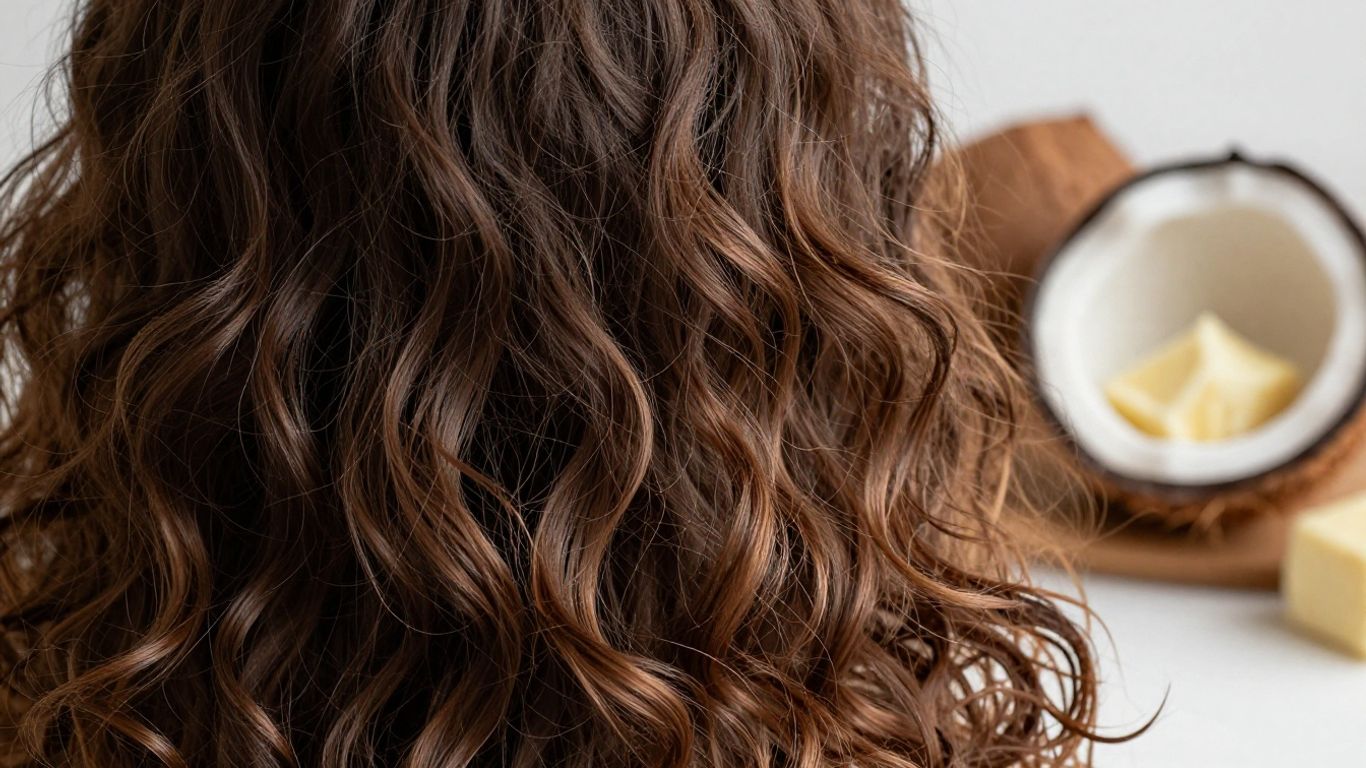
How you handle your curls after washing is just as important as the products you use. Being rough can undo all the good work, leading to frizz and lost definition. It’s all about being gentle and letting your natural pattern shine.
Ditching Traditional Towels for Softness
Those fluffy cotton towels we all have? They’re actually pretty rough on curly hair. The fibers can snag on your cuticle, causing frizz and breakage. It’s time to swap them out for something softer. Microfiber towels or old, soft cotton t-shirts are much better options. They absorb excess water without causing friction. When drying, gently scrunch your hair upwards towards your scalp instead of rubbing. This helps to encourage your curl pattern rather than disrupt it. You can also try using a dedicated curl towel designed specifically for this purpose.
The Art of Plopping for Curl Setting
Plopping is a technique that helps your curls dry in a more defined, compact shape. After you’ve applied your leave-in conditioner and styling products while your hair is still wet, you’ll want to try this. Lay a t-shirt or microfiber towel flat, then flip your head over so your curls fall onto the fabric. Gather the edges of the fabric and twist them around your head, securing it at the nape of your neck. Leave it on for about 15-30 minutes. This allows your hair to absorb excess water and set your curl pattern without the pull of gravity. It’s a great way to get your curls started on the right foot before you even begin diffusing or air drying.
Gentle Detangling with Natural Slip
Detangling curly hair needs a careful approach. Never brush your curls when they’re dry, as this can cause significant breakage and frizz. The best time to detangle is when your hair is wet and saturated with conditioner. This provides the necessary slip to glide through knots. Start from the ends of your hair and slowly work your way up towards the roots, using a wide-tooth comb, a detangling brush, or even just your fingers. If you encounter a stubborn knot, don’t force it. Add more conditioner and water, and gently try to ease it out. This patient method helps preserve your curl integrity and minimizes damage.
Here’s a quick rundown of the detangling process:
- Apply a generous amount of conditioner to wet hair.
- Start detangling from the tips, working upwards towards the scalp.
- Use a wide-tooth comb or your fingers, being patient with knots.
- Rinse thoroughly once all tangles are removed.
Curly hair is naturally drier than other hair types because the scalp’s natural oils have a harder time traveling down the spiral strands. This means moisture is your best friend, and gentle handling during washing and drying is key to keeping it locked in.
Protecting Your Curls from Daily Stressors
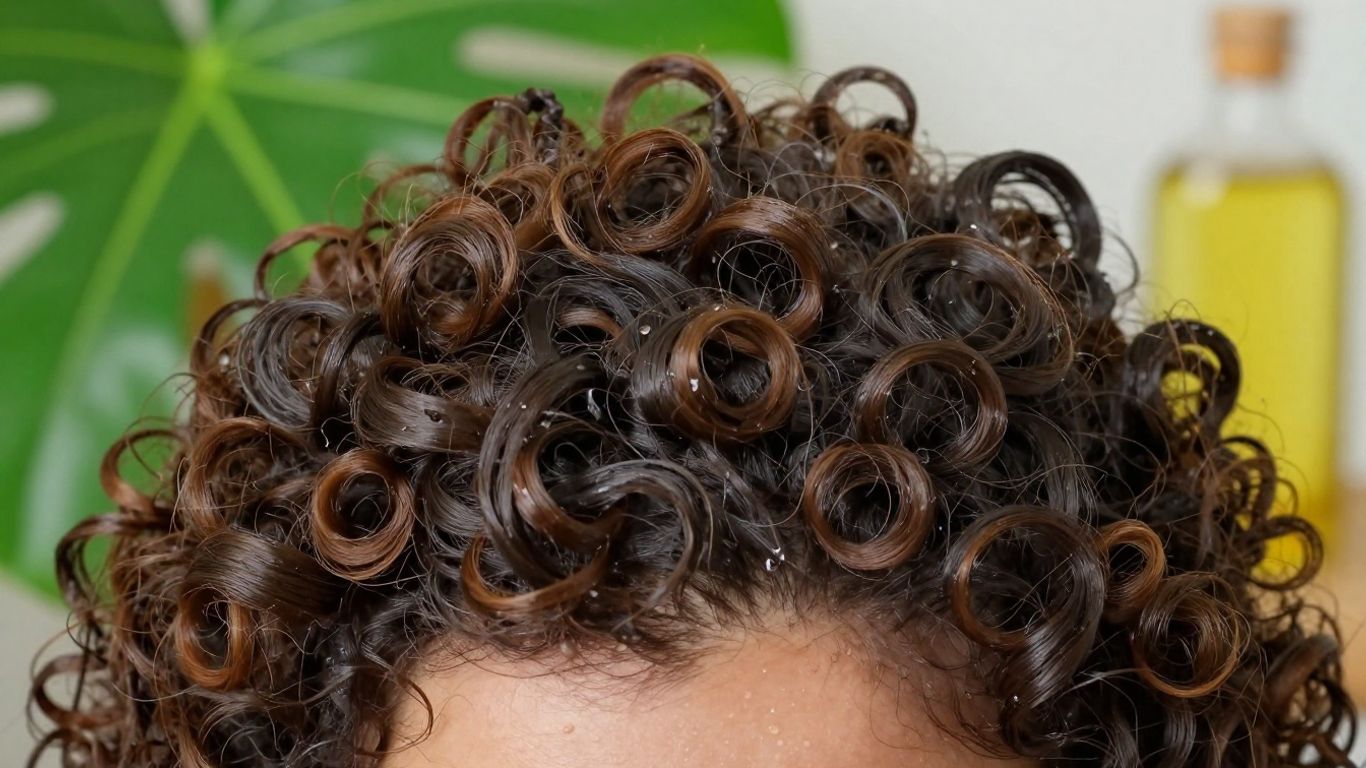
Keeping your curls looking their best day in and day out means being mindful of what they’re up against. From the sun’s rays to the friction of your pillowcase, a lot can affect your curl’s health and shape. It’s not just about looking good, though; healthy curls can actually protect your scalp and even give clues about your overall well-being. So, let’s talk about how to shield those precious ringlets.
Shielding Against Heat Damage
We all love a good heat style now and then, but it’s a known fact that excessive heat can really dry out and damage curly hair, leading to breakage. If you absolutely must use heat, make sure you’re using a good heat protectant. Think of it as a shield for your strands. Some products are designed to offer protection not just from heat but also from things like UV rays and pollution, which can also take a toll on your hair throughout the day. It’s like giving your hair a little armor against the elements. For everyday defense, consider using a leave-in conditioner that acts as a protective barrier against environmental stressors. Protect your curls from environmental damage with these simple steps.
The Importance of Protective Hair Ties
Those regular hair ties can be a real culprit for breakage and frizz, especially if they have metal parts or are too tight. When you’re tying up your hair, especially overnight or during a workout, opt for something gentler. Silk or satin scrunchies are fantastic because they create less friction against your hair. This means less snagging, less moisture loss, and ultimately, fewer broken strands. It’s a small switch that makes a big difference in keeping your curls intact and healthy.
Minimizing Frizz with Natural Serums
Frizz is often a sign that your hair is looking for moisture or is being roughed up. While some frizz is natural, excessive frizz can be managed. Using a lightweight serum can help smooth the cuticle and add a bit of shine. Many natural serums contain ingredients that not only tame frizz but also add nourishment. Look for ones with ingredients like argan oil or jojoba oil. These can help seal the hair shaft, keeping moisture in and humidity out, which is a major frizz trigger. A little goes a long way, so start with a small amount and add more if needed.
Protecting your curls isn’t about avoiding life; it’s about making smart choices that support your hair’s natural texture and health. Small changes in your daily routine can prevent damage and keep your curls looking vibrant and defined.
Here are a few things to keep in mind:
- Gentle Drying: Always use a microfiber towel or an old t-shirt to gently scrunch out water. Avoid rubbing your hair vigorously.
- Overnight Protection: Consider the pineapple method (gathering hair loosely on top of your head) or sleeping on a satin pillowcase to reduce friction.
- Product Choice: Opt for products with natural ingredients that hydrate and protect, like those containing coconut oil or shea butter, which are known for their moisturizing properties.
Keep Those Curls Happy
So, there you have it. Taking care of curly hair doesn’t have to be some big, complicated thing. By sticking to natural ingredients like coconut oil, shea butter, and argan oil, you’re giving your curls the good stuff they need to stay hydrated and look their best. Remember to be gentle when you’re washing, conditioning, and styling. It’s all about finding what works for your unique texture and giving your hair the moisture it craves. Don’t be afraid to experiment a little, and soon enough, you’ll have those beautiful, defined curls you’ve always wanted. Your hair will definitely thank you for it.
Frequently Asked Questions
What are the best natural ingredients for curly hair?
Nature offers a treasure trove of goodies for curly hair! Think coconut oil and shea butter for deep moisture, argan oil for shine and protection, and aloe vera to calm and hydrate. These ingredients help keep your curls soft, bouncy, and healthy.
Why should I use sulfate-free shampoos?
Sulfate-free shampoos are like a gentle hug for your curls. Regular shampoos with sulfates can strip away your hair’s natural oils, leaving it dry and frizzy. Sulfate-free ones clean your hair without taking away all the good stuff, keeping your curls hydrated and happy.
What is co-washing and why is it good for curls?
Co-washing means washing your hair with conditioner instead of shampoo. It’s a fantastic way to add moisture, especially if your curls tend to be dry or delicate. It cleans your hair gently while keeping it super hydrated.
How does plopping help my curls?
Plopping is a drying technique where you wrap your wet hair in a soft t-shirt or microfiber towel. It helps your curls set and dry in a more defined shape without getting weighed down or frizzy. It’s like giving your curls a gentle, supportive hug while they dry!
Should I avoid heat styling on my curly hair?
Yes, it’s best to limit heat styling like blow dryers and straighteners, as they can really damage your curls over time, making them dry and prone to breaking. If you do use heat, always, always use a heat protectant spray first to create a shield.
What’s the best way to detangle my curly hair?
Detangling curly hair needs patience and gentleness! Always start from the ends and work your way up to the roots, using a wide-tooth comb, a special detangling brush, or just your fingers. Using a leave-in conditioner or a product with good ‘slip’ makes the process much easier and prevents breakage.