
Are you tired of dealing with nicks, cuts, and irritation every time you shave? Look no further! In this ultimate shaving guide, we will walk you through everything you need for a perfect shave, step by step. From selecting the right tools to mastering the technique, we’ve got you covered. Say goodbye to razor burn and hello to smooth, irritation-free skin with our expert tips and tricks.
Get ready to master the art of a perfect shave!
Key Takeaways:
- Preparation is key for a perfect shave – gather all necessary tools such as a sharp razor, shaving cream/gel, pre-shave oil, aftershave, and a shaving brush.
- Follow a step-by-step guide – prepare your skin, apply pre-shave oil, create lather, shave with and against the grain, and finish with aftershave.
- Tips for a smooth and irritation-free shave – use a sharp razor, avoid pressing too hard, exfoliate before shaving, rinse with cold water, and moisturize after shaving.

What You Will Need for a Perfect Shave
Achieving the perfect shave requires the right tools and products to ensure a smooth and irritation-free experience for your skin.
Razors are at the heart of a good shave, with various types such as safety razors, cartridge razors, and straight razors catering to different preferences.
A high-quality razor ensures a precise and close shave without causing nicks or cuts.
Shaving cream softens the hair and creates a protective barrier, allowing the razor to glide smoothly over the skin.
Pre-shave oil helps to moisturize and prepare the skin, reducing friction for a more comfortable shave.
Aftershave soothes the skin, prevents irritation, and provides a refreshing finish.
Shaving brushes not only spread the lather evenly but also help lift the hair for a closer shave.
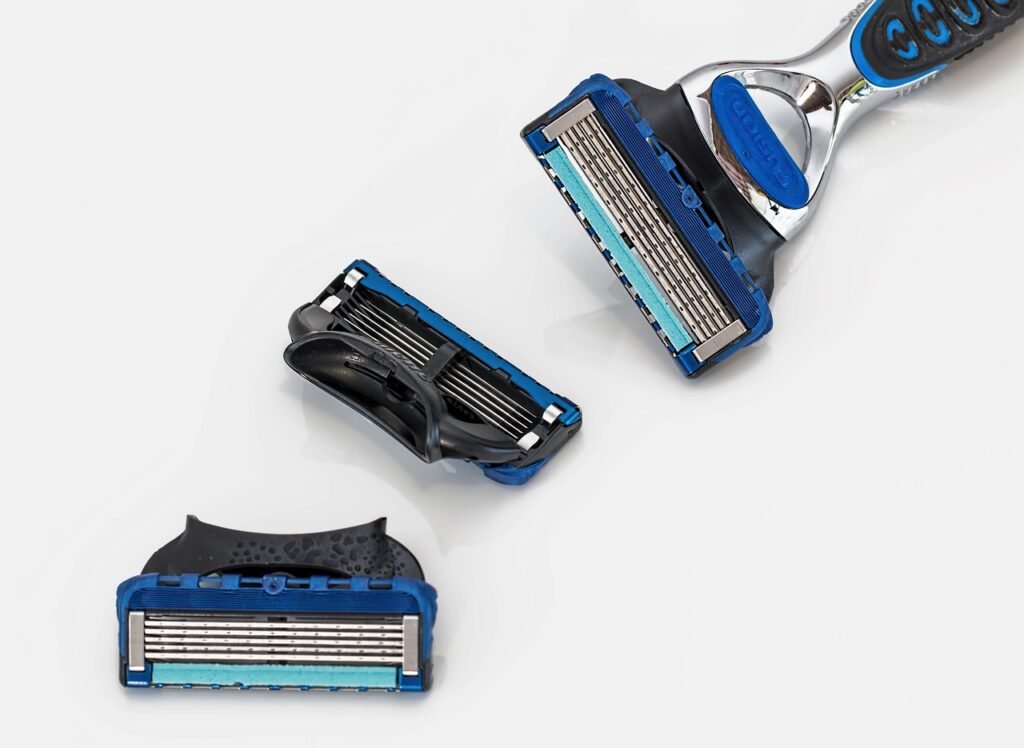
Razor
The razor is a fundamental tool in the art of shaving, requiring precision and technique to achieve a clean and comfortable shave. Regularly changing razor blades prevents dullness, which can cause pulling and tugging.
When choosing a razor, it’s crucial to consider your skin type and shaving preferences.
- Straight razors offer a traditional experience, requiring skill but providing a close shave.
- Safety razors, on the other hand, are user-friendly, with replaceable blades that offer a balance between effectiveness and safety. Rinse often to prevent clogging the blades.
- If you prefer convenience, electric razors might be the way to go, providing a quick and easy shave without the need for shaving cream or water.
Each razor type has its benefits, so selecting the right one can significantly enhance your shaving experience.
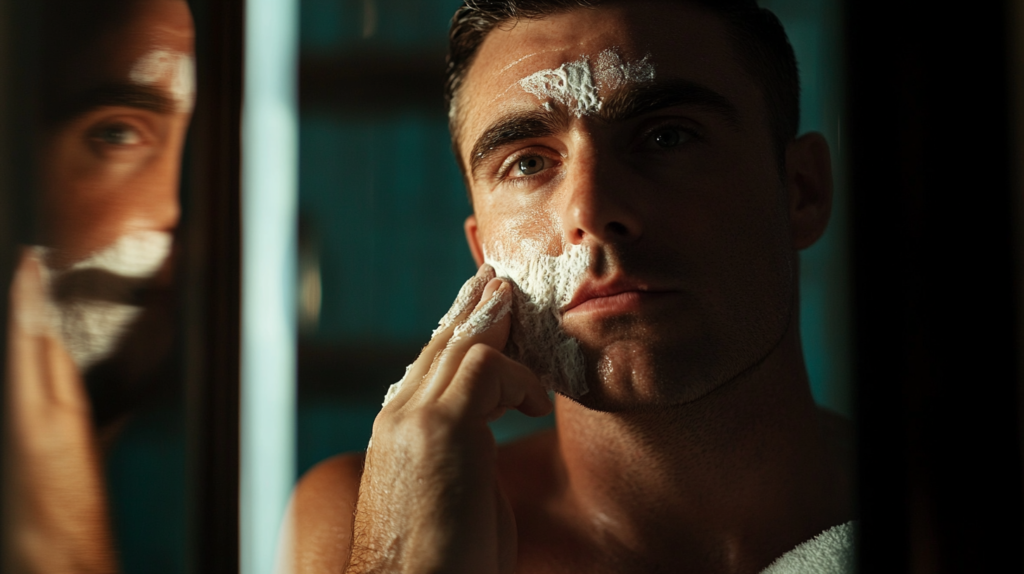
Shaving Cream or Gel
Shaving cream or gel plays a crucial role in preparing your skin and hair for a smooth and luxurious shave, providing essential lubrication and moisturization.
Using a high-quality shaving cream or gel can make all the difference in your shaving experience. Not only does it help to create a rich lather that softens the hair, making it easier to cut, but it also hydrates the skin, reducing the chances of irritation and razor burn. Proper application techniques, such as using a shaving brush to evenly distribute the product and allowing it to sit on the skin for a few moments before shaving, can further enhance the results.
After shaving, it’s important to follow up with a nourishing post-shave routine. A soothing aftershave balm or lotion can help to calm and hydrate the skin, promoting faster recovery and a smoother complexion. By incorporating these steps into your shaving routine, you can achieve a closer, more comfortable shave while also maintaining the health and condition of your skin.

Pre-Shave Oil
Pre-shave oil is a vital step in the shaving process, aiding in cleansing, softening, and nourishing the skin and hair before the razor touches the skin.
By applying a few drops of pre-shave oil onto the skin, it forms a protective layer that helps reduce friction and irritation during the shave, preventing razor burns and bumps.
The hydrating properties of pre-shave oil ensure that the skin remains moisturized, leading to a smoother shaving experience with less tugging and pulling on the hair.
Essential oils like jojoba, almond, or grapeseed in pre-shave oils penetrate deeply, leaving the skin nourished and enhancing the effectiveness of post-shave skincare products.
Aftershave
Aftershave is essential for soothing the skin, reducing irritation, and providing comfort after a shave, making it a crucial step in post-shave care.
There are various types of aftershaves available, including balms, lotions, and splashes, each catering to different skin types and needs. Aftershave balms are great for moisturizing and nourishing the skin, particularly for those with dry or sensitive skin. Aftershave lotions, often containing alcohol, provide a refreshing and toning effect, ideal for oily skin. On the other hand, aftershave splashes help to tighten the pores and provide a cooling sensation, perfect for those who prefer a brisk finish to their shaving routine.
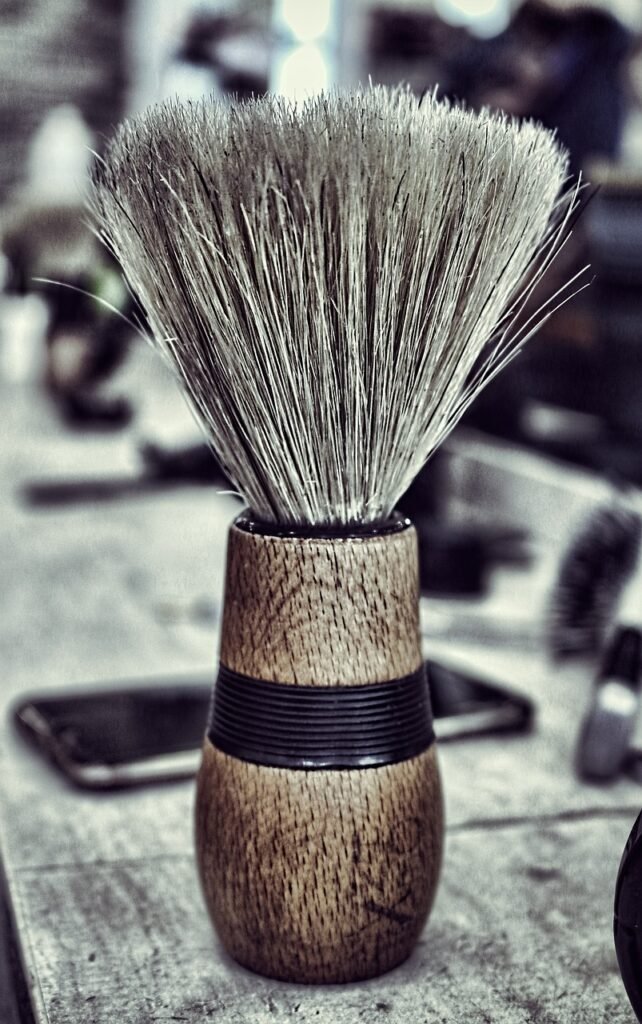
Shaving Brush
A shaving brush is a classic grooming tool that aids in creating a rich lather, applying shaving cream effectively, and adding a touch of tradition to the shaving ritual.
Throughout history, the shaving brush has held a significant role in grooming practices. Dating back to ancient civilizations, men have used various materials like animal hair or plant fibers to create brushes for shaving purposes. These brushes not only helped in creating a luxurious lather but also exfoliated the skin and lifted the facial hair for a closer shave. In contemporary times, shaving brushes have evolved with modern trends, incorporating synthetic bristles alongside traditional animal hair options.
Step-by-Step Guide for a Perfect Shave
Mastering the art of the perfect shave involves a meticulous step-by-step process that encompasses skin preparation, precise technique, and effective post-shave care.
Before you begin shaving, it’s crucial to soften the facial hair and open up the pores. This can be achieved by washing the face with warm water or using a warm towel for a few minutes. This process helps to reduce irritation and makes the hair easier to cut.
Next, consider applying a quality pre-shave oil to create a protective barrier on the skin and allow the razor to glide smoothly. The pre-shave oil also helps to hydrate the skin and prevent razor burn.
Creating a rich, lather is essential for a close and comfortable shave. Use a shaving brush to whip up a thick lather from your shaving cream or soap, ensuring that every hair is coated for optimal protection.
Prepare Your Skin
Skin preparation is a critical first step in the shaving process, involving cleansing, exfoliation, and the application of pre-shave oils to soften the hair and skin.
Before shaving, cleansing the skin helps remove dirt, oil, and dead skin cells, preventing clogged pores that can lead to irritation. Exfoliation, whether through a scrub or chemical exfoliant, further smoothens the skin’s surface, lifting hairs for a more precise shave. Using pre-shave oils not only conditions the skin but also creates a protective barrier for the razor, reducing friction and the likelihood of cuts or razor burns.
Apply Pre-Shave Oil
Applying pre-shave oil is a crucial step in perfecting your shaving routine, as it aids in softening the hair, nourishing the skin, and improving the razor glide. Pre-shave oil serves as a barrier between the razor and your skin, reducing friction and minimizing the chances of irritation or razor burn. By creating this protective layer, it allows the razor to effortlessly glide over the skin, resulting in a smoother and closer shave.
This process also helps in lifting the hair follicles, making it easier for the razor to get the job done efficiently. The essential oils present in pre-shave oil not only provide a pleasant fragrance but also have antibacterial properties, reducing the chances of post-shave infections. The hydrating properties in the pre-shave oil keep your skin moisturized during the shave, preventing dryness and discomfort.
Create Lather with Shaving Cream/Gel
Creating a rich lather with shaving cream or gel is an artful technique that enhances lubrication, moisturizes the skin, and adds a luxurious element to the shaving process.
Traditionally, achieving a perfect lather involved using a shaving brush to whip up the cream or gel, incorporating air into the mixture for a velvety consistency. This process not only aids in softening the facial hair but also creates a protective barrier between the razor and the skin, reducing friction and minimizing irritation. The history of lathering techniques dates back centuries, where civilizations found innovative ways to prepare their shaving concoctions, showcasing the importance of this ritual in grooming practices.
Shave with the Grain
Shaving with the grain is a technique that minimizes irritation, ensures comfort, and maintains the health of your skin and hair follicles during the shaving process.
When you shave with the grain, you’re essentially following the natural direction of your hair growth. This approach helps the razor glide smoothly along the skin, reducing friction and potential nicks. By being mindful of the hair’s growth pattern, you allow for a more precise shave, making sure to remove unwanted hair effectively while safeguarding your skin. Engaging in this meticulous process doesn’t only impact the immediate post-shave comfort but also contributes to the long-term condition of your skin and hair follicles.

Rinse and Reapply Shaving Cream/Gel
Rinsing and reapplying shaving cream or gel during the shave ensures consistent lubrication, moisturization, and a seamless shaving routine for optimal results.
By periodically rinsing and reapplying shaving cream or gel, you prevent the product from drying out on your skin, maintaining a protective barrier throughout the shaving process. This practice not only helps achieve a closer shave but also reduces the risk of nicks, cuts, and irritation. Refreshed application of shaving cream keeps your skin hydrated, preventing razor burn and leaving your skin feeling smooth and nourished. The continuous layer of lubrication promotes smooth razor movement, aiding in a more comfortable and effective shave.
Shave Against the Grain
Shaving against the grain is a technique that allows for a closer shave, but requires precision and careful technique to avoid irritation and discomfort.
When shaving against the grain, it’s crucial to start with a clean face to reduce the chances of ingrown hairs.
Using a sharp razor is vital, as dull blades can lead to nicks and irritation.
Light, gentle strokes are recommended to minimize skin irritation and ensure a smooth shave. It’s important to maintain the proper angle of the razor to prevent any cuts or skin damage. Avoid going over the same area multiple times to prevent razor burn and sensitivity.
Rinse and Apply Aftershave
Rinsing your face after shaving and applying aftershave helps soothe the skin, reduce irritation, and enhance comfort as part of your post-shave care routine.
When you shave, especially with a razor, it can cause micro-injuries to the skin, leading to redness and discomfort. Rinsing your face with cold water helps close the pores and calm any potential irritation. Following up with an aftershave product not only provides relief but also disinfects any cuts or nicks, preventing infections. A good aftershave also typically has soothing ingredients like aloe vera or chamomile, which further help in maintaining skin health and promoting a fresh appearance.
Tips for a Smooth and Irritation-Free Shave
To achieve a smooth and irritation-free shave, follow these expert tips that focus on technique, precision, and skincare to enhance your shaving routine.
Start by ensuring your razor is sharp and clean; a dull blade can increase the chances of nicks and cuts. Using a high-quality shaving cream or gel can create a protective lather that softens the hair and skin, leading to a less abrasive shave. Take your time and shave in the direction of hair growth to minimize irritation.
- Don’t apply too much pressure; let the razor do the work to avoid redness and inflammation.
- Finish off with a soothing aftershave or moisturizer to hydrate and calm the skin post-shave.

Use a Sharp Razor
Using a sharp razor is essential for a clean and precise shave, requiring proper technique, maintenance, and care to achieve optimal results.
A sharp razor provides a smooth glide through the hair, reducing the risk of nicks and cuts. It is important to regularly check the sharpness of the blade and replace it when needed, ensuring a consistent and effective shaving experience.
Quality tools play a crucial role in attaining a professional shave. Investing in a high-quality razor and razor blades can significantly improve the overall outcome, offering a closer shave and reducing irritation.
Proper technique, such as using short, controlled strokes and maintaining the correct blade angle, is essential for a successful shaving session. By mastering these skills, one can achieve a polished look and prevent skin irritation.
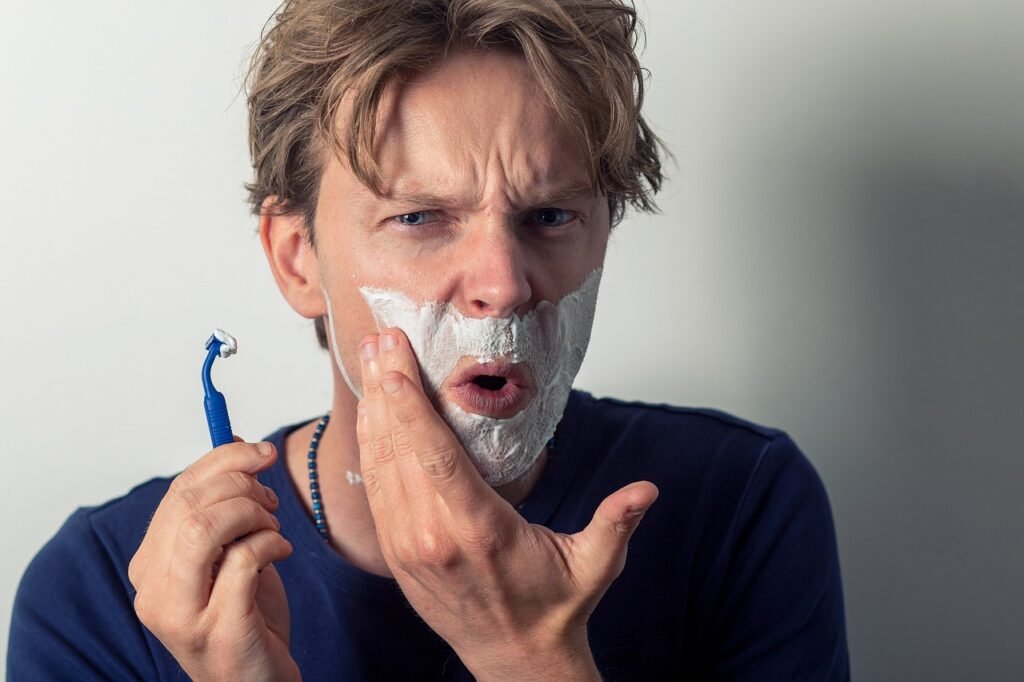
Don’t Press Too Hard
Avoiding excessive pressure while shaving is crucial to prevent irritation, razor burn, and discomfort, ensuring a smooth and gentle shaving experience.
When too much pressure is applied during shaving, it can lead to a range of unwanted consequences. Pressing too hard can cause the razor blade to dig into the skin, resulting in nicks, cuts, and even ingrown hairs. Gentle strokes not only reduce the risk of injury but also help in achieving a closer and more comfortable shave.
By maintaining precision and using the right technique, you can avoid the redness, bumps, and itchiness that often accompany aggressive shaving. Remember, the goal is to glide the razor effortlessly over the skin, allowing it to do its job without force.
Exfoliate Before Shaving
Exfoliating the skin before shaving helps remove dead skin cells, unclog pores, and reduce the risk of ingrown hairs and irritation for a smoother shave.
By eliminating the barrier of dead skin cells, exfoliation allows the razor to glide smoothly, minimizing the chances of nicks and cuts during shaving.
Moreover, exfoliation aids in preventing bacteria buildup in the pores, reducing the likelihood of acne and breakouts post-shave.
For individuals prone to ingrown hairs, regular exfoliation can help prevent these painful occurrences by clearing the follicles and allowing the hair to grow unhindered.
Rinse with Cold Water
Rinsing your face with cold water after shaving helps soothe the skin, close the pores, and reduce inflammation, enhancing post-shave comfort and skin health.
When you rinse with cold water, it aids in soothing any potential irritation or redness caused by shaving, leaving your skin feeling refreshed and calm. The cold water helps to tighten the pores, preventing any debris or bacteria from entering and causing breakouts. By reducing inflammation, cold water post-shave routine contributes to a smoother skin texture and a more even complexion. Regularly incorporating this practice into your grooming routine can significantly improve the overall health and appearance of your skin, providing a rejuvenating and invigorating sensation.
Moisturize After Shaving
Applying a moisturizer after shaving helps hydrate the skin, replenish moisture, and protect against dryness, promoting comfort and a healthy skin barrier.
Properly moisturizing your skin after shaving is essential to ensure it stays hydrated and healthy. By applying a moisturizer, you are not only maintaining the skin’s moisture levels but also aiding in the prevention of dryness and irritation. This step is crucial in supporting your skin’s natural barrier function, which acts as a shield against external aggressors and maintains overall skin health. Including moisturizing in your post-shave routine can significantly enhance the comfort of your skin and contribute to a smoother, more radiant complexion.

Frequently Asked Questions
What is the importance of a proper shaving technique?
A proper shaving technique not only ensures a close and smooth shave, but it also helps prevent irritation, razor burn, and ingrown hairs.
How often should I replace my razor?
It is recommended to replace your razor blade every 5-7 shaves or when you start to notice dullness. Using a dull blade can cause irritation and increase the risk of nicks and cuts.
Can I use the same razor for both facial and body hair?
It is not recommended to use the same razor for both facial and body hair. Different areas of the body have different hair textures and thickness, so using a dedicated razor for each can provide a better and more comfortable shave.
What is the ideal time to shave?
The best time to shave is after a hot shower or bath, as the steam and warm water will soften the hair and open up the pores, making it easier to get a close shave and reduce the risk of irritation.
How can I prevent razor bumps?
To prevent razor bumps, make sure to exfoliate the skin before shaving, use a sharp and clean razor, and always shave in the direction of hair growth. It is also important to moisturize the skin after shaving to soothe and hydrate the skin.
Is it necessary to use aftershave?
While it is not necessary, using an aftershave can help soothe the skin and close pores after shaving. Look for an aftershave that is alcohol-free and contains ingredients like aloe vera or witch hazel to help reduce irritation and redness.




Your point of view caught my eye and was very interesting. Thanks. I have a question for you.
Your point of view caught my eye and was very interesting. Thanks. I have a question for you.
Thank you for your sharing. I am worried that I lack creative ideas. It is your article that makes me full of hope. Thank you. But, I have a question, can you help me?
Your point of view caught my eye and was very interesting. Thanks. I have a question for you.
Thanks for sharing. I read many of your blog posts, cool, your blog is very good.
Thanks for sharing. I read many of your blog posts, cool, your blog is very good.
I don’t think the title of your article matches the content lol. Just kidding, mainly because I had some doubts after reading the article.
Your point of view caught my eye and was very interesting. Thanks. I have a question for you.
Thanks for sharing. I read many of your blog posts, cool, your blog is very good.
Thank you for your sharing. I am worried that I lack creative ideas. It is your article that makes me full of hope. Thank you. But, I have a question, can you help me?
Can you be more specific about the content of your article? After reading it, I still have some doubts. Hope you can help me.
I don’t think the title of your article matches the content lol. Just kidding, mainly because I had some doubts after reading the article. https://www.binance.info/pt-PT/register?ref=DB40ITMB
Thank you for your sharing. I am worried that I lack creative ideas. It is your article that makes me full of hope. Thank you. But, I have a question, can you help me? https://www.binance.info/es-MX/register?ref=JHQQKNKN
Thanks for sharing. I read many of your blog posts, cool, your blog is very good. https://accounts.binance.info/id/register-person?ref=UM6SMJM3
Can you be more specific about the content of your article? After reading it, I still have some doubts. Hope you can help me.
Thanks for sharing. I read many of your blog posts, cool, your blog is very good.
Your point of view caught my eye and was very interesting. Thanks. I have a question for you. https://accounts.binance.info/lv/register?ref=SMUBFN5I
Your point of view caught my eye and was very interesting. Thanks. I have a question for you.
Thank you for your sharing. I am worried that I lack creative ideas. It is your article that makes me full of hope. Thank you. But, I have a question, can you help me?