
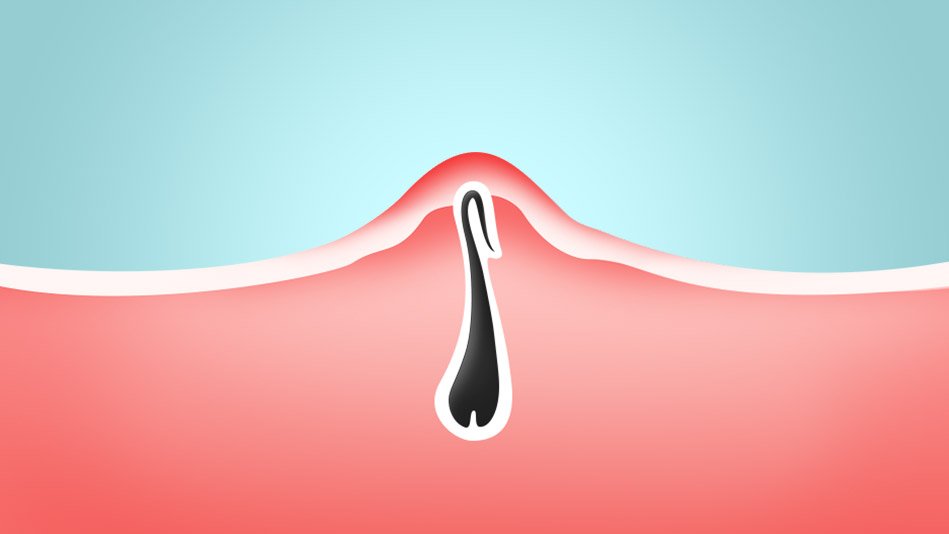
An ingrown hair can be a real pain, literally and figuratively. They happen when hair curls back or grows sideways into the skin, causing red, often painful bumps. Anyone can get them, but they’re more common if you have curly or coarse hair. While they might not seem like a big deal, they can lead to infections if not handled properly. Luckily, there are ways to treat and prevent them, so you can keep your skin smooth and bump-free.
Key Takeaways
- Ingrown hairs occur when hair grows back into the skin, causing irritation.
- Common areas for ingrown hairs include the face, legs, armpits, and pubic region.
- Proper shaving techniques and skincare can help prevent ingrown hairs.
- Home remedies and over-the-counter products can effectively treat ingrown hairs.
- Seek medical help if ingrown hairs become infected or persistently troublesome.
What Are Ingrown Hairs?

Definition and Characteristics
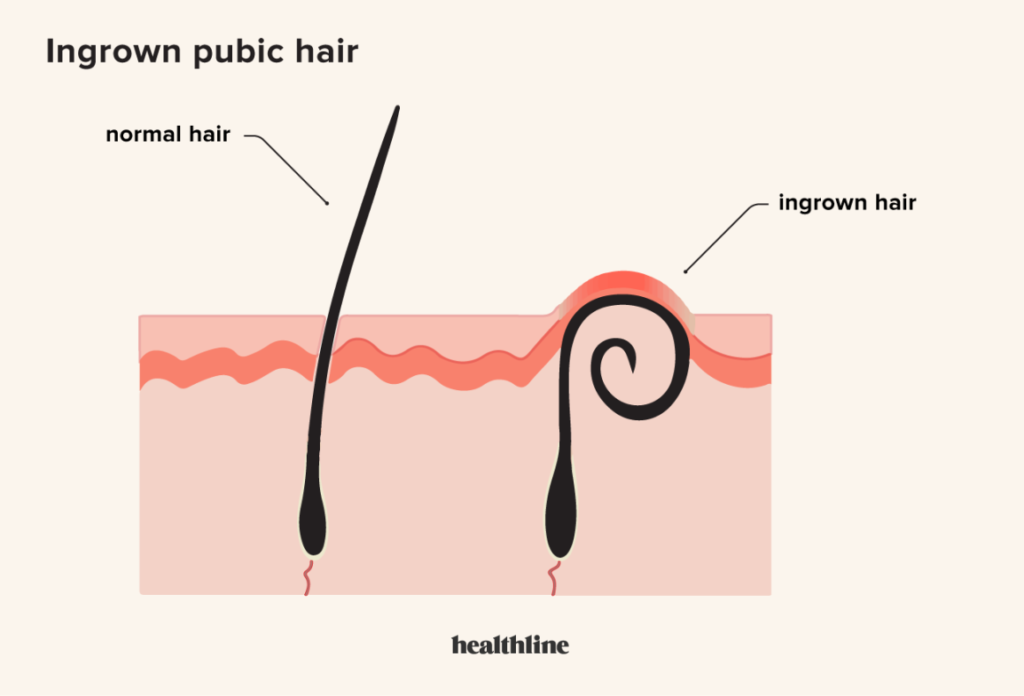
Ingrown hairs happen when a hair curls back or grows sideways into the skin. These pesky little things can look like pimples, causing irritation and discomfort. They’re often called razor bumps or shave bumps. Most of the time, they pop up in areas where people shave, tweeze, or wax. But they can show up anywhere hair grows. The problem starts when dead skin cells clog a hair follicle, forcing the hair to grow sideways.
Common Areas Affected
Ingrown hairs can show up just about anywhere you have hair, but some spots are more common than others. Here’s a list of usual suspects:
- Face and neck
- Armpits
- Legs
- Pubic area
These areas often deal with a lot of friction from clothing or regular shaving, which makes them prime targets for ingrown hairs.
Symptoms and Signs
When you have an ingrown hair, your skin might not be too happy about it. You could notice:
- A small, round bump that looks like a pimple
- Itching or irritation
- Redness and swelling around the area
Sometimes, if things get really bad, you might see pus inside the bump. It’s your body’s way of saying, “Hey, there’s something here that shouldn’t be.” If an ingrown hair gets infected, the bump can get bigger and more painful, which is not fun at all.
Ingrown hairs are annoying, but they usually aren’t a big deal. Keep an eye on them, and they’ll often clear up on their own. If they don’t, or if they get worse, it might be time to think about seeing a doctor.
Causes of Ingrown Hair
Hair Removal Techniques
One of the main culprits behind ingrown hairs is how we remove hair. Shaving, waxing, and tweezing are all common methods, but they can lead to issues. When you shave, especially if you go against the grain or use a dull razor, it can leave a sharp edge on the hair. This sharp edge can easily pierce back into the skin, especially if the hair is curly or coarse. Waxing and plucking, on the other hand, remove the hair from the root, but when the hair grows back, it might not emerge straight out of the follicle, causing it to curl under the skin.
Skin Type and Hair Texture
Your skin type and hair texture play a big role in whether you get ingrown hairs. People with thick, curly, or coarse hair are more prone to ingrown hairs. This is because the natural curl of the hair makes it more likely to bend back and re-enter the skin. Additionally, individuals with darker skin tones may experience more ingrown hairs due to the nature of their hair texture. It’s like a double whammy if you have this hair type and use aggressive hair removal techniques.
Improper Shaving Practices
Improper shaving is a significant factor in developing ingrown hairs. Using a dull razor, shaving too closely, or not using enough lubrication can all contribute to the problem. It’s important to shave in the direction of hair growth and to use a sharp razor to minimize the risk. Skipping proper aftercare, like moisturizing or using an aftershave, can also contribute to the problem by leaving the skin dry and more susceptible to irritation.
Ingrown hairs can be a real pain, literally and figuratively. They can cause discomfort and even lead to infections if not addressed properly. Understanding the causes can help you take steps to prevent them and keep your skin smooth and bump-free.
Effective Treatments for Ingrown Hair
Home Remedies and Care
Dealing with ingrown hairs can be a hassle, but there are simple ways to manage them from the comfort of your home. Start with gentle exfoliation. Use a warm washcloth or a soft toothbrush to rub the area in circular motions. This helps coax the hair out of the follicle. Avoid picking or scratching the area, as this can lead to infection.
If the hair is visible above the skin, you can use sterile tweezers or a needle to gently lift it out. Make sure not to pluck it completely, as this might cause the hair to become ingrown again when it grows back.
Over-the-Counter Products
Several over-the-counter products can help treat or prevent ingrown hairs. Creams containing salicylic acid can open clogged pores and follicles. Some people find relief using diluted tea tree oil, which can reduce redness and swelling by killing bacteria.
Here’s a quick list of helpful products:
- Salicylic acid creams
- Diluted tea tree oil
- Glycolic acid lotions
Medical Treatments
For persistent or severe cases, medical treatments might be necessary. Doctors may prescribe topical antibiotics to treat infections or retinoids to help remove dead skin cells. Oral isotretinoin (Accutane) is sometimes used to shrink ingrown hair cysts.
For long-term solutions, laser hair removal or electrolysis can be effective. These methods target hair follicles to prevent future growth, offering a more permanent solution.
Sometimes, seeking medical intervention can provide relief when home remedies and over-the-counter products aren’t enough. It’s important to consult with a dermatologist to find the best treatment plan for your skin type and condition.
Prevention Strategies for Ingrown Hair

Proper Shaving Techniques
Shaving the right way makes a big difference in avoiding ingrown hairs. Always wet your skin with warm water before you start. This softens the hair and opens up your pores. Use a good shaving gel to add a layer of protection. When you shave, go in the direction your hair grows—this helps keep the hair from curling back into the skin. Also, try not to press too hard. A light touch with a sharp, single-blade razor reduces the risk of irritation. Rinse the blade after every stroke to keep it clean.
Alternative Hair Removal Methods
If shaving is causing problems, you might want to try something else. Laser hair removal is a great option if you’re looking for longer-lasting results. It targets the hair follicle, reducing the chance of ingrown hairs. Electrolysis is another method, though it takes several sessions to work. Chemical hair removers are also available; they dissolve the hair but can irritate sensitive skin. Always talk to a dermatologist before trying these options to find what suits you best.
Skincare Routine Adjustments
Keeping your skin healthy is key to preventing ingrown hairs. Exfoliating is crucial—it removes dead skin cells and keeps your pores clear. You can use natural exfoliants like sugar or coffee scrubs. Moisturizing is just as important. A good moisturizer keeps your skin soft and lessens the chance of hairs getting trapped. Some people also use chemical exfoliators like glycolic acid to prep their skin before hair removal. These products help unclog pores and reduce the risk of ingrown hairs forming.
Prevention is all about consistency. A little effort in your daily routine can save you a lot of trouble down the road. Stick to these strategies, and you’ll likely see fewer ingrown hairs.
When to Seek Professional Help
Signs of Infection
Sometimes, ingrown hairs can get infected, turning a minor annoyance into a painful problem. If you notice that a bump is red, swollen, or filled with pus, it could be infected. It’s crucial to seek medical advice if you experience these symptoms, as untreated infections can lead to more serious complications.
Persistent Ingrown Hairs
If you find yourself dealing with ingrown hairs frequently, despite trying home remedies and over-the-counter treatments, it might be time to consult a dermatologist. Persistent ingrown hairs can be a sign of underlying issues with your hair removal techniques or even your skin type.
Available Medical Interventions
When over-the-counter solutions aren’t cutting it, medical treatments may be necessary. A dermatologist can prescribe stronger topical treatments or antibiotics if there’s an infection. They might also suggest procedures like laser hair removal to prevent future ingrown hairs. Consulting a professional can provide you with tailored advice and treatments that work for your specific situation.
Sometimes, it’s best to let the experts handle it. They can offer solutions you might not have considered, ensuring your skin stays healthy and irritation-free.
Understanding Complications of Ingrown Hair

Infections and Scarring
Ingrown hairs can sometimes lead to infections, especially if the area is scratched or improperly handled. When a hair curls back into the skin, it can cause irritation and may become infected, leading to pus formation. If an infection occurs, you might notice the area becoming red, swollen, and warm to the touch. It’s essential to address these symptoms early to avoid further complications like staph infections, which can be quite serious. Over time, repeated infections from ingrown hairs can lead to scarring, leaving permanent marks on the skin.
Skin Discoloration
Another complication of ingrown hairs is skin discoloration. This happens when the affected area becomes darker than the surrounding skin. The constant irritation and inflammation can lead to a condition known as post-inflammatory hyperpigmentation. People with darker skin tones are more prone to this issue, and it can take a long time for the discoloration to fade, even after the ingrown hair has been resolved.
Chronic Irritation
Dealing with ingrown hairs can also result in chronic irritation. The constant cycle of hair growing back into the skin, causing bumps and discomfort, can lead to persistent itching and tenderness. This ongoing irritation can make the skin more sensitive over time and may even change the texture of the skin.
While ingrown hairs often resolve on their own, the complications they cause can be frustrating and sometimes painful. It’s important to monitor any changes and consult a healthcare professional if you notice signs of infection or persistent issues.
Wrapping It Up
Alright, so that’s the lowdown on ingrown hairs. They’re annoying, sure, but with the right care and a bit of patience, you can totally manage them. Remember, don’t go yanking them out or scratching at them, even if it’s tempting. Let your skin heal and try some gentle exfoliation to help things along. If you’re dealing with them a lot, maybe rethink your hair removal routine. Sometimes just switching up your method can make a big difference. And hey, if things get out of hand, don’t hesitate to chat with a doc. They’ve got options that can help. So, take care of your skin, and hopefully, those pesky ingrown hairs will be a thing of the past.

Frequently Asked Questions
What is an ingrown hair?
An ingrown hair is a hair that curls back into the skin instead of growing out. This can cause a bump and sometimes irritation.
Where do ingrown hairs usually appear?
Ingrown hairs often show up in areas you shave, like the face, neck, legs, underarms, and pubic area.
How can I treat an ingrown hair at home?
You can treat an ingrown hair by gently exfoliating the area, using warm compresses, and avoiding shaving until it heals.
What happens if an ingrown hair gets infected?
If an ingrown hair gets infected, it might become red, swollen, and painful. You may see pus. It’s best to see a doctor if this happens.
Can I prevent ingrown hairs?
Yes, you can prevent ingrown hairs by shaving in the direction of hair growth, using a sharp razor, and exfoliating regularly.
When should I see a doctor about ingrown hairs?
You should see a doctor if the ingrown hairs are very painful, keep coming back, or show signs of infection.
Your article helped me a lot, is there any more related content? Thanks! https://www.binance.info/ka-GE/register?ref=IJFGOAID
Can you be more specific about the content of your article? After reading it, I still have some doubts. Hope you can help me.
Your point of view caught my eye and was very interesting. Thanks. I have a question for you. https://www.binance.info/sl/register?ref=PORL8W0Z
Your point of view caught my eye and was very interesting. Thanks. I have a question for you.
Do you mind if I quote a couple of your articles as long asI provide credit and sources back to your website?My blog site is in the very same niche as yours and my users would certainly benefit from some of the information you present here.Please let me know if this okay with you. Thanks!
Your article helped me a lot, is there any more related content? Thanks!
Thanks for sharing. I read many of your blog posts, cool, your blog is very good.
I don’t think the title of your article matches the content lol. Just kidding, mainly because I had some doubts after reading the article. https://www.binance.com/register?ref=IHJUI7TF
Thank you for your sharing. I am worried that I lack creative ideas. It is your article that makes me full of hope. Thank you. But, I have a question, can you help me? https://accounts.binance.info/en-NG/register?ref=YY80CKRN
Real excellent information can be found on web site.