
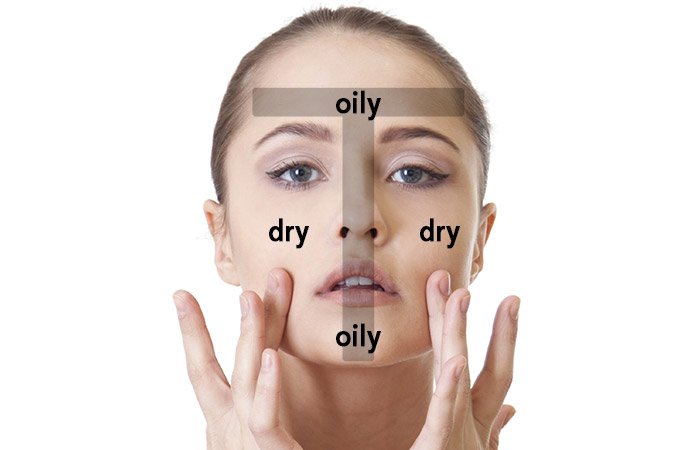
Mixed skin, or combination skin, is a prevalent skin type characterized by varying levels of oiliness across different facial areas. Typically, the central region of the face, known as the T-zone, exhibits greater oil production, while the periphery may remain normal or dry. This dual nature presents unique challenges for skincare, as individuals must address both oily and dry patches to maintain a healthy complexion. Understanding, managing, and protecting mixed skin requires a balanced approach that caters to its complex needs.
Key Takeaways
- Mixed skin is the most common skin type, featuring an oily T-zone and normal to dry peripheries.
- Genetics play a crucial role in determining skin type, but lifestyle and environmental factors also impact skin condition.
- Effective management of mixed skin involves using skincare products that balance hydration and oil control.
- Combination skin requires tailored solutions to simultaneously combat oiliness in the T-zone and dryness in other areas.
- Regular use of sunscreen and maintaining a nutritious diet are essential for the overall health of mixed skin.
Understanding Mixed Skin
Defining Mixed or Combination Skin
Mixed or combination skin is characterized by varying levels of oiliness across different facial areas. The central part of the face, particularly the forehead, nose, and chin, often exhibits increased oiliness, while the periphery, such as the cheeks, may remain normal or dry. This distinction is what gives rise to the term ‘T-zone’, referring to the oilier central region shaped like the letter ‘T’.
Mixed skin is not uniformly oily or dry but presents a unique set of characteristics that require a tailored approach to skincare.
Individuals with mixed skin may notice that their T-zone is prone to shininess, clogged pores, and occasional breakouts, whereas the drier areas might experience flakiness or tightness. It’s a skin type that demands balance, as one must address both the excess sebum in the T-zone and the need for moisture in the drier regions.
Characteristics of Mixed Skin
Mixed skin, often referred to as combination skin, presents a unique set of characteristics that distinguish it from other skin types. The central area of the face, known as the T-zone, typically exhibits oiliness, enlarged pores, and may be prone to blemishes. In contrast, the peripheral areas of the face, such as the cheeks and eye regions, often display signs of dryness, with symptoms like flakiness and a sensation of tightness.
The dual nature of mixed skin can pose challenges, as it requires a balanced approach to skincare. Here’s a quick overview of the typical features:
- Oiliness in the T-zone (forehead, nose, chin)
- Dry or normal skin on the cheeks and peripheries
- Possible presence of comedones (pimples) in oily areas
- Enlarged pores, particularly around the nose
- Uneven skin tone and texture
While managing mixed skin can be complex, understanding its characteristics is the first step towards finding the right skincare routine. It’s essential to address both the oily and dry aspects without exacerbating either condition.
Common Misconceptions
One of the most prevalent misconceptions about mixed skin is that it requires separate products for the oily and dry areas. While targeted treatments can be beneficial, it’s often more effective to seek out products designed for combination skin that balance and address both concerns simultaneously.
Another common myth is that mixed skin is simply a transitional phase, especially during adolescence. However, mixed skin can persist throughout adulthood and requires ongoing care.
It’s crucial to understand that mixed skin is a distinct skin type and not a condition caused by incorrect skincare practices.
Misunderstandings also arise around the role of diet and hydration. While these factors can influence skin health, they do not directly cause mixed skin. Instead, a combination of genetics and environmental factors plays a more significant role.
Lastly, here’s a list debunking some widespread myths:
- Mixed skin does not mean you can skip moisturizer on oily areas.
- Frequent face washing will not ‘cure’ mixed skin; it may exacerbate dryness.
- Using oil-based products will not necessarily make oily areas worse; it’s about finding the right balance.
Causes of Mixed Skin

Genetic Factors
The complexity of mixed skin often begins with our genetic makeup. Just as we inherit physical traits like eye and hair color from our ancestors, our skin type is also passed down through generations. This genetic predisposition means that if your family has a history of combination skin, you’re more likely to experience it as well.
While genetics lay the foundation for our skin type, it’s the interplay with external factors that ultimately determines the skin’s behavior. Dr. Anna Chacon, a dermatologist, emphasizes that skin type is not static but can evolve due to various influences such as hormones, climate, and skincare habits.
It’s crucial to recognize that while we cannot change our genetic code, we can influence our skin’s condition through lifestyle choices and skincare practices.
Understanding the genetic factors at play is the first step in managing mixed skin effectively. By acknowledging this, individuals can tailor their skincare routines to better suit their unique needs, taking into account both inherited traits and environmental conditions.

Environmental Influences
The environment plays a significant role in the health and type of our skin. Exposure to varying climates, such as dry winters or humid summers, can cause skin to fluctuate between dry and oily states. This is particularly true for mixed skin, which may react more noticeably to these changes. For instance, cold weather can strip moisture from the skin, leading to dry patches, while hot and humid conditions can increase oil production, especially in the T-zone area.
It’s important to adapt skincare routines to environmental conditions to maintain skin balance. Here are some environmental factors that can influence mixed skin:
- Seasonal changes
- Air pollution
- Indoor heating and cooling
- UV exposure
By understanding and adjusting to environmental influences, individuals with mixed skin can better manage their skin’s needs, achieving a healthier complexion.
Our contributor Dr. Anna Chacon emphasizes that skin type is not static. Factors such as climate and skincare habits contribute to changes in skin type over time. It’s crucial to recognize these environmental impacts and adapt accordingly to nurture mixed skin effectively.
Impact of Lifestyle and Diet
The health of mixed skin is significantly influenced by lifestyle choices and dietary habits. Regular exercise, such as yoga or jogging, boosts circulation and aids in the removal of toxins, which can improve the overall clarity of the skin. Additionally, it helps regulate hormones that control sebum production, a key factor in managing combination skin.
A balanced diet rich in vitamins and minerals supports skin health. Foods high in antioxidants, omega-3 fatty acids, and hydration-promoting ingredients are particularly beneficial for maintaining the equilibrium of mixed skin.
Lifestyle factors such as stress and sleep patterns also play a crucial role. Inadequate sleep can lead to increased levels of stress hormones, which may exacerbate skin issues. Conversely, sufficient rest and stress management techniques can help to stabilize the skin’s condition.
Here is a simple guide to lifestyle adjustments that can positively impact mixed skin:
- Prioritize regular physical activity to enhance circulation and hormone balance.
- Incorporate a diet rich in antioxidants, healthy fats, and hydrating elements.
- Ensure adequate sleep to reduce stress-related skin problems.
- Stay hydrated by drinking plenty of water throughout the day.
- Avoid smoking and excessive alcohol consumption, as these can negatively affect skin health.
Managing Mixed Skin

Skincare Products for Balance
Finding the perfect balance in skincare products is crucial for managing mixed skin. It’s about hydrating without adding heaviness and controlling sebum without causing dryness. A dual approach is often recommended by dermatologists: using emollient-rich moisturizers for dry areas and products with acne-fighting ingredients for oily zones.
When selecting products, consider these key components:
- Hydration: Serums that address oil control and hydrate dry patches.
- Moisturization: Lightweight facial oils that work with your skin’s natural oils.
- Sun Protection: Broad spectrum SPF sunscreens that are lightweight and sheer.
By opting for fragrance-free products, you reduce the risk of irritation and maintain the natural harmony of your skin.
Remember, the goal is to cater to the diverse needs of your skin without causing additional concerns. Ingredients that regulate oil production, hydrate, and address issues like uneven texture are essential for a balanced skincare routine.

Routine Adjustments for T-zone and Dry Areas
Managing mixed skin requires a delicate balance, particularly when addressing the T-zone and dry areas. For the T-zone, which typically includes the forehead, nose, and chin, look for products that control oil without stripping the skin. Ingredients like niacinamide and witch hazel can regulate sebum production while maintaining skin health.
For the drier areas, such as the cheeks, hydration is key. Lightweight, non-comedogenic hydrators like hyaluronic acid and glycerin provide moisture without clogging pores. It’s essential to apply these products with a gentle touch to avoid irritating the skin.
Consistency in your routine is crucial. Morning and evening care should be tailored to nurture both the oily and dry regions of your face, ensuring a harmonious balance.
Here’s a simple routine to follow:
- Gently cleanse the skin, focusing on removing excess oil from the T-zone.
- Apply a balancing serum with oil-regulating ingredients to the T-zone.
- Use a hydrating serum or moisturizer on the cheeks and other dry areas.
- Finish with a non-comedogenic sunscreen to protect both oily and dry regions from sun damage.
Professional Treatments and Solutions
When managing mixed skin, professional treatments can be pivotal in achieving a balanced complexion. Dermatologists often recommend a combination of therapies tailored to address both the oily and dry regions of the skin. For instance, light therapy or chemical peels might be suggested for the T-zone to reduce oiliness, while hydrating facials could benefit the drier areas.
A personalized skincare regimen might include:
- Regular exfoliation to manage dead skin cells
- Targeted treatments with active ingredients like retinol or vitamin C
- Hydration through serums or masks specifically formulated for combination skin
It’s essential to consult with a skincare professional to determine the most effective treatments for your unique skin needs. They can provide guidance on the frequency and type of procedures that will promote skin health without exacerbating any issues.
Remember, the goal is to achieve a harmonious balance, not to over-treat one area at the expense of another. Consistency and patience are key, as skin may take time to adjust to new treatments.
Challenges and Solutions
Combating Oily and Dry Patches Simultaneously
Managing mixed skin involves a delicate balance, particularly when addressing the oily T-zone and dry cheeks simultaneously. The key is to adopt a skincare routine that caters to both conditions without exacerbating either. For the oily T-zone, which may exhibit shine, blemishes, or enlarged pores, a gentle cleanser followed by a toner can help regulate oil production. In contrast, the dry areas require hydration and can benefit from an emollient-rich moisturizer.
It’s crucial to find a skincare regimen that harmonizes the treatment of both oily and dry patches to maintain the skin’s overall health.
Dermatologists often recommend using different products for these distinct areas to achieve the perfect balance. For instance, a moisturizer with acne-fighting ingredients might be ideal for the T-zone, while a more nourishing product is better suited for dry cheeks. Here’s a simple routine to consider:
- Morning:
- Cleanse with a mild product
- Apply toner to the T-zone
- Moisturize dry areas with a hydrating cream
- Evening:
- Repeat cleansing
- Exfoliate gently (once or twice a week)
- Use a balancing moisturizer all over the face
This approach ensures that each part of your face receives the attention it needs without compromising the skin’s overall equilibrium.

Preventing Acne While Maintaining Moisture
Achieving a harmonious balance between preventing acne and maintaining moisture in mixed skin can be challenging. Selecting the right skincare products is crucial for this delicate balancing act. Look for non-comedogenic hydrators that provide essential moisture without clogging pores. Ingredients like hyaluronic acid, glycerin, and aloe vera are excellent for hydration, while niacinamide and salicylic acid help control oil production.
To effectively manage mixed skin, it’s important to use a dual approach that targets both dry and oily areas with appropriate treatments.
For the T-zone, which tends to be oilier, products containing niacinamide or witch hazel can regulate sebum production. Meanwhile, emollient-rich moisturizers can be applied to the drier areas to lock in moisture. This strategy ensures that each part of your face receives the attention it needs without exacerbating other conditions.
- Hyaluronic Acid: Retains moisture without heaviness.
- Niacinamide: Regulates sebum, minimizes pores, improves texture.
- Salicylic Acid: Clears pores, controls sebum, prevents breakouts.
Finding the perfect balance often means using multiple products tailored to the specific needs of different facial areas. Dr. Hope Mitchell suggests treating dry areas with emollient-rich moisturizers and oily areas with acne-fighting ingredients to provide targeted care.
Sun Protection and Nutrition for Skin Health
Ensuring adequate sun protection is crucial for maintaining the health of mixed skin. Broad-spectrum SPF not only prevents signs of aging but also combats dryness, which can lead to a lackluster complexion. It’s recommended to integrate sunscreen into your daily skincare routine, whether through a dedicated sunscreen product or a moisturizer with SPF.
Nutrition also plays a vital role in skin health. Antioxidants like Vitamin C are essential for protecting the skin from environmental stressors and improving skin tone and texture. This is especially beneficial for those with combination skin, as it helps manage both oily and dry areas effectively.
Here are some key points to remember for sun protection and nutrition:
- Regular application of sunscreen is as important as moisturizer.
- Using vitamin C in conjunction with SPF can enhance the effectiveness of sunscreen.
- Look for moisturizers with SPF to simplify your skincare routine.
- Pamper your skin with a face mask to provide targeted nutrition and care.
Frequently Asked Questions

What is Normal Combination Skin?
Normal combination skin is characterized by a mix of oily and dry areas on the face. The T-zone, which includes the forehead, nose, and chin, tends to be oily, while the cheeks and eye areas are more balanced or even dry. This skin type can present unique challenges, as it requires a tailored approach to skincare that addresses both the oily and dry regions effectively.
Normal combination skin is not uniformly oily or dry but exhibits both characteristics in different facial zones.
Understanding your skin type is crucial for selecting the right skincare products and routines. For normal combination skin, it’s important to use products that maintain moisture without exacerbating oiliness. Here’s a simple guide to help you identify if you have normal combination skin:
- Your T-zone is visibly oily, while other parts of your face are not.
- You may experience shininess and clogged pores in the T-zone.
- Dry or flaky skin might appear on the cheeks and around the eyes.
- You need to balance hydration and oil control in your skincare regimen.
Is Combination Skin Always Oily?
The perception that combination skin is always oily is a common misconception. While it’s true that the T-zone may exhibit increased oiliness, combination skin is not uniformly oily. In fact, other areas, such as the cheeks and eye regions, can remain normal or even dry.
It’s crucial to recognize that combination skin requires a nuanced approach to skincare, as different zones of the face may have contrasting needs.
To effectively manage combination skin, consider the following points:
- Identify the oily and dry areas of your face.
- Use gentle, balanced skincare formulations.
- Avoid products that overstrip natural oils, especially in the T-zone.
- Be mindful of dietary influences, as certain foods may increase sebum production.
Understanding the diverse nature of combination skin is key to developing a skincare routine that addresses both the oily and dry aspects without exacerbating either condition.

How to Differentiate Between Dry and Mixed Skin?
Distinguishing between dry and mixed skin types is crucial for adopting the appropriate skincare routine. Dry skin typically presents with a uniform feeling of tightness and a dull, flaky appearance across the entire face. In contrast, mixed skin often exhibits an oily T-zone (forehead, nose, and chin) accompanied by dry or normal skin on the cheeks and other face peripheries.
To accurately identify your skin type, consider performing a simple ‘Post-Wash Test’:
- Wash your face with a gentle cleanser.
- Pat your skin dry and refrain from applying any products.
- After 30 minutes, observe your skin’s texture and appearance.
For dry skin, you’ll notice tightness and flakiness throughout, while mixed skin will reveal oiliness in the T-zone and possible dryness on the cheeks. This test helps to clarify the skin’s behavior in its natural state, guiding you towards the right skincare approach.
It’s essential to recognize that skin type can fluctuate with environmental changes and age. Regular assessment and adaptation of your skincare routine can ensure optimal skin health over time.
Conclusion
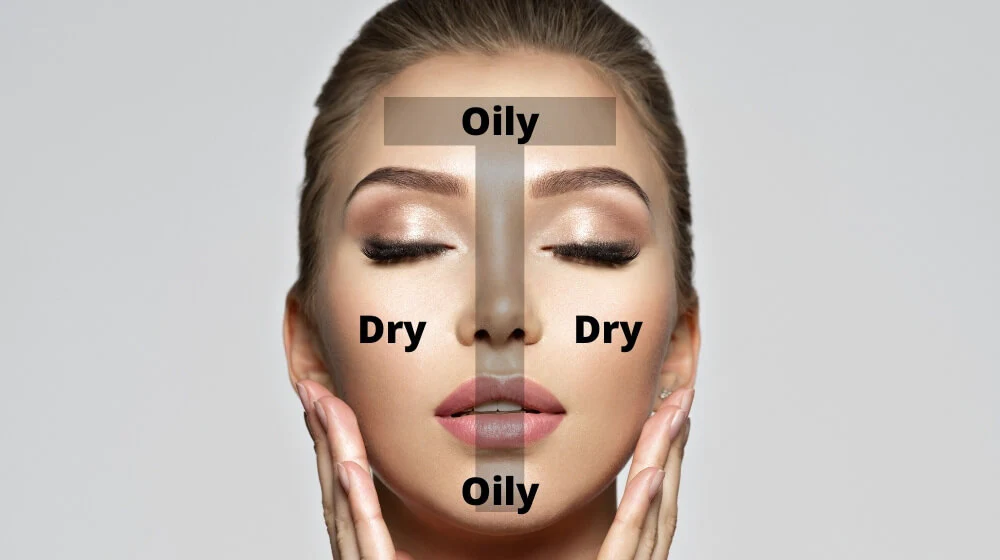
Understanding mixed or combination skin is crucial for effective skincare. Characterized by an oily T-zone and drier areas such as the cheeks, this skin type is the most common and presents unique challenges. Genetics play a pivotal role in determining skin type, but external factors like environment, diet, and skincare routines also have significant impacts. Managing combination skin requires a delicate balance of products that address both oiliness and dryness without exacerbating either condition. Embracing a holistic approach that includes a balanced diet, regular exercise, stress management, and protection against environmental aggressors with sunscreen is essential for maintaining the health and equilibrium of mixed skin.
Frequently Asked Questions
What is mixed skin?
Mixed skin, also known as combination skin, refers to having skin that exhibits both oily and dry characteristics. Typically, the T-zone (forehead, nose, and chin) is oily, while the cheeks and other areas of the face are normal to dry.
Is mixed skin common?
Yes, mixed skin is the most common skin type. It’s characterized by an oily T-zone with the possibility of comedones and inflammation, while the peripheries of the face are normal or dry.
What is normal combination skin?
Normal combination skin is a subtype of mixed skin where the T-zone is oily, but other facial parts, such as the cheeks and eye area, remain balanced in moisture, without extreme dryness or oiliness.
Can combination skin be both oily and dry?
Absolutely. Combination skin is defined by having areas that are oily, typically the T-zone, alongside dry patches which are often found on the cheeks and jawline.
How can you tell if you have mixed or dry skin?
Mixed skin is characterized by an oily T-zone and dryness in other areas, whereas dry skin is uniformly dry across the entire face without the oily patches.
What are the main challenges of managing mixed skin?
The primary challenge is treating the oily and dry areas simultaneously without exacerbating either condition. This involves finding skincare products that balance hydration and oil control, and adjusting routines to cater to the different needs of the T-zone and dry areas.





Thanks for sharing. I read many of your blog posts, cool, your blog is very good.
Thanks for sharing. I read many of your blog posts, cool, your blog is very good.
Awesome site you have here but I was wondering if you knew of any user discussion forums that cover the same topics talked about here? I’d really like to be a part of online community where I can get feed-back from other experienced people that share the same interest. If you have any recommendations, please let me know. Thanks!
I don’t think the title of your article matches the content lol. Just kidding, mainly because I had some doubts after reading the article.
Hello my friend! I wish to say that this post is awesome, nice written and include almost all significant infos. I’d like to see more posts like this.
Rattling instructive and good body structure of subject matter, now that’s user genial (:.
I’m still learning from you, while I’m trying to achieve my goals. I definitely love reading all that is posted on your website.Keep the stories coming. I liked it!
I don’t think the title of your article matches the content lol. Just kidding, mainly because I had some doubts after reading the article.
Your point of view caught my eye and was very interesting. Thanks. I have a question for you.
I don’t think the title of your article matches the content lol. Just kidding, mainly because I had some doubts after reading the article.
Those are yours alright! . We at least need to get these people stealing images to start blogging! They probably just did a image search and grabbed them. They look good though!
Excellent read, I just passed this onto a colleague who was doing some research on that. And he just bought me lunch since I found it for him smile So let me rephrase that: Thanks for lunch! “Curiosity will conquer fear even more than bravery will.” by James Stephens.
Greetings I am so happy I found your website, I really found you by error, while I was browsing on Askjeeve for something else, Anyways I am here now and would just like to say thanks a lot for a incredible post and a all round entertaining blog (I also love the theme/design), I don’t have time to look over it all at the minute but I have book-marked it and also included your RSS feeds, so when I have time I will be back to read more, Please do keep up the great work.
Thank you for your sharing. I am worried that I lack creative ideas. It is your article that makes me full of hope. Thank you. But, I have a question, can you help me? https://www.binance.info/bn/register?ref=UM6SMJM3
I like what you guys are up also. Such clever work and reporting! Keep up the superb works guys I¦ve incorporated you guys to my blogroll. I think it’ll improve the value of my web site 🙂
Do you mind if I quote a couple of your posts as long as I provide credit and sources back to your site? My website is in the very same area of interest as yours and my visitors would certainly benefit from a lot of the information you present here. Please let me know if this ok with you. Cheers!
I like this weblog so much, saved to favorites.
Thank you for your sharing. I am worried that I lack creative ideas. It is your article that makes me full of hope. Thank you. But, I have a question, can you help me?
I really like your writing style, superb info, thanks for posting :D. “You can complain because roses have thorns, or you can rejoice because thorns have roses.” by Ziggy.
Would love to constantly get updated outstanding web site! .
Very great post. I simply stumbled upon your blog and wished to mention that I have really enjoyed browsing your blog posts. In any case I will be subscribing to your rss feed and I am hoping you write again soon!
I am impressed with this website , real I am a fan.
I’d have to examine with you here. Which is not one thing I usually do! I take pleasure in reading a post that may make folks think. Additionally, thanks for permitting me to comment!
I don’t think the title of your article matches the content lol. Just kidding, mainly because I had some doubts after reading the article. https://accounts.binance.com/si-LK/register?ref=LBF8F65G
You made certain nice points there. I did a search on the matter and found most people will go along with with your blog.
I have read several good stuff here. Definitely worth bookmarking for revisiting. I surprise how much effort you place to create the sort of excellent informative site.
Hiya, I’m really glad I’ve found this info. Today bloggers publish just about gossips and internet and this is really annoying. A good site with exciting content, this is what I need. Thanks for keeping this web site, I’ll be visiting it. Do you do newsletters? Cant find it.
Thank you for your sharing. I am worried that I lack creative ideas. It is your article that makes me full of hope. Thank you. But, I have a question, can you help me?
hello there and thank you for your information – I have definitely picked up anything new from right here. I did however expertise some technical points using this website, as I experienced to reload the web site a lot of times previous to I could get it to load correctly. I had been wondering if your web host is OK? Not that I’m complaining, but slow loading instances times will often affect your placement in google and can damage your high quality score if advertising and marketing with Adwords. Well I’m adding this RSS to my e-mail and could look out for a lot more of your respective fascinating content. Ensure that you update this again soon..