
Ever find yourself staring at the endless rows of skincare products, wondering what actually works? It can be a bit overwhelming, right? Especially when you’ve got mixed skin—part oily, part dry, and all confusing. Well, the good news is, nature’s got some answers. There are plenty of natural skin ingredients that can help balance things out, without breaking the bank. Let’s dive into some of these gems that your skin might just fall in love with.
Key Takeaways
- Avocado oil is great for oily skin because it absorbs quickly.
- Shea butter is a fantastic moisturizer that you can customize with essential oils.
- Colloidal oatmeal can soothe and treat your skin, especially during a bath.
- Yogurt, with its lactic acid, nourishes and moisturizes all skin types.
- Sweet almond oil is safe for acne-prone skin and is rich in vitamin E.

1. Avocado
Avocado isn’t just a tasty treat for your toast; it’s a skincare hero too. Packed with natural oils, this green fruit does wonders for moisturizing mixed skin. Avocado oil is especially effective because it absorbs quickly, perfect for those with oily patches.
Benefits of Avocado for Skin
- Deep Moisturization: Avocado oil penetrates the skin deeply, providing long-lasting hydration.
- Rich in Antioxidants: Contains vitamins like A, D, and E, which help to nourish and protect the skin.
- Soothes and Heals: Its anti-inflammatory properties can calm irritated skin and promote healing.
How to Use Avocado on Your Skin
- Face Mask: Mash up a ripe avocado and apply it directly to your face. Leave it on for 10-15 minutes before rinsing with warm water.
- Mix with Honey: Combine mashed avocado with honey for a hydrating face or hair mask.
- Pure Oil: Opt for pure, cold-pressed avocado oil rather than blends for the best results.
Avocado’s natural oils not only moisturize but also help reduce breakage and wrinkles, enhancing overall skin health. It’s a versatile ingredient that can be a game-changer for your skincare routine.
For those new to natural ingredients, start with a small patch test to ensure your skin responds well. Always go for pure avocado oil, as mixed oils might not provide the same benefits. Avocados contain natural oils that effectively moisturize skin, promoting hydration and cleanliness, which can be a great addition to your skincare lineup.
2. Shea Butter
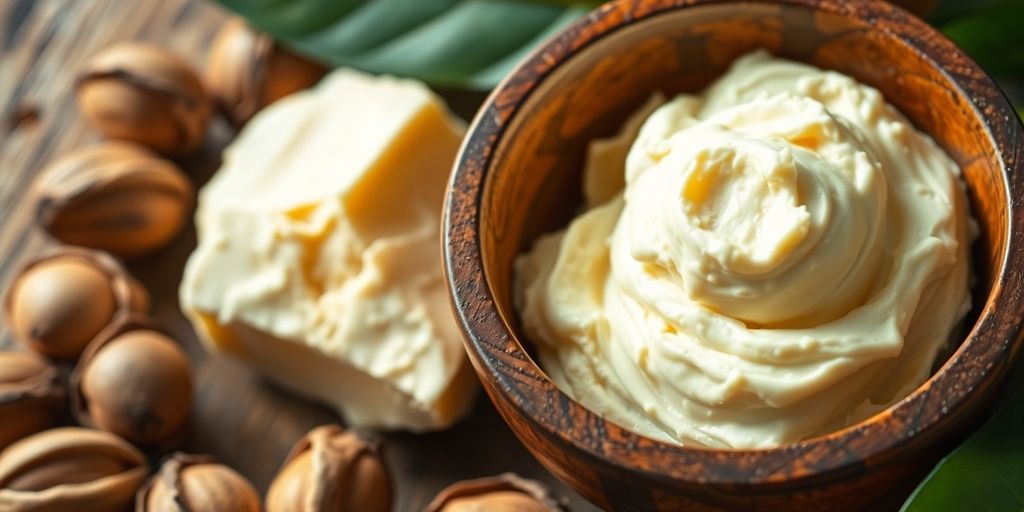
Shea butter is a powerhouse when it comes to skin care, especially for those with mixed skin. Extracted from the nut of the African shea tree, it is known for its rich, creamy texture that deeply nourishes and hydrates the skin. This natural ingredient is a favorite for its ability to soothe and moisturize even the driest patches of skin.
Benefits of Shea Butter
- Ultra-hydrating: Shea butter is packed with fatty acids and vitamins that provide intense moisture.
- Anti-inflammatory: It helps reduce redness and irritation, making it ideal for sensitive skin areas.
- Skin barrier support: Regular use can strengthen the skin’s natural barrier, protecting it from environmental stressors.
How to Use Shea Butter
- Direct Application: Simply rub a small amount between your palms and apply to dry areas like elbows, knees, and feet.
- Mix with Oils: Melt shea butter and mix with your favorite essential oils for a personalized moisturizer.
- In Products: Look for lotions and creams that list shea butter as a primary ingredient for added hydration.
Shea butter’s versatility makes it an excellent choice for anyone looking to enhance their skincare routine naturally. Its thick consistency and nourishing properties make it a staple in many beauty products, from lip balms to body lotions.
For those exploring natural skincare options, shea butter stands out as a key ingredient that balances and nourishes mixed skin types. Its ability to blend well with other oils and ingredients makes it a flexible choice for various DIY skincare recipes.

3. Colloidal Oatmeal
Colloidal oatmeal is like a soothing hug for your skin. It’s basically oats ground into a fine powder, perfect for calming irritated skin. This natural ingredient is a go-to for anyone dealing with dry or itchy skin conditions.
Benefits of Colloidal Oatmeal
- Soothes irritation: It’s great for calming redness and itchiness, making it a favorite for those with eczema or psoriasis.
- Moisturizes deeply: Helps maintain the skin’s moisture barrier, keeping your skin hydrated.
- Gentle exfoliation: Provides a mild exfoliating effect, removing dead skin cells without irritation.
How to Use Colloidal Oatmeal
- Face Mask: Mix with water to form a paste and apply to your face. Leave it on for 10-15 minutes and rinse off for smooth, soft skin.
- Bath Soak: Add a cup of colloidal oatmeal to a warm bath for a calming soak. Perfect for relaxing after a long day.
- Daily Cleanser: Combine with a bit of warm water for a gentle daily cleanser that won’t strip your skin of its natural oils.
Colloidal oatmeal is effective for treating skin conditions such as eczema and psoriasis, providing soothing relief and helping to maintain the skin’s moisture barrier.
This simple ingredient is a powerhouse for mixed skin, offering a natural way to keep your skin happy and healthy.
4. Yogurt

Yogurt is more than just a tasty snack; it’s a fantastic natural ingredient for skincare. Packed with lactic acid, yogurt acts as a gentle exfoliant, helping to remove dead skin cells and revealing a fresher complexion underneath. For those with mixed skin, this means you can enjoy smoother skin without the harshness of some chemical treatments.
Benefits of Yogurt for Mixed Skin
- Moisturizing: Yogurt is rich in natural fats and proteins, making it a great moisturizer that can help balance the varying needs of mixed skin.
- Exfoliating: The lactic acid in yogurt gently exfoliates, helping to keep pores clean and reduce the occurrence of breakouts.
- Soothing: Its cooling properties can calm irritated skin, making it a great option for those with sensitive areas.
How to Use Yogurt in Your Skincare Routine
- Face Mask: Apply a layer of plain yogurt to your face, leave it on for about 15 minutes, then rinse with lukewarm water. This simple mask can hydrate and soothe your skin.
- Spot Treatment: Dab a small amount of yogurt on areas prone to dryness or irritation for a quick calming effect.
- Exfoliating Scrub: Mix yogurt with a bit of oatmeal for a gentle exfoliating scrub that can help smooth rough patches.
Yogurt is a versatile ingredient that works well with other natural products. Mixing it with honey or oatmeal can enhance its benefits, offering a more comprehensive skincare treatment.
For more on achieving radiant skin, see exfoliation tips that can complement your yogurt treatments.
5. Sweet Almond Oil
Sweet almond oil is a gentle and nourishing ingredient perfect for mixed skin types. Extracted from the seeds of almonds, this oil is rich in vitamins and fatty acids that help to moisturize and soothe the skin. It’s a versatile oil that can be used in various ways to benefit your skin.
Key Benefits of Sweet Almond Oil:
- Non-comedogenic: This means it won’t clog your pores, making it safe for both oily and dry areas of your skin.
- Rich in Vitamin E: Helps to protect your skin from oxidative stress and UV damage.
- Absorbs easily: Unlike some heavier oils, sweet almond oil penetrates the skin quickly without leaving a greasy residue.
How to Use Sweet Almond Oil
- As a Moisturizer: Apply a few drops to your face after cleansing. It hydrates dry patches while balancing oily areas.
- For Makeup Removal: Use a cotton pad soaked in almond oil to gently remove makeup, leaving your skin clean and soft.
- In DIY Masks: Combine with honey or yogurt for a nourishing face mask.
Sweet almond oil is a wonderful addition to your skincare routine, offering hydration and protection without the worry of breakouts. It’s a simple yet effective way to keep your mixed skin happy and healthy.
For those looking to maintain healthy mixed skin, incorporating sweet almond oil into your daily habits can make a big difference. Make sure to follow a customized skincare routine that suits your specific needs.
6. Sunflower Seed Oil
Sunflower seed oil is a natural powerhouse when it comes to skincare, especially for those with mixed skin types. This oil is extracted from the seeds of sunflowers and is packed with nutrients that can really benefit your skin.
Benefits of Sunflower Seed Oil
- Non-comedogenic: This means it won’t clog your pores, making it a great option for those who worry about breakouts.
- Rich in vitamins: Sunflower seed oil is loaded with Vitamin E, which is known for its antioxidant properties that help protect the skin from environmental stressors.
- Moisturizing: It has excellent hydrating properties, helping to keep your skin soft and supple.
How to Use Sunflower Seed Oil
- Direct Application: You can apply a small amount directly to your face or body. Massage it gently into the skin until fully absorbed.
- Mix with Other Oils: If you like, mix it with other oils like jojoba or sweet almond oil for a customized skincare routine.
- Incorporate into Products: Look for skincare products that list sunflower seed oil as a primary ingredient for added benefits.
Sunflower seed oil is a simple yet effective ingredient that can easily fit into your daily skincare routine. Its lightweight texture and nutrient-rich profile make it a favorite among natural skincare enthusiasts.

7. Banana
Bananas aren’t just a tasty snack; they can work wonders for your skin too. This fruit is packed with vitamin C, which is known for its ability to combat dryness and promote a smoother complexion. Bananas can help transform dull skin into a radiant glow.
Benefits of Using Banana on Skin
- Moisturizing: The natural sugars in bananas help to hydrate and lock in moisture, making them perfect for dry skin.
- Antioxidant Properties: Rich in antioxidants, bananas protect your skin from free radical damage, which can lead to premature aging.
- Exfoliation: When mashed, bananas can act as a gentle exfoliant, removing dead skin cells to reveal fresh skin underneath.
How to Use Banana for Skin Care
- Simple Banana Mask: Mash a ripe banana and apply it directly to your face. Leave it on for 10-15 minutes before rinsing with warm water.
- Banana and Honey Mask: Combine mashed banana with a tablespoon of honey. This mixture not only hydrates but also soothes irritated skin.
- Banana and Yogurt Mask: Mix banana with a spoonful of yogurt for added nourishment and a cooling effect.
For those with allergies to latex or similar fruits, it’s best to skip banana in your skincare routine. Always do a patch test first to ensure your skin doesn’t react negatively.
Incorporating natural ingredients, like enzymes from pineapple and papaya, alongside banana in your skincare routine can enhance your skin’s texture and brightness without irritation. Together, these elements create a holistic approach to skincare that nourishes and revitalizes.
8. Honey
Honey is not just a sweet treat; it’s a natural powerhouse for your skin. This golden liquid is known for its antibacterial properties, making it a great choice for treating acne and other skin blemishes. It’s also a natural humectant, which means it helps retain moisture, keeping your skin hydrated and glowing.
Benefits of Honey for Skin
- Antibacterial Properties: Helps in treating and preventing acne by keeping the skin clean and reducing breakouts.
- Moisturizing: Acts as a natural humectant, drawing moisture into the skin and locking it in.
- Healing Properties: Speeds up the healing process of wounds and scars, thanks to its anti-inflammatory effects.
How to Use Honey in Skincare
- Face Mask: Apply a thin layer of raw honey to your face. Leave it on for about 20 minutes before rinsing off with warm water. This will leave your skin feeling soft and rejuvenated.
- Exfoliating Scrub: Mix honey with ground almonds or oats to create a gentle exfoliating scrub. Use it once a week to remove dead skin cells.
- Moisturizing Bath Soak: Add a few tablespoons of honey to your bath water. This will help soothe and moisturize your entire body.
Honey can be a versatile addition to your skincare routine, offering a natural way to enhance your skin’s health and appearance.
For more insights on the benefits of honey for skin health, consider incorporating it into your daily skincare routine.
9. Jojoba Oil
If you’re on the hunt for a natural oil that suits almost any skin type, look no further than jojoba oil. Extracted from the seeds of the jojoba plant, this oil is a waxy substance that’s quite similar to the natural oils our skin produces. This similarity makes it a great choice for those with mixed skin, as it can help balance oil production.
Why Jojoba Oil Works
- Non-Comedogenic: This means it won’t clog your pores, making it ideal for acne-prone areas.
- Moisturizing: It acts as a natural humectant, locking in moisture without feeling greasy.
- Rich in antioxidants and vitamin E, which can help protect and repair your skin.
How to Use Jojoba Oil
- Apply a few drops after cleansing your face, focusing on dry areas.
- Use it as a makeup remover by applying a small amount to a cotton pad.
- Add a few drops to your moisturizer for an extra hydration boost.
Jojoba oil is a versatile addition to any skincare routine. It’s like a little bottle of magic that caters to both the oily and dry areas of your skin, helping to maintain a balanced complexion.
For those with mixed skin, incorporating jojoba oil can be part of a balanced routine. It’s gentle yet effective, making it a staple for many skincare enthusiasts.

10. Coconut Oil
Coconut oil, loved for its versatility, is a staple in many skincare routines. Its rich, creamy texture makes it an excellent moisturizer, especially for dry skin. This oil is perfect for locking in moisture after a shower, leaving your skin feeling soft and hydrated.
Benefits of Coconut Oil for Mixed Skin
- Moisturizing: Helps to keep skin hydrated.
- Cleansing: Acts as a natural makeup remover.
- Frizz Control: Tames unruly hair.
How to Use Coconut Oil
- As a Moisturizer: Apply a small amount to damp skin after bathing.
- As a Cleanser: Use a tiny bit to dissolve makeup, then rinse off.
- For Hair: Smooth a little over the ends of your hair to manage frizz.
Coconut oil can be a game-changer in your beauty routine. Its ability to moisturize and cleanse makes it a must-have for those with mixed skin. Just remember to use it sparingly, as too much can lead to clogged pores.
For more insights on essential skincare and haircare tips for mixed skin types, including the benefits of coconut oil, check out this guide.
11. Olive Oil
Olive oil is a staple in many kitchens, but did you know it’s also a fantastic option for skincare? Rich in antioxidants and healthy fats, olive oil provides nourishment and hydration to the skin. It’s particularly beneficial for those with mixed skin, offering a balance that can help manage both oily and dry areas.
Why Olive Oil?
- Moisturizing Power: Olive oil contains squalene, a compound that provides deep moisture, making it ideal for dry patches.
- Antioxidant Boost: Packed with vitamins like E and K, it helps protect the skin from environmental damage.
- Versatile Use: Whether used alone or mixed with other oils, olive oil is a flexible ingredient in any skincare routine.
Tips for Using Olive Oil on Skin
- Choose the Right Type: Opt for cold-pressed, extra virgin olive oil to ensure maximum benefits.
- Patch Test First: Before applying liberally, try a small amount to see how your skin reacts.
- Mix and Match: Combine with lighter oils, like jojoba or grapeseed, for a customized moisturizer.
Olive oil might take a bit longer to absorb, but its moisturizing effects are worth the wait. It’s a simple, natural way to keep your skin feeling soft and supple.
If you’re dealing with mixed skin, incorporating olive oil into your routine can be a game-changer. For more insights on maintaining a balanced skincare routine, including the use of products like hyaluronic acid and vitamin C serum, check out our essential skincare tips for mixed skin types.
12. Aloe Vera
Aloe vera is like a little miracle in a plant form. This easy-to-grow succulent isn’t just a pretty face; it packs a punch with benefits for the skin. Aloe vera gel is loaded with antioxidants and vitamins, including A, C, and E, which are essential for maintaining healthy skin. It’s not just a sunburn soother; it helps with skin repair and elasticity by promoting collagen production.
You can use aloe straight from the plant. Just cut open a leaf, scoop out the gel, and apply it directly to your skin. It has a cooling effect that feels amazing, especially if your skin is irritated or inflamed.
Benefits of Aloe Vera for Mixed Skin
- Hydration: Aloe vera gel is mostly water, which helps to hydrate the skin without making it greasy. Perfect for those with mixed skin types.
- Soothing Properties: If your skin is prone to redness or irritation, aloe vera can calm things down.
- Non-Comedogenic: It won’t clog pores, so you can use it without worrying about breakouts.
Aloe vera is a versatile ingredient that fits seamlessly into any skincare routine. Its natural composition makes it suitable for all skin types, offering hydration and soothing relief without the risk of clogging pores.
How to Use Aloe Vera in Your Skincare Routine
- Direct Application: Apply fresh aloe gel directly to your skin. It’s simple and effective.
- Face Masks: Mix aloe vera with other natural ingredients like honey or cucumber for a hydrating face mask.
- Moisturizer: Use it as a lightweight moisturizer, especially in the summer.
For those exploring eco-friendly skincare, aloe vera is a star player. It’s natural, effective, and supports a sustainable beauty routine by reducing the need for synthetic products.
13. Rosehip Oil

Rosehip oil is like a little miracle worker for your skin. It’s packed with vitamins and essential fatty acids that help keep your skin looking fresh and healthy. This oil is known for its ability to rejuvenate and restore the skin’s natural glow. It’s a fantastic choice for mixed skin types because it hydrates without feeling greasy.
Benefits of Rosehip Oil
- Hydration: Rosehip oil is rich in essential fatty acids, which are great for keeping the skin moisturized.
- Anti-aging: The vitamins in rosehip oil can help reduce the appearance of wrinkles and fine lines.
- Brightening: Regular use can lead to a more even skin tone and a brighter complexion.
How to Use Rosehip Oil
- Cleanse Your Skin: Start with a clean face to ensure the oil absorbs properly.
- Apply a Few Drops: Use just a few drops of rosehip oil and gently massage it into your skin.
- Let It Absorb: Allow the oil to fully absorb before applying any other products.
Using rosehip oil can feel like giving your skin a refreshing drink. It’s light, it’s effective, and your skin will thank you for it.
For those with mixed skin, incorporating rosehip oil into your routine can be a game-changer. It’s a natural way to nourish your skin without clogging pores. If you’re exploring options for skincare, consider looking into oil-free moisturizers containing hyaluronic acid to complement the benefits of rosehip oil.
14. Tamanu Oil
Tamanu oil, a lesser-known gem in skincare, comes from the nuts of the Calophyllum inophyllum tree. This natural oil is celebrated for its ability to nourish and rejuvenate the skin.
Benefits of Tamanu Oil
- Hydration: Tamanu oil is excellent for providing deep moisture, making it ideal for dry patches on mixed skin.
- Healing Properties: Known for its ability to promote skin regeneration, it can be helpful for minor cuts and blemishes.
- Anti-inflammatory Effects: It soothes irritated skin and can reduce redness and swelling.
How to Use Tamanu Oil
- Spot Treatment: Apply a small amount directly to blemishes or dry spots.
- Mix with Moisturizer: Combine a few drops with your regular moisturizer for added hydration.
- Full Body Moisturizer: Incorporate it into your body care routine for overall skin nourishment.
Tamanu oil can be a valuable addition to your skincare routine, especially if you’re looking to address dry skin and minor irritations. Its natural properties make it a versatile choice for mixed skin types.
Tamanu oil is truly a multi-tasker, offering benefits that go beyond just hydration. Whether you’re dealing with dryness or seeking a natural way to soothe irritations, this oil could be just what you need.
15. Grapeseed Oil
Grapeseed oil is a lightweight oil that is quickly absorbed by the skin, making it a favorite for those with mixed skin types. This oil is extracted from the seeds of grapes, often a byproduct of winemaking. It’s packed with antioxidants and essential fatty acids, which help maintain the skin’s barrier and improve its texture.
Benefits of Grapeseed Oil
- Non-Greasy Feel: Unlike some heavier oils, grapeseed oil absorbs quickly into the skin, leaving it feeling soft and smooth without any oily residue.
- Rich in Linoleic Acid: This fatty acid is known for its ability to reduce inflammation and acne, making grapeseed oil a great option for those with sensitive or acne-prone skin.
- Antioxidant Power: Loaded with vitamin E, grapeseed oil helps protect the skin from free radicals, which can lead to premature aging.
How to Use Grapeseed Oil
- Moisturizer: Apply a few drops to your face after cleansing. It can be used alone or mixed with your favorite moisturizer.
- Serum Base: Mix with essential oils to create a personalized serum.
- Massage Oil: Its light texture makes it perfect for use as a massage oil, leaving skin nourished and hydrated.
Grapeseed oil is a versatile addition to your skincare routine, offering a natural way to enhance skin softness and youthfulness. It’s a simple, effective choice for anyone looking to balance their skin’s moisture without clogging pores.
Wrapping It Up
So, there you have it, 15 natural ingredients that can work wonders for mixed skin. Remember, everyone’s skin is different, so what works for one person might not work for another. It’s all about finding what your skin loves. Start small, maybe with a patch test, and see how it goes. And hey, if you’re ever unsure, a quick chat with a dermatologist can be super helpful. Natural ingredients are a great way to keep your skin happy without breaking the bank. So go ahead, give them a try, and let your skin shine in its natural glory!

Frequently Asked Questions
Why should I try natural ingredients for my skin?
Natural ingredients are gentle on the skin and often free from harsh chemicals that can cause irritation. They can provide effective moisturizing and nourishing benefits.
How do I know if a natural ingredient is right for my skin?
Start by testing a small amount on a small area of your skin. If there’s no irritation after 24 hours, it might be safe to use more broadly. If unsure, consult a dermatologist.
Can I mix different natural ingredients together?
Yes, but be cautious. Some combinations might not work well together or could irritate your skin. It’s best to research or consult a skincare expert.
How often should I use natural ingredients on my skin?
It depends on your skin type and the ingredient. Generally, 2-3 times a week is a good start, but you can adjust based on how your skin reacts.
Are natural ingredients suitable for all skin types?
Most natural ingredients can be used on all skin types, but it’s important to test them first, especially if you have sensitive skin.
What should I do if I have an allergic reaction to a natural ingredient?
Stop using it immediately and rinse your skin with water. If the reaction is severe, seek medical attention.





Your article helped me a lot, is there any more related content? Thanks!
Can you be more specific about the content of your article? After reading it, I still have some doubts. Hope you can help me.
Thanks for sharing. I read many of your blog posts, cool, your blog is very good.
Your article helped me a lot, is there any more related content? Thanks!
I don’t think the title of your article matches the content lol. Just kidding, mainly because I had some doubts after reading the article. https://www.binance.info/pt-BR/register-person?ref=IJFGOAID
Thank you for your sharing. I am worried that I lack creative ideas. It is your article that makes me full of hope. Thank you. But, I have a question, can you help me? https://www.binance.com/ur/register?ref=WTOZ531Y
Thank you for your sharing. I am worried that I lack creative ideas. It is your article that makes me full of hope. Thank you. But, I have a question, can you help me? https://www.binance.info/kz/register-person?ref=RQUR4BEO
Your point of view caught my eye and was very interesting. Thanks. I have a question for you.
Thanks for sharing. I read many of your blog posts, cool, your blog is very good.
I don’t think the title of your article matches the content lol. Just kidding, mainly because I had some doubts after reading the article.
Các giấy phép này cũng yêu cầu grupokankun.com phải thực hiện các biện pháp bảo vệ người chơi, như bảo mật thông tin cá nhân, chống gian lận, và đảm bảo công bằng trong trò chơi. Điều này giúp người chơi yên tâm hơn khi tham gia cá cược tại nhà cái. TONY12-24
Your point of view caught my eye and was very interesting. Thanks. I have a question for you. https://www.binance.info/zh-TC/register?ref=DCKLL1YD
Nhà cái nhà cái 188v cung cấp dịch vụ cá cược thể thao đỉnh cao, cho phép bạn đặt cược vào nhiều môn thể thao khác nhau như bóng đá, bóng rổ, tennis và nhiều môn khác. TONY12-30
Your point of view caught my eye and was very interesting. Thanks. I have a question for you.
Right now it appears like WordPress is the preferred blogging platform available right now. (from what I’ve read) Is that what you are using on your blog?
Great write-up, I?¦m regular visitor of one?¦s site, maintain up the excellent operate, and It is going to be a regular visitor for a long time.